Baz Luhrmann’s “Strictly Ballroom” (1992) is much more than a film about dance competitions. Beneath its sparkling costumes, exaggerated characters, and comedic moments lies a thoughtful exploration of individuality, creativity, cultural identity, and the courage to challenge expectations. While the film is set within the world of competitive ballroom dancing, its message extends far beyond the dance floor. Through the story of Scott Hastings and Fran, Luhrmann examines what happens when people refuse to let rules and traditions define who they are.
More than thirty years after its release, “Strictly Ballroom” remains one of the most beloved dance films ever made because it combines humor, romance, and social commentary with a powerful message about authenticity. The film celebrates ballroom dancing, while also questioning what happens when artistic expression becomes restricted by conformity.
The Significance of Ballroom Dancing
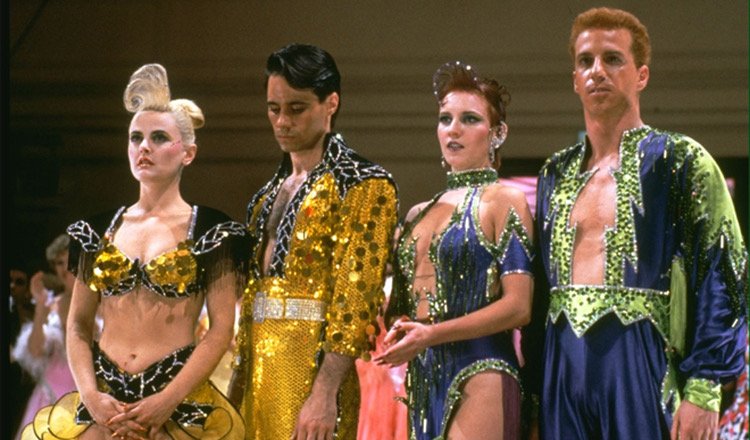
Ballroom dancing has a long history dating back to the courts of Europe, where formal dances became symbols of elegance, social interaction, and cultural tradition. Over time, ballroom dancing evolved into both a social activity and a competitive sport. Dancers learned precise techniques and followed established rules while still finding ways to express emotion and artistry through movement.
This balance between discipline and creativity is what makes ballroom dancing unique. It requires technical skill, but it also depends on personality, interpretation, and connection. In “Strictly Ballroom”, Luhrmann explores what happens when the balance is lost and rules begin to overshadow creativity.
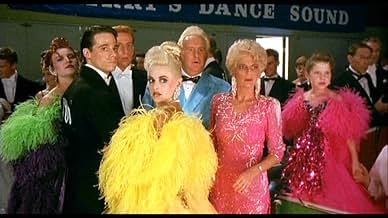
The competitive ballroom world shown in the film becomes a metaphor for society itself. The dancers are expected to follow approved steps, respect authority, and avoid taking risks. Success depends not only on talent but also on conformity.
Scott Hastings and the Courage to be Different

Here is an introduction to the first of two main characters: Scott Hastings is the film’s central character and its clearest symbol of individuality. A talented dancer with championship potential, Scott seems destined for success. However, he feels constrained by a system that values obedience more than creativity.
His decision to introduce his own dance steps creates controversy throughout the ballroom community. Officials and judges react as though he has broken an unbreakable law. What makes this conflict so interesting is that Scott is not rejecting ballroom dancing. He loves the art form. His goal is simply to expand its possibilities.
Scott’s struggle reflects a challenge many people face in their own lives. Whether in art, education, business, or personal relationships, individuals are often pressured to follow established paths rather than create their own. Scott’s willingness to take risks makes him a relatable and inspiring character. His journey demonstrates that true creativity often requires courage.
Fran and the Power of Authenticity
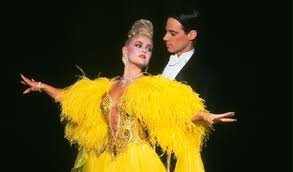
If Scott represents rebellion, Fran represents authenticity. At the beginning of the film, she is shy, awkward, and largely overlooked by the ballroom community. Unlike the glamorous dancers who dominate competitions, Fran does not fit conventional expectations.
Yet, Fran possesses qualities that many others lack. She is honest, determined, loyal, and genuinely passionate about dance. Most importantly, she is completely herself.
When Fran offers to become Scott’s partner, she takes a risk. Few people believe she belongs in the spotlight, but she refuses to let other people’s opinions define her worth. Scott and Fran spend time together; they help one another grow. Scott learns to trust his instincts, while Fran gains confidence in her own abilities.
Their relationship forms the emotional center of the film. Rather than rescuing one another, they encourage each other to become stronger and more authentic versions of themselves. Their romance develops naturally through mutual respect, support, and shared courage.
Cultural Identity and the Spanish Influence
One of the most memorable aspects of “Strictly Ballroom” is its celebration of cultural identity. This theme is introduced through Fran’s family, whose Spanish heritage provides an important contrast to the highly regulated world of competitive ballroom dancing.
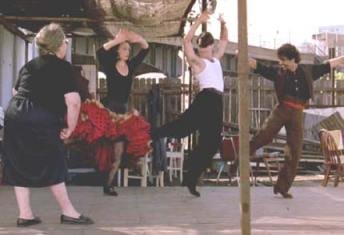
When Scott spends time with Fran’s family, he encounters a very different understanding of dance. Here, dancing is not about judges, rankings, or approved routines. It is about passion, emotion, community, and personal expression. Fran’s father, in particular, becomes an important mentor figure. Through his guidance, Scott begins to understand that dance is more than a technical exercise. It is a language capable of expressing identity, history, and feeling.
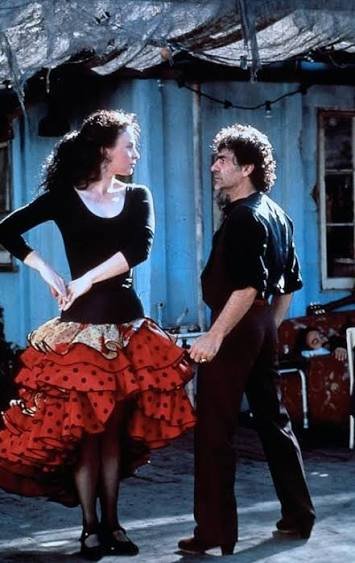
The famous Paso Doble Spanish ethnic dance training scenes with Scot and Fran’s father are among the film’s most powerful moments. They represent a turning point in Scott’s development. Instead of focusing on what the ballroom establishment expects, he begins to discover what dance means to him personally.
These scenes also highlight the value of cultural exchange. Luhrmann suggests that artistic traditions grow stronger when they are open to new influences rather than isolated by rigid boundaries. Fran’s family helps Scott reconnect with the emotional heart of dance, reminding him that creativity often emerges when different perspectives come together.
Baz Luhrmann’s Unique Style and Use of Humor
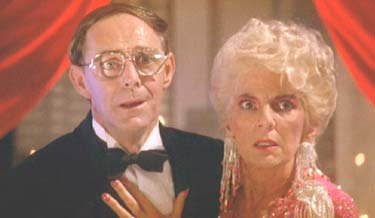
Even in his first feature film, Baz Luhrmann demonstrated the distinctive style that would later make him internationally famous. “Strictly Ballroom” is filled with vibrant colors, dramatic costumes, energetic camera movements, and larger-than-life characters.
The film rarely aims for realism. Instead, Luhrmann embraces theatricality and exaggeration. Ballroom competitions feel like grand spectacles. Characters often behave in exaggerated ways, creating a world that is both humorous and emotionally engaging.
This style serves an important purpose. By amplifying the absurdity of the ballroom establishment, Luhrmann encourages audiences to question systems that value conformity above creativity. The authority figures are often so obsessed with rules they become unintentionally comic.
One of the film’s greatest strengths is its ability to balance humor with meaningful social commentary. Audiences laugh at the absurd situations, yet beneath the comedy lies a serious message about freedom, individuality, and the dangers of allowing institutions to dictate personal expression.
The humor also makes the film accessible. Rather than presenting a lecture about creativity, Luhrmann invites viewers to enjoy the story while quietly reflecting on its deeper themes.
The Final Competition and the Meaning of Success
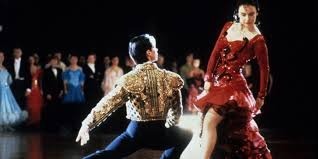
The emotional and thematic climax of “Strictly Ballroom” occurs during the final competition.
By this point, Scott has spent the entire film facing pressure from judges, officials, family members, and fellow competitors. Everyone seems to have an opinion about how he should dance and what choices he should make. His future in the ballroom world appears to depend on his willingness to conform.
At the crucial moment, Scott must decide whether to follow the accepted rules or trust his own instincts.
He chooses authenticity.
Alongside Fran, he performs his own steps rather than limiting himself to what others expect. The decision is both artistic and personal. It represents his refusal to allow fear or social pressure to determine his identity.
The scene is particularly powerful because it shifts the audience’s focus away from the competition. By the time Scott and Fran step onto the dance floor, the question is no longer whether they will win a trophy. The real question is whether they will remain true to themselves.
THAT is what makes the ending so satisfying.
In many sports films, victory is measured by medals, rankings, and championships. “Strictly Ballroom” offers a different perspective. Scott and Fran’s triumph comes from their willingness to express themselves honestly despite the risks involved.
Their performance inspires those around them because it demonstrates that courage and authenticity can be more meaningful than conventional success.
Why Scott and Fran Beat the Odds
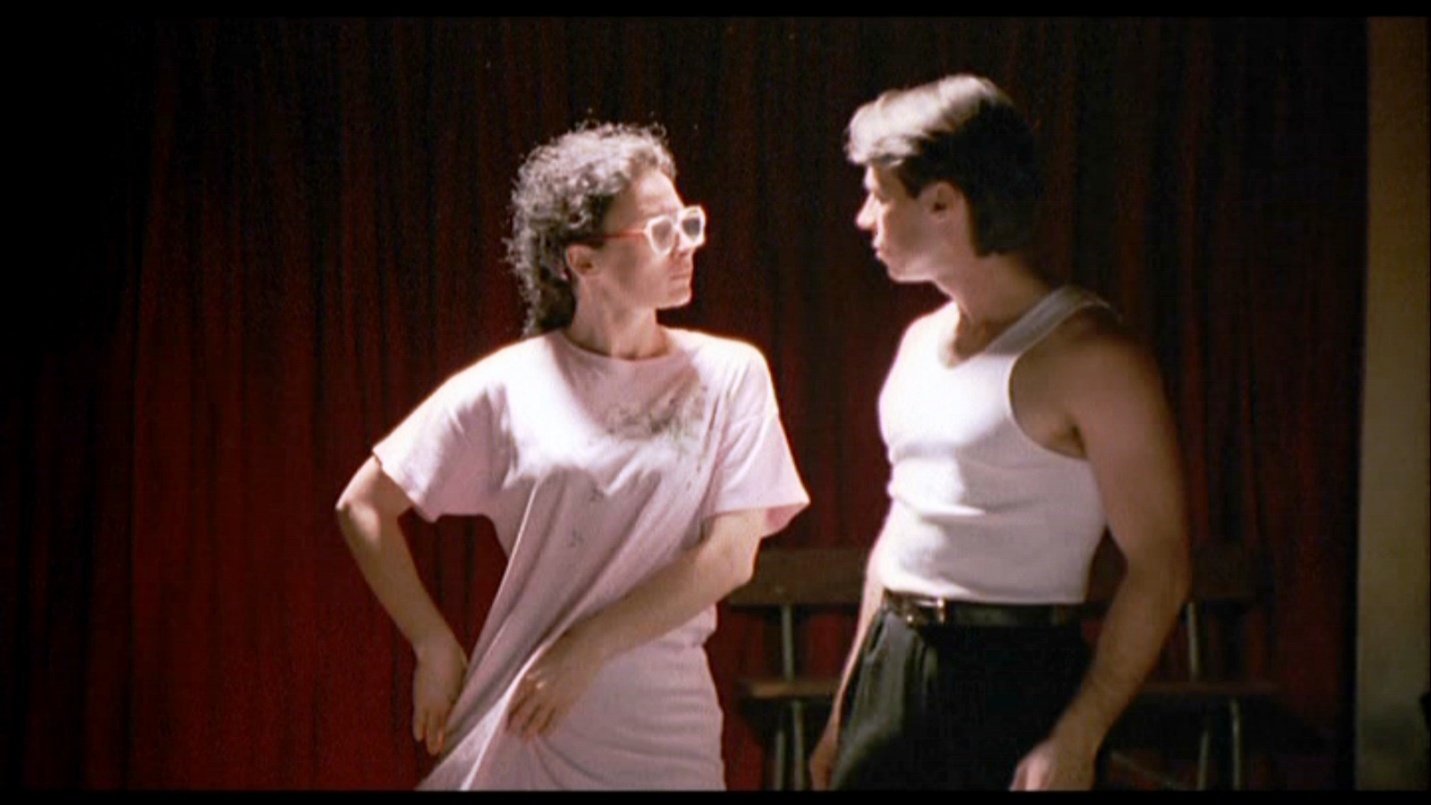
One reason audiences continue to connect with “Strictly Ballroom” is that Scott and Fran face obstacles that feel universally recognizable.
Scott risks his reputation and career by challenging accepted norms. Fran must overcome years of being underestimated and overlooked. Together, they confront a system designed to discourage individuality.
The odds are stacked against them.
Yet their story resonates because they succeed in ways that matter most. They refuse to surrender their creativity. They reject the idea that worth must be determined by external approval. Most importantly, they choose to define success on their own terms.
Their victory extends beyond ballroom dancing. It becomes a celebration of anyone who has ever felt pressured to fit into expectations that did not reflect who they truly are.
In that sense, Scott and Fran do not merely defeat competitors. They overcome fear, self-doubt, and limitations imposed by others.
Conclusion
At first glance, “Strictly Ballroom” appears to be a charming romantic comedy about dance competitions. However, its lasting appeal comes from its deeper exploration of individuality, creativity, cultural identity, and personal freedom.
Through Scott Hastings and Fran, Baz Luhrmann tells a story about the courage required to challenge expectations and remain true to oneself. Ballroom dancing serves as both the setting and the metaphor through which these themes are explored. The dance floor becomes a place where characters confront fear and discover confidence.
The film respects the traditions of ballroom dancing while also arguing that traditions remain meaningful only when they allow room for growth and innovation. Scott’s journey demonstrates that creativity does not weaken an art form. It strengthens it.
That idea remains inspiring today as it was in 1992, ensuring that “Strictly Ballroom” continues to be celebrated not only as a beloved dance film but also as a timeless story about finding one’s voice and embracing the freedom to be unique.
View the Official Trailer: 4K Restoration
Further Viewing
If you are inspired by ballroom dancing and “Strictly Ballroom”, here are some other films to explore and celebrate the power of dance to transform lives.
“Shall We Dance?”, 1996 Japanese film. It tells the story of a businessman who discovers new purpose and confidence through ballroom dancing. It is often regarded as one of the finest dance films ever made.
“Shall We Dance?” 2004 American adaptation. Explores similar themes of personal growth.
“Mad Hot Ballroom”, 2005 documentary. Follows New York City students preparing for a ballroom dancing competition and demonstrates how dance can build confidence, discipline, and teamwork.
“Ballroom Dancer”, is a 2011 documentary. Examines the dedication required within the competitive dance world and the resilience needed to overcome adversity.