The edge of intention, where madness begins, every act of courage is born in a place no one applauded. Not the battlefield, not the podium, not the history book where everything is clean and inevitable and flattering to the dead. No, courage begins in a far less dignified location, it begins in doubt. In that quiet, suffocating moment where the world presents its terms with clinical indifference, you do not have enough information, control, or any guarantees.
Still, there you are, standing at the edge like it owes you something. Let’s not romanticize it too quickly, because at that edge, stripped of outcome and narrative, courage looks, suspicious. It looks like, overconfidence, miscalculation, poor risk assessment wrapped in conviction, it looks like someone is about to make a very expensive mistake. The kind observers, those soft, cautious architects of reasonable choices, they don’t see bravery here, they see a liability, and yet the body has not yet fallen.
They whisper, oh so gentle. “Don’t. You don’t know what happens next.” They will say that it’s not even an insult, it’s correct, that’s what makes it so hard, because uncertainty is the one argument you cannot defeat with logic. There are no counterproof data set or reassuring graphs bending upward into destiny. There is only the void of incomplete information, staring back at you like it already knows the ending.
Then, someone steps forward anyway, not because they’ve solved the equation or because they’ve eliminated the risk. But because they’ve decided, quietly, stubbornly, almost offensively, that waiting for certainty is its own form of death. This is the part people lie about later, they’ll dress it up as clarity, purpose, and as inevitability. They’ll say, “I knew, I believed, or I had to. ”
No, what they had was tolerance, for ambiguity, exposure and being wrong in a way that might not be recoverable. That’s not purity or heroism, that’s proximity to madness. From the outside, and to be honest, you’ve seen it, the difference between a visionary and a fool is microscopic at this stage. They reject consensus while ignoring warnings, they act without full understanding and stand at the same ledge. The only distinction, one will be justified later, and the other will not.
In that moment, before gravity votes, before reality renders its verdict, they are identical. Twins, almost, one crowned in advance by arrogance, the other by destiny, though no one, least of all of them, can tell which is which. That’s the secret no one likes to admit. Courage doesn’t feel like courage when you’re doing It, you feel like, risk, fear and exposure and the quiet suspicion you might be making a terrible mistake and still, you step.
Not because you’re certain not because you’re safe, but because something in you is willing to accept the truth, most people spend their lives avoiding. You don’t get to know if it’s bravery or stupidity, until after it’s already cost you something. That is where madness stops being an insult and starts becoming a prerequisite. No one, no one worth listening to, calls it bravery while it’s happening.
In the moment, stripped of hindsight and halo, it doesn’t look like courage. It looks like exposure, miscalculation, and a very public willingness to be wrong. It looks like a risk that hasn’t paid off yet. And the world, ever the cautious accountant of consequence, doesn’t deal in potential. It deals with proof, so, what does it call you, not a hero, not yet. It calls you reckless and premature.
Possibly even delusional, because until the outcome arrives, your action exists in a kind of moral vacuum, unresolved, unvalidated, dangerously open to interpretation. This is the quiet cruelty of perception, your decisions, movement in the same breath was held before the leap. Two endings, suddenly, two completely different people. Language softens, now you are bold, decisive, and become, you possess a rare clarity.
Your risk becomes a vision, and your gambling strategy, and your defiance becomes leadership. Everyone rushes in to explain how it made sense all along, but if it fails. Ah, then the knives come out dressed as wisdom. Now you are impulsive, arrogant, and blind to obvious danger. That same step forward becomes, a mistake anyone should have seen coming. The same uncertainty becomes, irresponsibility, and suddenly, the crowd that warned you feels very justified.
Understand the mechanism here, it’s not morality, it’s outcome alignment. We don’t like ambiguity, so we erase it. We take the messy, uncertain moment where nothing was guaranteed, and we rewrite it as if the ending was obvious from the start. History is especially guilty of this, it doesn’t preserve hesitation. It doesn’t archive doubt, It curates. It selects the version of events that worked and builds a clean narrative around them. Survivors become coherent, the dead remain confusing, because the one who survives gets to speak.
They get to justify frame narrate, they turn chaos into intention and the one who doesn’t. Silence, no corrections or context or defense, just a result, interpreted by others. So, we arrive at the cruelest simplification of all If it works, courage If it fails. Stupidity not because it’s true, but because it’s convenient.
That’s the peril, not the risk itself, that part is honest, the peril is what comes after, the judgment of people who never had to make the decision in the first place. So, understand this, before you ever step to that edge again, you are not just risking failure. You are risking misinterpretation, you are risking becoming, a lesson a warning a quiet example people use to justify their own hesitation and if you win, they’ll call you brave, if you lose, they’ll call you a fool.
Same act, it is the same as you, but with a different ending, that’s the game, play it with your eyes open, not every victory is earned or is every failure deserved. History is not a court of fairness, it’s a gallery curated by living, whose survival, sweet, accidental, brutally selective survival, comes with a privilege. No theory, intention, or moral purity can compete with, it gets to explain itself.
The one who lives does not merely continue, they interpret and take the chaos, the blind risk, or near miss, the moment where it could have gone either way, and they dress it in something more respectable. They call it, strategy necessity inevitability If they’re feeling indulgent, destiny. Watch closely how it happens, a decision made in uncertainty becomes, in retrospect, a decision made with clarity.
A gamble becomes, calculated risk, a desperate move becomes, bold leadership A survival born of thin margins and luck gets rewritten as, proof of superior judgment and who is left to argue. Not the ones who didn’t make it, they don’t get footnotes or memoirs. They don’t get late-night interviews explaining what they mean to do, silence or worse, they get interpreted by those who survived. So, we begin to confuse things dangerously.
We start to believe that survival equals wisdom and the one who remains standing must have known something the others didn’t. That success is evidence of correctness, the outcome proves the method. it’s comforting and clean, but completely unreliable. Often, far more often than anyone likes to admit, what we’re looking at isn’t a genius, it’s not mastery, not even superior courage, it’s a risk that didn’t collapse.
A step that landed, barely, a decision that threaded the needle between failure and continuation, or a moment where probability tilted just enough in one direction to produce a survivor. From that narrow margin, we build monuments, we write doctrines, teach others to replicate something that was never fully under control to begin with. That’s the lottery, not just survival, but of meaning.
Once you survive, you don’t just get to live, you get to define what it means, and the world, desperate for clarity, eats it whole. It prefers a clean story over an honest one, it prefers, they knew what they were doing. Over, they got through. So, the myth hardens, the narrative settles, and somewhere beneath it, buried under language, ego, and the human need for coherence, is a much simpler, much more unsettling truth.
The difference between legend and lesson, is often nothing more than who was left to tell the story. Courage is not certainty. Certainty is comfortable. Certainty is safe. Certainty is what people wait for when they want to act without consequence. Courage lives somewhere else entirely. It lives in the moment before certainty is possible. This is the threshold, the one most people approach, hesitate at, and quietly step back from while calling it wisdom.
Because standing there, you are forced to confront something deeply inconvenient: You do not know enough. You cannot know enough. Not on time. And yet the decision remains. To act here is to accept terms most people spend their lives avoiding incomplete information real, non-theoretical danger the possibility, no, the probability, that you might be wrong. Not metaphorically wrong. Not “lesson learned” wrong.
Irreversibly wrong. That’s the part people edit out when they talk about bravery. They turn it into confidence. Into belief. Into some cinematic certainty that never actually existed. But real courage? It doesn’t feel confident. It feels like tension. Like standing in a room where all the variables are moving and none of them are under your control and realizing that waiting won’t fix it. Because waiting has its own cost. This is the lie people cling to.

I’ll act when, I’m sure, no, you won’t, because the situations that require courage are precisely the ones where certainty never arrives. If proof existed, clean, reliable, guaranteed, it wouldn’t be courage, it would be a procedure. So, most people wait, they wait for more data, better timing, and clearer signals. They wait for the risk to shrink into something manageable, something justifiable, that won’t threaten their identity if it goes wrong, and that works.
Patience is the correct move, the situation closes, the window narrows, the cost of inaction quietly compounds until doing nothing becomes the most dangerous choice on the board. That’s the threshold, not where action is safe, but where, becomes its own form of failure and this is where the brave diverges, not because they’re fearless, and certainly not because they’re certain, but because they recognize something most people refuse to admit.
You can lose by not acting, just as completely as by acting and failing. So, they moved, not with guarantees, with clarity and acceptance that they might misread the situation or might pay for it, and they might not get another chance to correct it. That’s the sacred part. Not the action itself, but the willingness to cross that threshold knowing full well, the outcome will decide what you were, and you don’t get a vote. The replication test, from survival to mastery one success proves nothing. That’s the part people hate that a man charges a bear with a sharpened stick and lives.
He is brave, in that moment, none of those labels meant anything, because the real question isn’t did it work. It’s, can it work again, this is where the illusion fractures, because survival, on its own, is a single data point. A story, a highlight reel, but systems, real systems, the ones that shape leagues, boardrooms, battlefields, they don’t run on stories. They run on repeatability, can you do it twice, three times, or under pressure, with variables shifting. With someone watching, learning, adapting, that’s where the separation begins.
Not between bravery and fool, but between the survivor and the practitioner, because the world is always watching, they don’t care that it worked once. They care, was that a fluke, or a method and here’s the truth, most bravery fails this test. The skateboarder lands the trick once, barely, crowd cheers, but can he land it again. Clean, on command, the startup gambles at everything and wins valuation of spikes.
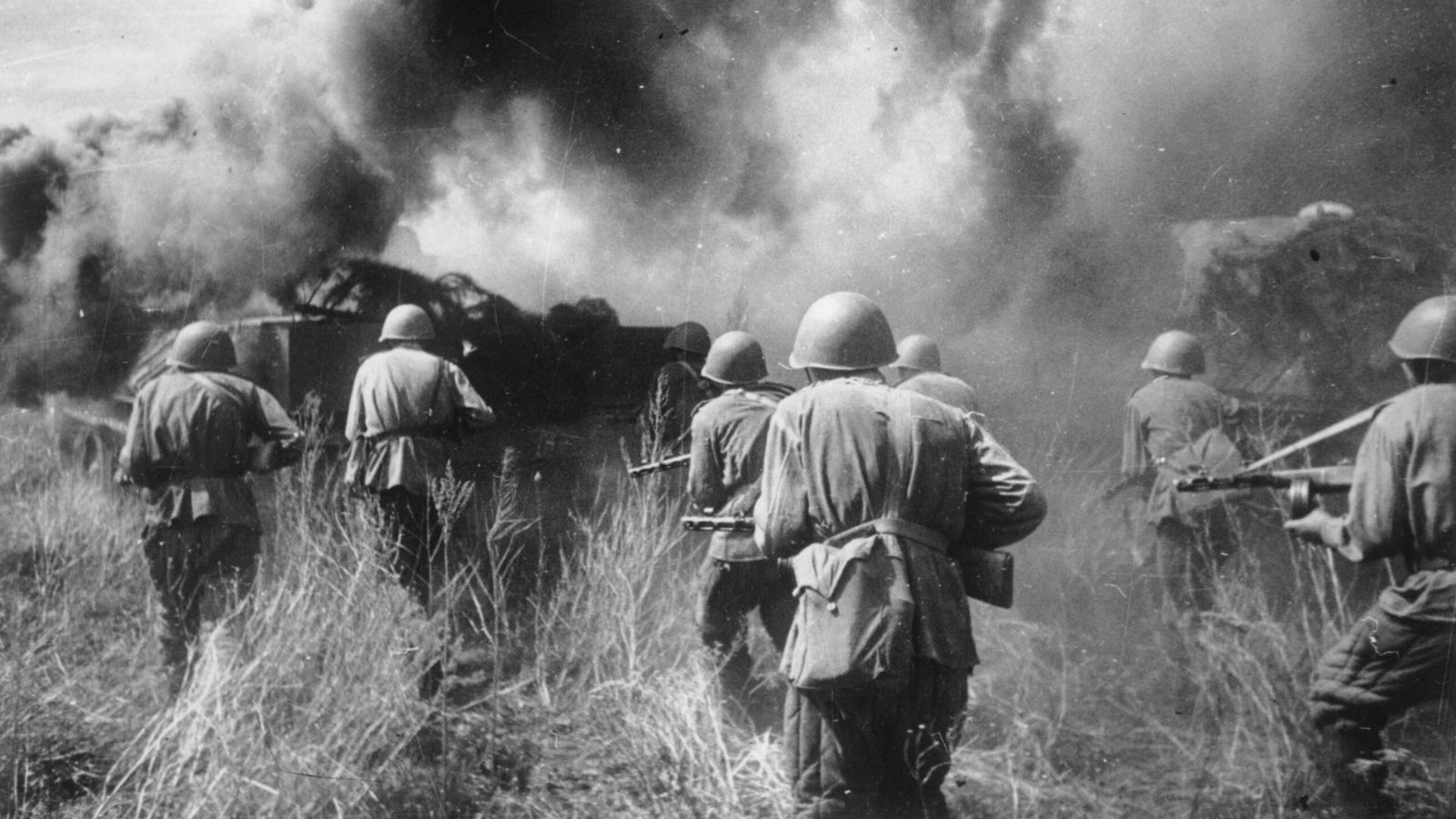
Can they reproduce the outcome, or was it timing, luck, and a favorable wind. The soldier charges and breaks the line. Hero, but can that maneuver be taught, scaled, repeated without catastrophic loss. This is where myth meets math, because success that cannot be replicated is not mastery. It’s an event, and events don’t build systems, systems require something colder, consistency of transferability with survivable margins. They require outcomes that can be taught, and this is where your final distinction emerges.
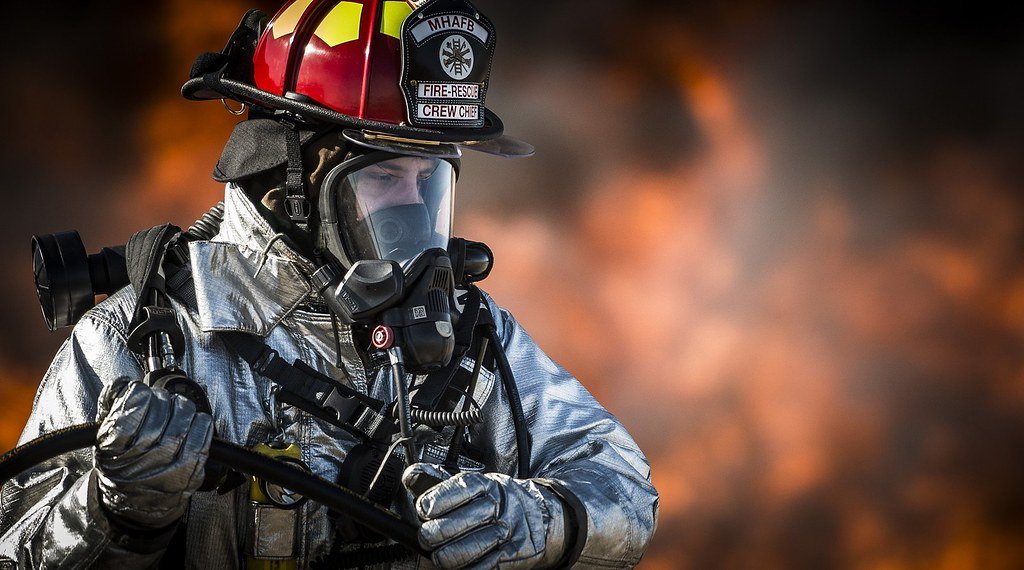
What separates the brave from the fool is the outcome, and what separates the brave from the master is repetition. The master doesn’t just survive, and that’s why they understand and reduce randomness and increase the odds. They teach others to do the same, then they turn, chaos into process and luck, and probability survival into strategy, because in the end, the real question isn’t, did it work. So, strip it down, no poetry or myth and to act without guarantees is irrational.
Not metaphorically, philosophical or mathematically, you are stepping beyond what can be proven safe, beyond what can be justified with clean logic or defensible certainty. You are moving in a space where the variables are incomplete, the outcomes unstable, and the margin for error, potentially terminal and still, you act. Let’s not pretend this is wisdom in the traditional sense, wisdom hesitates.
Wisdom is calculated, prefers edges it can measure and risks it can bound, courage crosses the line where calculation end, because what you are accepting in that moment is not just risk, you are accepting, risk without assurance consequence without control judgment without context. You are placing yourself in a position where the outcome will define you, and you do not get to negotiate with it, that requires something most people will never willingly embrace, the willingness to be wrong in a way that matters.
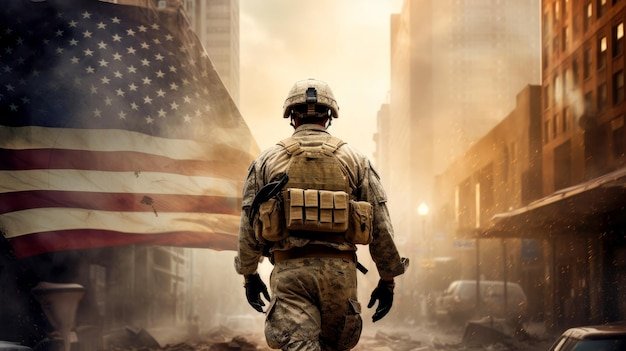
Not mildly embarrassing, but wrong in a way that costs your reputation costs your opportunity costs your safety, maybe costs you everything and here’s the part no one likes to say out loud. From the outside, before the result arrives, that willingness looks indistinguishable from stupidity, because what is a fool, if not someone who acts beyond reason.
Who steps forward when the odds don’t justify it, the only difference is deferred, hidden in the future, waiting for an outcome, no one can see it yet. So, when you step across that threshold, understand exactly what you’re doing. You are not stepping into glory, you are stepping into uncertainty with exposure and are volunteering to be misunderstood. To be judged early and called reckless, naive, arrogant, sometimes by people who will later call you brilliant if it works, that’s the price of an entry.
Not at risk or effort, but the reputation is placed on the line before it’s earned, and if it fails. You don’t get a poetic ending or a clean narrative, you become, a cautionary tale, an example of a quiet confirmation of why others were right not to try but if it works. Only then, only then, does the world grant you a different language. Now you are brave and visionary. Now the same irrational step has become something admirable and something teachable.
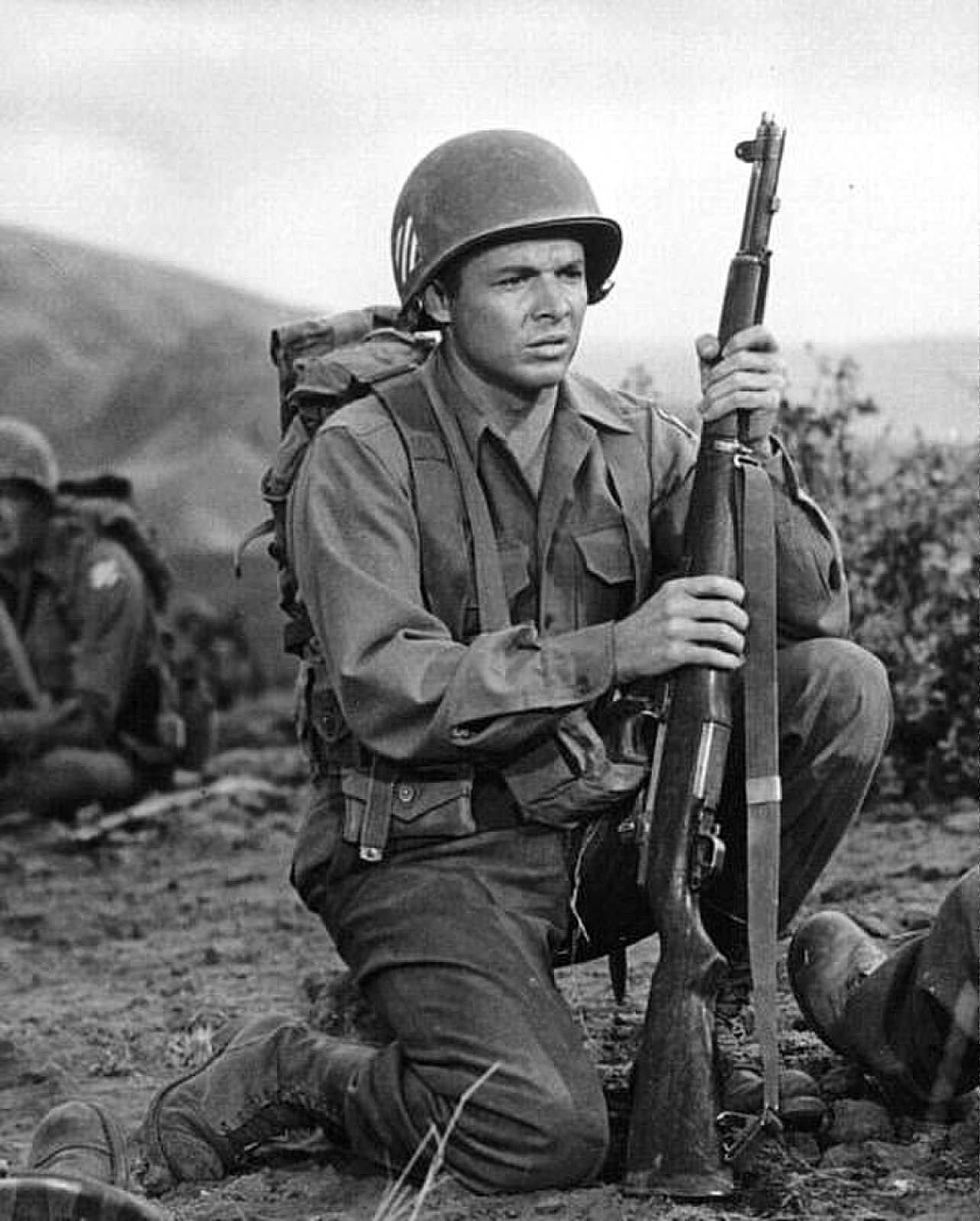
Something others wish they had done, that’s the final judgment, not made now of action, but handed down afterward, by outcomes that do not care about what you intended. So, understand this clearly, before you ever decide to act, Bravery is not a protected category. It is not something you are granted in advance.
It is something you are retrofitted with if reality happens to agree with you, until then, you are a fool, that is the condition and the entry fee. The unspoken contract at the heart of every act of courage, you must risk being the fool, before you are ever allowed to be called brave. So yes, only the fools may be brave, not because they’re less.
Not because they don’t understand the risk, but because they do, and move anyway, they are the only ones willing to step forward before math resolves. Before the outcome redeems them and the story softens them. The world decided that they were right, they accept the terms no one else will sign to act without guarantee to risk being wrong publicly to carry the cost without the promise of meaning.
That’s the truth hidden beneath every act we later admire, in doubt, exposure and in the very real possibility that it all goes badly and stays that way. Still, someone chooses to act, not because they know they’ll be called brave, but because they’ve made peace with being called something else. So yes, only the fools may be brave. Because only they are willing to pay the price before knowing the reward.