The Builder
Great cities are often defined by the institutions they create. Museums, theaters, libraries, colleges, and concert halls serve as more than buildings; they become symbols of civic ambition and cultural identity. Yet behind every great institution stands a visionary willing to imagine what does not yet exist. For Detroit, few individuals embodied that role more completely than David DiChiera.
For more than five decades, DiChiera served as one of the city’s most influential cultural leaders. Composer, scholar, educator, and founder of Michigan Opera Theatre, he transformed Detroit into a nationally recognized center for opera while demonstrating the vital role the arts can play in civic life. His achievements extended beyond the stage. Through determination, diplomacy, and unwavering belief in the power of culture, he helped restore historic landmarks, cultivate new audiences, and establish a lasting artistic legacy that continues to enrich Detroit today. When The Kresge Foundation named David DiChiera the Kresge Eminent Artist Award, it recognized not only a distinguished artistic career, but a lifetime dedicated to building institutions and creating opportunities for future generations. His story is ultimately one of vision, seeing possibility where others saw obstacles and transforming aspiration into reality.
A Foundation in Scholarship
Born in McKeesport, Pennsylvania, in 1935 to Italian immigrant parents, David DiChiera grew up in a household that valued education, culture, and intellectual curiosity. Music played an important role in family life, and from an early age he demonstrated both artistic sensitivity and academic excellence. These qualities would remain intertwined throughout his career, shaping a unique path that combined scholarship with artistic leadership.
After graduating with highest honors from UCLA, DiChiera pursued advanced studies in composition and musicology. A Fulbright Fellowship allowed him to continue his research in Italy, where he immersed himself in the history of opera and developed a deeper understanding of the art form that would define his life’s work. His scholarly accomplishments established him as a respected authority, yet he was never content to remain solely within academia. He believed that music should be experienced, shared, and brought to life through performance.
Discovering a Calling
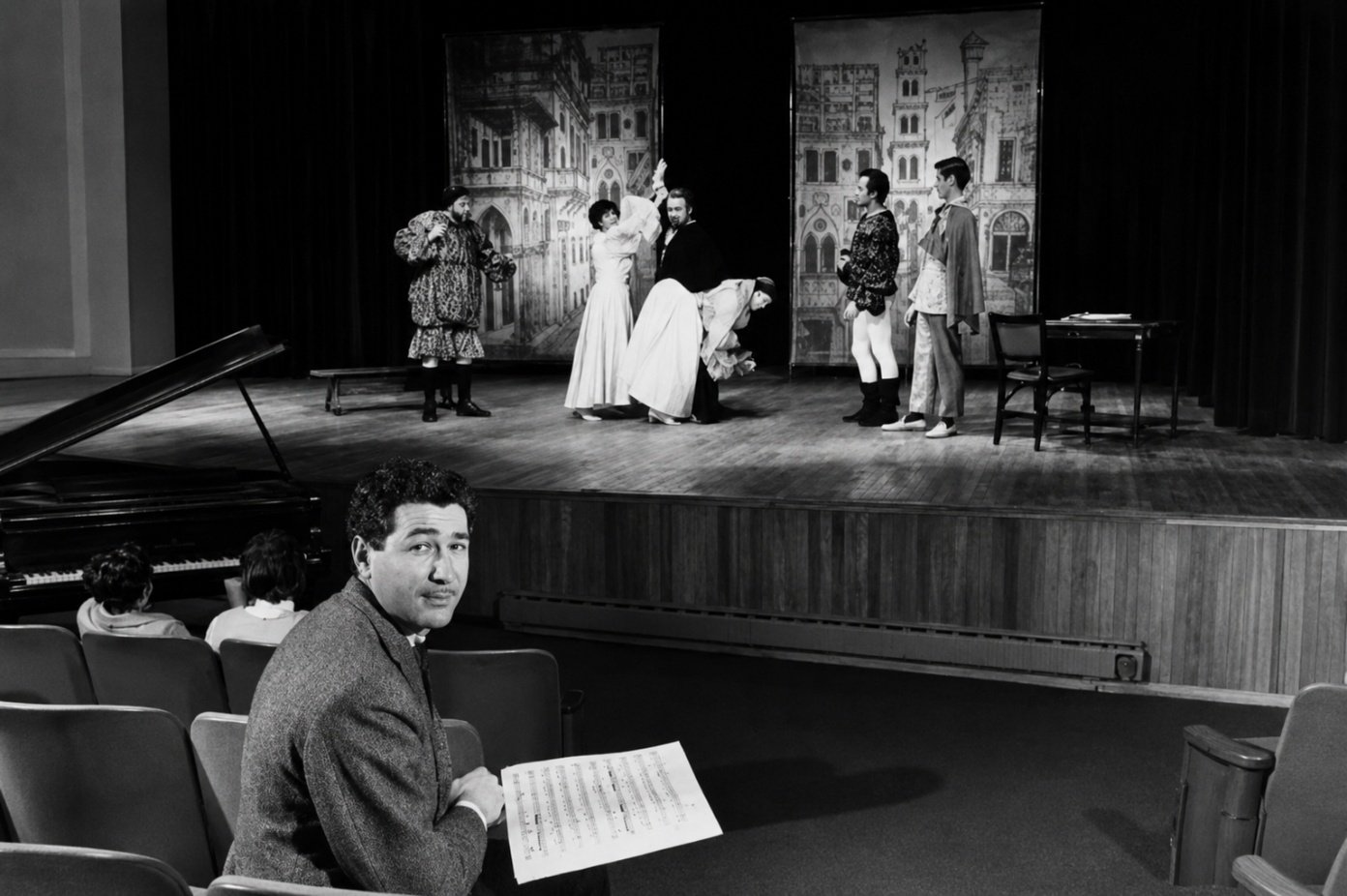
Opera appealed to DiChiera because it combined multiple artistic disciplines into a single experience. Music, literature, theater, design, and performance all converged to create something greater than the sum of its parts. He viewed opera not as an elitist art form but as a powerful vehicle for storytelling and human connection.
When he accepted a position at Oakland University in the early 1960s, DiChiera arrived in a region rich with artistic energy but lacking a permanent professional opera company. Many would have accepted this reality as inevitable. DiChiera saw it as an opportunity. He believed Detroit deserved an institution capable of presenting world-class opera while serving the broader community. That belief would become the foundation of his life’s work.
Building an Institution
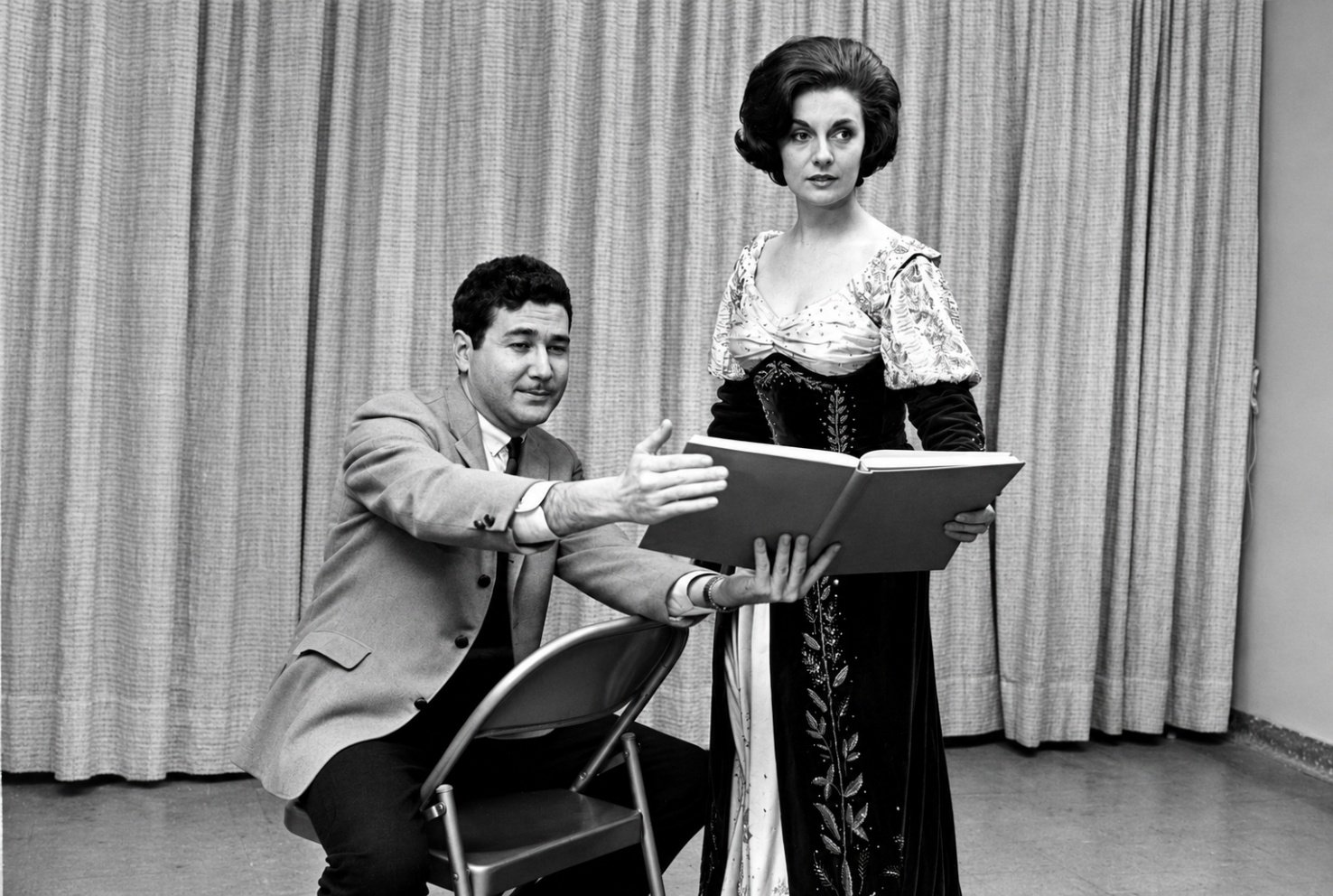
What began as a modest educational initiative known as Overture to Opera gradually evolved into Michigan Opera Theatre, one of the most respected regional opera companies in the United States. The journey was neither simple nor predictable. Building a cultural institution required fundraising, advocacy, strategic planning, and an extraordinary ability to inspire confidence among donors, civic leaders, artists, and audiences.
DiChiera approached these challenges with remarkable determination. He understood that great institutions are built through relationships and shared vision. Under his leadership, Michigan Opera Theatre expanded steadily, attracting talented performers, producing ambitious works, and cultivating audiences throughout metropolitan Detroit. The company’s growth demonstrated that opera could thrive in the Midwest and that Detroit possessed both the talent and the appetite to support world-class cultural programming.
Restoring a Landmark
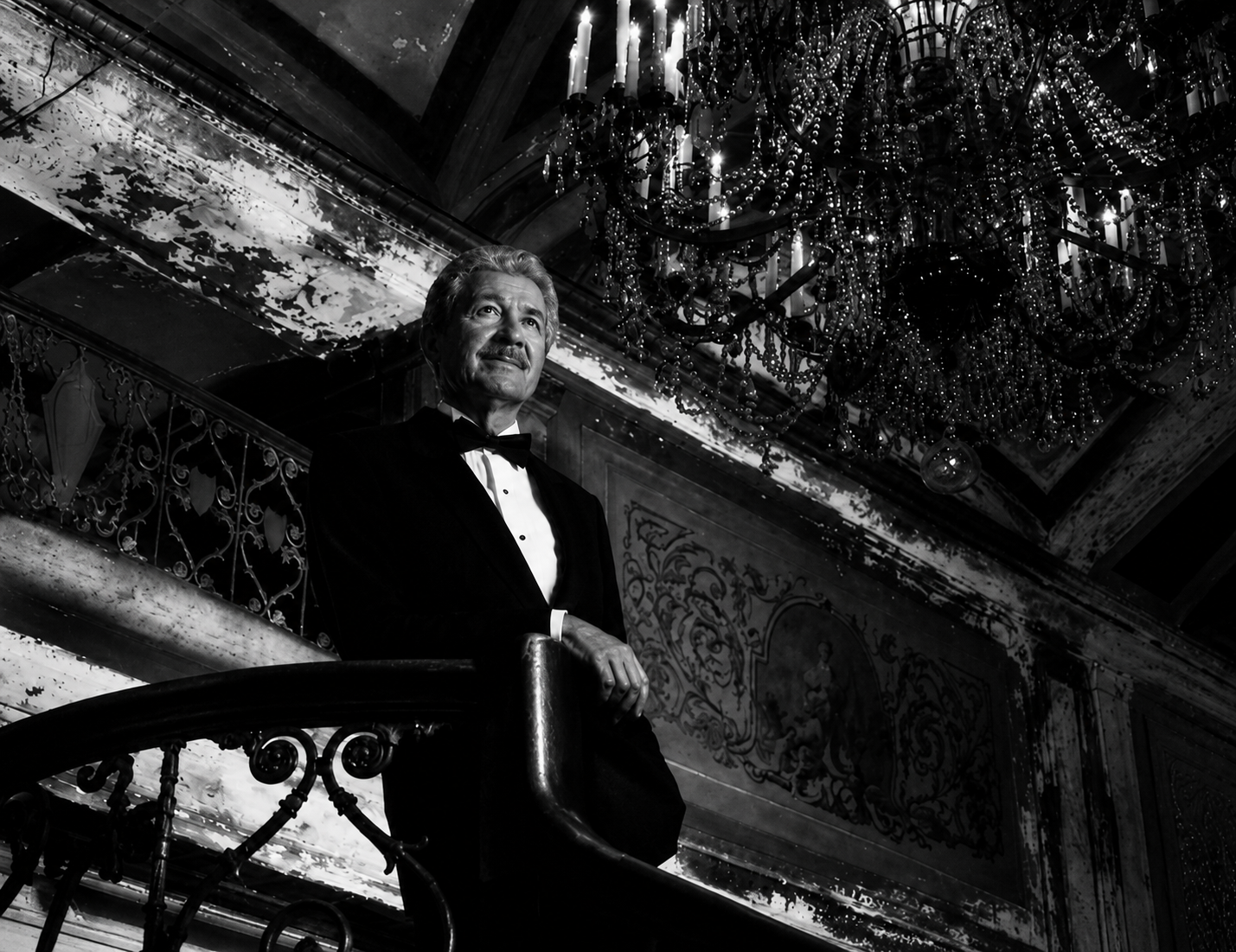
Perhaps no achievement better illustrates DiChiera’s vision than the restoration of the Detroit Opera House. By the early 1990s, the historic Capitol Theatre stood as a reminder of Detroit’s architectural grandeur but also of decades of decline. Many considered restoration unrealistic. The scale of the project seemed overwhelming.
DiChiera saw something different. He saw possibility.
Through persistence, fundraising, and collaboration, he led one of the most significant preservation efforts in Detroit’s history. When the Detroit Opera House reopened in 1996, it became far more than a performance venue. It became a symbol of renewal and confidence in the city’s future. The restoration helped energize downtown Detroit and demonstrated the transformative role cultural investment can play in urban revitalization.
Opera and Civic Life
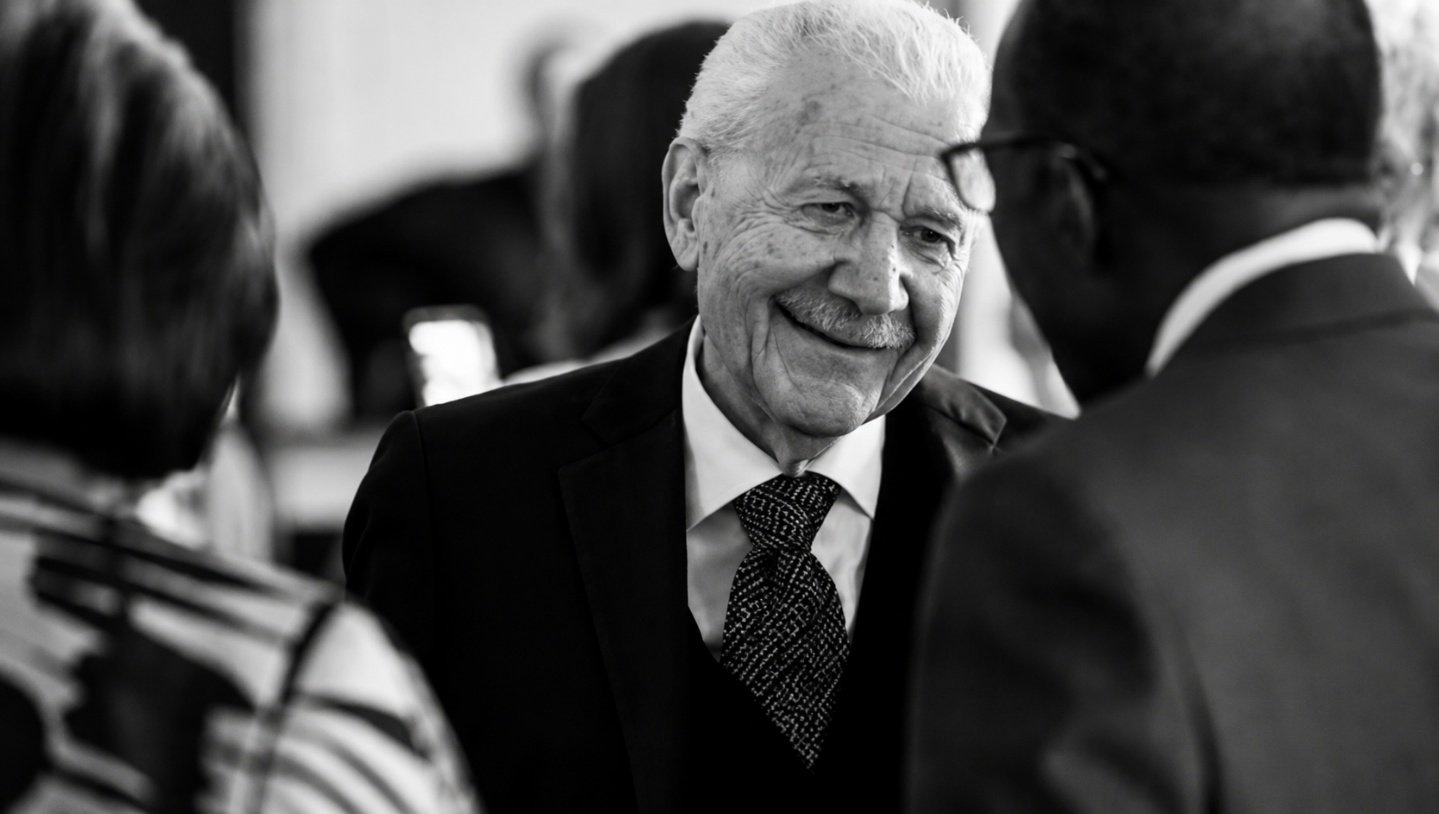
While DiChiera was widely respected as an arts administrator, he never viewed opera as existing in isolation from the broader community. He believed cultural institutions should serve as civic assets, welcoming audiences from all backgrounds and creating opportunities for meaningful engagement.
Under his leadership, Michigan Opera Theatre expanded educational programming, community partnerships, and outreach initiatives designed to introduce new audiences to opera. School programs, public events, and collaborative projects reflected his conviction that access to the arts should not be limited by geography, economics, or prior experience. Through these efforts, he helped cultivate generations of audience members while reinforcing the role of culture in strengthening civic life.
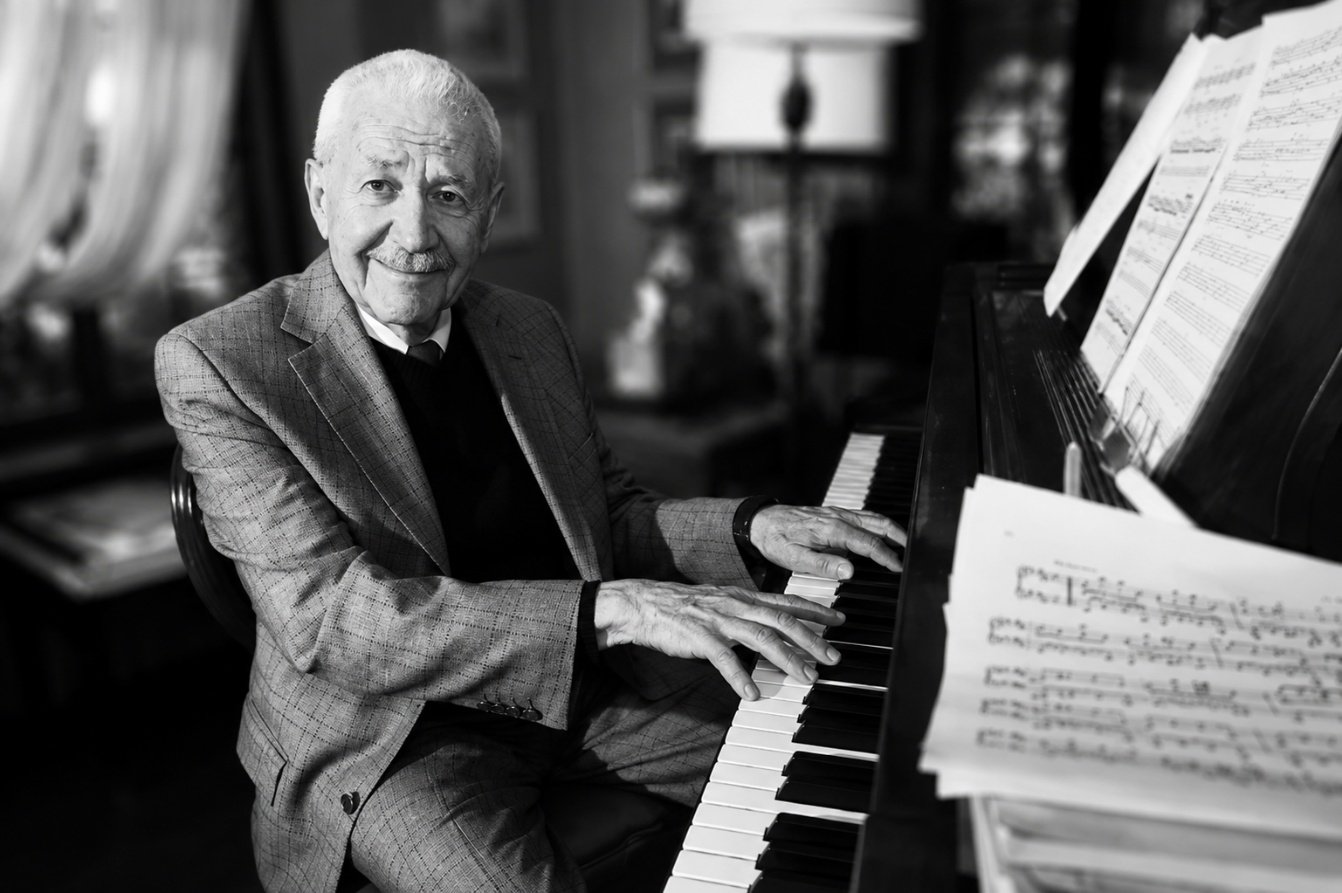
His influence extended beyond Detroit. As President of Opera America, DiChiera helped shape national conversations about audience development, artistic innovation, and the future of opera in the United States. His leadership earned respect throughout the cultural sector and established him as one of the country’s most influential arts advocates.
The Composer
Although best known as an institution builder, DiChiera remained a composer throughout his life. Music was never secondary to administration; it remained at the heart of everything he did. His compositions reflected both scholarly depth and dramatic instinct, drawing upon decades of experience studying and producing opera.
One of his most significant achievements came with Cyrano, his opera based on Edmond Rostand’s beloved play Cyrano de Bergerac. Premiered at the Detroit Opera House in 2007, the work represented a deeply personal milestone. After decades spent creating opportunities for others, DiChiera stood center stage as a composer, bringing his own artistic vision to life. The production reflected the culmination of a lifetime devoted to opera in all its forms.
The Kresge Eminent Artist
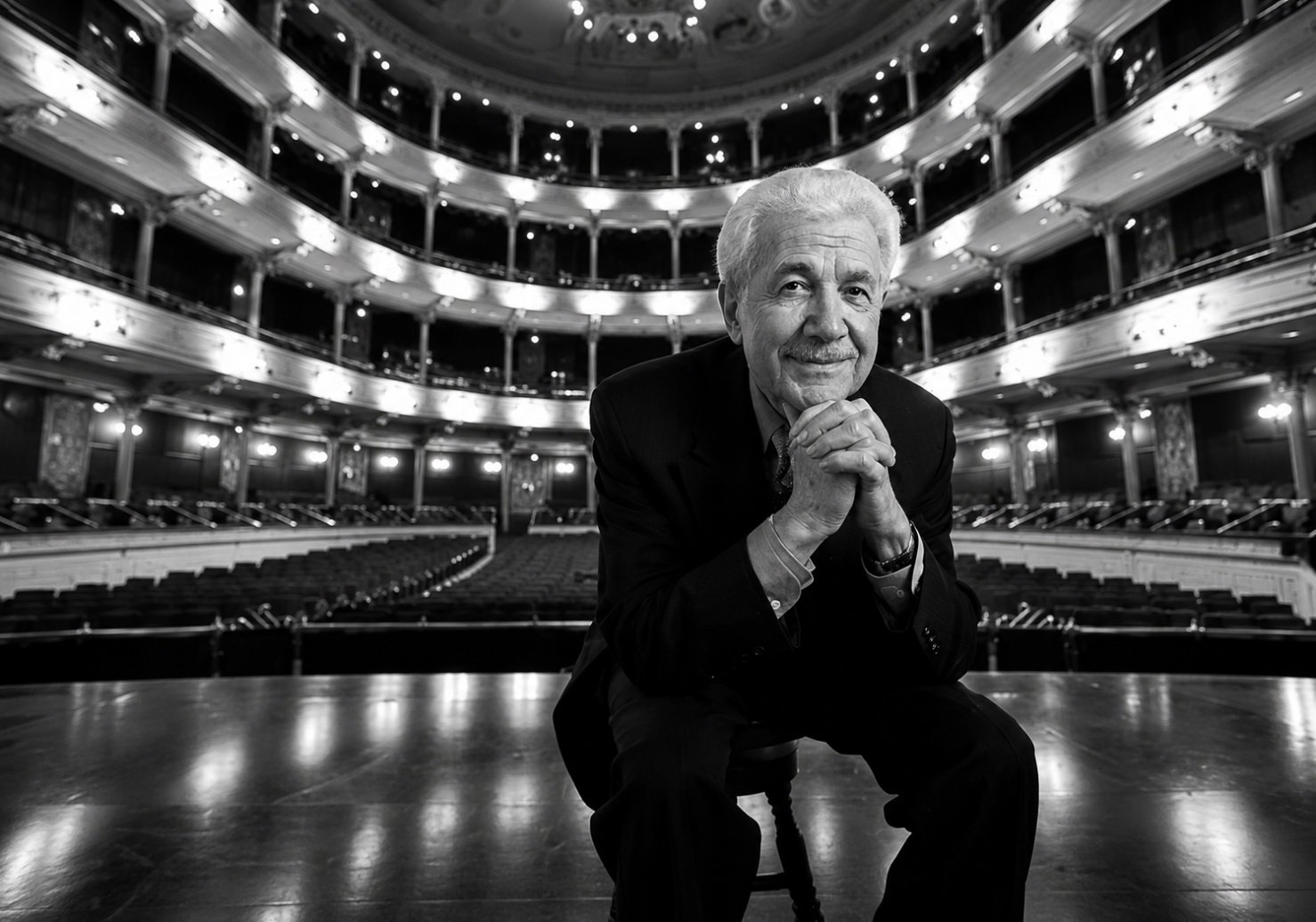
When David DiChiera was named a Kresge Foundation Eminent Artist, the recognition celebrated far more than artistic achievement. It acknowledged his extraordinary contribution to Detroit’s cultural infrastructure and his role in shaping the city’s identity as a center for the performing arts.
The honor reflected the breadth of his accomplishments: founder, composer, educator, preservationist, advocate, and visionary. Few individuals have left such a lasting imprint on Detroit’s cultural landscape. Through Michigan Opera Theatre and the Detroit Opera House, DiChiera created institutions that continue to enrich the city long after his tenure concluded.
The Architect of Possibility
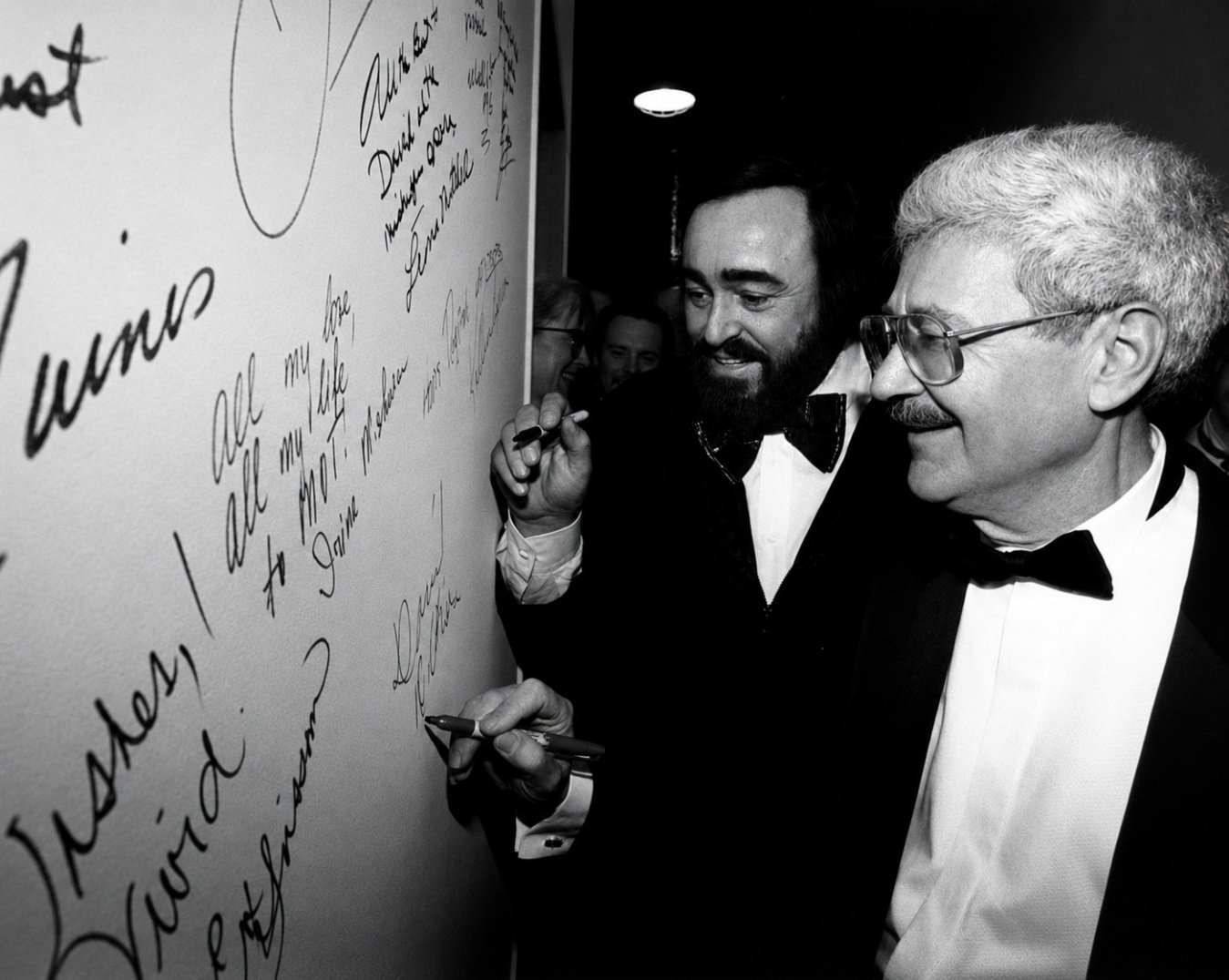
David DiChiera often spoke about excellence—not as an abstract ideal but as a daily commitment. He believed communities deserve institutions that inspire pride, foster creativity, and reflect the highest aspirations of civic life. Through his work, he demonstrated that culture is not a luxury. It is an essential part of what makes cities vibrant, resilient, and meaningful places to live.
His legacy can be found in every performance at the Detroit Opera House, every student introduced to opera through educational programs, and every artist who discovers opportunity on its stage. Yet perhaps his greatest contribution was his belief in Detroit itself. At a time when many questioned the city’s future, DiChiera remained steadfast in his conviction that Detroit deserved world-class cultural institutions and that the arts could help shape its renewal.
In honoring David DiChiera, Detroit honors one of its great builders—a visionary whose imagination transformed an ambitious idea into a lasting cultural legacy. His greatest composition may not have been written on a page. It may well have been the institution he created and the city he helped inspire.
David DiChiera Eminent Artist Monograph Book