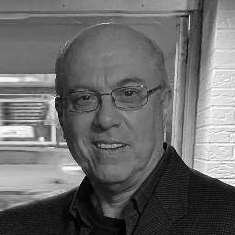
Robert Frost is considered as one of the greatest American poets who influences writers and poetry lovers worldwide of many generations. Ever popular and highly loved, Frost speaks to us in a simple, colloquial language with a laid back old New England Yankee style about every-day life and ordinary things. Although simple on the surface, his poems have an underlying depth of emotion and a profound quality that touches us where we are most vulnerable. He speaks to our humanity.
Robert Frost (1874-1963) born in California and growing up in Massachusetts with studies at Dartmouth College and Harvard, and teaching at Amherst College, Middlebury College, and the University of Michigan. Frost’s poetry is influenced by John Keats, William Butler Yeats, and Thomas Hardy. He has 27 published books of poetry. His accolades include U.S. Poet Laurete, four Pulitzer Prizes, Robert Frost Medal, Congressional Medal of Honor, and 40 honorary college degrees, including Princeton, Oxford, and Cambridge.
His most popular poems include: Stopping By Woods On a Snowy Evening, The Road Not Taken, Birches, After Apple Picking, Mending Wall, Mowing, The Tuft of Flowers, Death of the Hired Man, Acquainted With the Night, and others.
Some of his excellent lesser known poems include: Come In, An Old Man’s Winter Night, Looking For a Sunset Bird in Winter, Tree At My Window, A Time to Talk, Leaves Compared With Flowers, Desert Places, Acceptance, Range Finding, Gathering Leaves, My November Guest, and others.
Robert Frost Poetic Style
Poet Laureate Randall Jarrell states “Robert Frost, along with Stevens and Eliot, seems to me the greatest of the American poets of the 20th century. Frost’s virtues are extraordinary. No other living poet has written so well about the actions of ordinary men; his wonderful dramatic monologues or dramatic scenes come out of a knowledge of people that few poets have had, and they are written in a verse that uses, sometimes with absolute mastery, the rhythms of actual speech”.
Frost speaking on his poetry quipped, “Poetry is what gets lost in translation; it is when an emotion has found its thought, and the thought has found words.” Further stating, “My definition of poetry (if I were forced to give one) would be this: words that have become deeds. There are three things, after all, that a poem must reach: the eye, the ear, and what we may call the heart or the mind. It is most important of all to reach the heart of the reader.”
Robert Frost is best known for certain style elements that many other poets have utilized.
- Language: use of a conversational, colloquial, common every day spoken word. Accessible language to reach a broader audience.
- Vivid imagery: Frost uses subtle meaning to frame ordinary things and circumstances – pastoral, rural life, farms, woods, fields, trees, Nature, roads, walls, snow, and animals. He turns the surface ordinary images into underlying universal meaning.
- Depth of meaning: his poetry has profound emotional and philosophical depth and insight, which is often dark, melancholy, and introspective. He is a master of the use of metaphor, ambiguity, and irony with layered meaning and multiple interpretations. Universal themes of existence, temptation, meaning, honor, solitude, mortality, virtue, decisions, and moral choices.
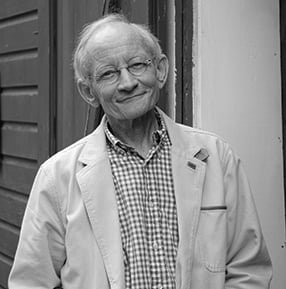
Ted Kooser
Ted Kooser is a leading poet in the Robert Frost tradition whose style is very accessible to a broad audience. His Midwestern home spun, plain spoken, and down to Earth charm and wit is wonderful, showing us a far gone world in rural America and small towns of the Great Plains. Kooser finds beauty, drama, and humor in the unsuspecting little things of daily life with profound insight. As well, he captures the simplistic joy of youth and the peaceful calm of growing older. Many of his poems are about people of the Great Plains, abandoned houses, farms, animals, and everyday items that tell a dramatic story, preserve fond memories, and offer simple charm and warmth.
Raised in Iowa and a former insurance company executive in Nebraska, Kooser became the U.S. Poet Laureate in 2004 and 2005 and won a Pulitzer Prize. Studies at Iowa State and teaching at the University of Nebraska. Favorite poems: Pearl, The Beaded Purse, Skater, Lantern, After Years, Abandoned Farm House, Raindrop, A Letter In October, Daddy Long Legs, At the Cancer Center.
Pearl
The Beaded Purse
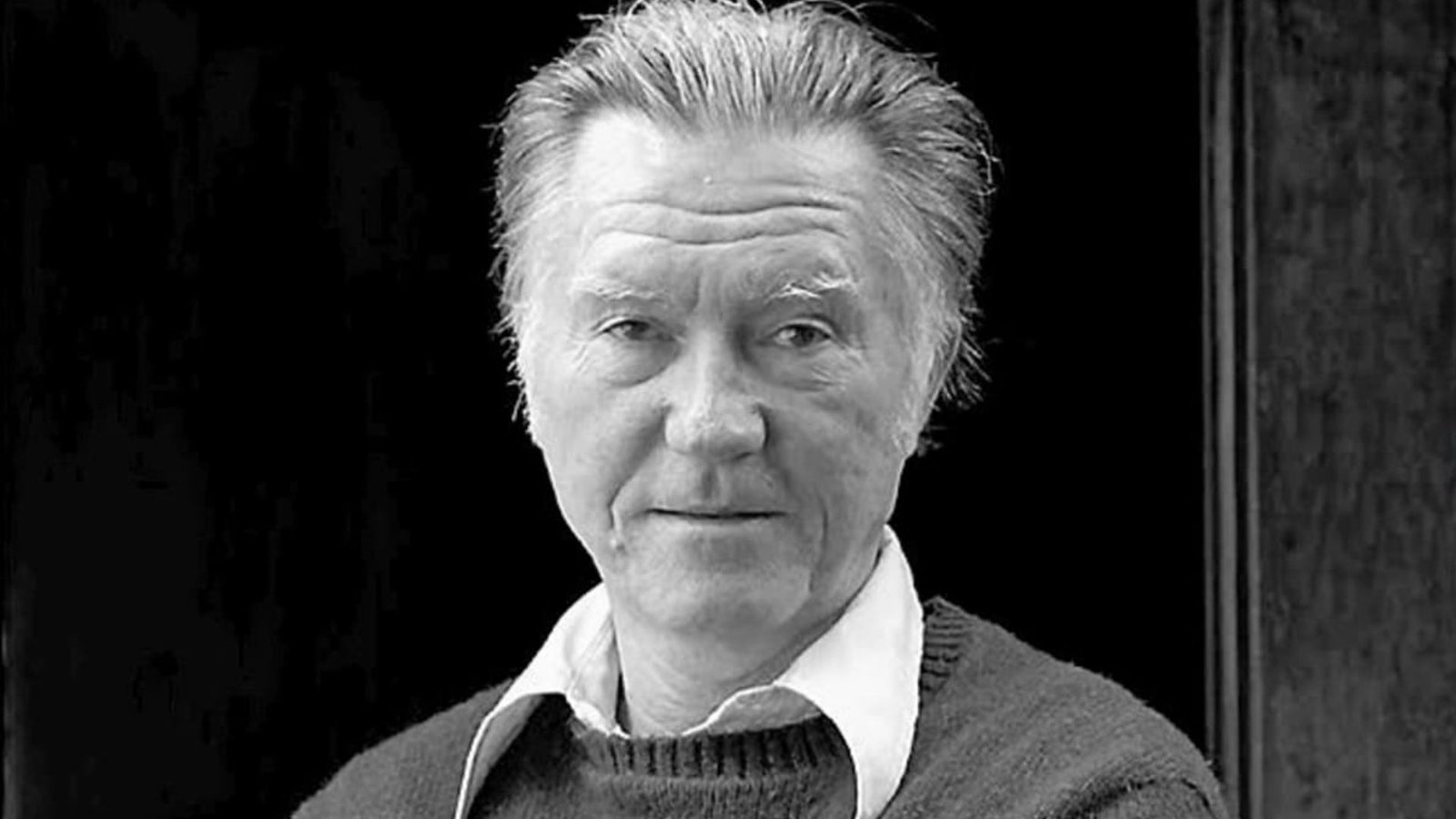
William Stafford
Often compared to Robert Frost, William Stafford dives deep into the sublime existing in every day ordinary situations, things, and thoughts, with a yearning to discover the ultimate purpose in our lives. He describes himself as “one of the quiet of the land.” He uses themes of the human condition, spiritual and philosophical depth, life, and moments. Stafford writes of mountainsides, riverbanks, open fields, and road sides. Deceptively simple poetry that reveals a unique, gentle, mystical, and complex way into the heart of the world. Stafford warns us to not forget “To walk anywhere in the world, to live now, to speak, to breathe a harmless breath.” He gave us a mission, “Your job is to find what the world is trying to be.”
Kansas born Stafford (1914- 1993) became the U.S. Poet Laureate in 1970, won the National Book Award, and the Robert Frost Medal. Studies at University of Kansas and University of Iowa, teaching at Lewis and Clark College. Favorite poems: Ask Me, Vocation, Traveling Through the Dark, Fifteen, The Way It Is, Listening, A Ritual to Read to Each Other, One Home, Waking at 3 a.m.
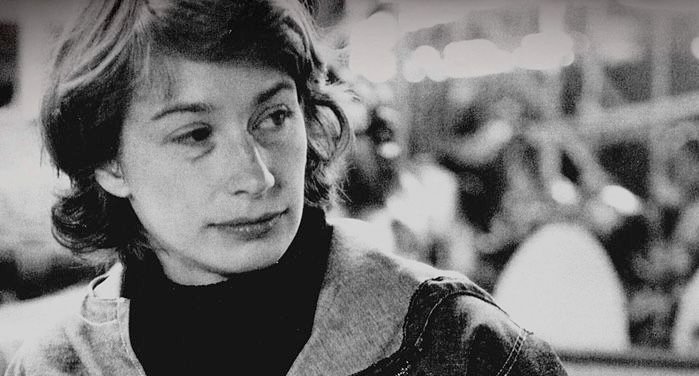
Mary Oliver
Mary Oliver is a top selling poet in the U.S. Known for her beautiful and composing emotional images and feelings about Nature and her solidary walks in the wild, getting back to the land, observing wild animals, and experiencing scenic beauty away from the stress and clutter of urban society. Her poems touch on profound themes of our inner psyche reflected in the world around us and the underlying invariant sublime in all everyday things. Her works have a practical awareness and yet are in touch with a deep spiritual awe of the natural world. She utilized a plain, accessible language with clarity and simplicity that is very accessible.
Oliver (1935 to 2019) grew up in Ohio. She is one of the bestselling American poets, being awarded the National Book Award and a Pulitzer Prize. Studies at Vassar, Ohio State, teaching at Case Western, Buckell, and Bennington. Favorite poems: Wild Geese, The Summer Day, The Swan, When I Am Among the Trees, When Death Comes, Why I Wake Early, Night and the River, White Night, Starlings In Winter.
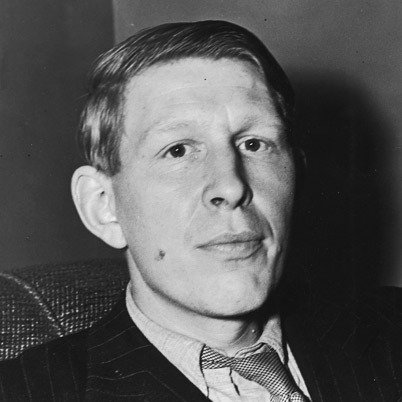
W.H. Auden
W.H. Auden has a reputation as one of the most talented, creative, and influential poets of the 20th Century. He is known for his unique style, complex language, technical mastery, clarity of thought, extraordinary intellectual depth, and moral insight. Auden’s poems cover subject matters of morals, love, religion, and the human condition.
W.H. Auden (1907-1973) British-American poet and playwright, study and teaching at Oxford. Accolades: Pulitzer Prize, National Book Award.
Favorite poems: As I Walked Out One Evening, Lullaby, Musee des Beaux Arts, The More Loving One, Funeral Blues, September 1, 1939, Autumn Song, The Shield of Achilles, The Fall of Rome.
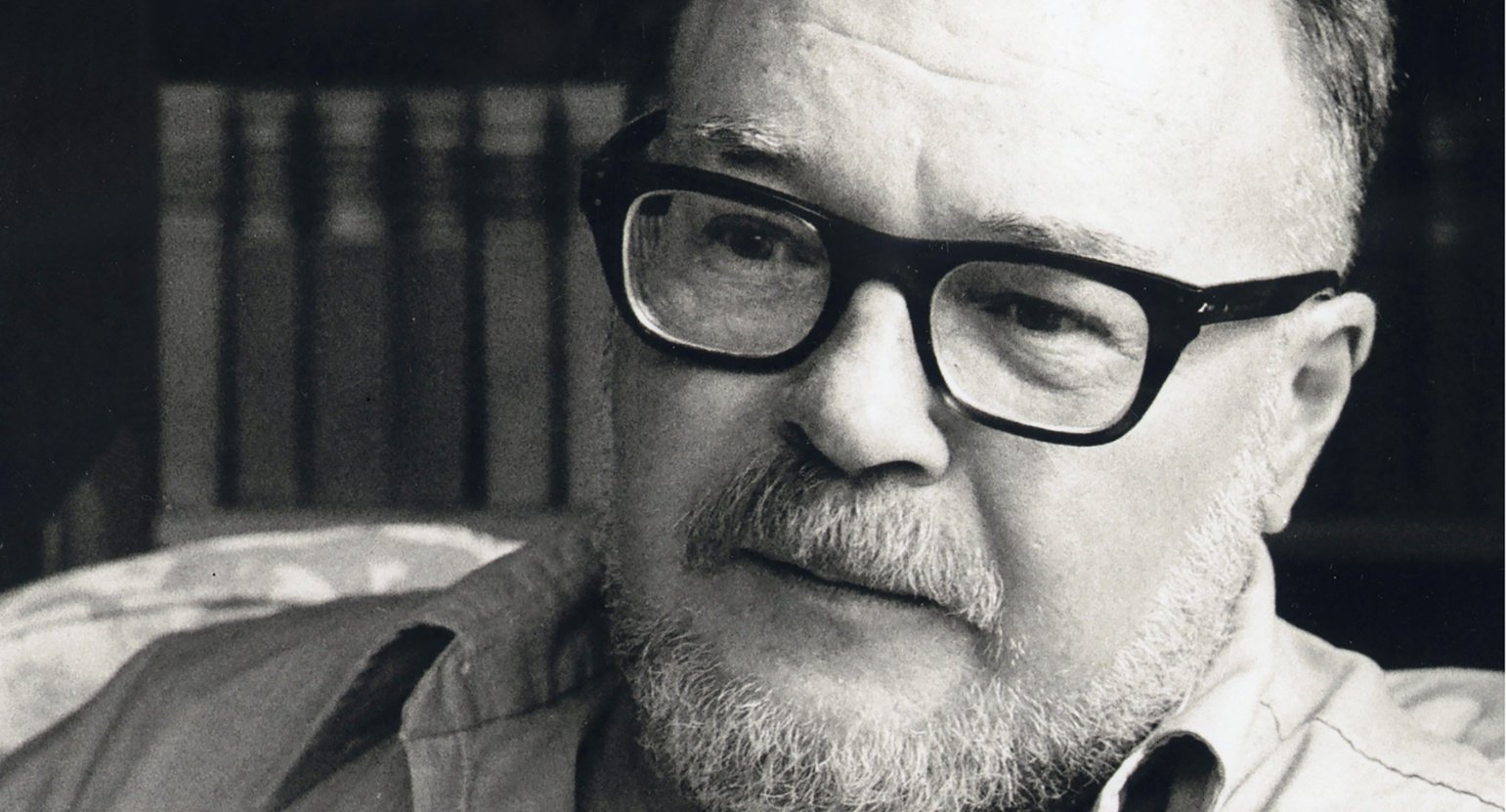
James Wright
James Wright is one of the finest American contemporary poets admired by critics and fellow poets for his willingness to experiment with language and style. He is known for his Midwestern rural landscapes and small towns, often using dreamlike imagery and pastoral surrealism. Wright uses a plainspoken language which is simple and natural that carries enormous emotional and philosophical force. He uses dark themes of separation, death, grief, loneliness, and social outsiders and outcasts.
James Wright (1927-1980), American poet, from Ohio, study at Kenyon College, Washington University. Accolades: Pulitzer Prize.
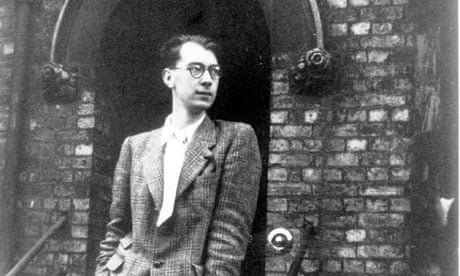
Philip Larkin
One of England’s most popular poets, commonly referred to as “the other poet laureate” and the “peoples poet.” Using ordinary language and playful wit, Larkin is accessible, appealing, and approachable to all readers. He focuses on simple observations which become darker, and often disturbing, with more complex meaning and the realities of modern life. His vivid imagery deals with ordinary things, trains, rented rooms, weddings, libraries, hospitals, aging, and other aspects of contemporary English life.
Philip Larkin (1922-1985) British poet, novelist, jazz critic, librarian, study at Oxford, accolades: Queen’s Gold Medal. Favorite poems: Aubade, An Arundel Tomb, Afterwards, The Trees, The Mower, Mr. Bleaney, Toads, Church Going, Here, Going Going.
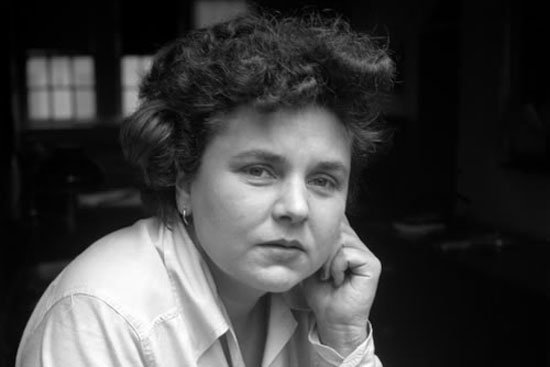
Elizabeth Bishop
Considered one of the most important and highly respected poets of the 20th Century. Elizabeth Bishop is a true representative of Robert Frost’s clarity, restraint, and emotional depth. She is known as a master of her craft, perfectionist of details, polished form, and exquisite observation. Bishop is a master of the art of communication of what is unsaid. She focuses on the great subtlety on impressions and care of small things in the world. Her vivid imagery is of familiar objects and places, factories, farms, small villages. She deals with loss, childhood, grief, belonging, yearning, Nature, and the human condition.
Elizabeth Bishop (1911-1979) Massachusetts, American poet, short story writer, editor, painter, study at Vassar, teaching at University of Washington, Harvard, and MIT. Accolades: Pulitzer Prize, National Book Award. Favorite poems: One Art, Sestina, In the Waiting Room, Questions of Travel, Filling Station, The Armadillo, The Fish, The Moose.
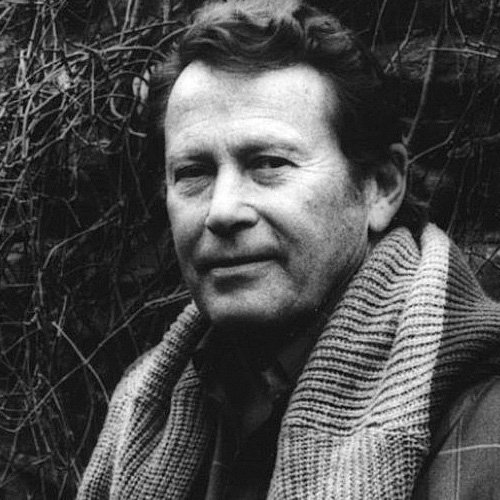
Richard Wilbur
Richard Wilbur is considered a natural heir of Robert Frost’s poetic style. He is a master craftsman writing with precision, grace, lucidity, irony, and restraint. “Easy to read with an astounding verbal music and thoughtfulness that invites sustained reflection,” Washington Post. “A poet for all of us whose elegant words brim with wit and paradox,” Library od Congress.
Richard Wilbur (1921-2017) New York, American poet, playwright, translator, children’s books, study at Amherst College and Harvard, teaching at Wellesley, Wesleyan, Smith, and Amherst. Accolades: U.S. Poet Laureate, Pulitzer Prize, National Book Award, Robert Frost Medal.
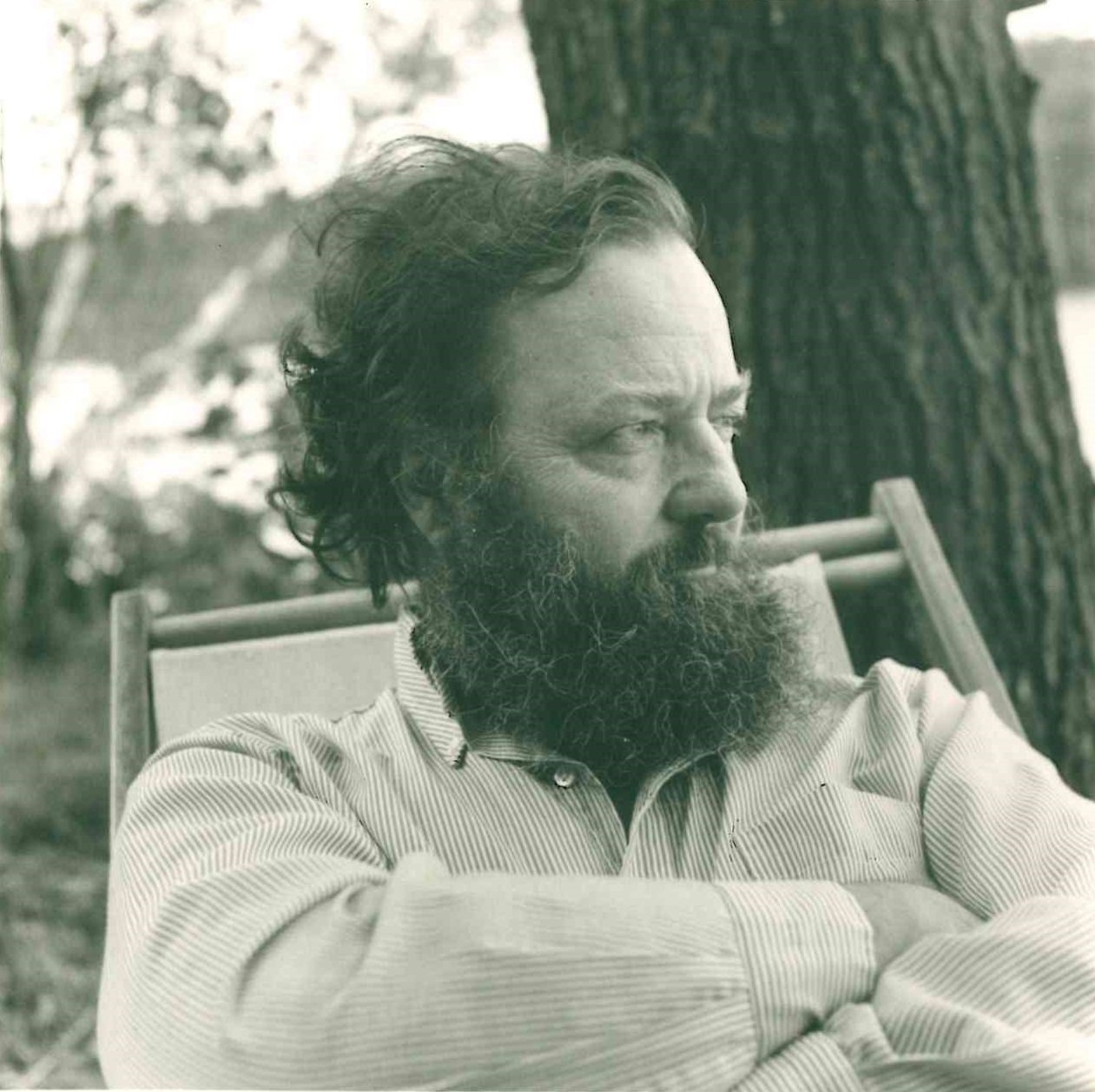
Donald Hall
Donald Hall (1928- 2018) is considered one of the best and most popular American contemporary poets. A prolific writer of poetry, literature, biography, plays, textbooks, essays, children’s books, and journalism. His poetry speaks about ordinary people and things but delves deep under the surface to unveil mysteries and secrets in the world and in ourselves. He casts a somber, often ironic, plain spoken mood that makes us stop and reflect. Many of his themes are about rural living, New England, Nature, baseball, while others confront the issues of illness, loss, and death.
Hall has degrees from both Harvard and Oxford, with teaching at the University of Michigan, Bennington College, and Stanford University. Editor of the Paris Review and the Poet Laureate of the United States. Has numerous awards, including the National Book Award, Guggenheim Fellowship, Robert Frost Medal, and a Pulitzer Prize nomination. Favorite poems: Affirmation, Names of Horses, Gold, Distressed Haiku, Wolf Knife, the Things, The Sudden Thing, The Painted Bed, The Seventh Inning, Oxcart Man.
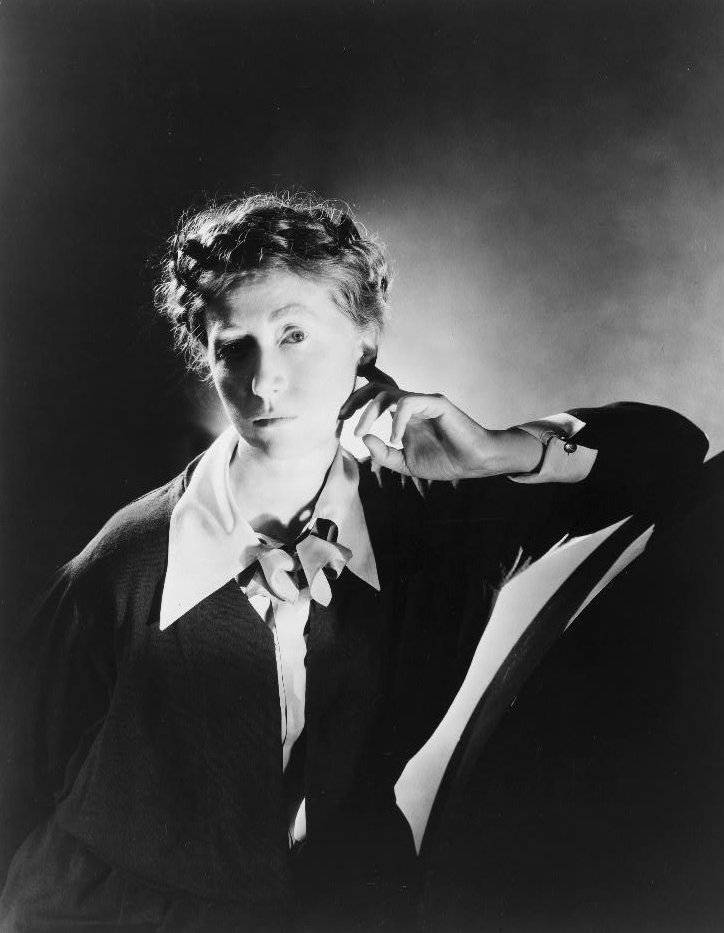
Marianne Moore
Marianne Moore is one of America’s foremost poets, considered a ‘poets’ poet’. She is known for her moral and intellectual insights, integrity, restraint, modesty, humor, discipline, distinguished language precision, meticulous attention to detail, keen and probing descriptions, and acute observations of people, places, animals, Nature, and art. Moore balances the ordinary and the extraordinary. Her primary themes include moral character, independence, honesty, human experience, and the integration of art and life.
Marianne Moore (1887-1972), Massachusetts, American poet, critic, translator, study at Bryn Mawr College, accolades: Pulitzer Prize, National Book Award. Favorite poems: Poetry, Marriage, The Fish, An Octopus, What are Year, Silence, A Paper Nauitlus, Bird Witted, Nevertheless, No Swan So Fine, To a Steam Roller, The Mind Is an Enchanted Thing.
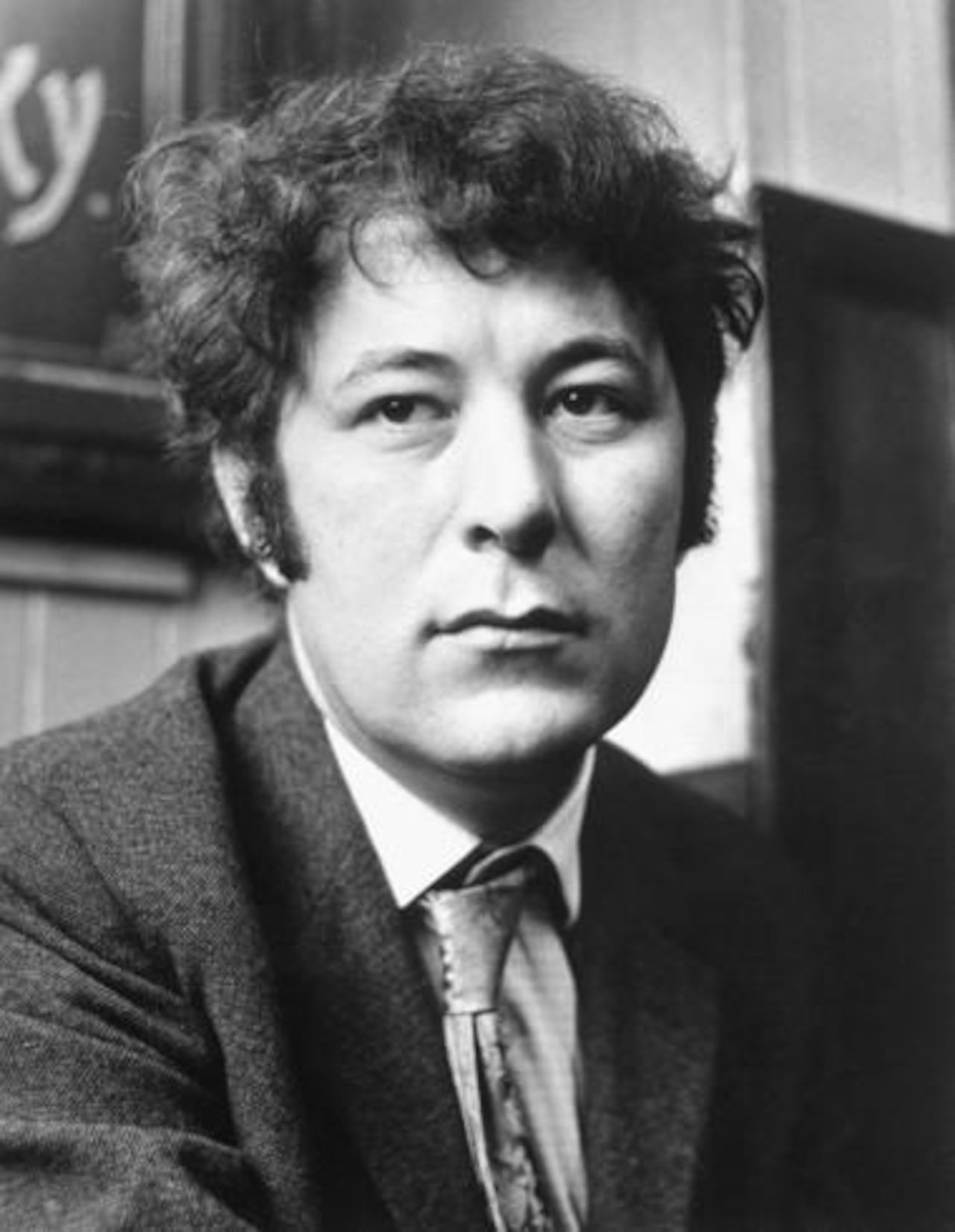
Seamus Heaney
Considered the greatest Irish poet since William Butler Yeats, Seamus Heaney is a rare poet both praised by critics and popular with the common reader. Upon awarding the Nobel Prize the judges said “for work of lyrical beauty and ethical depth which exalt everyday miracles and the living past.” Heaney has a rare gift of storytelling and captures everyday items, events, and rural life in simple detail then transforms into profound reflection. He writes of Irish rural life, farms, fields, peatbogs, family, labor, animals, history, and culture.
Seamus Heaney (1939-2013) Irish poet, playwright, translator, study Queen’s University, teaching Oxford, Harvard, UCLA, accolades: Nobel Prize. Favorite poems: Digging, A Call, Mid-term Break, Blackberry Picking, Death of a Naturalist, The Tellund Man, St. Kevin and the lBird, Follower, The Forge, Punishment, Scaffolding.
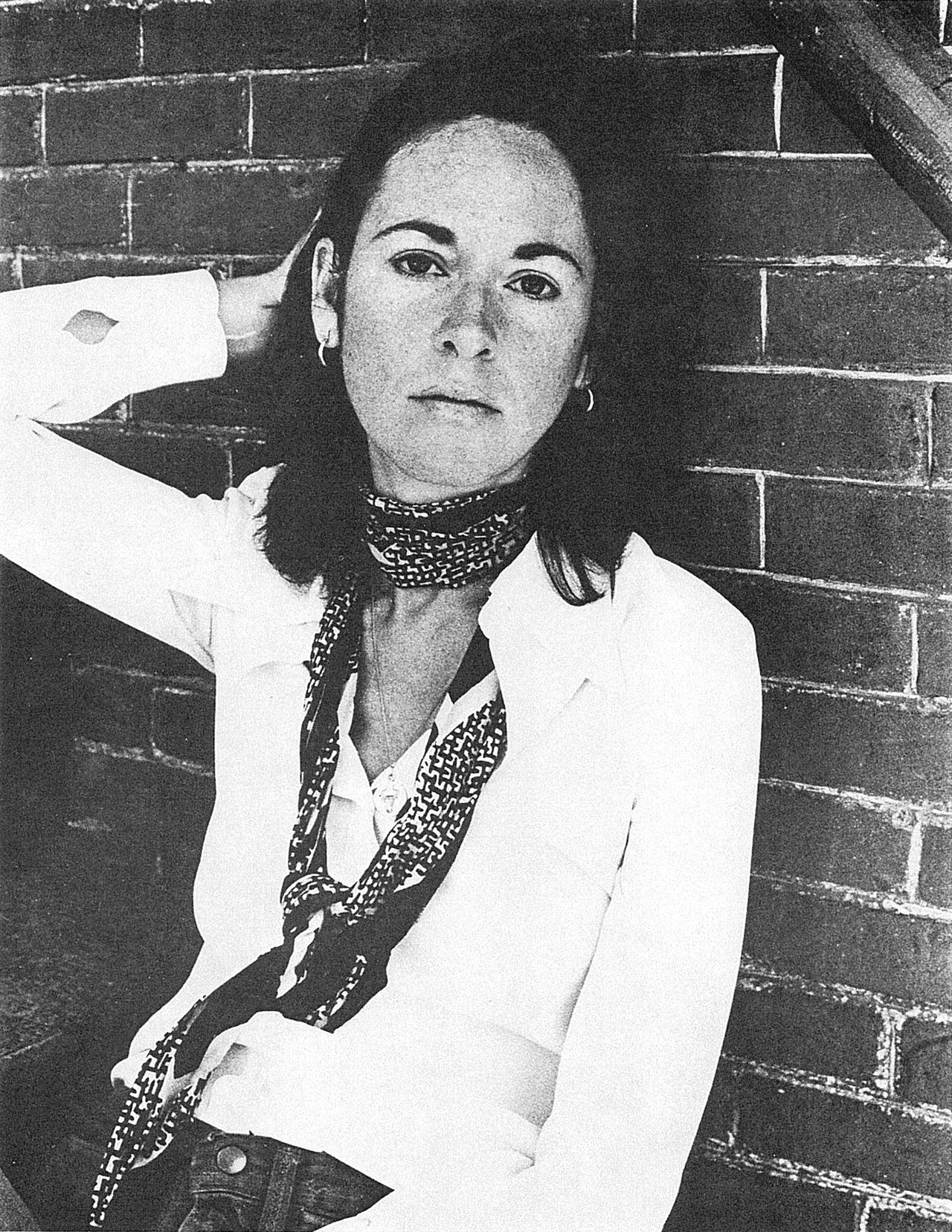
Louise Gluck
Nobel Prize winner Louise Gluck is of that rare type of pure genius who stands far beyond reach from us mere mortals. Considered America’s most talented and accomplished contemporary poet. She is a master of making the complex simple and accessible, relating to common people, making her one of the most popular poets worldwide. When awarding Gluck the Noble Prize judges acclaimed her “unmistakenable poetic voice with austere beauty and profound insite into individual existence and universals.” The Poetry Foundation states, “She is known for her technical precision, sensitivity, and insight into loneliness, family relationships, divorce, death, and despair. She balances interpersonal introspection with a universal reasoning.”
Louise Gluck (1943-2023) New York American poet, essayist, schooling at Columbia University, Sarah Lawrence College, teaching at Yale and Stanford. Accolades: Nobel Prize, Pulitzer Prize, U.S. Poet Laureate, National Book Award. Favorite poems: The Wild Iris, Vito Nova, Averno, Cross Roads, The Myth of Innocense, Burning the Leaves, October, Celestial Music, The Red Poppy, The Triumph of Achilles, Parable of the Hostage, A Village Life, Much Orange.
References
Poets
- Academy of American Poets
- Boohdna
- Indian Express
- Goodreads
- Poetry Foundation
- Poetry Society of America
- Star Bookmark
Poetic Aesthetic
- On Naïve and Sentimental Poetry, Friedrich Schiller, 1795.
- A Defense of Poetry, Percy Bysshe Shelley, 1840.
- The Poetic Principle, Edgar Allan Poe (1809- 49).
- A Poetry Handbook, Mary Oliver, Harcourt Brace, NY, 1994.
- Proofs and Theories, Louise Gluck, Ecco, 1994.
- Nine Gates: Entering the Mind of Poetry, Jane Hirshfield, Harper, NY, 1997.
- Crossing Unmarked Snow, William Stafford, University of Michigan, 1998.
- The Poetry Home Repair Manual, Ted Kooser, University of Nebraska, 2005.