Red, white, and boom, forget the speech, fire the guns and why Battleship deserves another broadside look. The history lesson, why the USS Missouri matters, before Battleship turns the USS Missouri into the world’s angriest museum exhibit, the ship already carries enough historical weight to dent the ocean floor. The USS Missouri BB-63, better known as Mighty Mo, was an Iowa-class battleship launched in 1944 and sent into the Pacific theater in early 1945.
She fought at Iwo Jima and Okinawa, supported air strikes, hammered shore positions, and entered the war as one of America’s final great steel leviathans. But her defining moment came on September 2, 1945, in Tokyo Bay. On her deck, Japan formally signed the instrument of surrender, bringing World War II to its official close. The Battleship Missouri Memorial puts it simply, on the decks of USS Missouri, WWII finally came to an end.
Simple sentences, monstrous significance, because that means the Missouri is not merely hardware, she is a stage. She is where the Pacific war closed, where the largest conflict in human history stopped being fire, blood, and thunder.
It became ink, ceremony, and memory, she is not just a battleship; she is the floating punctuation mark at the end of World War II, that is not the kind of résumé you toss into a blockbuster by accident. Nor did she stop there, after World War II, the Missouri served again in the Korean War, providing naval gunfire support, including during the Hungnam evacuation.
Decades later, because apparently retirement is for quitters and lesser machines, she was modernized, recommissioned in the 1980s, and sent back into service for the Gulf War. There, she became the first battleship to fire Tomahawk cruise missiles at Iraqi targets. So, by the time Battleship rolls her onto the screen, this is not some creaky old tub dragged out for patriotic set dressing.
This is a warship with history in her bones: World War II, Korea, and the Persian Gulf. Roughly five decades of service, steel, smoke, and national memory bolted into one 887-foot silhouette. Her retirement only adds to the myth. The Missouri was decommissioned for the final time in 1992, struck from the Naval Vessel Register in 1995, and donated in 1998 to become a museum ship at Pearl Harbor.
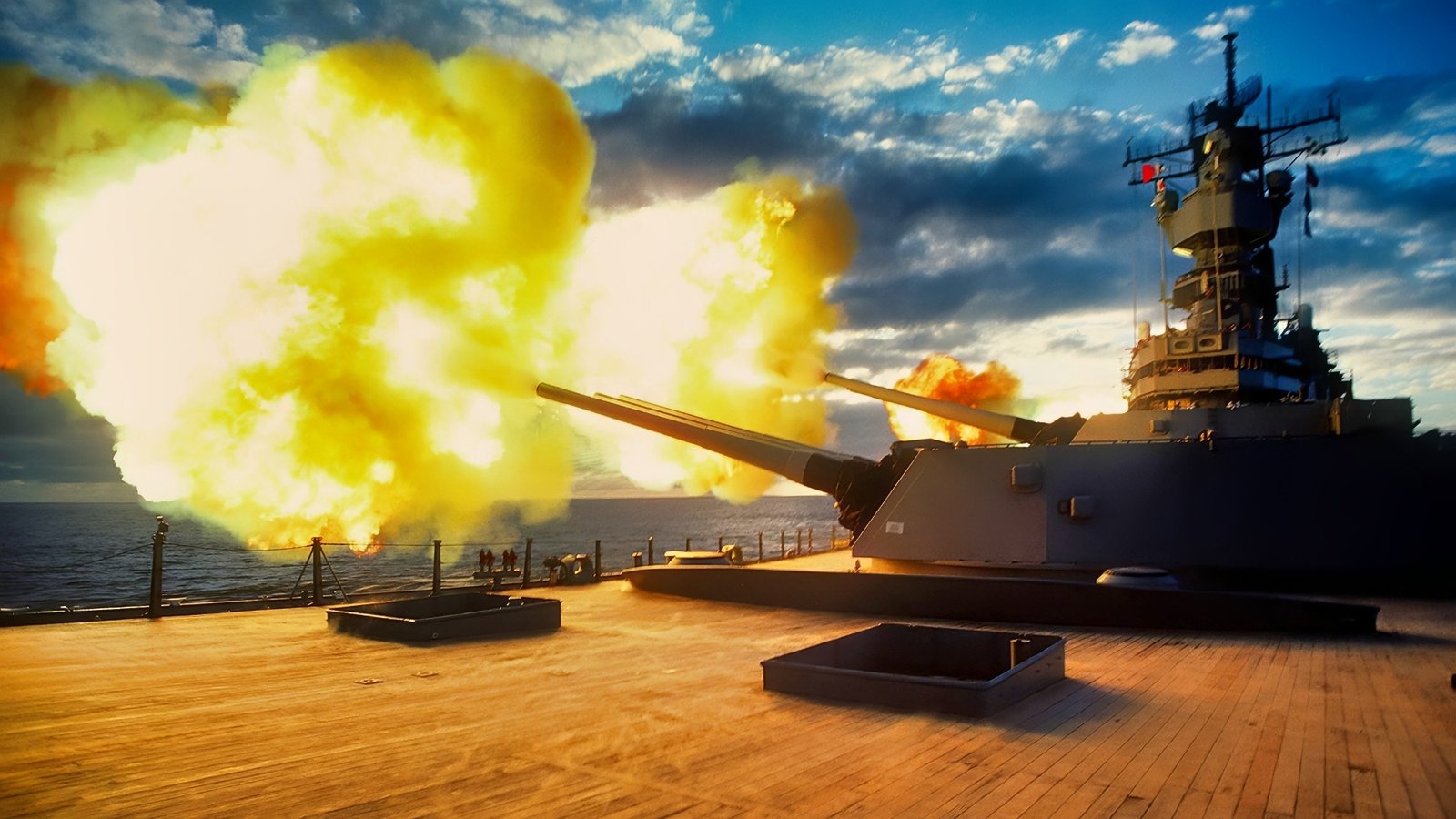
A monument, relic and a sleeping dragon with sixteen-inch teeth. That is why her appearance in Battleship lands so hard, the film is not just saying, look, big guns. Though, yes, obviously, look at the big guns, we are only human. It is doing something much more potent, it is waking up American naval memory. The ship that stood beneath the surrender of Imperial Japan gets one last fictional broadside against an alien invasion.
Is it realistic, absolutely not. Subtlety left the harbor three explosions ago but is it glorious. Yes, because when the USS Missouri comes back to life in Battleship, the movie stops being just a loud alien-invasion spectacle and briefly becomes a myth, the old warhorse rising from Pearl Harbor, crewed by veterans, aimed at the impossible, and the future of the world is at stake.
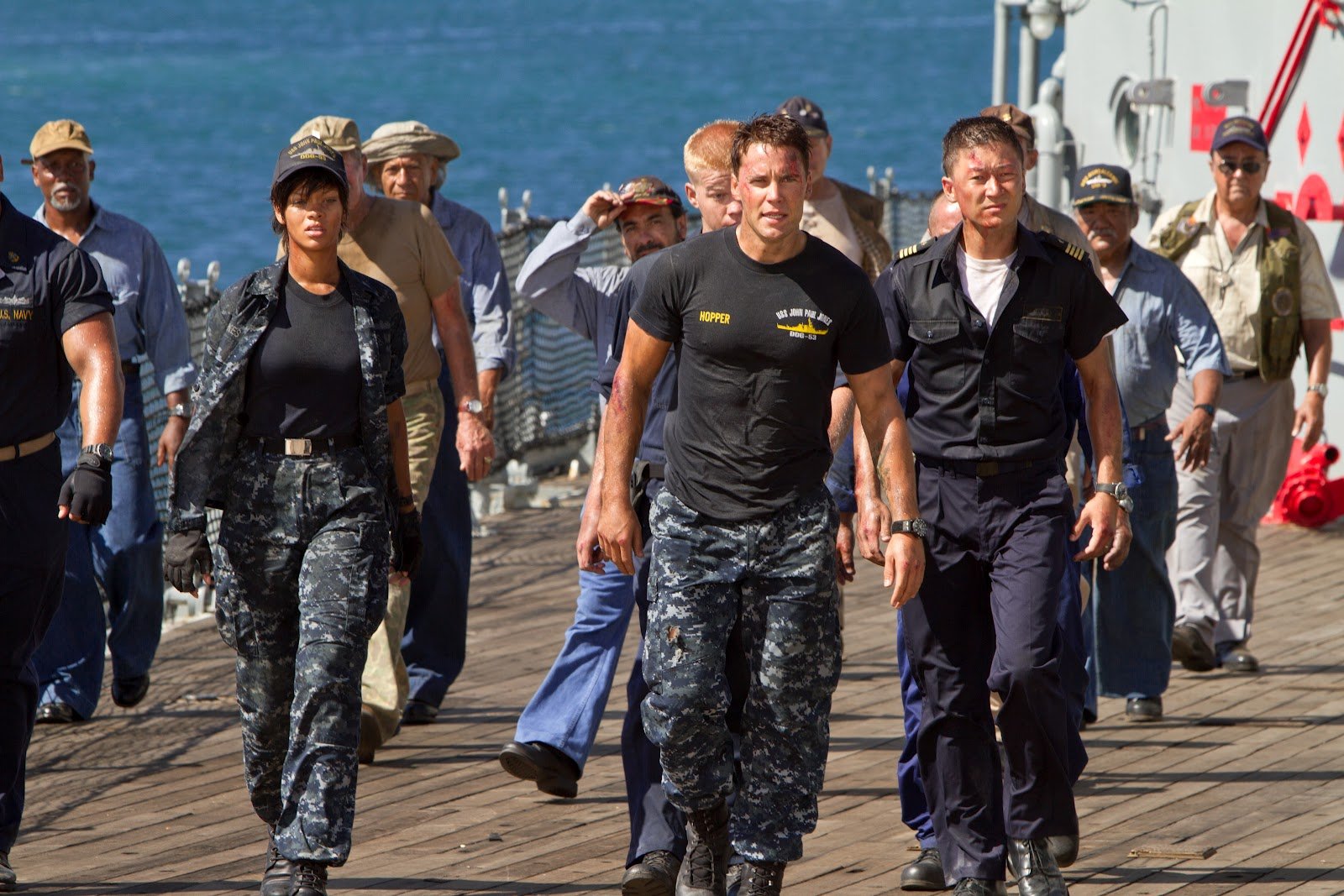
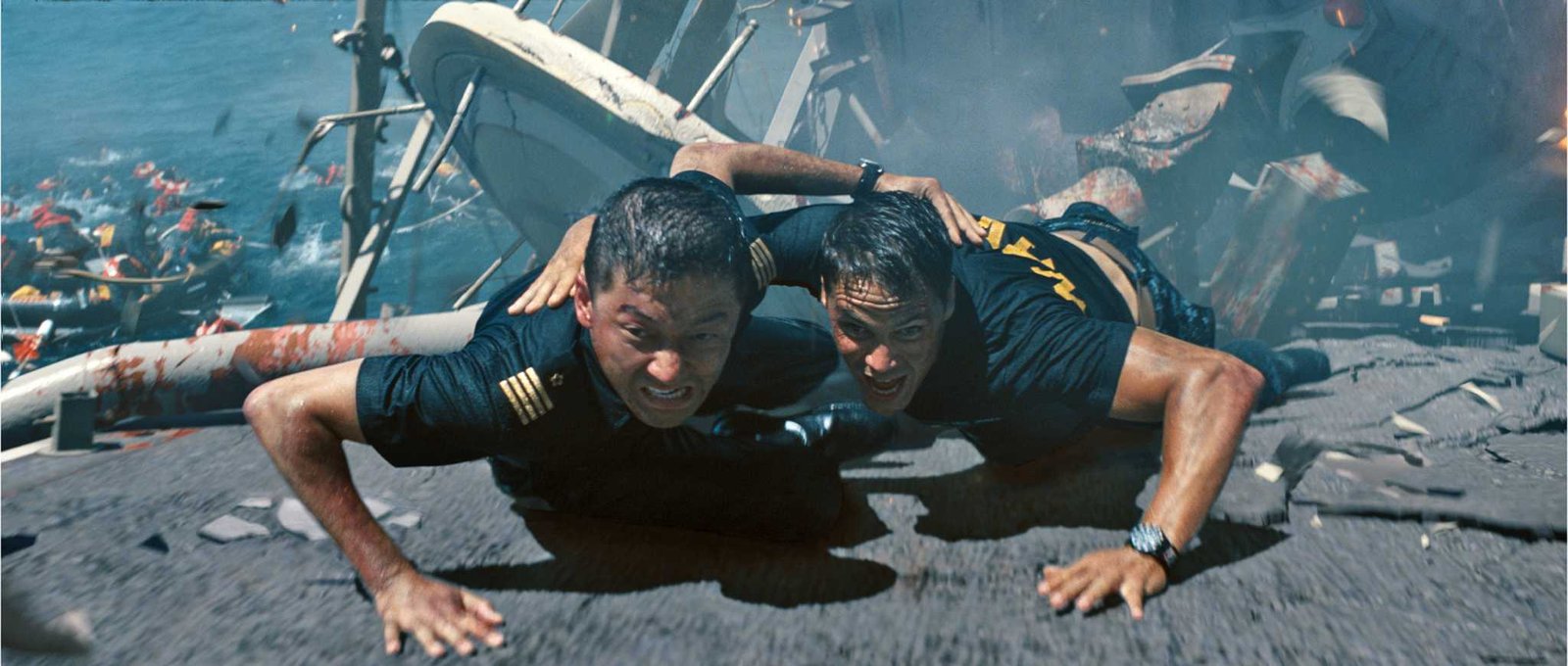
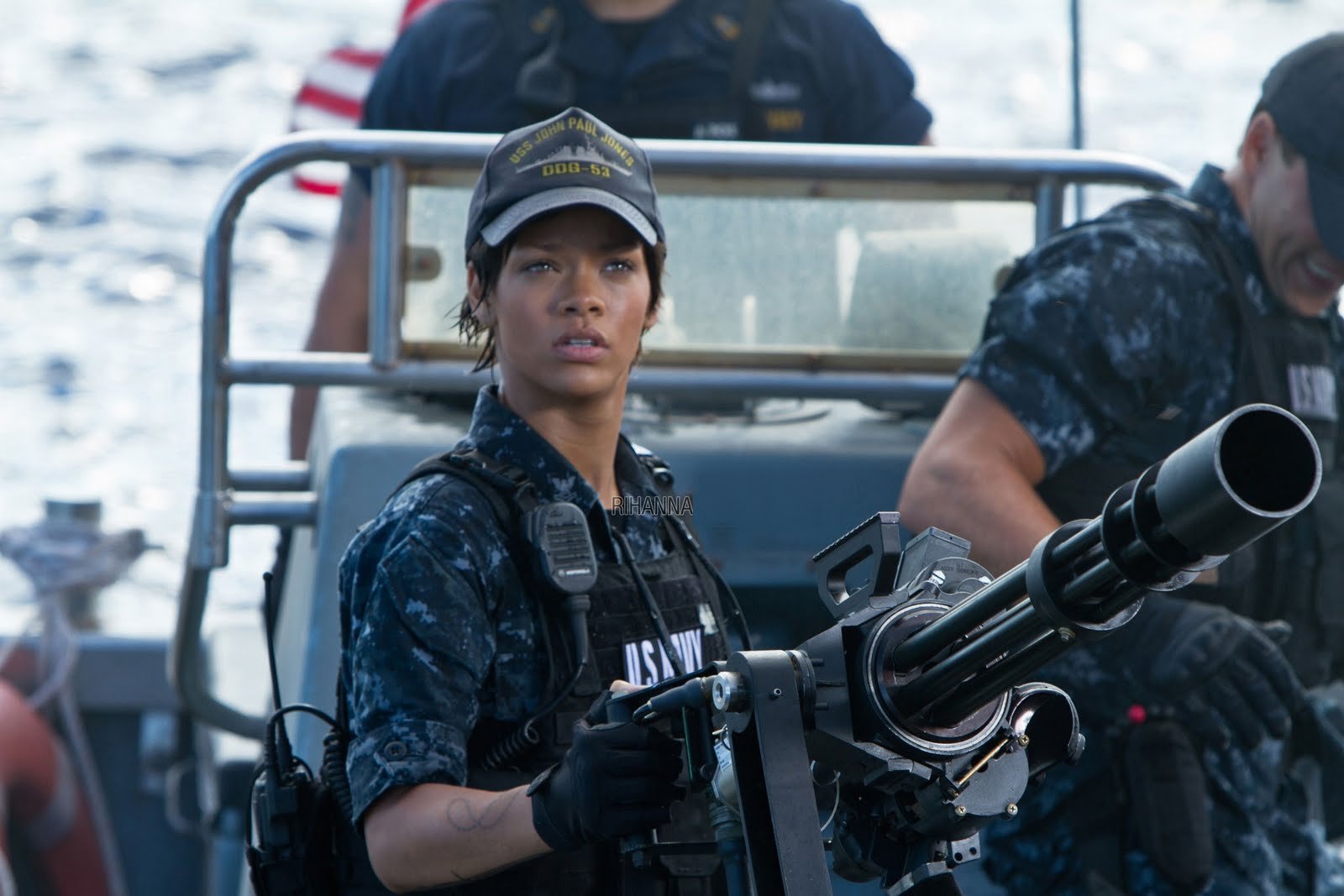
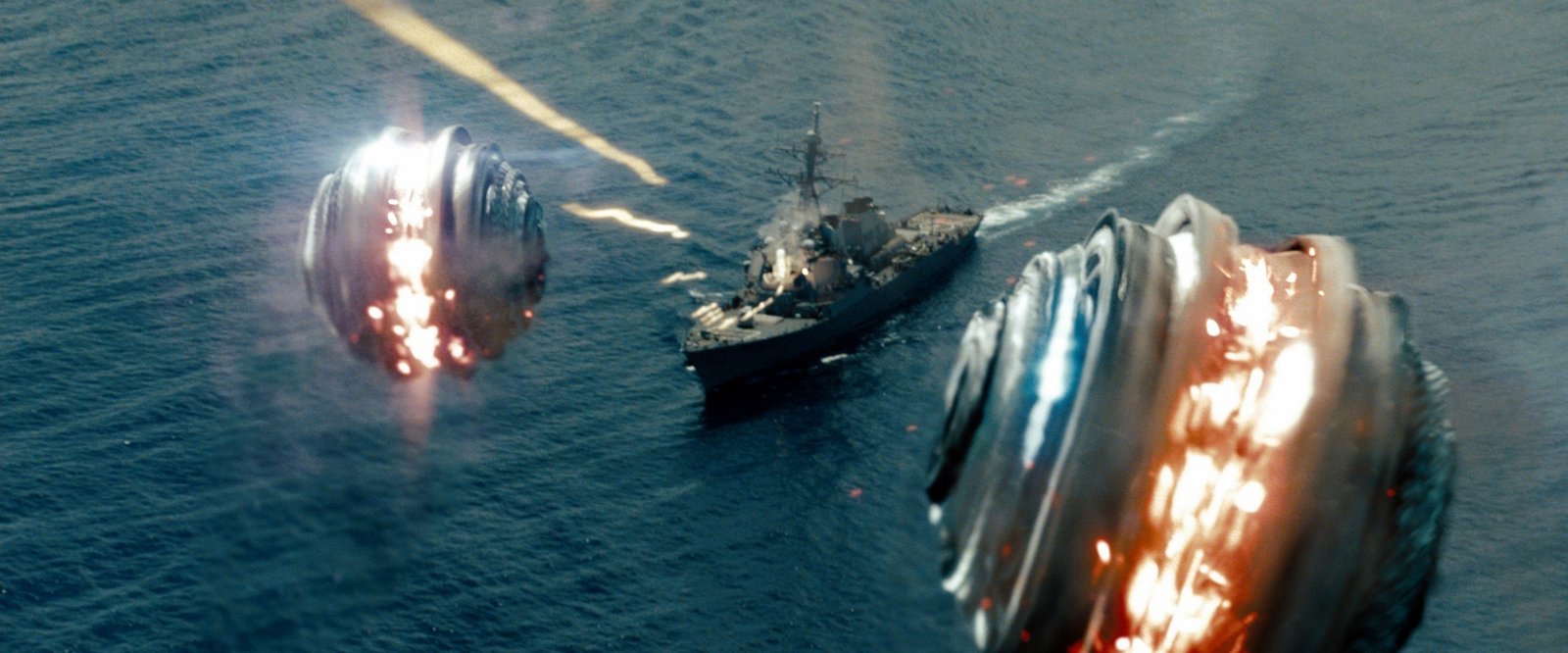
The fleet structure, new Navy bleeds, old Navy roars, and the USS John Paul Jones is the real operational hero for most Battleship. She is the modern Navy in full, aegis systems, guided missiles, radar screens, speed, coordination, and digital warfare. Hopper’s command arc happens there, the ship becomes his trial by fire. The USS Sampson is the sacrifice, Stone Hopper is competent, disciplined, and respected, so when his destroyer gets erased, the movie is making a point, the aliens are not just target practice.
They can kill the best thing in the room, the JS Myōkō gives the movie one of its smarter emotional pivots. Nagata starts as Hopper’s rival, loses his ship, and becomes the tactical brain Hopper needs, that U.S.-Japanese partnership also quietly echoes the Missouri’s history. The USS Ronald Reagan is the locked-out giant.
All that carrier-group power is sitting outside the dome, useless until the barrier falls. It makes the forcefield work dramatically, the cavalry exists, but the heroes cannot use it yet. Then there is the USS Missouri, she is not a workhorse, the modern destroyers do the fighting, bleeding, learning, improvising. John Paul Jones earns the movie. But the Missouri crowns it.
She arrives when the sleek digital Navy has been battered into humility, and the story needs something older, heavier, meaner, and mythic. The film commits to its premise one of the most refreshing things about Battleship is that it never spends a single second apologizing for what it is. That sounds like a small thing, it doesn’t. Modern blockbuster filmmaking has developed a strange habit of being embarrassed by itself.
A movie presents a ridiculous premise, then immediately sends a character to the front of the screen to reassure the audience that everyone involved understands how ridiculous it is. Someone cracks jokes and someone makes a sarcastic comment. The film effectively asks for permission to exist, but Battleship does not do that, not once.
The premise is objectively absurd, aliens arrive in the Pacific, a handful of naval vessels become trapped beneath a forcefield. An international fleet fights a technologically superior extraterrestrial enemy. Eventually a museum battleship from World War II gets dragged back into combat, most films would spend half their runtime winking at the audience. Battleship simply proceeds as though this is the most natural sequence of events imaginable, and that commitment becomes one of its greatest strengths.
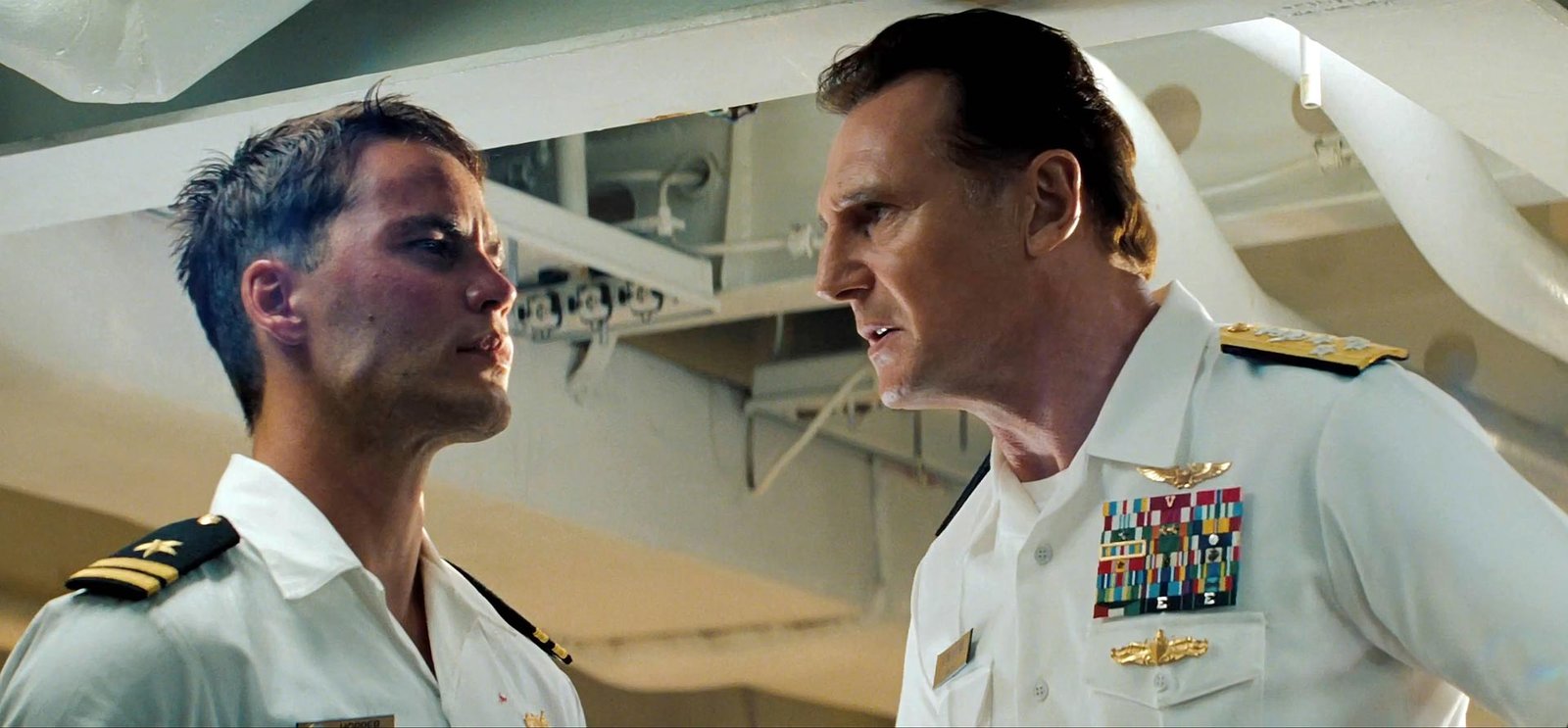
No One Is smirking at the camera, the characters treat the situation exactly the way actual sailors would treat it. With confusion, fear, and determination. When the aliens attack, nobody pauses to make a meta-commentary about how crazy everything is. Nobody references science fiction movies or turns to the audience and effectively says, “Can you believe we’re doing this?” The threat is real, the casualties are happening, and the stakes are very high.
Therefore, the characters respond as though they are real, that grounding matters. Because the audience takes cues from the people on screen. If the characters treat the events seriously, viewers are far more likely to become emotionally invested. The moment a film starts mocking itself, it gives the audience permission to stop caring. Battleship never makes that mistake, the hardware is treated with respect this commitment extends to the military side of the story as well.
The ships are not magical fantasy props, they are portrayed as complex machines operated by trained professionals. The film takes obvious pleasure in showing how these vessels function, radar systems, missile batteries, damage control, navigation, weapons crews, and command decisions. You may not understand every detail, but the movie clearly respects the process.
The sailors aren’t superheroes, they’re sailors, that distinction gives the action weight. Victory comes from competence rather than destiny, the emotional moments stay earnest. Perhaps the biggest surprise is that the film refuses to undercut its emotional beats. The death scenes, leadership moments, camaraderie and most of all, the veteran subplot is played very seriously.
When the Missouri is brought back into action, the movie doesn’t stop to joke about how ridiculous the idea sounds. It presents the moment with complete sincerity. The music swells, the veterans step aboard, the crew prepares the ship. Everyone involved behaves as though they are participating in something meaningful and because the film commits so completely, many viewers find themselves unexpectedly swept up in it.
The audience isn’t laughing at the scene. They’re cheering, sincerity is becoming a lost art, what makes Battleship age better than many blockbusters of its era are that it belongs to a style of filmmaking that has become increasingly rare. It believes spectacles and sincerity can coexist, it believes heroism can be presented without irony. It believes that patriotism can be expressed without embarrassment and believes audiences can engage with an earnest story without requiring a constant stream of self-aware jokes.
Not every movie should operate this way, but when it works, it creates something powerful. There is a unique pleasure in watching a film that looks at an utterly ludicrous premise and responds not with sarcasm, but with conviction.
Why it works the secret is surprisingly simple, Battleship never asks whether its premise is silly. It assumes you’ve already accepted the ticket price and come aboard. Once you’re on the deck, the movie is fully committed, the sailors fight, the ships sail, then the alien’s attack. In the end, to save the day, the veterans return. The guns fire, no apologies, embarrassment or ironic distance.
Just a movie that genuinely believes a battleship can save the world one last time and for those willing to meet it halfway, that confidence is infectious. It transforms what could have been a forgettable corporate product into something much rarer: a blockbuster that wholeheartedly believes in its own legend.
The Fourth of July recommendation, forget the speech, bring back the Battleship. Every Independence Day, America has a ritual. Somebody inevitably posts Bill Pullman’s speech from Independence Day, you know the one. The swelling music. The determined expression. The declaration that humanity will not go quietly into the night is a great scene.
A genuinely great scene, but on America’s 250th birthday, I have a different recommendation. Put the speech away for a night, set aside the presidential monologue. Forget the inspirational montage, instead, pour yourself something cold, find the final battle from Battleship (2012), and watch the USS Missouri wake up one last time. While Pullman gave America a speech, Battleship gave America something even better.
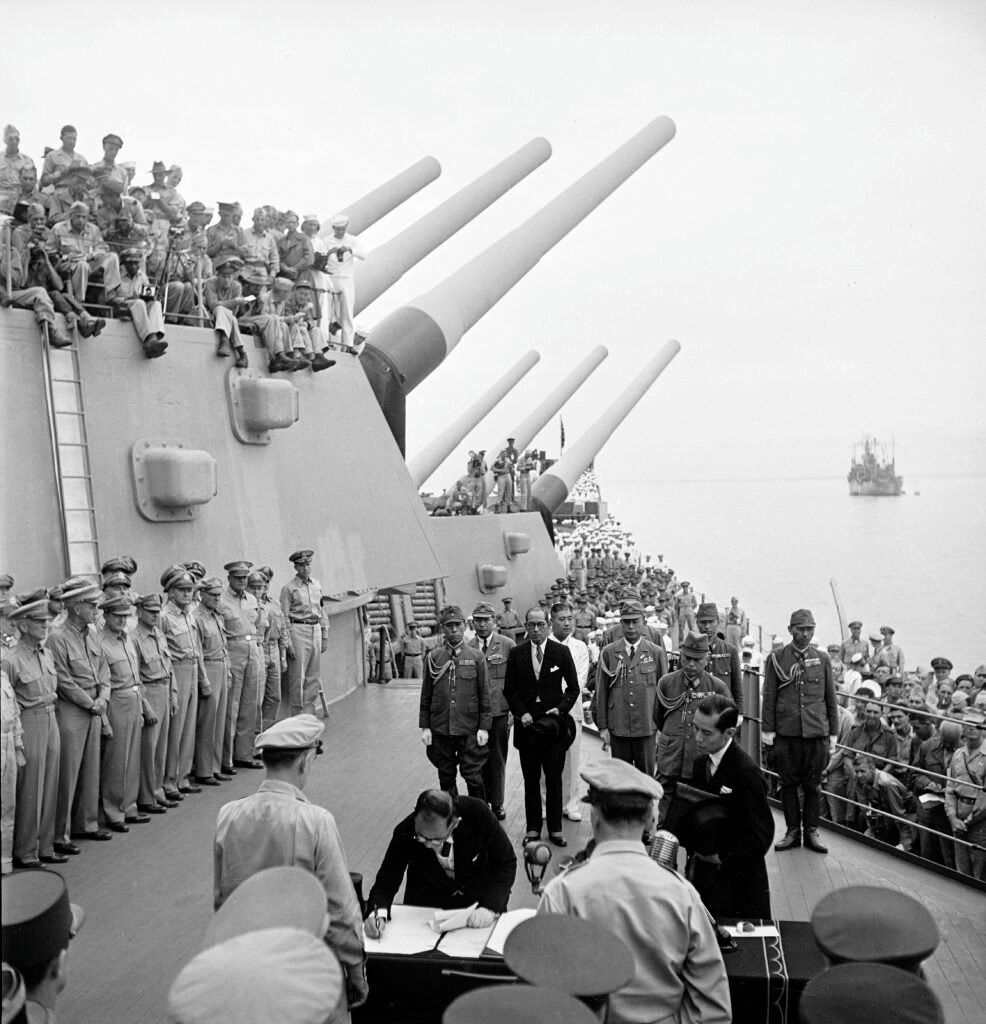
A battleship, the ship that ended a World War, here’s the part that elevates the entire sequence beyond simple blockbuster spectacle. The USS Missouri isn’t just a movie prop. It isn’t a fictional vessel invented by a screenwriter. It is the ship where World War II officially ended, on September 2, 1945, representatives of Imperial Japan boarded the Missouri in Tokyo Bay and signed the Instrument of Surrender on her deck.
Think about that for a moment. The largest war in human history concluded on that ship. Empires fell, nations rebuilt, the modern world emerged, and the Missouri was sitting there at the center of it all. By the time Battleship arrives, she isn’t merely steel and machinery, she’s a floating piece of American memory, a monument with engines and a museum that once carried enough firepower to rearrange coastlines.
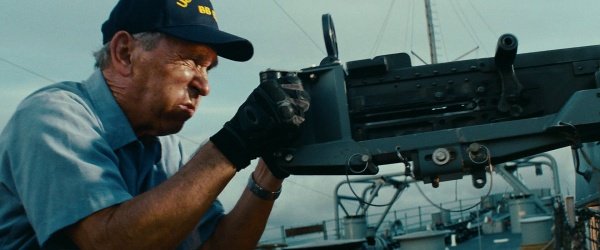
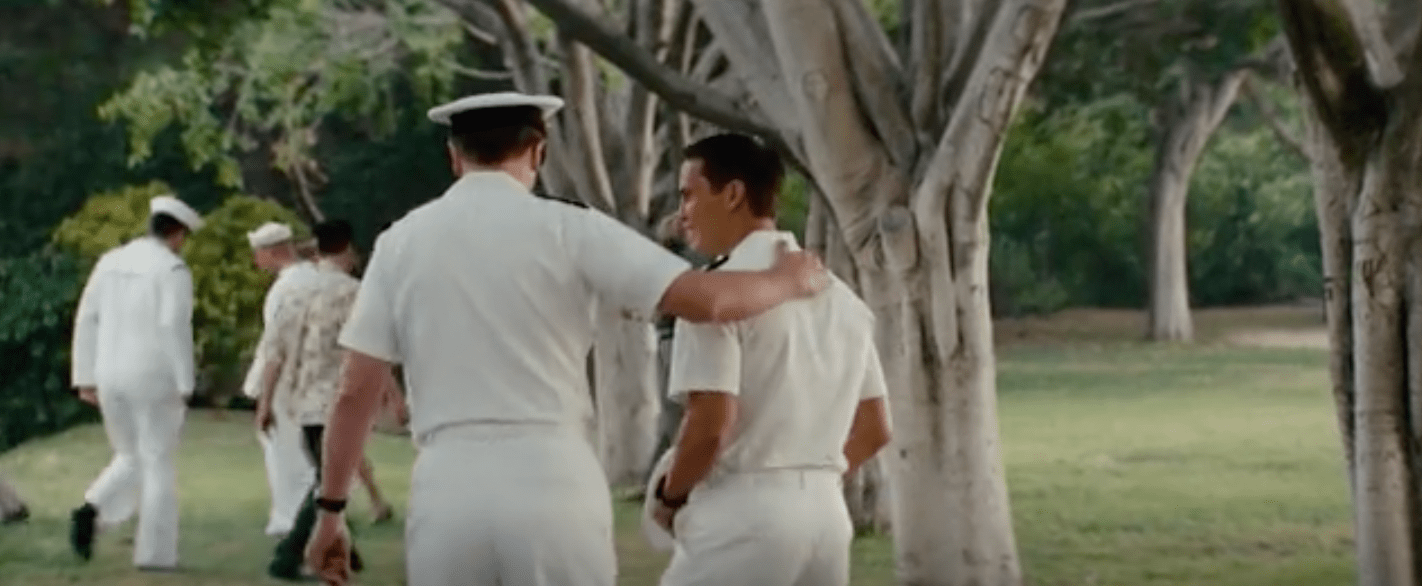
The veterans make the scene, then the film does something unexpectedly brilliant. It doesn’t simply reactivate the ship, it brings aboard real veterans. Not actors pretending to be old sailors, actual veterans connected to the Missouri and her legacy, the camera doesn’t treat them as punchlines. It doesn’t portray them as fragile relics, it treats them with respect. These men know exactly where they are. They know what this ship means, and when they step aboard, the scene gains something that no amount of CGI can manufacture.
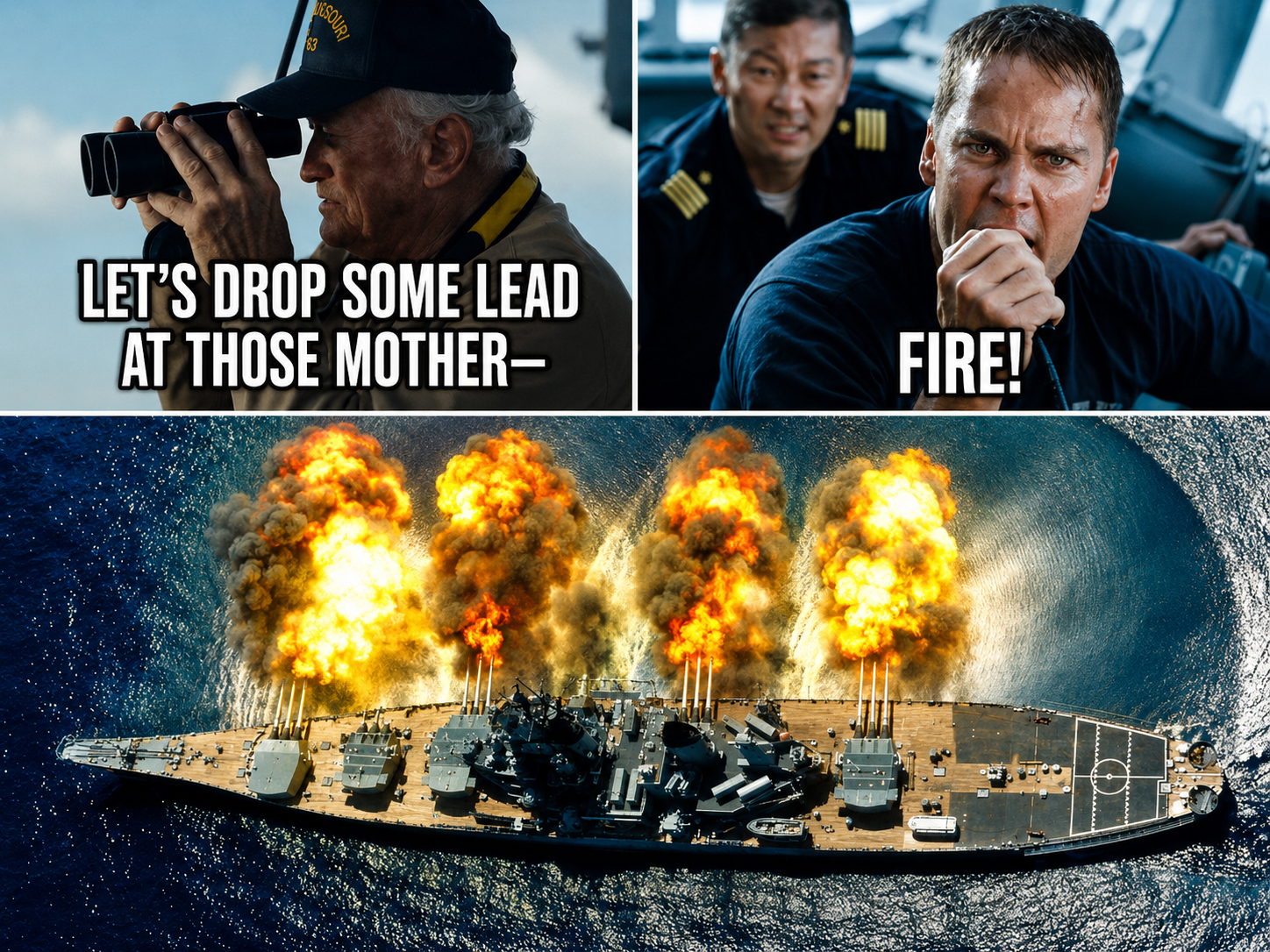
Authenticity, you aren’t just watching the characters, you’re watching the living history. For a few moments, the line between fiction and reality becomes wonderfully blurry. “Let’s Drop Some Lead” Then comes the line, that perfectly encapsulates everything Battleship does right, no grand speech, philosophical reflection. or attempt to sound profound. Just an old sailor looking at an impossible threat and responding the only way an old sailor should.
Sixteen-inch guns erupt, the screen shakes, and the soundtrack practically salutes. The audience becomes twelve years old again and it’s magnificent, not because it’s realistic or sophisticated, because it’s fun. The film understands that a battleship firing a broadside should feel like a religious experience for people who enjoy giant machines making loud noises and it delivers.
American mythology is the older I get, the more I appreciate how completely committed this sequence is. Nobody stops explaining why the Missouri matters or gives a lecture about naval history. They don’t deliver a PowerPoint presentation on the significance of Iowa-class battleships. The film trusts the image, an old warship with an old crew, one last impossible fight.
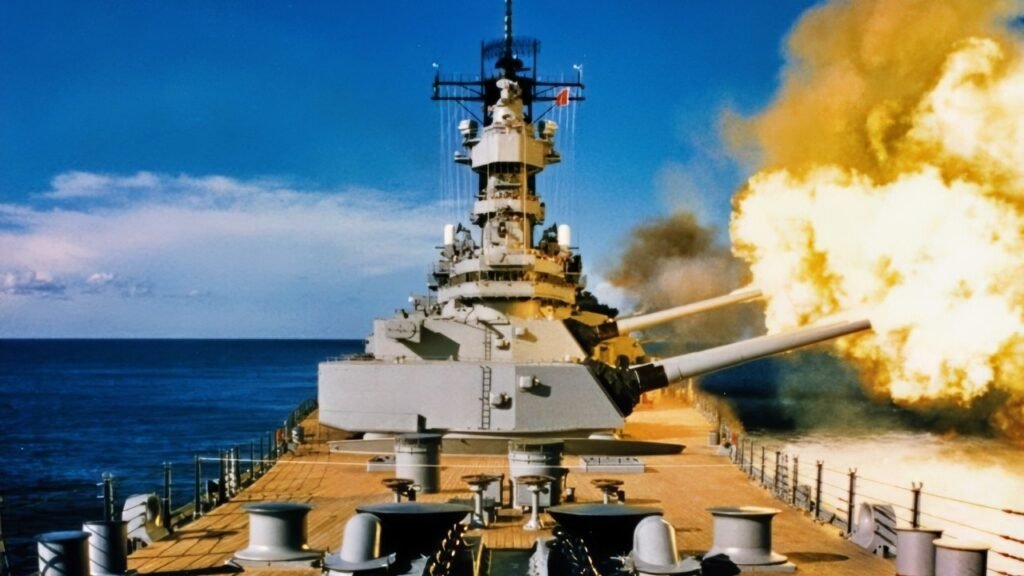
That’s enough. It’s the same mythology that powered westerns, war movies, and adventure stories for generations. The veteran gunslinger saddled up one last time. The knight retrieved the old sword. The retired champion stepped back into the ring. Only in this case does the sword weigh 58,000 tons and carries nine sixteen-inch guns. America does not subtle mythology. America puts mythology in drydock, paints it gray, and equips it with enough artillery to alarm neighboring continents.
Why it works, on the Fourth of July, isn’t merely a celebration of independence. It’s a celebration of continuity, remembering where the country came from. Of recognizing the generations that carried it through difficult moments, that is exactly what the Missouri sequence captures. The young sailors need help, and the veterans answered. The old ship sails again, past and present stand on the same deck and for one ridiculous, glorious stretch of cinema, history itself joins the battle.
The final salute, so this Fourth of July, America’s 250th birthday, skip the annual social-media parade of movie speeches for a few minutes. Watch the Missouri instead, watch the ship that hosted the end of World War II come roaring back to life. Watch real veterans walk her decks, and those giant guns rotate toward the horizon. Watch an alien invasion to discover that humanity’s answer to advanced extraterrestrial technology is apparently, “Have you considered getting shot by a battleship?” Says humanity.
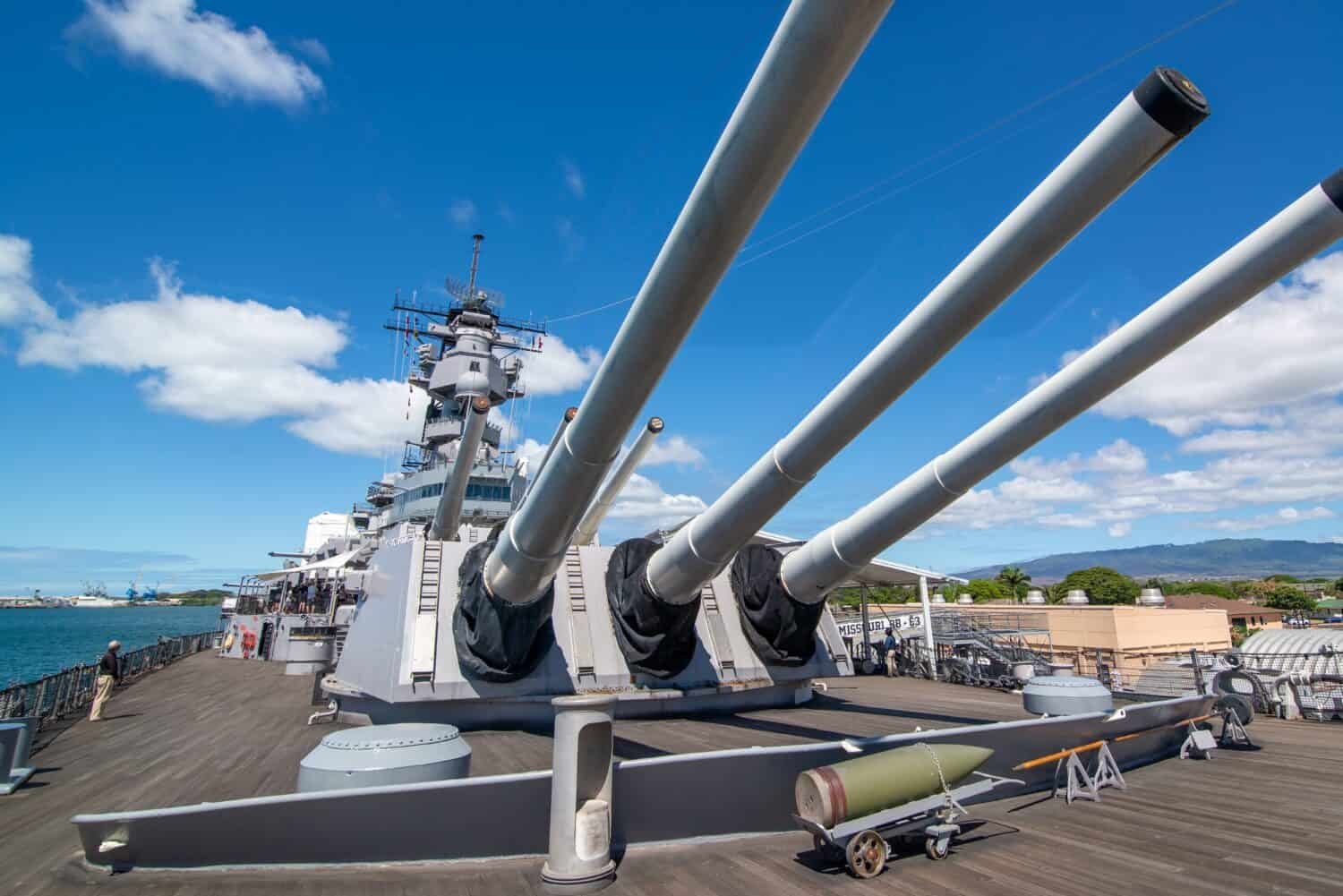
Then listen to the broadside. Feel the thunder. Raise a glass. And enjoy one of the most unapologetically American scenes ever put on film. Because for all the aliens, explosions, and Hollywood nonsense surrounding it, the heart of Battleship isn’t science fiction. It’s a love letter to a ship. And on the Fourth of July, that’s exactly the kind of over-the-top, steel-plated patriotism that deserves another watch.
Forget the stigma, Battleship is a polished, big-hearted naval sci-fi action flick that deserves a better reputation. It’s not deep, but it’s crafted with an attention to spectacle and pacing that a lot of bigger hits lacked. The alien plot is thin, but the tech, action, and characters carry it. If it had been released as Battlefield Hawaii or Pacific Siege, it might be remembered as a cult-classic military blockbuster instead of a Hasbro curiosity. More fun than it had any right to be anchored by a glorious salute to the old warhorses.
The greatest enemy Battleship ever faced wasn’t the aliens. It wasn’t the critics. It wasn’t even the impossible challenge of adapting a board game whose entire gameplay consists of pointing at coordinates and hoping for the best. It was the title. The moment audience heard Battleship, based on the Hasbro board game, the verdict was practically written before the opening credits rolled. People didn’t review the movie.
They reviewed the concept, that’s a shame, because buried beneath one of the most marketable, and least helpful, brand names. In Hollywood history is a genuinely entertaining blockbuster, not a masterpiece, a hidden work of cinematic genius. Not some misunderstood Blade Runner-level masterpiece waiting for critical reappraisal. Just a really good time and sometimes that’s enough.
The crime of being exactly what it promised one of the strangest criticisms ever leveled at Battleship is that it delivers exactly what it advertises. The movie promises warships, aliens, explosions, and heroics. With giant naval guns and then proceeds to provide all those things in industrial quantities, there is no bait-and-switch. No attempt to disguise itself as prestige of cinema, no desperate reach for awards-season respectability. It knows what it is, a summer blockbuster and a big, loud, unapologetically entertaining piece of naval science fiction.
The film never pretends otherwise and frankly, there is something admirable about that level of honesty. Better than its reputation, of Battleship and the actual experience of watching Battleship remain wildly disconnected. But movies are not judged solely by what they attempt. They are judged by what they accomplish, and Battleship accomplishes a surprising amount. The action is clear. The pacing is tight. The visuals remain impressive. The naval setting feels distinct. The cast is likable.
The final act is delivered. That is more than can be said for a great many blockbusters that received far warmer critical receptions. The alien problem that doesn’t matter if the film has a genuine weakness, it is the aliens themselves. Their motivation is vague, their personalities are limited.
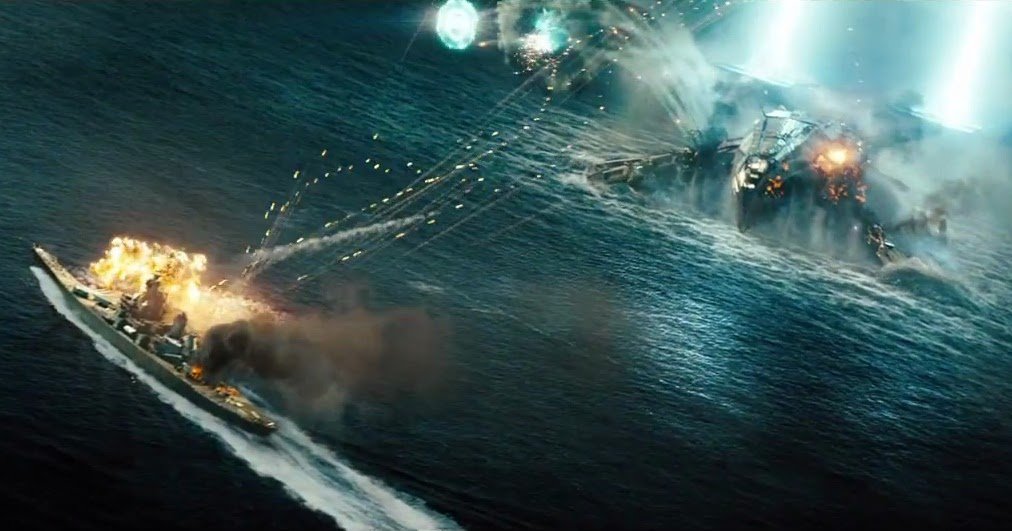
Their role in the story often boils down to advanced target practice. But here’s the thing, the movie understands this, consciously or not, it shifts the audience’s attention away from the invaders and toward the response. The focus isn’t on discovering alien cultures, it isn’t in first contact. It isn’t in the mysteries of the universe, the focus is on sailors solving a problem.
The aliens are simply a problem and while that approach limits the film’s depth, it strengthens its momentum. The legacy of the Missouri ultimately, what elevates Battleship above disposable blockbuster status is the USS Missouri. The ship transforms the third act from a spectacle into a celebration of naval history. Of veterans, their service, and of a nation remembering part of itself. The movie could have ended with another futuristic superweapon, instead, it chose history.
That choice gives the finale a weight that no amount of CGI could replicate. When those sixteen-inch guns fire, they carry decades of memory with them. That’s why people remember the scene. Not because it is realistic, it feels meaningful. What Might Have Been It’s difficult not to imagine an alternate universe where this exact movie arrives under a different title.
Imagine it released as, Pacific Siege, Battlefield Hawaii, Ocean Shield, or Pacific Storm, anything that didn’t immediately trigger jokes about the board game. The motion picture being next, would critics have viewed it differently, probably. Would audiences have given it a fairer chance, almost certainly, because once you remove the Hasbro punchline, what’s left is a surprisingly competent military science-fiction film with a distinctive setting, memorable action, and an unforgettable finale.
It’s been, fifteen years after its release, Battleship has quietly achieved something many critically acclaimed films never manage. People are still enjoy watching it, not as ironic jokes, memes or as a disaster, as entertainment, the movie embraces a spectacle without cynicism. Patriotism is without embarrassment, diversity without self-congratulation, and mostly heroism without irony. It wraps the entire package inside one of the most gloriously ridiculous climaxes ever committed to film, a World War II battleship, crewed in part by real veterans, charging into battle against alien warships.
That’s either completely absurd or completely awesome. Fortunately, Battleship understands that those are often the same thing. A polished, big-hearted naval sci-fi adventure that deserves a better reputation than the one it received. The alien plot is thin. The spectacle is tremendous. The action remains entertaining. The Missouri steals the show. And if this exact film had been released under almost any title other than Battleship, there’s a very real chance we’d be talking about it today as a beloved cult-classic military blockbuster rather than “that movie based on a board game.” Instead, history gave it a bad name. The movie deserved better.
OFFICIAL TRAILER: