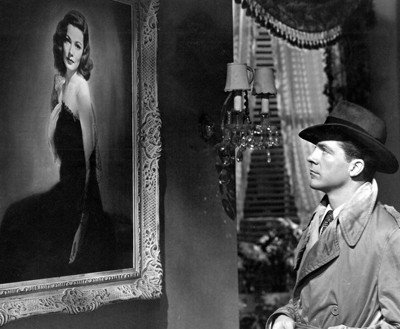
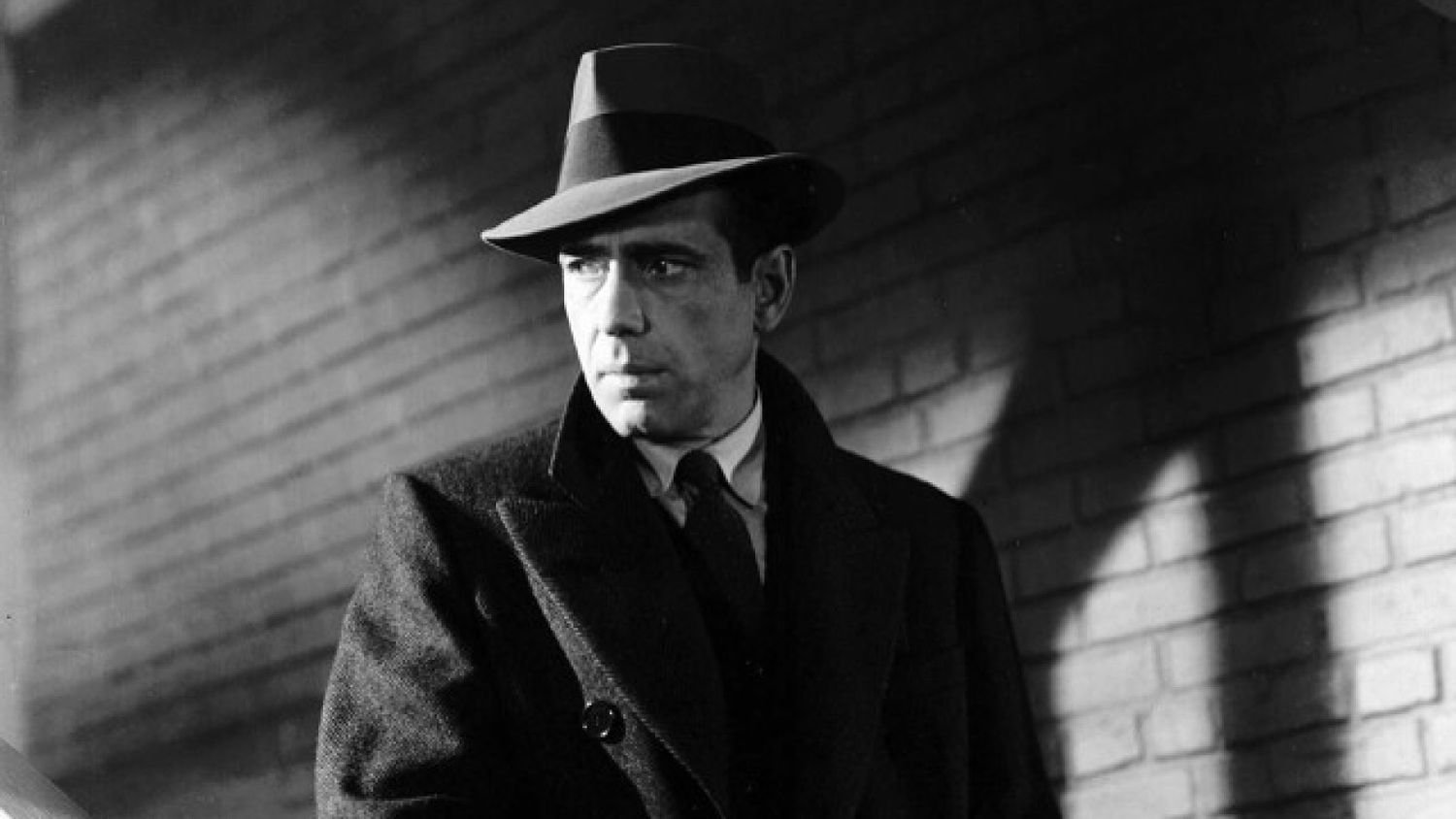
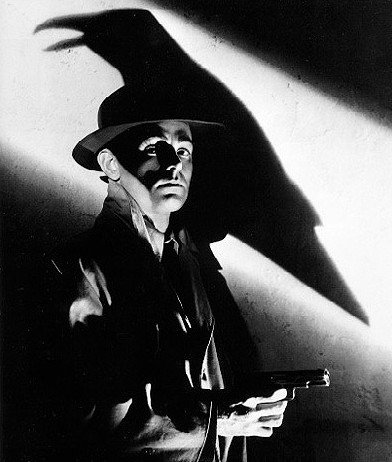
What does one think of when they hear the term “film noir?” Taken from the French word for “darkness,” its application to movies suggests stories that are, indeed, dark, with tales of moral ambiguity, illicit relationships, the emergence of anti-heroes, and those with criminal intent. Film noir movies are crime stories told from the criminal’s point of view.
And the look and feel of the noir genre was traditionally shot in black and white, with shadowy set design or rain swept urban streets that cast a strong statement or created a tense atmosphere.
Film noir movies are an original great American art form, like Western movies. Film noir was prevalent in the late 1930s, ‘40s, ‘50s, and early ‘60s
Eddie Muller is a man that has dedicated his life to researching, documenting, and archiving much of the collective canon that is film noir. And, as host of the show “Noir Alley” on the Turner Classic Movies Network (TCM), presents a select program of these films to millions of fans every late Saturday night and repeated early Sunday morning. From the genre’s origins in the 40’s to “modern “ films of the 60’s and beyond, Muller lovingly and respectfully shares with his loyal audience detailed behind-the-scenes back story on various actors and productions each week.
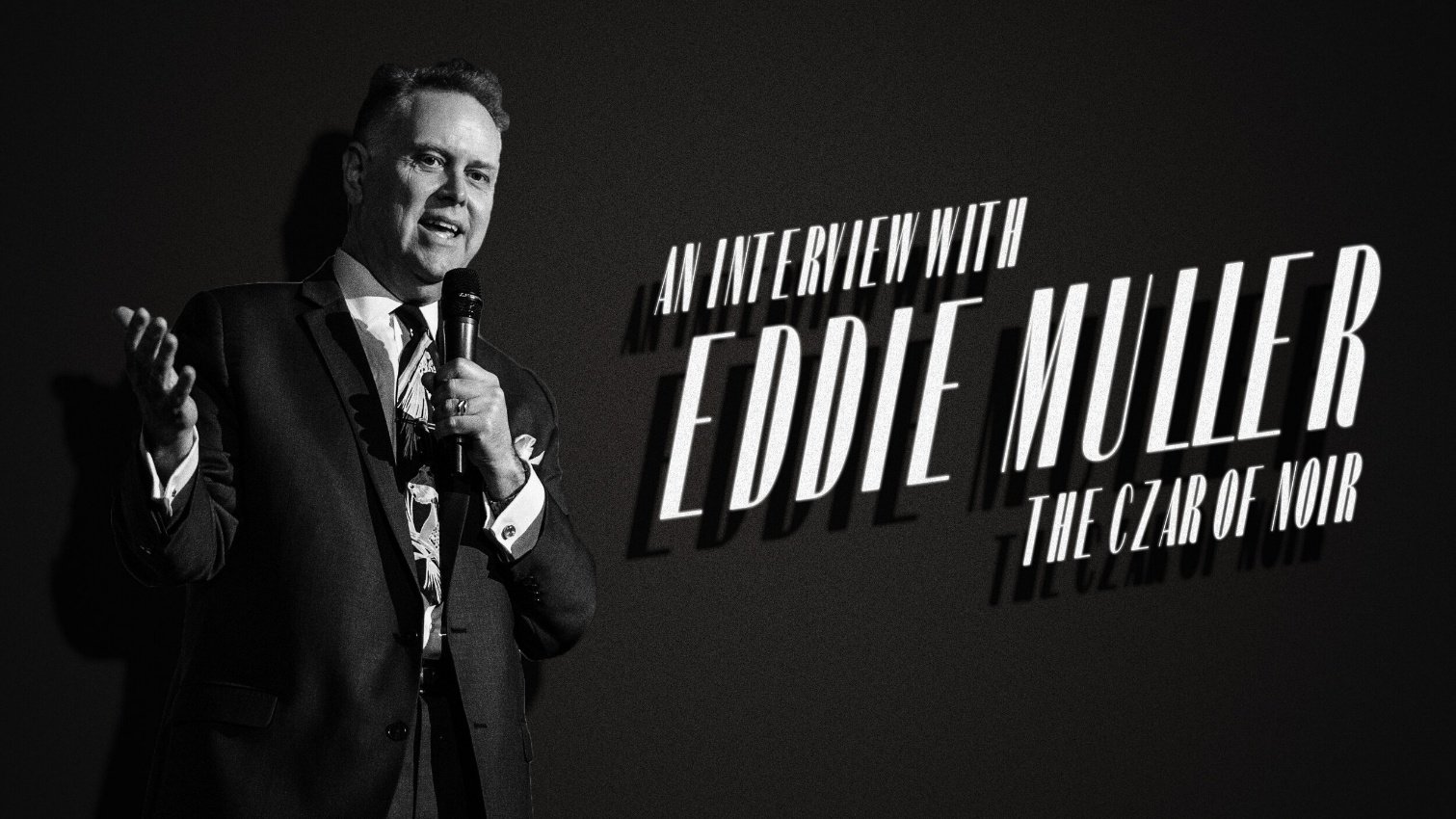
Muller is also a celebrated award-winning author, with several books on film history and related projects. His classic tome “Dark City: The Lost World of Film Noir” was actually rated by The Hollywood Reporter as one of the “100 Best Film Books” of all time. And, for over 20 years, he’s been founder and president of the Film Noir Foundation, which is dedicated to rescuing and preserving classic films that are at risk of being lost or destroyed. As primary programmer and host of traveling film festival “Noir City” Muller screens a meticulous selection of these vintage and rare noir films for the masses at various theaters across the country.
The dark film impresario hails from San Francisco, California where his father was a renowned 52-year veteran sports writer for the San Francisco Examiner. Muller followed in his father’s journalistic path focusing on novels, magazine articles, short stories, and graphic design. While actively making a living, the 60-something scribe was simultaneously honing his knowledge and interest in storytelling and movies.
“Ever since I was a kid, looking back, I realized I was always wanting to tell some kind of story,” says Muller. “Like, I drew comic books. I’d go see James Bond movies, and then I’d have to come home and recreate them on paper, drawing out what I had seen. So, more than just being a movie fan, it was feeling this urge to tell stories about what I had just seen and, eventually, writing my own stories. And then at a certain point, and this is where my dad comes into it, I learned more about who he was, and that he did not go to school for journalism or anything. He barely graduated high school and became kind of a big shot in San Francisco newspaper circles. I thought that maybe I could do that too. So, that was kind of the story, and the movies just fit into it all.”
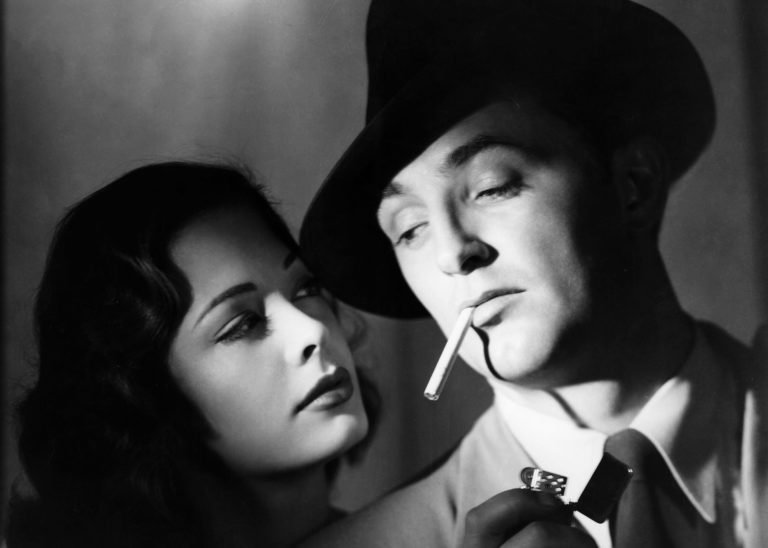
Inspired by his father’s sports writing background, Muller wrote a series of historical boxing mystery novels. In 2002, his debut novel “The Distance” won the prestigious “Shamus Award for Best First P.I. Novel.” No doubt, this was the impetus that put Muller on a trajectory toward creating colorfully gritty stories that included many of the tropes of the noir genre. And, through the process of developing his creative skill set, began to truly understand what noir was all about.
“To me, the movies are sequential storytelling, just like comic books or whatever,” says Muller. “And what makes film noir one of the great American art forms is ‘empathy.’ Hollywood was serving a purpose during the 1930s and the beginning of the 1940s. When the storytelling became big business and there were all kinds of money involved, then Hollywood thought their purpose was to make audiences feel better about the culture and themselves. And so, you know, Hollywood created these myths of happily ever after and everything’s going to work out. Film noir was really the maturation process in which artists just kind of rebelled and said, the story doesn’t have to end happily ever after. And this is where the empathy part comes in, but there were stories about people doing the wrong thing. And then you’d see, like, these are the consequences of doing the wrong thing. And they didn’t have to work out. They would pay the price for wanting to rob a bank or steal the guy’s wife or something. So these movies almost became like tales of karma in a way. I think Hollywood needed this and it is interesting that it was the actors, writers, and directors themselves that pursued this. Now directors got most of the credit for starting the film noir movement, but it really began with the writers who wanted to tell stories that didn’t end well, that dealt with more adult themes, that talked about corruption, both on a personal and a social level.”
Another appeal of film noir is that many of these pictures were made on relatively low budgets. Although there are some films that are considered noir that were produced in the Silent Era and the late 30’s, the majority of film noir production became a movement with the public in 1944. All the studios of the time threw their hat in the ring and wanted to be a part of the film noir sweepstakes. Universal released “Phantom Lady,” RKO had “Murder My Sweet” and Paramount put out the inimitable “Double Indemnity.” These were films that challenged audiences and presented the art of storytelling in a profoundly new way. Stories were much darker and much more uncompromising.
Over the years Muller became a student of the vintage film noir game. He wrote about its history and, as a presenter and host of various movie related events across the country TCM began to take notice. “I believe I got my job with Turner Classic Movies (TCM) because I was kind of dancing around with them a little bit. We were on each other’s radar,” says Muller. “And then a couple of people from TCM came to one of my Noir City festivals, like 14 or 15 years ago. And I think they were amazed to see how many younger people were coming to the festival. And around this time TCM was starting their own classic film festival. And I know a big concern they always had was that their demographic skewed older. And they wanted to reach a younger audience. But the folks at TCM saw younger people coming out to our screenings and dressing up in retro outfits. They enjoyed it and made it a real communal experience. I haven’t studied this, but from what I’ve experienced, there is a segment of the younger audience that kind of rejects contemporary society. They don’t want to spend all day on their phones. They’re attracted to what this culture was like in the mid-20th century.”
One of the stops on the 2026 Noir City tour was an appearance at Detroit’s Redford Theatre. The erudite Muller was host to a weekend of choice screenings of classic noir, meet and greets, and a Q&A session, with the audience as well as some welcome camaraderie with faithful vintage movie fans. It was a repeat performance for Muller in Detroit, as he has fond things to say about the Redford Theatre and venues of similar stature.
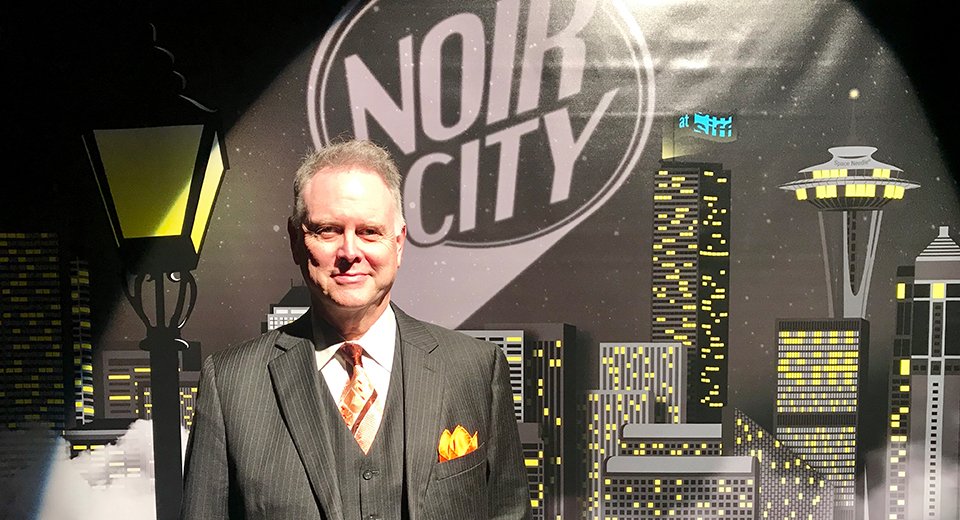
“It’s important to realize that when I started doing this, I just wanted to show movies because I had written this book on film noir called ‘Dark City: The Lost World of Film Noir,’” says Muller. “But then I thought that we ought to use the profits from the book to restore the films so I could show these obscure movies and get them back on a big screen. Then I realized the perfect venues for this are classic movie theaters that are also at risk of extinction. So, since then, I’ve always tried to get the Noir City Festival into an older venue that people are working very hard to keep alive. And that’s the case with the Redford. It’s a non-profit, all-volunteer organization that’s all about keeping that big screen movie experience going. So, I feel the mission is clear; you’ve got to save the films, then save the theaters and, of course, save the audience and connect with them.”
Perhaps the greatest aspect of Muller’s work as a film noir aficionado is that he’s found much gratification in the fact that this entire film culture truly brings people together. “I think people are really searching for a sense of belonging,” says Muller. “Everything in our culture is so fragmented now and it’s all so geared toward isolating you and keeping you in your house, looking at a screen, clicking a button, instant gratification and that sort of thing. I think my audience is entirely opposed to that. And that is why they are happy to come out and go to the movies. People travel from great distances to come to places like the Redford or Noir City in Chicago, where I was just at. They want to have that sense of belonging because they are into the same thing I am. I’ve watched relationships form where people travel together now to other festivals that they met at Noir City. It’s pretty great. Every time I think I’m getting too old to stay on the road and keep doing this, I meet these people and it’s so wonderful.
Video by Eddie Muller
Video interview
For more information on Eddie Muller and his important film preservation work and film festival schedules check out: www.noircity.com and www.filmnoirfoundation.org .