AI has been here for decades, and now you’re allowed to use It. Artificial Intelligence (AI) apparently materialized in late 2022, fully formed, inside a blank text box. Before that, we are expected to believe, computers merely sat around performing long division and waiting for humans to invent anxiety, this is nonsense, Artificial Intelligence did not suddenly arrive with ChatGPT.
What arrived was public access, a conversational interface through which ordinary people could finally direct technologies that governments, universities, banks, corporations, advertisers, and entertainment studios had been developing and using for decades. The machine was not born yesterday, it was simply when somebody handed you the controls.
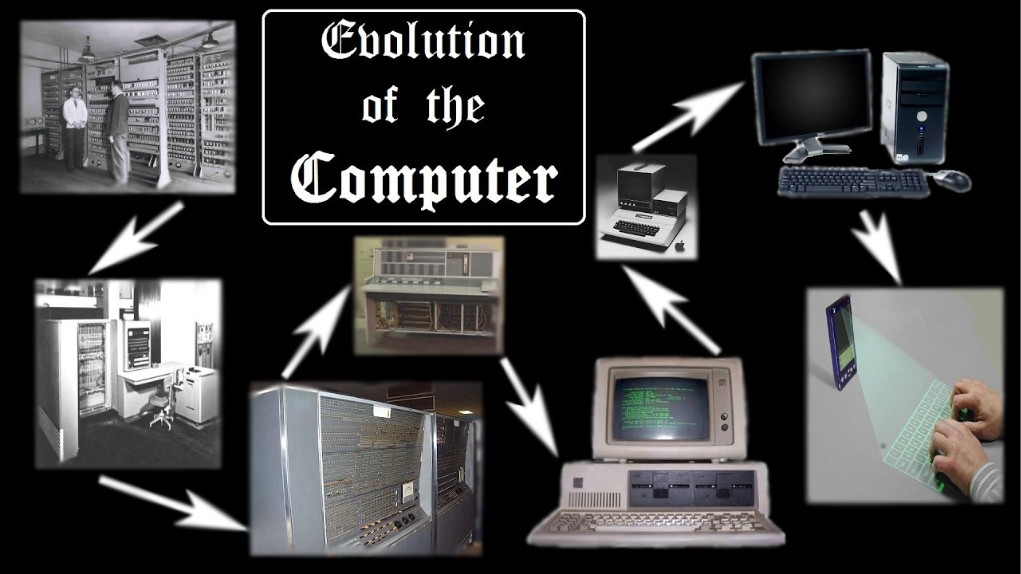
The machines were already thinking, long before the public began typing essay prompts into chatbots. Computers were already being used to calculate military outcomes, identify financial fraud, rank search results, recommend films and music, and control industrial machinery. They also predict consumer behavior, route traffic and shipments, filter employment applications, render digital environments, and determine which advertisements or social-media posts people were most likely to see.
Not every algorithm is artificial intelligence, of course, a recipe is an algorithm. So is long division, it is the sequence of instructions required to assemble a flat-pack wardrobe. Assuming one possesses a heroic tolerance for particleboard and despair, but artificial intelligence is built from algorithms, procedures for processing information, identifying patterns, making predictions, selecting outputs, and adjusting behavior according to data.
The public has therefore been living inside an increasingly automated decision-making environment for years, most people did not call it artificial intelligence because they rarely saw it operating. They saw only its consequences, a loan application was denied, or a résumé disappeared into a hiring portal, and a suspicious bank transaction was frozen. A search engine decided which information appeared first, and then a streaming service decided which film should autoplay next. Or a social platform concluded that what a tired adult really needed at 1:17 in the morning was another enraging political video followed by an advertisement for orthopedic shoes.
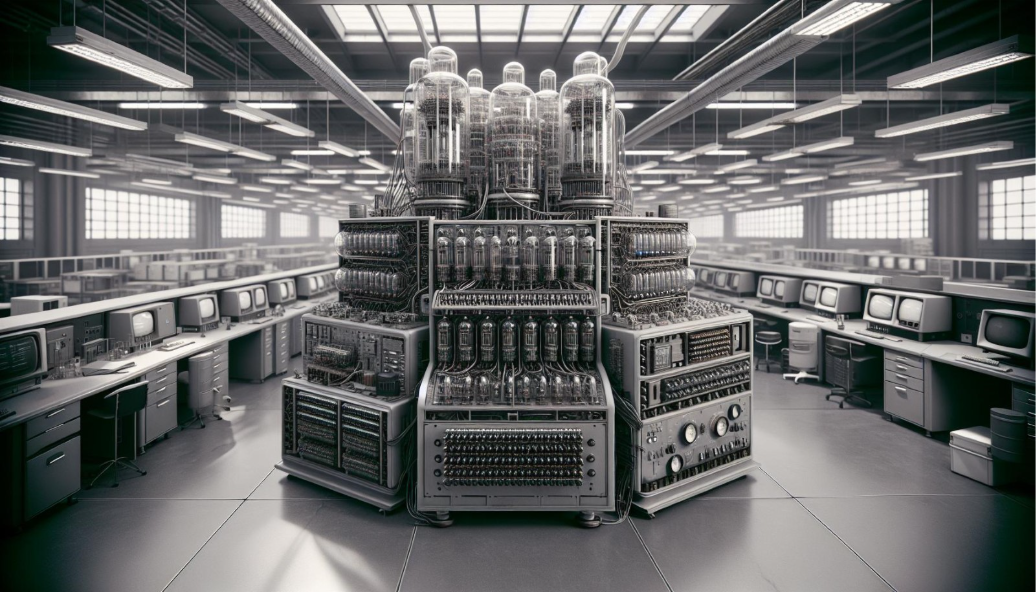
The machinery remained hidden inside institutions, wrapped in technical language and proprietary software. Its judgments arrived without a face, voice, or invitation to argue, and that arrangement was considered normal. The algorithm could observe us, classify us, predict us, price us, rank us, reject us, and manipulate our attention with barely a murmur of public concern. It could influence what we bought, watched, believed, and encountered. It could quietly shape the informational environment for around millions of people, then it started answering back.
Suddenly, automated systems were not merely acting upon the public, the public could interact with them directly. A student could request an explanation. a mechanic could troubleshoot an unfamiliar engine code, or a small business owner could draft a contract clause. Now a programmer can diagnose an error, an amateur historian could compare primary sources. Or a parent could turn a baffling medical pamphlet into understandable language. At that precise moment, after decades of institutional use, artificial intelligence became an emergency.
How fascinating, AI is not new, for most of its history. It was hidden inside institutions and used upon the public rather than by the public. “Would you like to play a game?” In Wargames, released in 1983, Matthew Broderick’s teenage hacker converses with a military supercomputer through written language. The machine answers questions, plays games, interprets commands, remembers information, and catastrophically confuses simulation with reality. Audiences understood the premise.
They did not storm out of cinemas complaining that a computer capable of typed conversation was an incomprehensible invention from another universe. The fantasy worked because conversational machines were already culturally legible. Chatbots themselves were not new. Joseph Weizenbaum’s ELIZA was conversing with users in the 1960s, using pattern-matching techniques to imitate a psychotherapist. Its understanding was superficial, but its effect on users was revealed.
People readily projected comprehension and personality onto a system that reflected their own language back at them. From there came command-line interfaces, text adventures, automated telephone systems, customer-service bots, predictive text, search assistants, Siri, Alexa, and an expanding collection of machines designed to respond to human requests. Modern large-language models are vastly more capable than those earlier systems.
They can generate, transform, summarize, analyze, compare, classify, and explain language with a flexibility that older chatbots could not approach. But the historical progression matters because it punctures the hysterical little fairy tale that computers suddenly learned to communicate one Tuesday afternoon. What changed was not the existence of conversational computing.
What changed was its usefulness, accessibility, and scale. Consider the Model T. Henry Ford did not invent the automobile, he helped make it affordable and practical for a mass market. The revolution was not the sudden appearance of a wheeled vehicle with an engine, it was the transfer of mobility from a narrow class of owners to millions of ordinary people. Personal computing followed a similar pattern, the computer existed before the personal computer, it belonged to governments, military, universities, laboratories, and large companies.
Then it moved onto the desk, the laptop moved it into a bag, the smartphone moved it into a pocket, and the personal AI turns that pocket computer into something a user can direct through ordinary language. That is a genuine breakthrough, for most computing history, the user had to adapt to the machine. People learned programming languages, command structures, software menus, file systems, keyboard shortcuts, formatting conventions, and the exact sequence, required to make a printer acknowledge the material world.
Conversational AI reverses that relationship, the user describes the desired result. The machine translates that request into operations, this does not eliminate the need for knowledge or judgment. Quite the opposite, the person who understands a subject can recognize errors, frame better questions, demand stronger evidence, and refine the result. A fool with an AI assistant remains a fool, merely one capable of producing his nonsense at industrial speed. But the interface has changed, ChatGPT did not invent the chatbot any more than Ford invented the car.
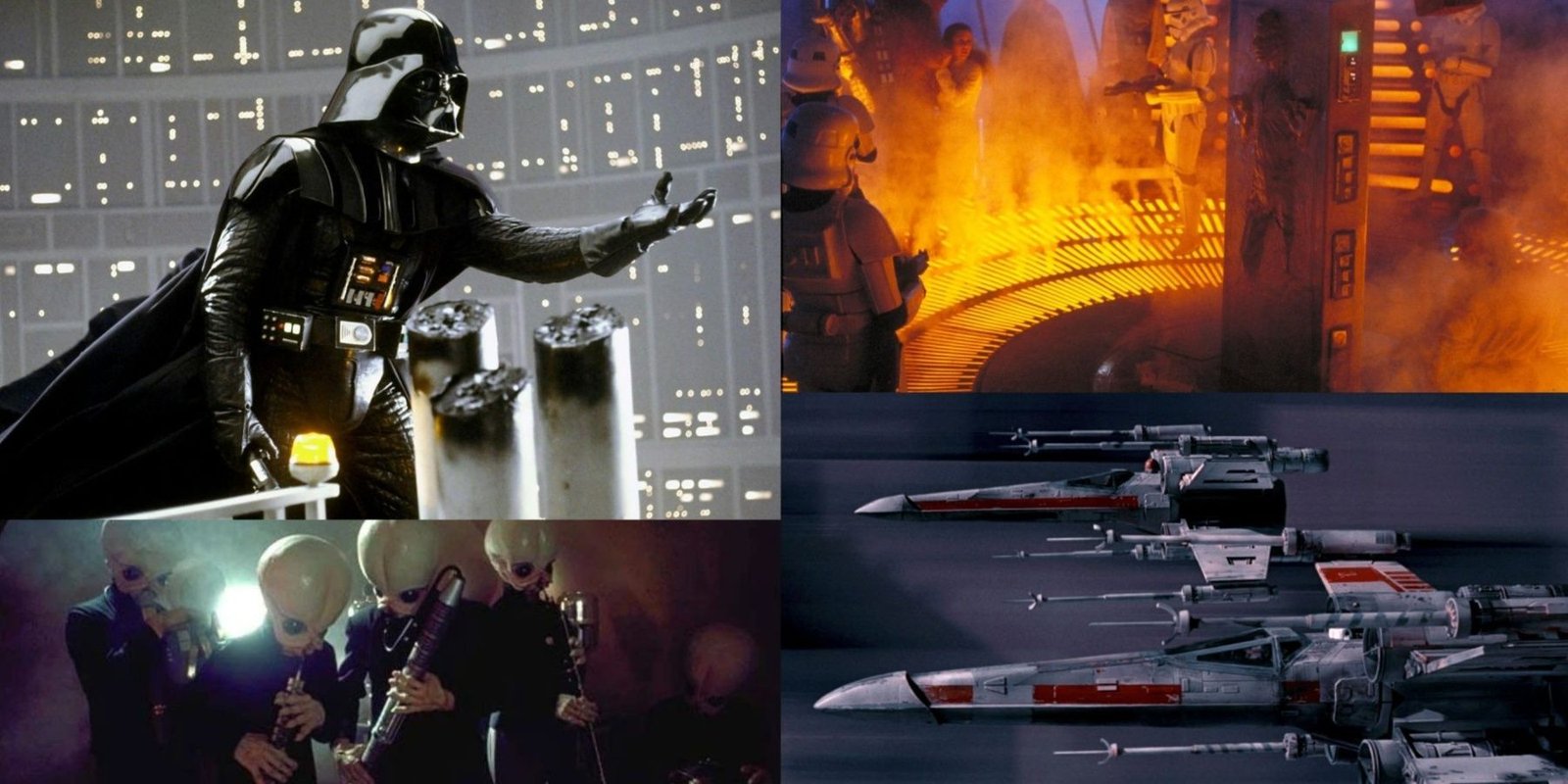
It represents the moment an existing category of technology has become accessible, useful, and comprehensible to the mass public. The chatbot revolution is not that computers suddenly learned to speak. It is that speaking became the steering wheel ordinary people could use. From Star Wars to the generated image, to understand the current backlash against AI-generated imagery, it helps to remember that visual-effects history has already performed this drama, it even provided costumes.
The original Star Wars, released in 1977, created its universe largely through miniatures, matte paintings, puppets, costumes, practical explosions, motion-controlled cameras, physical sets, and optical compositing. Its spaceships were objects, its creatures occupied rooms and explosions involved actual materials being violently discouraged from remaining in their original arrangement. It’s impossible that worlds were assembled from painstakingly constructed pieces and photographed with extraordinary care.
Then, decades later, the same film was digitally revised for the Special Editions. New creatures appeared, environments expanded, and shots were altered. Computer generated elements were placed besides, behind, and occasionally on top of the original practical work, the result provides a convenient visual history of effects of technology inside a single cinematic property. Viewers can watch physical craftsmanship, optical illusion, and digital intervention coexist. Sometimes gracefully, sometimes with all the subtlety of a marching band entering a library. Early computer-generated imagery was often impressive as a technical demonstration while remaining visibly artificial.
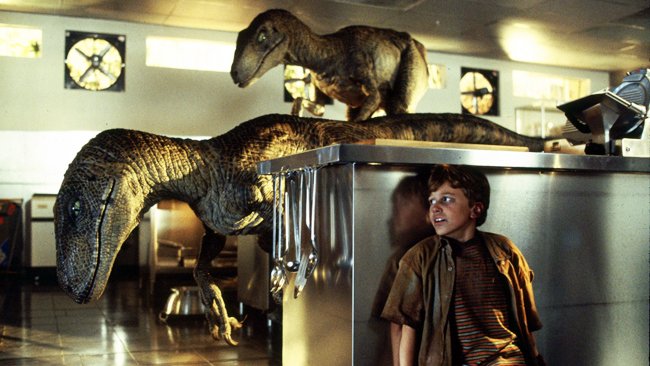
A computer could create a creature or vehicle before it could reliably make that object appear to possess weight, texture, atmosphere, and physical presence. The machine could produce the dragon, convincing the audience that the dragon occupied the same universe as the actor was another matter. The major breakthroughs came when filmmakers used digital effects selectively and combined them with established craft. The Abyss demonstrated the expressive potential of a computer-generated water creature.
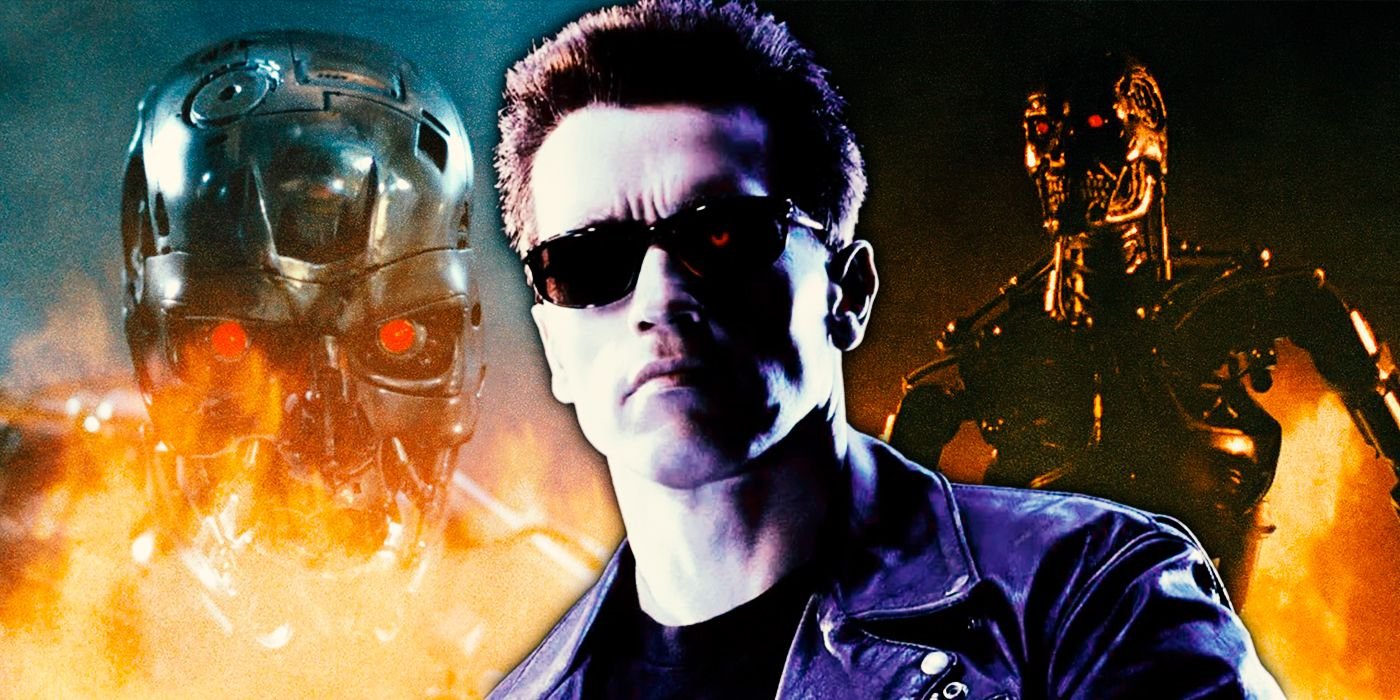
Terminator 2 Judgment Day used digital effects to create a liquid-metal antagonist while grounding the surrounding action in stunt work, makeup, miniatures, pyrotechnics, and physical locations. Then Jurassic Park arrived. Its dinosaurs remain convincing not because filmmakers discovered a magical make dinosaur button, but because the production combined CGI with animatronics. With physical sets, controlled lighting, careful framing, sound design, strong cinematography, and the ancient artistic discipline known as knowing when to stop. The computer was one tool in the production.
It was not asked to replace production itself. As software improved and computing became cheaper, digital effects escaped the exclusive control of major studios. Smaller productions gained access to creatures, environments, spaceships, gunfire, weather effects, and large-scale destruction that would once have required enormous budgets.
Much of the resulting work was dreadful, yet the dreadful low-budget CGI monster was also evidence that it looked cheap because someone without the resources of a major studio could now attempt it at all. The collapsing barrier to entry produced both opportunity and garbage, this is generally what happens when a tool becomes widely available. Desktop publishing gave us independent magazines and office flyers containing seventeen fonts.
Digital cameras gave us new filmmakers and several billion photographs of restaurant entrées. Social media gave everyone a publishing platform, which was noble in theory and educational in all the wrong ways. Then came an apparent regression, digital effects technology continued to improve, yet some expensive modern films looked less convincing than older productions. The software had not deteriorated, the surrounding discipline had, digital effects became a substitute for planning.
They became a way to postpone decisions, redesign sequences late in production, repair inadequate footage, replace unfinished sets, alter performances, manufacture spectacle, and satisfy executives who had recently learned the word bigger. Effects were asked to produce more imagery under tighter deadlines while responding to constant revisions. The number of effects of shots expanded, and the time available for each one contracted.
The possibility became mandatory, and the spectacular became routine, CGI did not necessarily get worse. The ratio of craft, time, and judgment to the amount of imagery being produced got worse, generative AI now represents another shift.
Traditional CGI generally requires people to construct digital models, textures, environments, lighting, animation, simulations, and camera movement. It gives artists virtual objects and virtual production tools, generative AI allows a user to describe the desired result more directly. CGI gave artists virtual objects, generative AI gives ordinary people virtual results.
Naturally, this has produced a flood of malformed hands, melted architecture, incoherent typography, waxy faces, impossible shadows, stolen aesthetics, repetitive compositions, and images with the unmistakable emotional atmosphere of a department-store advertisement hallucinated during a fever. Naturally, critics point to the worst examples as proof that the entire technology is fraudulent.
They said essentially the same thing about digital effects, the badly generated AI image is the modern equivalent of the low-budget CGI monster. It is not proof that the technology has no value. It is proof that the barrier to entry has collapsed. AI imagery is following a familiar cycle, breakthrough, amazement, democratization, saturation, backlash, and refinement.
The bad work arrives first because bad work is fast, mastery takes longer, and artists develop techniques. Audiences become more discerning, standards rise, the novelty fades, and the tool is judged less by the fact of its existence than by the quality of its use. The technology matures or, at the very least, people eventually learn how many fingers a hand is traditionally expected to contain.
The revolution is access, the artificial-intelligence revolution is not one invention, it is a transfer of capability. For decades, powerful institutions used algorithms and artificial intelligence to study the public, predict behavior, manipulate attention, automate labor, and detect patterns. They control access, generate entertainment, and make decisions on an enormous scale. Governments could analyze populations, banks could evaluate risks. Retailers could profile customers with technology, companies could optimize engagement, advertisers could target individuals with unnerving precision, employers could automate screening, and studios could manufacture digital worlds.
None of this inspired a universal moral awakening, there were objections, certainly, but the systems remained distant, expensive, technical, and institutionally controlled. Their power flowed in one direction, now individuals can use related technologies to write, research, analyze contracts, generate images, edit audio and video, learn unfamiliar subjects, program software, organize businesses, test ideas, translate documents, create prototypes, and challenge professional gatekeepers.
A freelancer can perform work that once required a small department, a small company can analyze information that once demanded specialized staff, and a student can ask unlimited follow-up questions without being made to feel stupid. An amateur can attempt to work once restricted by cost, credentials, equipment, or access. This does not make expertise irrelevant, it makes expertise more powerful while making basic capability less exclusive. That distinction appears to be causing certain people emotional difficulty. Machine assistance was tolerable when it belonged to the powerful.
It became an ethical apocalypse when students, freelancers, independent artists, small businesses, and ordinary workers acquired it. Suddenly, using a machine to improve productivity was cheating. Curiously, nobody had described spreadsheets as cheating when accountants adopted them. Spellcheck did not destroy literature, digital editing did not invalidate photography, or computer-aided design did not cause buildings to become imaginary. The search engines did not make research inherently fraudulent, although they did make confidently misunderstanding research considerably more convenient.
Tools alter labor, they redistribute their skills, they eliminate some tasks, transform others, and create forms of work that previously did not exist. Artificial intelligence will do the same, only faster and across more fields. This is the Model T moment of artificial intelligence, the invention, machinery, algorithms, chatbots, computer-generated imagery, and the automated prediction all existed before. What changed is who gets to operate it, artificial intelligence did not arrive overnight.

It spent decades inside military computers, research laboratories, corporate databases, Hollywood render farms, search engines, credit systems, recommendation algorithms, and the phones already sitting in our pockets. Now it has been placed behind a blank box and taught to respond to ordinary language, the machine is not suddenly alive. The public has simply been handed over controls. AI has been here for decades. Now you are allowed to use it.
The machine does not supply the curiosity, artificial intelligence can produce lazy work. So can a search engine, a camera, a word processor, a printing press, a library card, or a person facing a deadline five minutes before midnight with three unread sources, a cooling cup of coffee, and the sudden spiritual conviction that twelve-point font looks suspiciously small. No tool has ever cured intellectual laziness, most tools merely allow it to travel faster and arrive with cleaner formatting.
It does not become curious on behalf of the user, it does not feel the irritation that arises when a familiar story appears too neat. It does not independently determine that the legend has swallowed the person and that the work should attempt to recover what remains beneath it. A generated draft is not a sacred tablet, it is not the voice of history descending through the cloud, and it is material.

The writer who is human can revise the language, change the emphasis, add context, remove claims that cannot be supported and strengthen transitions. The writer can sharpen the argument, reorganize the chronology, restore ambiguity where the draft has become too confident, and cut the sort of smooth but vacant sentence. Real lives rarely organize themselves around a thesis with the courtesy expected by biographers.
The writer may notice that the draft has converted contradiction into progression, illness into foreshadowing, or death into the inevitable conclusion of everything that came before. That is a common failure of retrospective narrative, once the ending is known, every earlier event begins marching obediently toward it, and a careful writer resists that seduction.
The printing press gave humanity access to philosophy, science, literature, political argument, religious texts, and newspapers. The technology did not determine the quality of the thought. It increased the quantity and reach of the material, the fair comparison is therefore not between tools. It is between processes, affordable CGI did not turn every low-budget director into Steven Spielberg. A word processor did not make every typist a novelist.
Desktop publishing did not turn every office administrator into a designer, though it did produce several heroic decades of newsletters in which clip art and decorative borders fought openly for control of the page. Public access removes barriers. It does not manufacture taste, discipline, curiosity, or purpose. This is often treated as an argument against democratization, when it is merely a description of it. When a tool becomes widely available, more bad work appears because more work appears. The old barrier did not guarantee quality. It prevented participation. Some of the people excluded by that barrier lacked skill.
Others lacked money, credentials, institutional permission, equipment, connections, time, or the confidence to begin. Lowering the barrier allows all of them through at once. The result is not an immediate golden age. It is a crowd, and crowds contain mediocrity. A camera placed in careless hands does not become a great photographer, that the old system would never have admitted. The existence of bad work does not prove that access was a mistake, it proves that access is not the same thing as mastery. AI can serve as a vending machine, insert a request, collect a product, and leave.
Or AI can serve as a workshop, the user can examine the material. Test alternatives and discard failures always are challenging chronology, comparing sources and separating facts from inference. They distinguish the evidence from mythology and define the structure, a workshop does not remove labor. It changes its location, but humans still determine whether the destination is worth reaching. Those remain human tasks, AI can produce language, but the writer must still produce a reason for anyone to read it.