Note: Aoide Magazine is a sponsor of Leni Sinclair’s new photography book. As well, Aoide Magazine contributors sponsored an exhibit of Sinclair’s photography at the Detroit Historical Museum.
Preserving Detroit’s Cultural Memory
Some artists create culture. Others preserve it. Through her camera, Leni Sinclair has done both. For more than six decades, the celebrated photographer, activist, archivist, and cultural documentarian has chronicled the people, movements, and moments that shaped Detroit’s artistic identity. Her images have captured jazz legends, rock icons, poets, activists, and everyday citizens, creating one of the most important visual records of Detroit’s cultural history.
Unlike many photographers who observe from a distance, Sinclair lived within the communities she documented. She was not merely recording events; she was participating in them. Her photographs possess an intimacy and authenticity that can only emerge through trust, curiosity, and genuine engagement. Through her lens, generations of artists have been preserved not simply as public figures but as human beings.
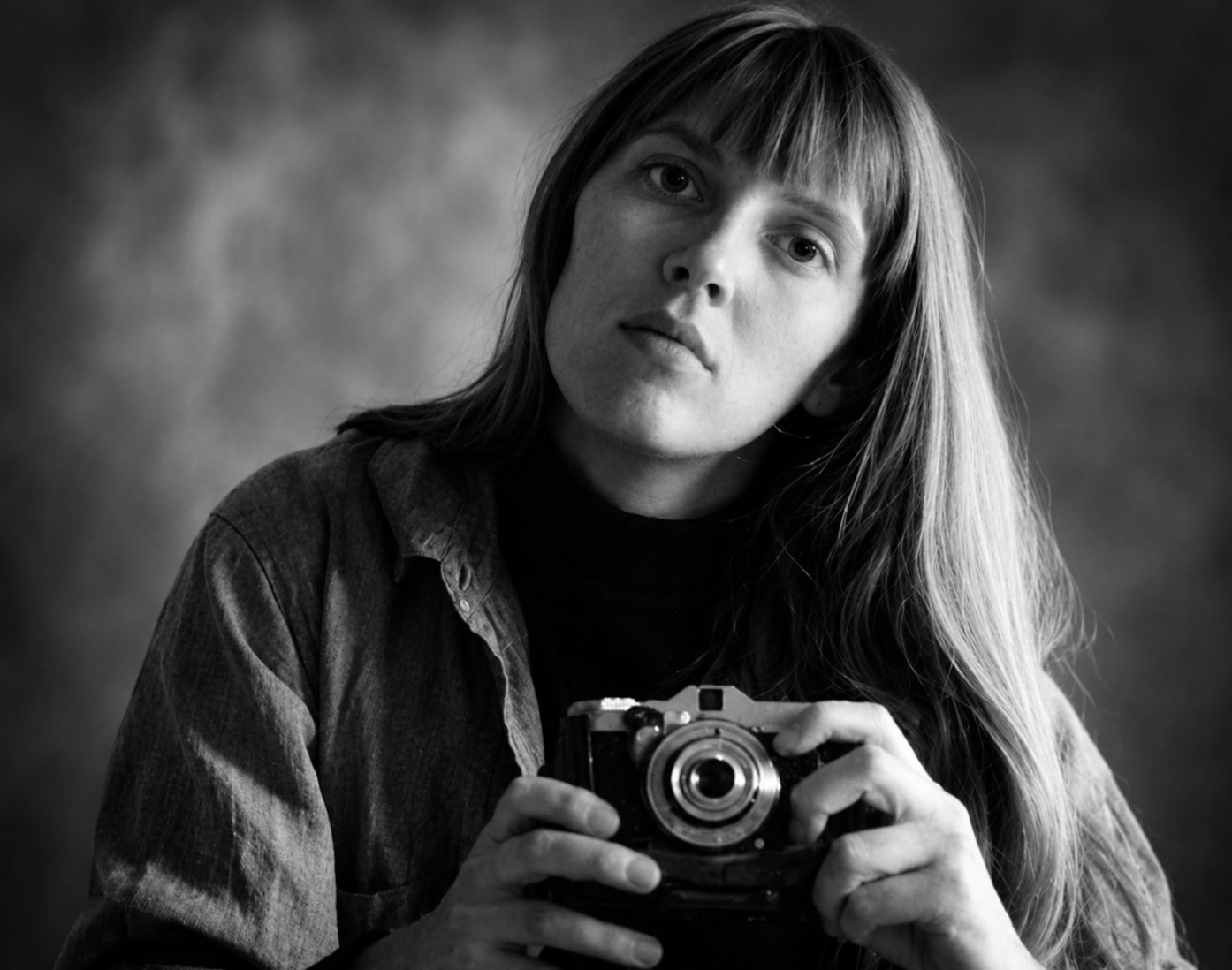
When The Kresge Foundation named Leni Sinclair the 2016 Kresge Eminent Artist, the honor recognized a lifetime devoted to preserving cultural memory. Her story is ultimately one of witness seeing history unfold and understanding the importance of ensuring it would not be forgotten.
From East Germany to Detroit
Born Magdalene Arndt in 1940 in Königsberg, Germany, Leni Sinclair’s earliest memories were shaped by war, displacement, and political upheaval. Her childhood unfolded against the backdrop of World War II and its aftermath, experiences that would profoundly influence her worldview. Living in East Germany during the early years of the Cold War, she came to understand the fragility of freedom and the importance of preserving truth.
In 1959, at the age of nineteen, she escaped East Germany and immigrated to the United States. Eventually settling in Detroit, she encountered a city unlike any she had known before dynamic, creative, diverse, and alive with possibility. What began as a search for freedom soon evolved into a lifelong connection with Detroit and its artistic communities. The city offered opportunity, inspiration, and a sense of belonging that would shape the remainder of her life.
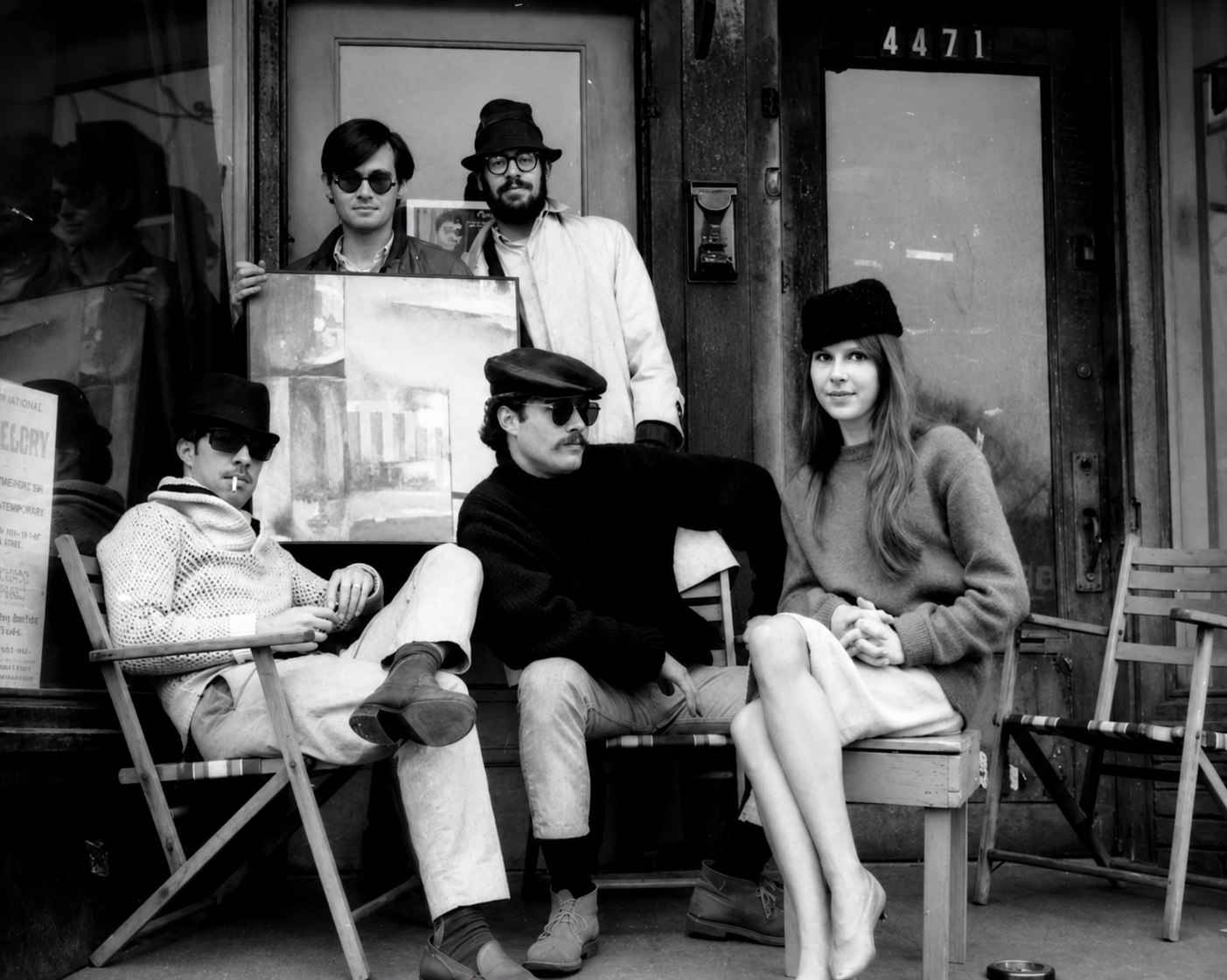
Artists at the Red Door Gallery Detroit, MI 1960’s
Finding a Place Among Detroit’s Artists
While studying geography at Wayne State University, Sinclair became immersed in Detroit’s emerging avant-garde arts community. She became involved with the Red Door Gallery and later helped establish the Detroit Artists Workshop, organizations that provided space for experimentation, collaboration, and creative exchange.
These institutions attracted musicians, poets, writers, filmmakers, and visual artists who were eager to challenge conventions and explore new ideas.
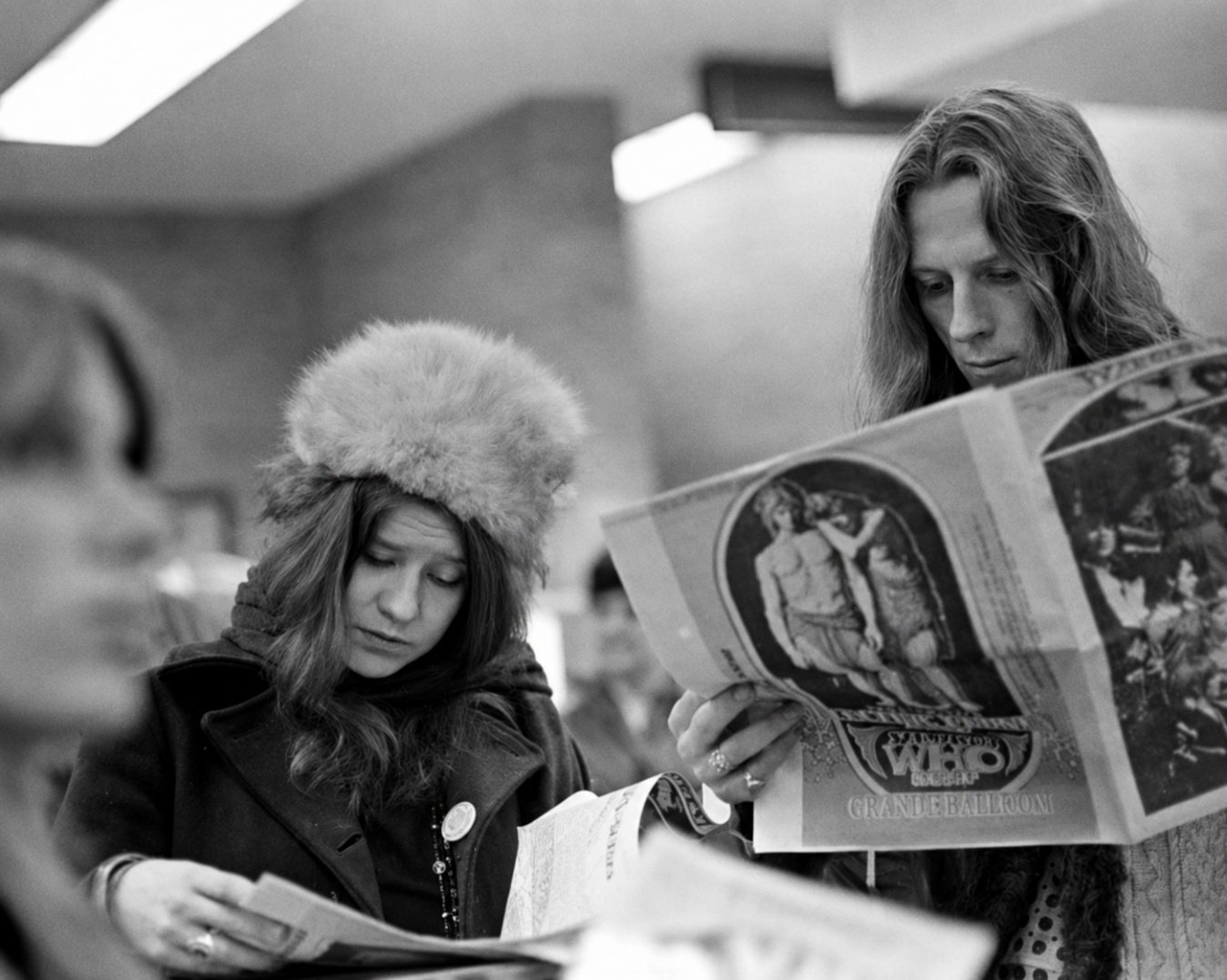 It was within this environment that photography emerged as Sinclair’s artistic language. Unlike photographers who arrived briefly and departed after capturing an image, she became an integral part of the communities she documented. Her subjects were often friends, collaborators, and fellow travelers. This closeness produced photographs of remarkable intimacy and honesty. Rather than simply recording appearances, her images reveal personality, vulnerability, and creative energy. Through her work, Detroit’s artistic underground found one of its most perceptive visual chroniclers.
Janis Joplin & Guitarist James Gurly Metropolitan Detroit Airport 1968
Music Through the Lens
Few photographers have documented Detroit’s musical history as comprehensively as Leni Sinclair. Her archive includes extraordinary images of jazz legends, rock innovators, and countless local musicians whose contributions helped define the city’s cultural identity. Through her camera, she captured artists such as John Coltrane, Miles Davis, Sun Ra, Janis Joplin, Jimi Hendrix, and the MC5.
What distinguishes these photographs is not merely their historical significance but their humanity. Sinclair possessed an instinctive ability to capture moments of concentration, joy, intensity, and reflection. Her images reveal artists at work, immersed in the creative process rather than performing for the camera. As a result, many of her photographs have become definitive representations of their subjects. They serve not only as artistic portraits but as cultural documents that continue to shape how future generations understand the musicians who transformed American culture.
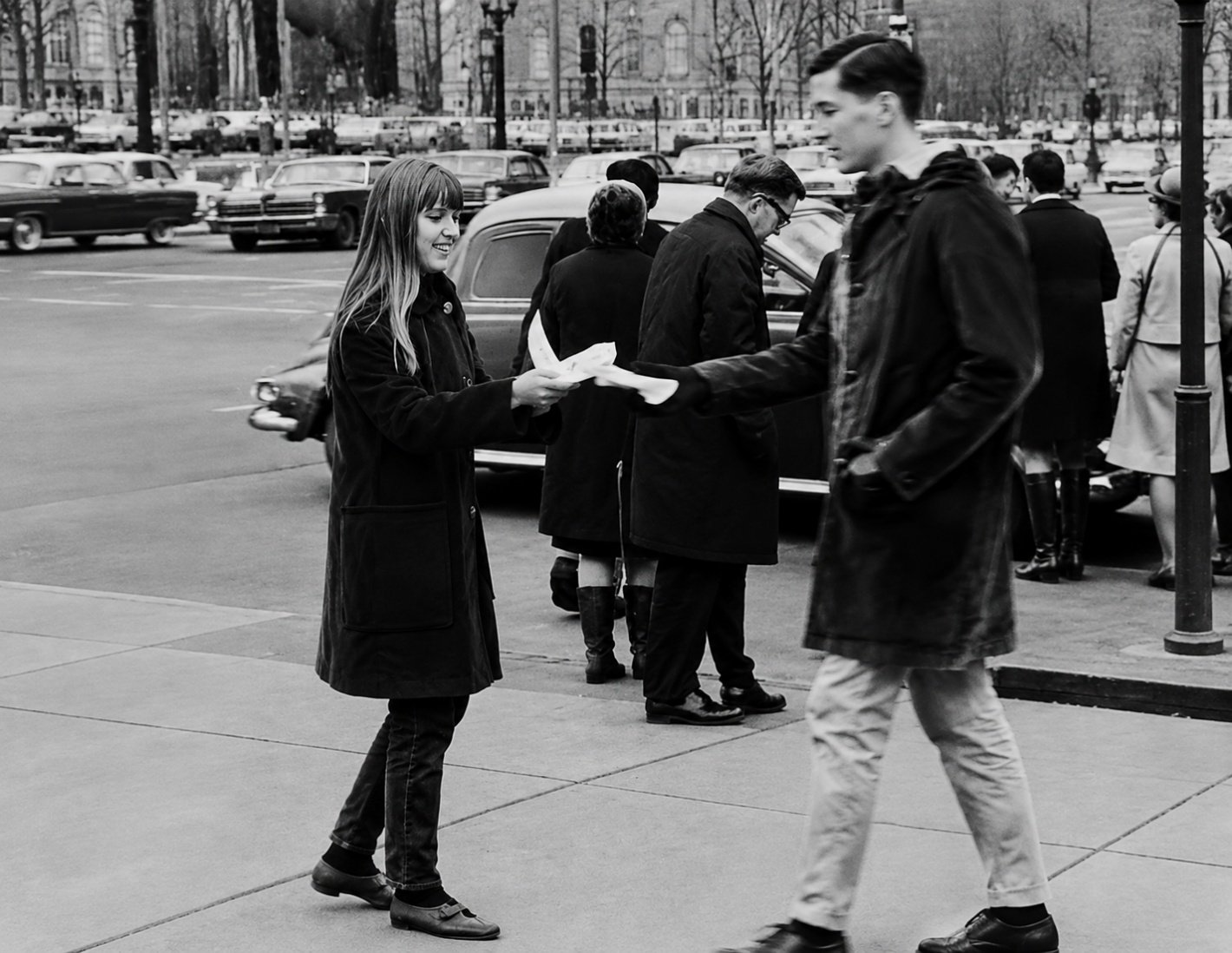
Leni Sinclair Handing out Free Poetry Booklets at Wayne State University 1964
Art and Activism
Photography was only one dimension of Sinclair’s life. She was also deeply involved in the social and political movements of the 1960s and 1970s. Alongside John Sinclair and other activists, she helped establish the White Panther Party. The organization advocated civil rights, anti-war activism, prison reform, and community empowerment.
Throughout this period, Sinclair used her camera to document demonstrations, rallies, cultural gatherings, and grassroots movements. Her photographs reveal a nation grappling with questions of justice, identity, and change. Yet even amid political upheaval, her focus remained firmly on people. She understood that history is not shaped solely by leaders or institutions but by individuals who choose to act. Through her images, viewers encounter not abstract movements but the human experiences that brought them to life.
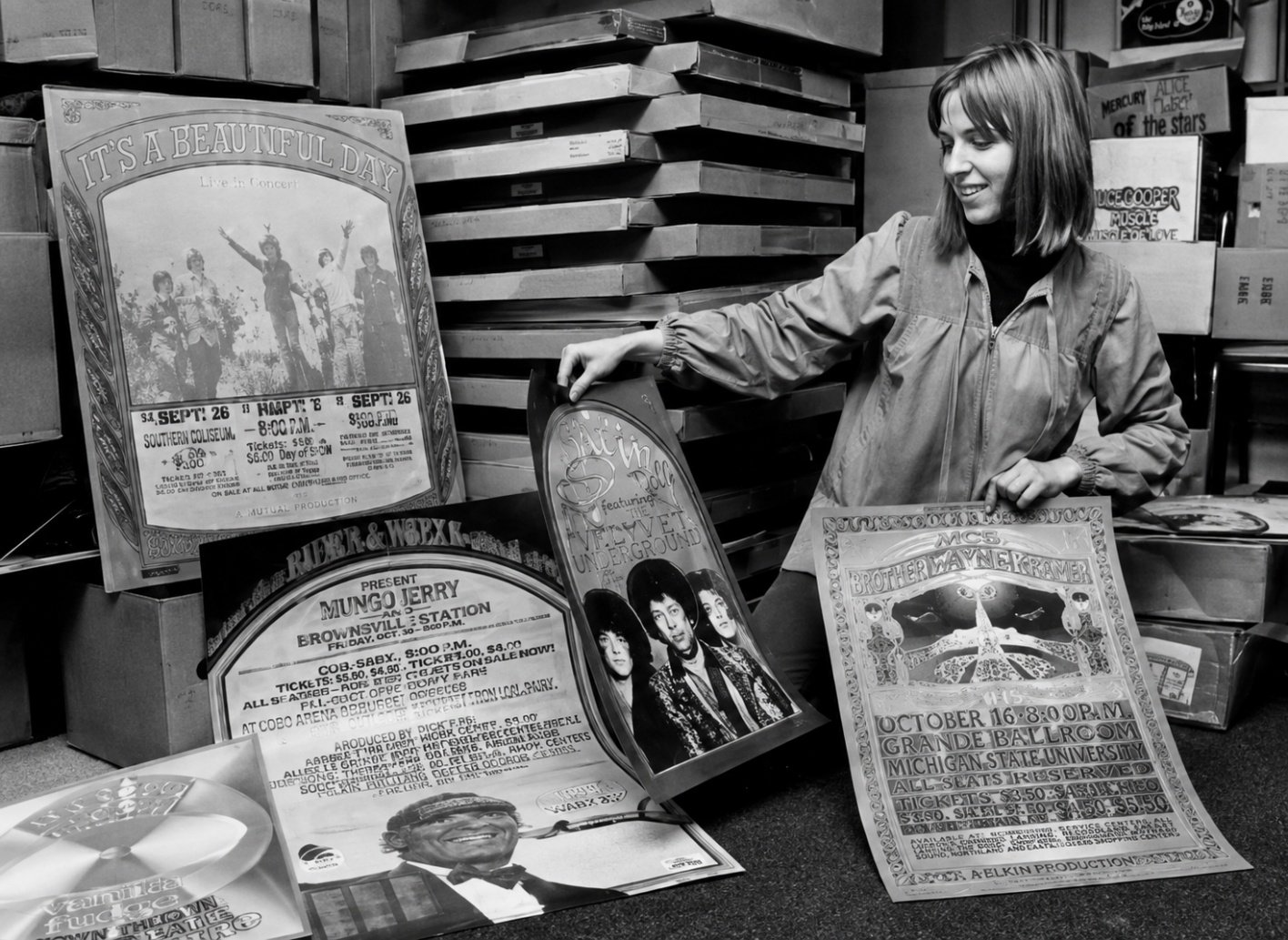
Preserving Detroit’s Cultural Memory
Perhaps no project better illustrates Sinclair’s commitment to preservation than Detroit Jazz Who’s Who. Long before conversations about cultural archiving became commonplace, she recognized the importance of documenting Detroit’s musicians and preserving their stories. Through hundreds of portraits she with writer and historian Herb Boyd created an invaluable record of the artists who shaped Detroit one of America’s most important jazz communities.
The significance of this work extends beyond music. Sinclair understood that cultural memory requires active stewardship. Without documentation, stories disappear. Without archives, future generations lose access to important histories. Her photographs have become a visual record not only of individual artists but of an entire cultural ecosystem. They remind us that Detroit’s contributions to American music extend far beyond a handful of famous names and encompass a vast network of 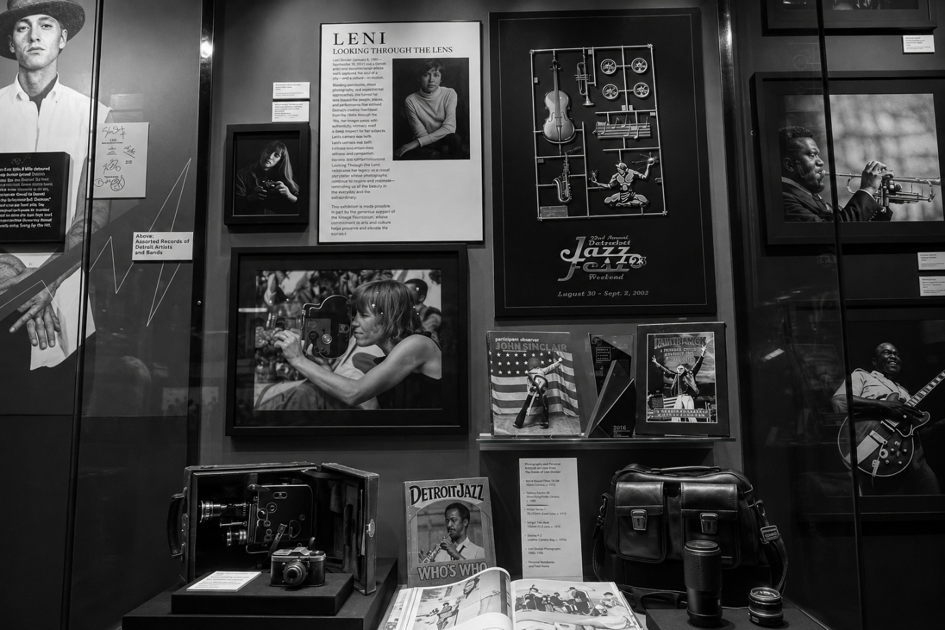 creators, educators, performers, and visionaries.
LENI: Looking Through the Lens Exhibition at The Detroit Historical Museum 2026-2027
An Archive of a City
Over the course of six decades, Sinclair assembled one of Detroit’s most significant photographic archives. Tens of thousands of negatives, prints, and images document the city’s musicians, artists, activists, and cultural institutions. Together they form a remarkable visual history of Detroit during a period of extraordinary change and creativity.
The archive reflects Sinclair’s unique perspective as both participant and observer. Because she was embedded within the communities she photographed, her images possess an authenticity rarely found in traditional documentary work. They capture not only public events but also private moments, creative exchanges, and personal relationships. In doing so, they reveal the interconnected nature of Detroit’s cultural life and the individuals whose contributions continue to resonate today.
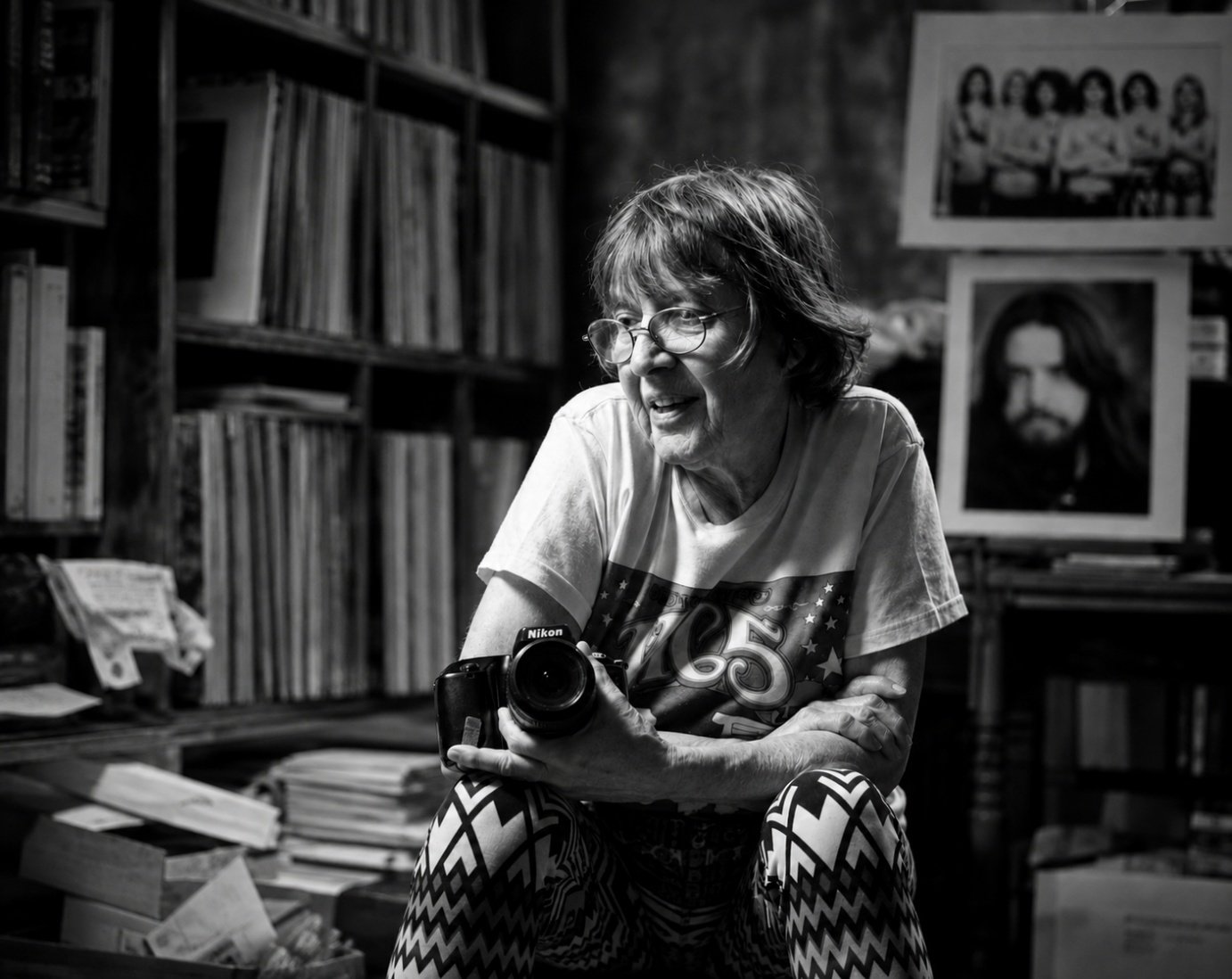
The Kresge Eminent Artist
When Leni Sinclair was named the 2016 Kresge Eminent Artist, the honor celebrated a lifetime devoted to documenting and preserving Detroit’s cultural legacy. The award recognized her achievements as a photographer, but it also acknowledged her role as a historian, archivist, activist, and cultural steward.
Few individuals have contributed more to Detroit’s visual memory. Through her work, generations of artists continue to speak, communities remain visible, and important stories remain accessible. The Kresge recognition affirmed what many had long understood: Sinclair’s archive is one of the city’s most valuable cultural resources and an enduring gift to future generations.
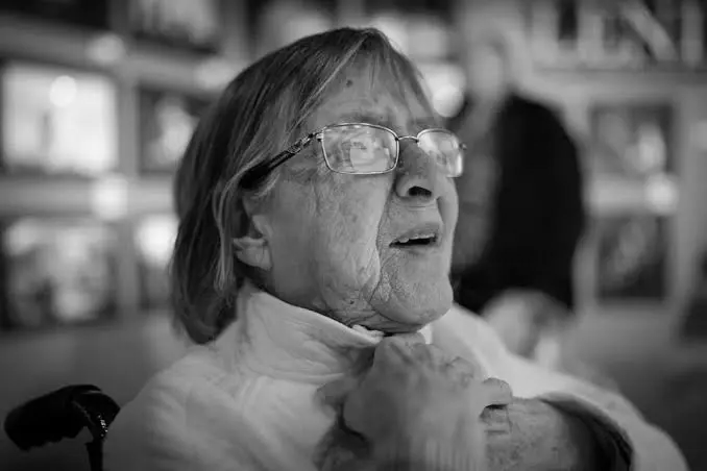
Leni Sinclair at the Opening Night of Her Exhibition March 2026
The Witness
Leni Sinclair’s story is ultimately about seeing. It is about recognizing the significance of a moment before anyone else understands its importance. Throughout her life, she has stood at the intersection of art, culture, and history, documenting the people and movements that helped define Detroit and shape the broader American experience.
Her photographs remind us that history is not something distant or abstract. It unfolds around us every day, often in ordinary moments that only later reveal their significance. Sinclair understood this instinctively. She knew that every artist, every performance, every gathering, and every act of creative expression contributed to a larger story worth preserving. Through her camera, she ensured that story would endure.
In honoring Leni Sinclair, Detroit honors one of its most important cultural historians a woman whose photographs have helped a city remember itself and whose life’s work continues to inspire artists, scholars, and audiences around the world.
Leni Sinclair Eminent Artist Monograph Book