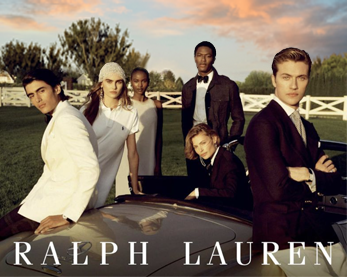
I like to think of the rising stars of the Golden Age of the silver screen when classic style was pop culture. My grandmother and I used to watch old movies with her favorite actor was Cary Grant. In those days the black-tie events with big bands with stylish fashion and celebrities set a standard of excellence. Champaign flowed and evening gowns, sparkled diamonds among the stars of Hollywood, legionary actresses and actors who stared in some of the most famous movies of the times.
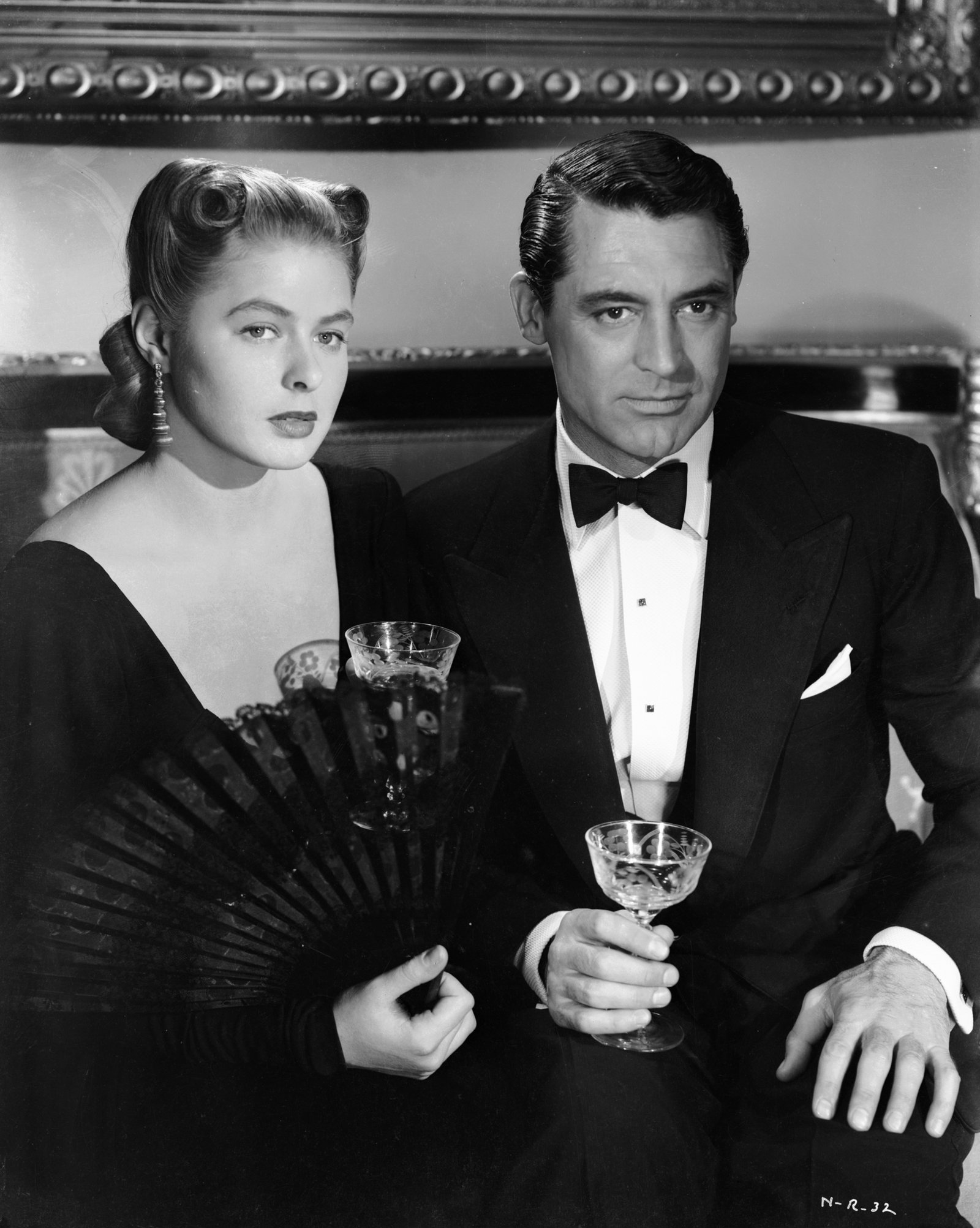
Carry Grant, Humphrey Bogart, Ingrid Bergman and the truth behind the stage. They were larger than life Hollywood luminaries for decades, from the 1930’s well into the 1960’s, they entertained millions.
Even at the early points in her career, Ingrid Bergman had proven herself as a versatile artist. Her performances were iconic, with films ranging from psychological thrillers, like Rage in Heaven, to horror, where she played in Dr. Jekyll and Mr. Hyde. The famous Inermezzo, is a romance film. She won an Oscar for best picture in 1942 for Casablanca.
Her formative years, marked by both loss and determination, instilled in her the emotional depth and vulnerability that would define her performances and endear her to audiences worldwide.
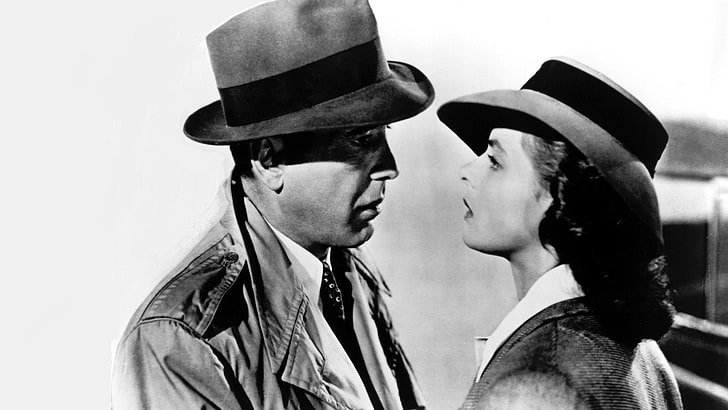
Bergman’s personal life became a public scandal. While filming Stromboli in Italy, she began an affair with director Roberto Rossellini, resulting in a child out of wedlock. This led to her being ostracized by Hollywood and denounced by the U.S. Senate. Despite the backlash, Bergman and Rossellini collaborated on several films, and she continued to thrive in European cinema, demonstrating an unwavering commitment to her craft. Bergman made a celebrated return to Hollywood in the 1956 film Anastasia, for which she won her second Academy Award.
She continued to work with some of the greatest directors of her time, including Ingmar Bergman in Autumn Sonata made in 1978, which earned her another Oscar nomination. Her third Academy Award came for her supporting role in Murder on the Orient Express made in 1974, further cementing her legacy.
Intermezzo
Ingrid Bergman’s first movie was Munkbrogreven, The Count of the Old Town, a Swedish film released in 1935. It was a lighthearted comedy in which Bergman played a minor role. Though not particularly notable, it marked her entry into the world of cinema. Her first starring role came shortly after in the 1936 Swedish film Intermezzo, which became a major turning point in her career.

This film not only established her as a leading actress in Sweden lead to her international stardom. Directed by Gustaf Molander, the film is a romantic drama that tells the poignant story of a forbidden love affair.
The film follows Holger Brandt played by Gösta Ekman, a famous violinist, who falls in love with his daughter’s piano teacher, Anita Hoffman, played by, Ingrid Bergman. Despite their passionate connection, their relationship is complicated by Holger’s family obligations and societal expectations. The story explores themes of love, sacrifice, and the consequences of pursuing one’s desires.
In Intermezzo, Bergman’s portrayal of Anita Hoffman was both tender and captivating. Her naturalistic acting style, combined with her luminous beauty, set her apart from the more theatrical performances typical of the era. This role showcased her ability to convey deep emotion with subtlety, earning her critical acclaim in Sweden.
The success of Intermezzo caught the attention of Hollywood producer David O. Selznick, who brought Bergman to the United States to star in the 1939 English-language remake of the same film, also titled Intermezzo, A Love Story. This marked her Hollywood debut and established her as a star on the international stage.
Casablanca
Intermezzo, remains a pivotal film in Bergman’s career, serving as the bridge between her Swedish beginnings and her legendary Hollywood success in Casablanca, made in 1942. Casablanca is one of the most celebrated films in cinematic history and it immortalized Ingrid Bergman as one of Hollywood’s greatest stars.
Directed by Michael Curtiz, the film is a romantic drama set against the backdrop of World War II, blending themes of love, sacrifice, and political intrigue. The story unfolds in Casablanca, a Moroccan city under Vichy French control, a haven for refugees fleeing Nazi-occupied Europe.
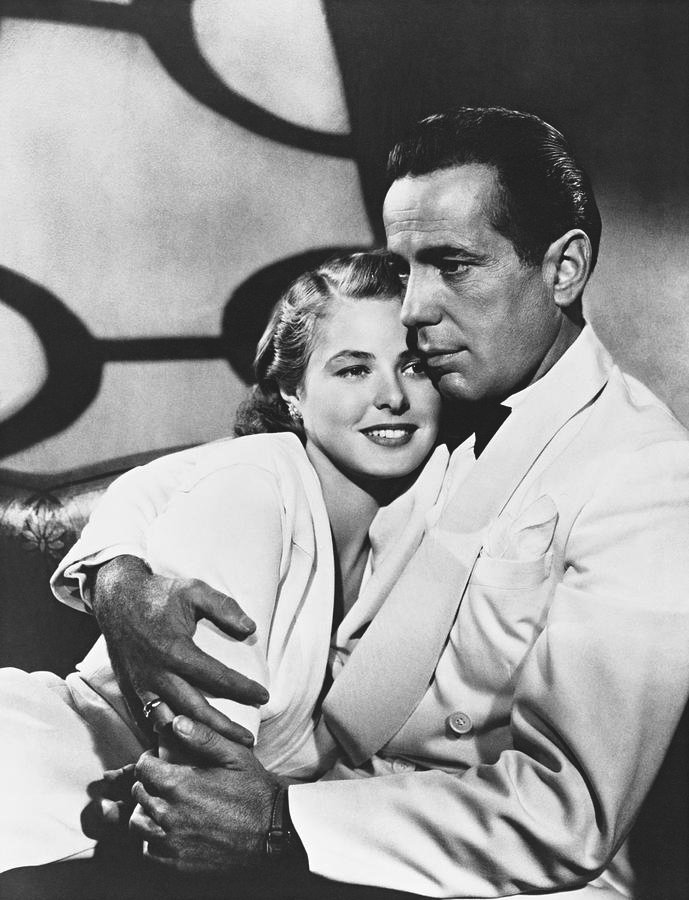
At the heart of the film is Rick Blaine played by Humphrey Bogart, a cynical American expatriate who owns the popular nightclub, Rick’s Café American. Rick’s world is upended when his former lover, Ilsa Lund PLAYED BY Ingrid Bergman, arrives in Casablanca with her husband, Victor Laszlo Paul Henreid, a resistance leader being pursued by the Nazis.
Ilsa and Victor need Rick’s help to secure exit visas to escape America, but their past romance complicates the situation. The film’s tension builds as Rick must decide whether to prioritize his own feelings for Ilsa or help her and Victor escape for the greater good. As Ilsa Lund, Bergman delivered a performance that perfectly balanced vulnerability, strength, and emotional complexity.
Her luminous presence and expressive eyes conveyed the depth of her character’s inner conflict, particularly in her scenes with Bogart. The love triangle between Rick, Ilsa, and Victor forms the emotional core of the film, and Bergman’s chemistry with Bogart is electric, even as the script deliberately leaves parts of their backstory to an open ending for a new story. Casablanca won three Academy Awards, including Best Picture, and remains a timeless classic.
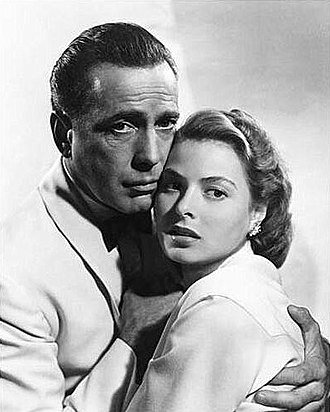
Bergman’s portrayal of Ilsa cemented her status as a Hollywood legend, and the film continues to be celebrated for its masterful storytelling, unforgettable characters, and enduring themes. For Bergman, Casablanca was a career-defining role that showcased her ability to convey profound emotions with grace and subtlety.
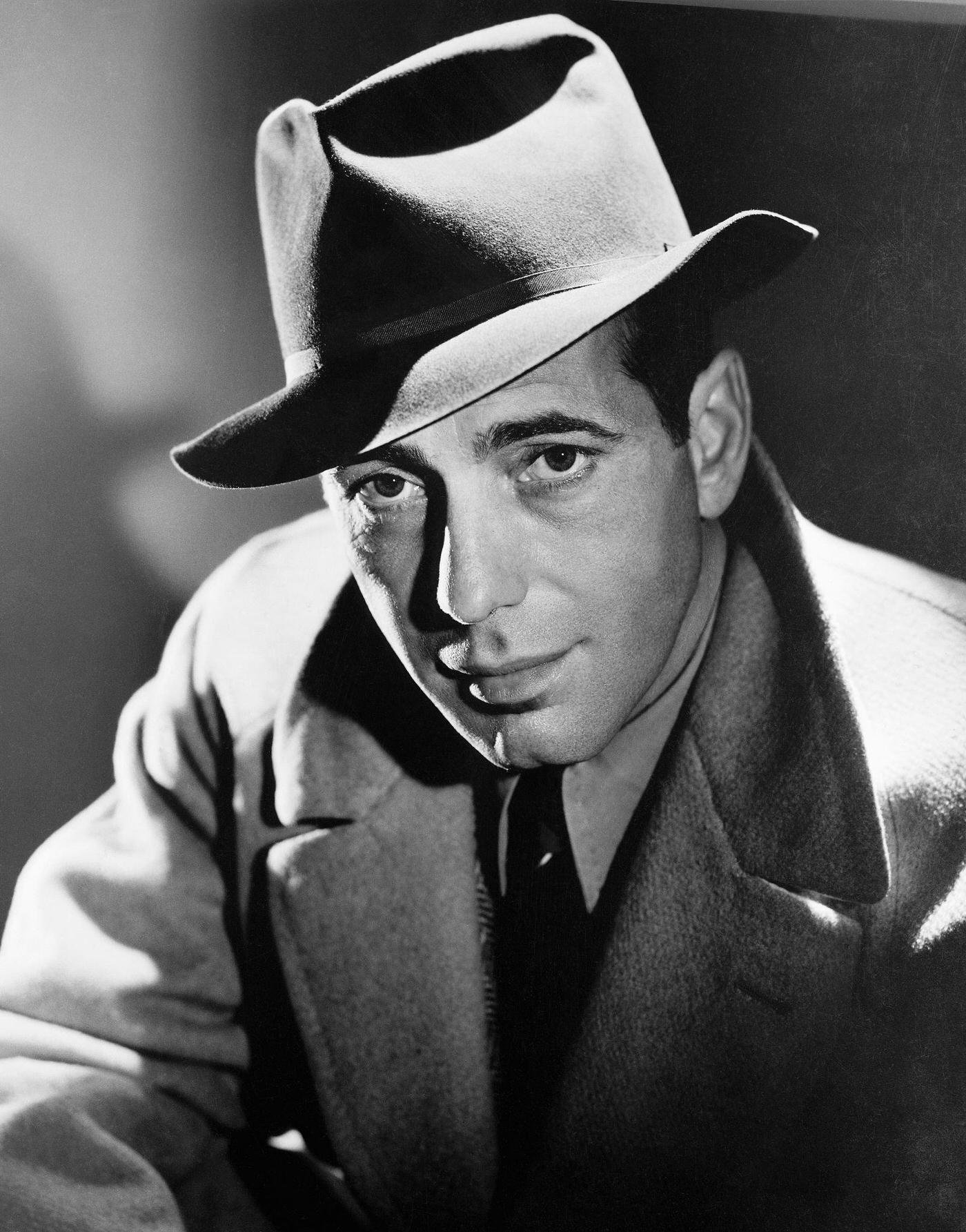
Humphry Bogart and his role in Casablanca gave one of his finest performances in his career. In his role as Rick Blaine in Casablanca, which created many iconic moments. It is considered by many people, as one of the greatest American movies ever made. It is one of the most moving love stories ever committed to film. Bogart leads one of the silver screen’s greatest ensembles.
Gaslight
Gaslight remains one of her most iconic performances, made in 1944, is a psychological thriller that earned Ingrid Bergman her first Academy Award for Best Actress. Directed by George Cukor, the film is a masterclass in suspense, exploring themes of manipulation, deception, and psychological abuse.
It is also the origin of the term, gaslighting, used to describe a form of psychological manipulation. The story begins with Paula Alquist played by, Ingrid Bergman, a young woman traumatized by the unsolved murder of her famous opera-singer aunt. Years later, Paula falls in love with and marries the charming Gregory Anton played by Charles Boyer.
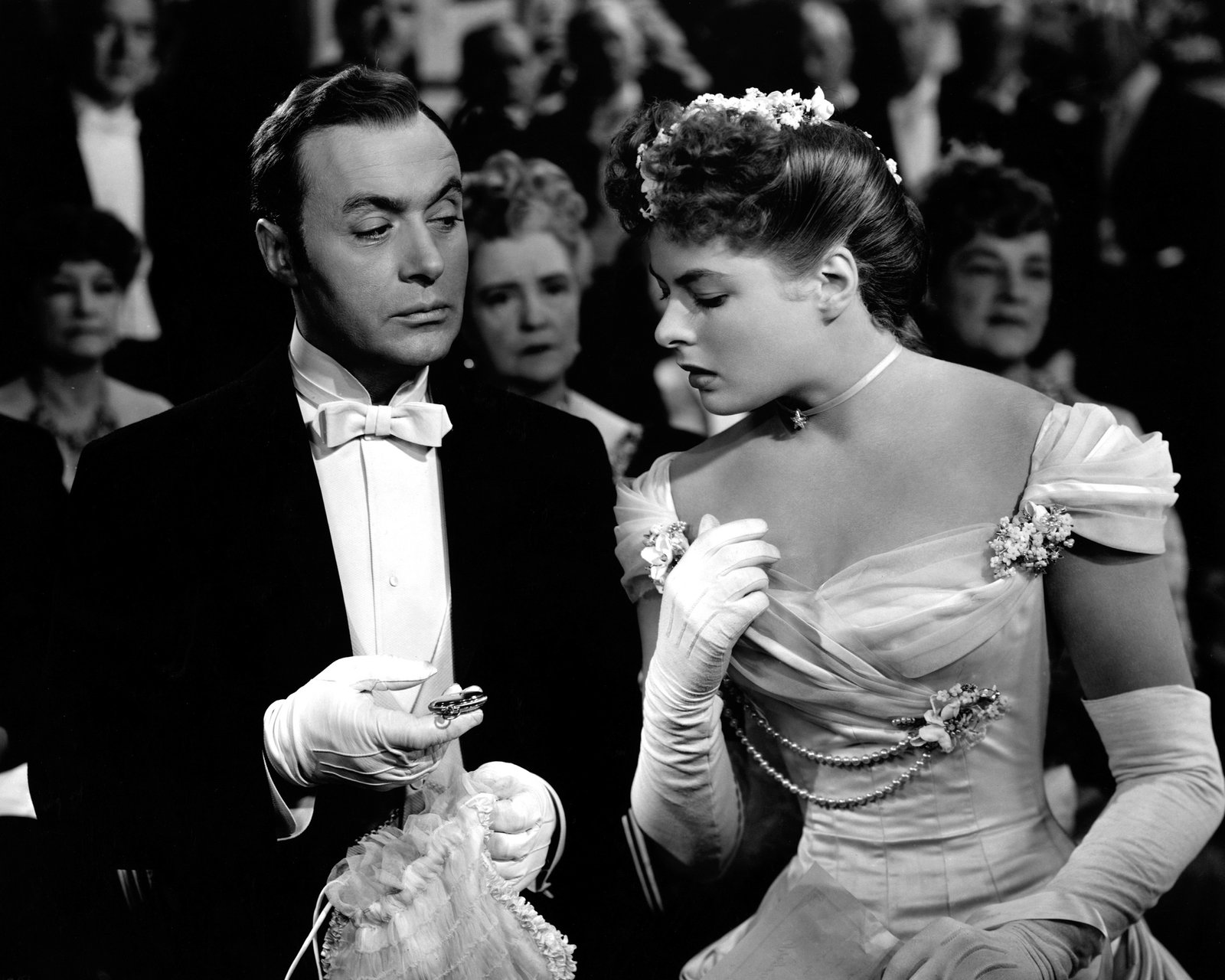
The couple moves into Paula’s aunt’s London townhouse, where strange occurrences begin to unravel Paula’s sense of reality. Gregory subtly manipulates Paula into believing she is losing her mind, isolating her from the outside world and making her doubt her perceptions. He dims the gaslights in the house while denying it happens, and hides objects only to accuse her of misplacing them. His goal was to drive Paula insane so he could search the house for her aunt’s hidden jewels without interference.
Paula’s salvation comes when a detective, Brian Cameron played by Joseph Cotten, uncovers Gregory’s sinister plot and helps her reclaim her sanity and agency. Ingrid Bergman’s portrayal of Paula is a tour de force. She captures the character’s descent into self-doubt and fear with heartbreaking authenticity, while also conveying resilience and strength as Paula fights to regain control of her life. Her performance is nuanced and deeply emotional, making Paula’s journey all the more compelling.
Her ability to depict a woman on the edge of madness with such subtlety and grace was widely praised, and the film itself became a classic of the suspense genre. Gaslight is more than just a thrilling drama, it’s a study of power dynamics and psychological manipulation. The term gaslighting has entered the cultural lexicon, underscoring the film’s lasting impact.
For Bergman, Gaslight, was a milestone that solidified her reputation as one of the most talented and versatile actresses of her time. Her performance remains a benchmark for portrayals of psychological complexity in cinema.
Notorious
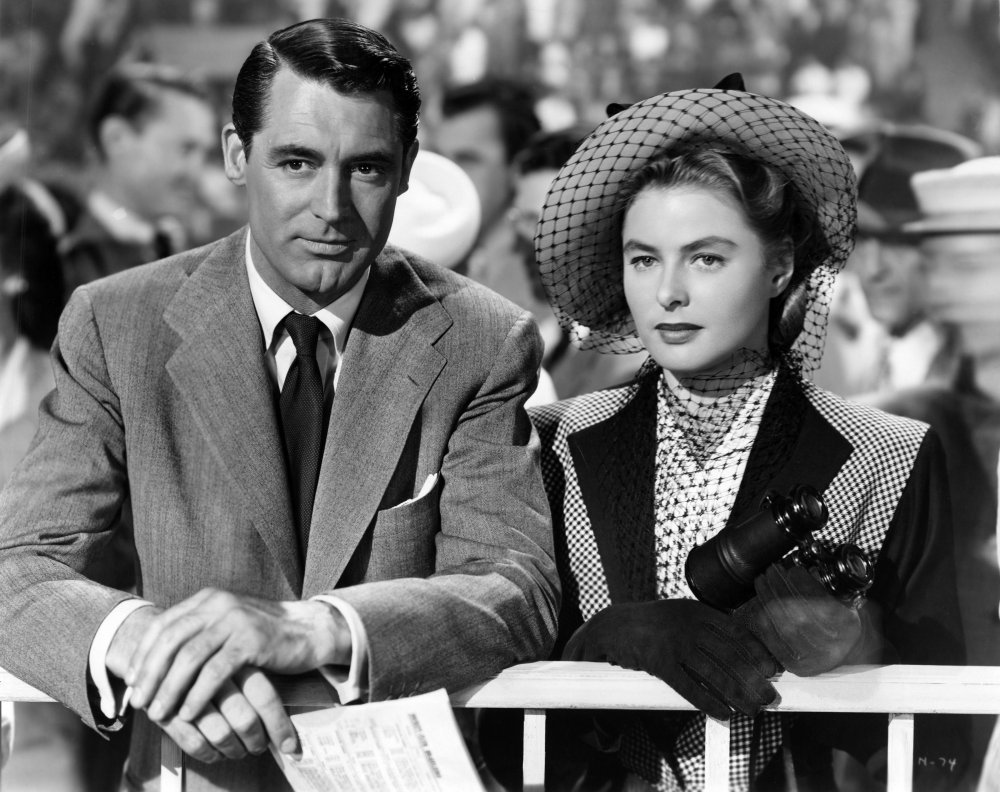
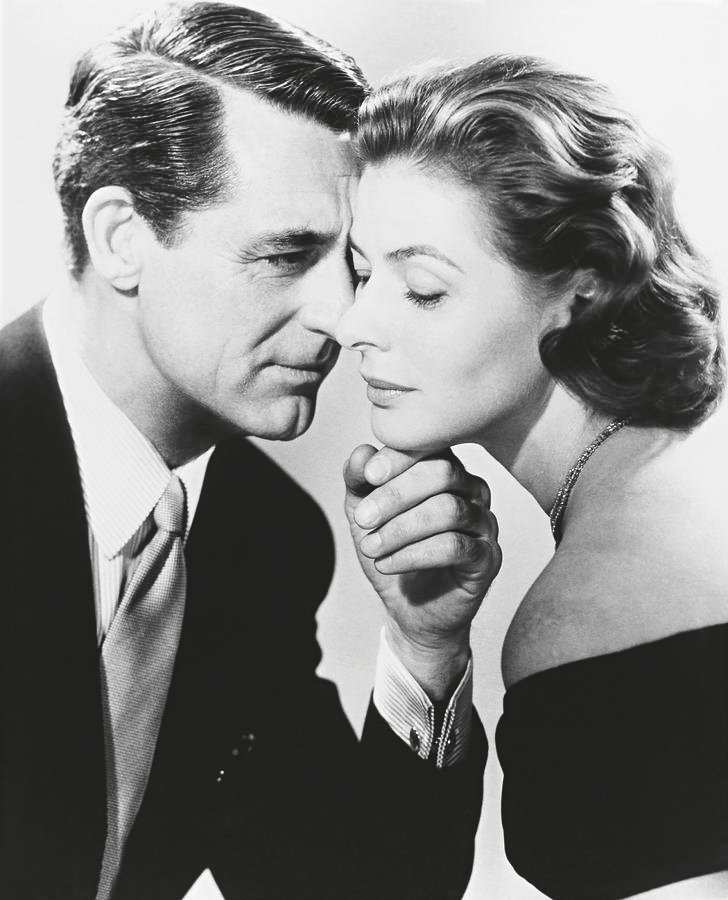
Notorious, made in1946, with Bergman’s sizzling chemistry with Cary Grant showcased her versatility and depth. Notorious is a masterful blend of espionage, romance, and psychological tension, directed by the legendary Alfred Hitchcock.
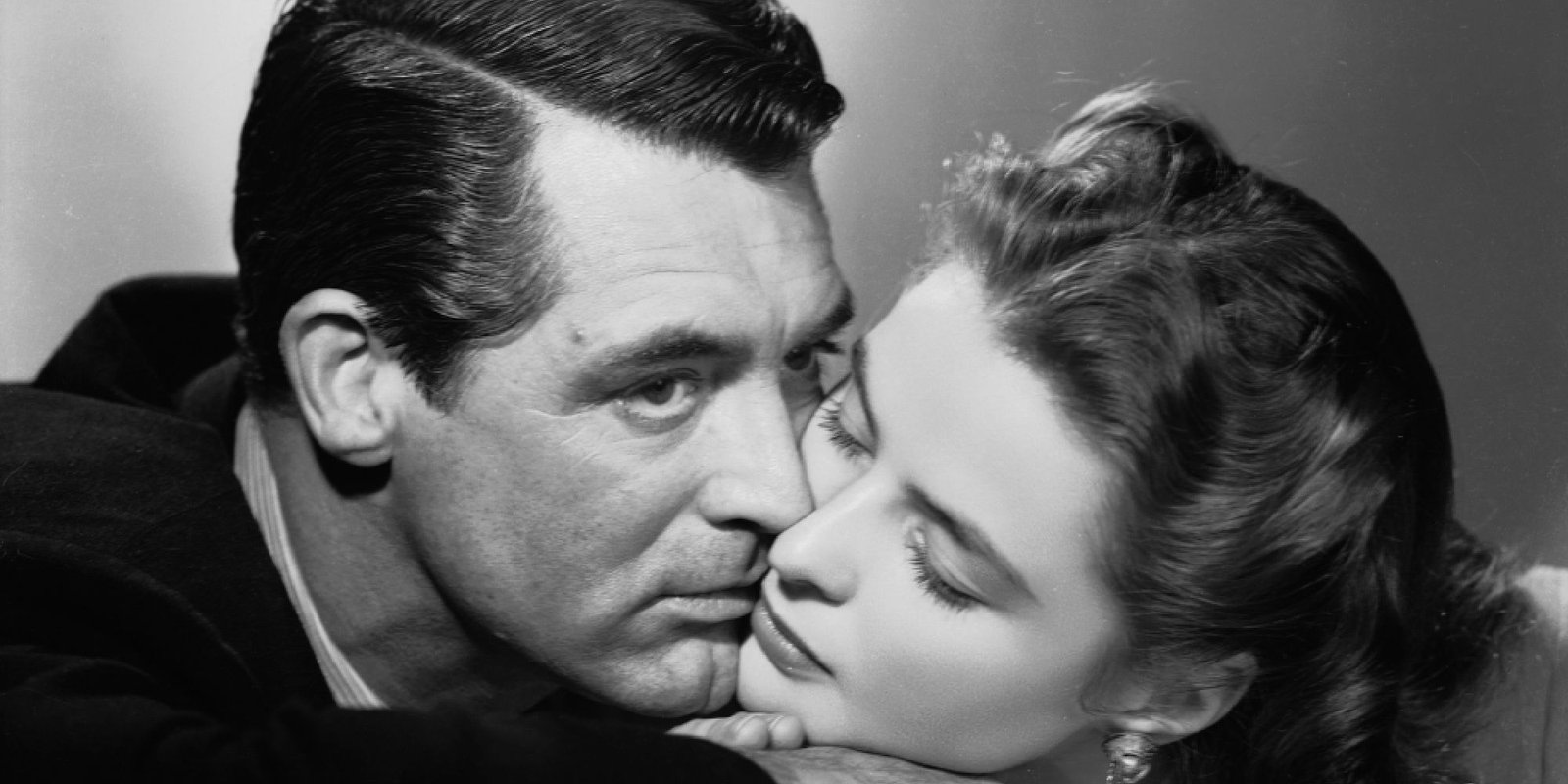
The film remains one of Hitchcock’s finest works and a testament to Bergman’s acting brilliance. Set in the aftermath of World War II, the film follows Alicia Huberman, played by, Ingrid Bergman, the daughter of a convicted Nazi spy. Disillusioned and reckless, Alicia is recruited by U.S. government agent T.R. Devlin, played by Cary Grant, to infiltrate a Nazi group operating in Brazil.
To gain the trust of the group leader, Alexander Sebastian played by Claude Rains, Alicia must seduce and marry him, despite her growing love for Devlin. This mission tests Alicia’s courage and morality, as well as Devlin’s feelings for her, leading to a taut emotional conflict. As Alicia uncovers the group’s secrets, she finds herself in mortal danger when Sebastian discovers her betrayal.
The film builds a tense climax as Devlin must rescue her from Sebastian’s clutches. Ingrid Bergman’s performance as Alicia is layered and deeply compelling. She portrays a woman grappling with guilt, love, and the demands of espionage with remarkable emotional depth. Alicia is vulnerable yet strong, seductive yet sincere, and Bergman’s portrayal captures these contradictions with grace.
Her scenes with Cary Grant crackle with tension and unspoken desire, particularly in their famous extended kiss, which cleverly bypassed the Production Code’s restrictions on screen intimacy. Hitchcock uses Notorious to explore themes of trust, loyalty, and sacrifice, weaving them into a gripping narrative.
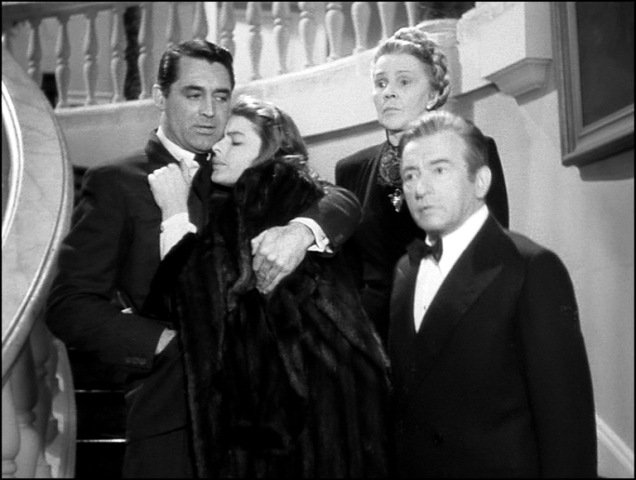
The film’s cinematography is equally iconic, especially the famous key shot, where the camera dramatically zooms in on a key in Alicia’s hand, symbolizing her precarious position. Notorious received widespread acclaim upon release and is now regarded as one of the greatest films of all time.
Bergman’s performance was praised for its complexity and authenticity, while her chemistry with Grant remains one of the most memorable pairings in cinema history. Though Bergman did not win an Oscar for this role, her work in Notorious is often cited as one of her finest performances, showcasing her versatility and her ability to anchor a film with her emotional depth and charisma.
Notorious, it is a quintessential Hitchcock film and a shining example of Ingrid Bergman’s talent. It continues to captivate audiences with its suspenseful storytelling, unforgettable performances, and the undeniable allure of its two leads.
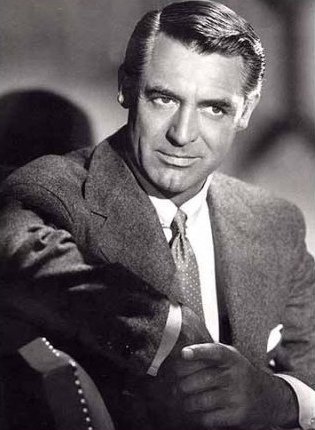
The film is celebrated for its suspense, innovative cinematography, and mature themes. Carry Grant, Ingrid Bergman, and Claude Rains performance blends espionage with a torturous love story, in which Carry Grant must push his love interest Ingrid Burgman, to marry a Nazi Claude Rains.
“Notorious is in fact Alfred Hitchcock’s first attempt, at age of 46, to bring his talents to the creation of a serious love story, and it’s a story of two men in love with Ingrid Burgman could only have been made at this stage in his life” said Donald Spoto, his biographer.
In 2006 Notorious was selected for preservation in the United States National Film Registry by the Library of Congress, as being culturally, historical, and significant to be protected for future generations.