The Welcoming
As I was driving through the charming community of Grosse Pointe Farms, northeast of Detroit along Lake St. Clair, I came upon the magnificent Christ Church built in 1930. The architecture and interior is stunning in an ‘olde English’ cathedral style reminiscent of an Elizabethan movie or Shakespearean play. Inside had the look and feel of a 16th Century Tudor England castle labyrinth with antique furnishings, rugs, and tapestries. Old stained glass windows portrayed brilliant religious scenes.
The calm, rustic atmosphere was interrupted by opera singers and classical musicians scurrying to get ready for their performance of Mozart’s “The Marriage of Figaro”. The venue was an intimate, laid-back setting, making audience interaction with the performers accessible and welcoming. Sitting on the wooden pews one was struck by the beautiful architecture and old world charm.
As soon as the Overture began, within a few bars the audience was fully aware that they were about to experience something dazzling, exuberant, grandiose, a spectacle of music, singing, and theatre arts. Then the characters of Figaro and Susanna appeared with the opening libretto and aria. The result was electric. The performance throughout the evening did not disappoint with one Mozart ‘hit’ after another.
I have been to many live operas over the years. They have all been a grand spectacle of music, singing, acting, and theatrical arts. Most often though, the stage performances are non-accessible, detached, and remote from the audience “that has been made small”. — This is not the case with Opera de Metro who goes to great lengths to be accessible and interactive with the audience. They perform operas in English to promote opera to the widest possible audience in the Detroit Metro area.
Contributing to the laid back casual vibe, the audience was primarily opera enthusiasts of all ages and backgrounds that nodded and hummed along, deeply moved with an opera they are very familiar with.
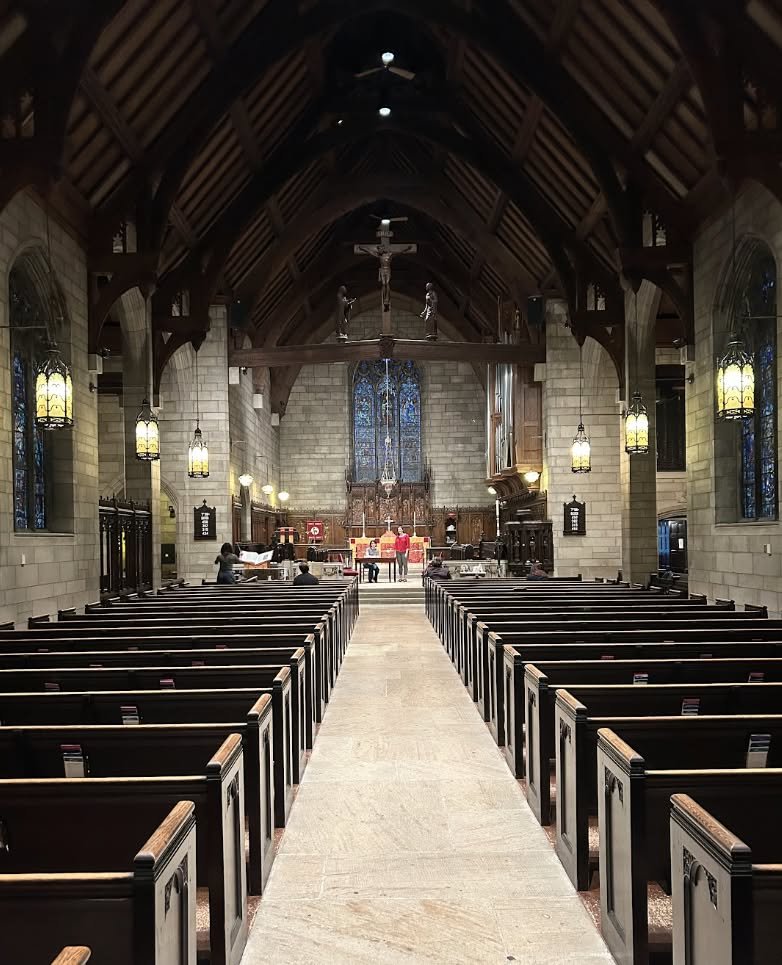
Opera venue, Christ Church Grosse Pointe
The Performance
“The Marriage of Figero” is the real thing. It is considered one of the greatest operas ever written. A masterpiece of supreme opera comedy. Wonderful music, back-to-back song hits, and hilarious twisted plot. Figaro is among the top ten most popular and most frequently performed operas worldwide. The opera is ranked number one as most favorite of opera singers (BBC).
The Opera de Metro performance of “The Marriage of Figaro” was wonderful, memorable, and masterful in all aspects – the exceptional music and singing; the contemporary era set, props, and costumes; English language libretto and arias; the hilarious slap stick comedy. The talented professional musicians and singer-actors were marvelous with overflowing joy and love of music, showing their deep passion and dedication to their craft. The singers’ attention to detail with little nuances, expressions, and body language boosted both the comic and dramatic effects.
Overture
Wolfgang Amadeus Mozart (1756 to 1791) composed “The Marriage of Figaro” (Le Nozze di Figaro) in 1786. He wrote the opera in only six weeks and conducted the premiere in Vienna to positive acclaim. The opera quickly became a popular and successful hit. Lorenzo da Ponte wrote the Italian libretto. He and Mozart later worked together on operas Don Giovanni (1787) and Cosi fan tutte (1790). The story is based on the controversial stage play “The Mad Day, or the Marriage of Figaro” by Pierre Beaumarchais. Austrian Emperor Joseph II approved the edited Mozart version production. Mozart was paid three times his annual salary for the opera.
The Story – Mozart’s Art of Satire
The opera is a zany, screw-ball, romantic comedy set in one crazy, chaotic day. Mozart’s and da Ponte’s keen humor is on display with lively, cheeky, and funny plot twists, mistaken identities, fraudulent trickery, and practical jokes, making it a pure delight.
It tells the story of how the Count’s and Countess’s servants Figaro and Susanna succeed to get married. They conspire with the Countess to foil her husband the Count’s attempts to block the marriage so that he can seduce Susanna. The Count discovers their scheme and sets up a contrived blackmail scheme to force Figaro to marry another woman, Marcellina, whom Figaro owes money. But it turns out that Marcellina is Figaro’s long-lost mother. The Countess and Susanna then switch garments and fool both the lustful Count and jealous Figaro. The Count is caught and publicly shamed before the Countess and asks for forgiveness. Figaro and Susanna are free to marry.
Non so piu cosa son, Act I, no. 6, Cherubino
Mozart and da Ponte wrote the opera in Renaissance and Enlightenment satiric style. The story pokes fun at the vices and follies of its characters – the Count’s uncontrollable lustful obsession with arrogant pride, power, and control through sexual dominance; Cherubino’s infantile infatuation with physical desire and pleasure; Figaro’s rage and humiliation by his benefactor the Count; the Countess’s despair and self-degradation over her husband’s infidelity. Susanna alone stands out with reason and virtue which she uses to pull the Countess out of her depression. In the end reason and virtue win out.
The political design of the satire was part of the intellectual circle around Austrian reform Emperor Joseph II. Before the Reigh of Terror of the French Revolution, European aristocracies both admired and feared the implication of the American Revolution. Joseph wanted to modernize and industrialize Austria with science and technology. This required ‘uplifting’ the cognitive abilities and education of the population to develop an industrial economy.
The artists, composers, writers, and intellectuals gathered by Joseph were given the task of ‘uplifting’ the culture of the population. Satir was a powerful tool in their trade to provide a ‘mirror’ to confront the population with their own follies, flaws, and superstitions. Mozart was part of Joseph’s circle and composed four great opera satires – The Marriage of Figaro, The Magic Flute, Don Giovanni, and Cosi Fan Tutti.
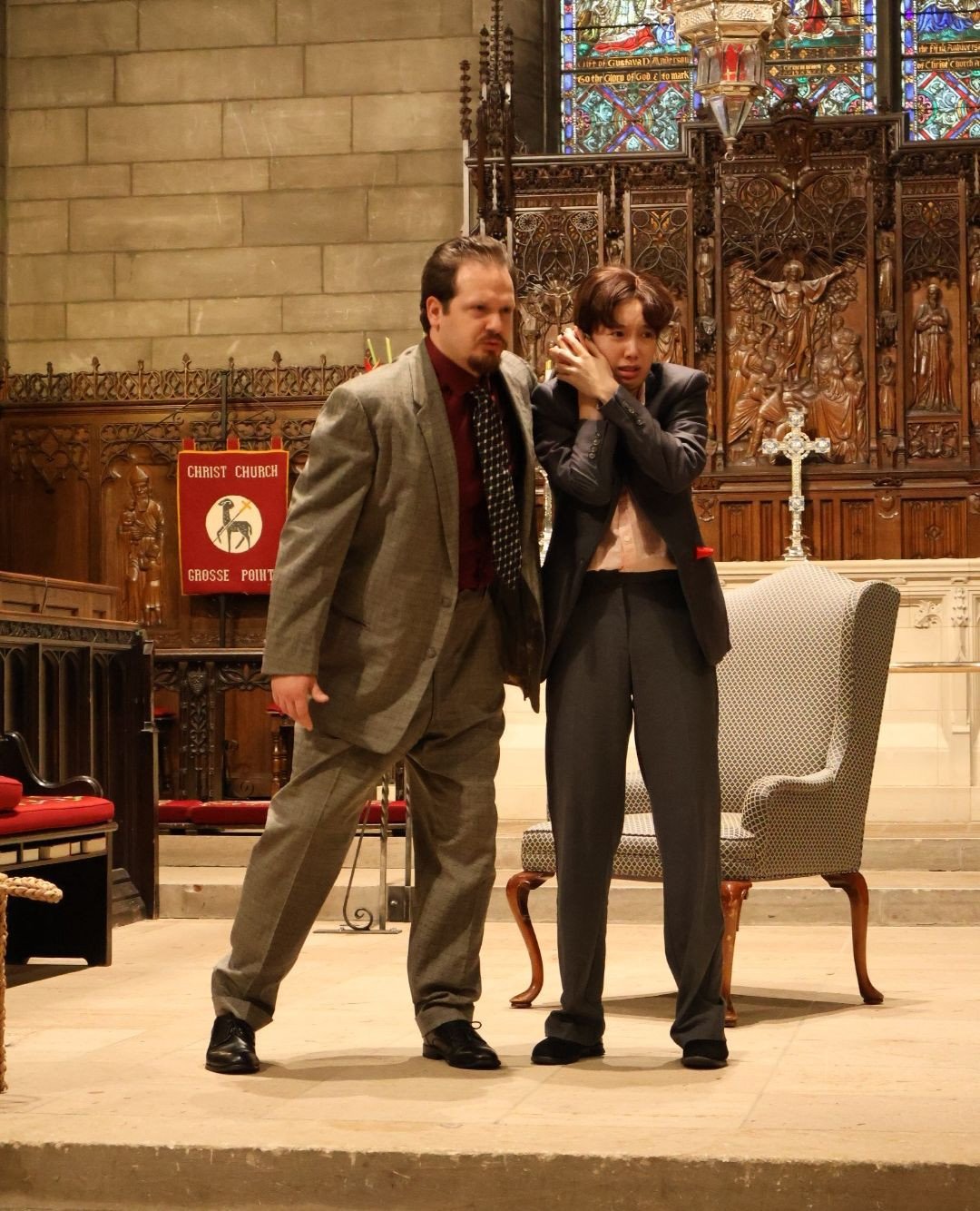
The Count and Cherubino
Opera de Metro’s Contemporary Setting
Patrick McNally directed the Opera De Metro production of Mozart’s masterpiece “The Marriage of Figero”. In the following letter Patrick describes the company’s production concept to make the opera more accessible to modern audiences.
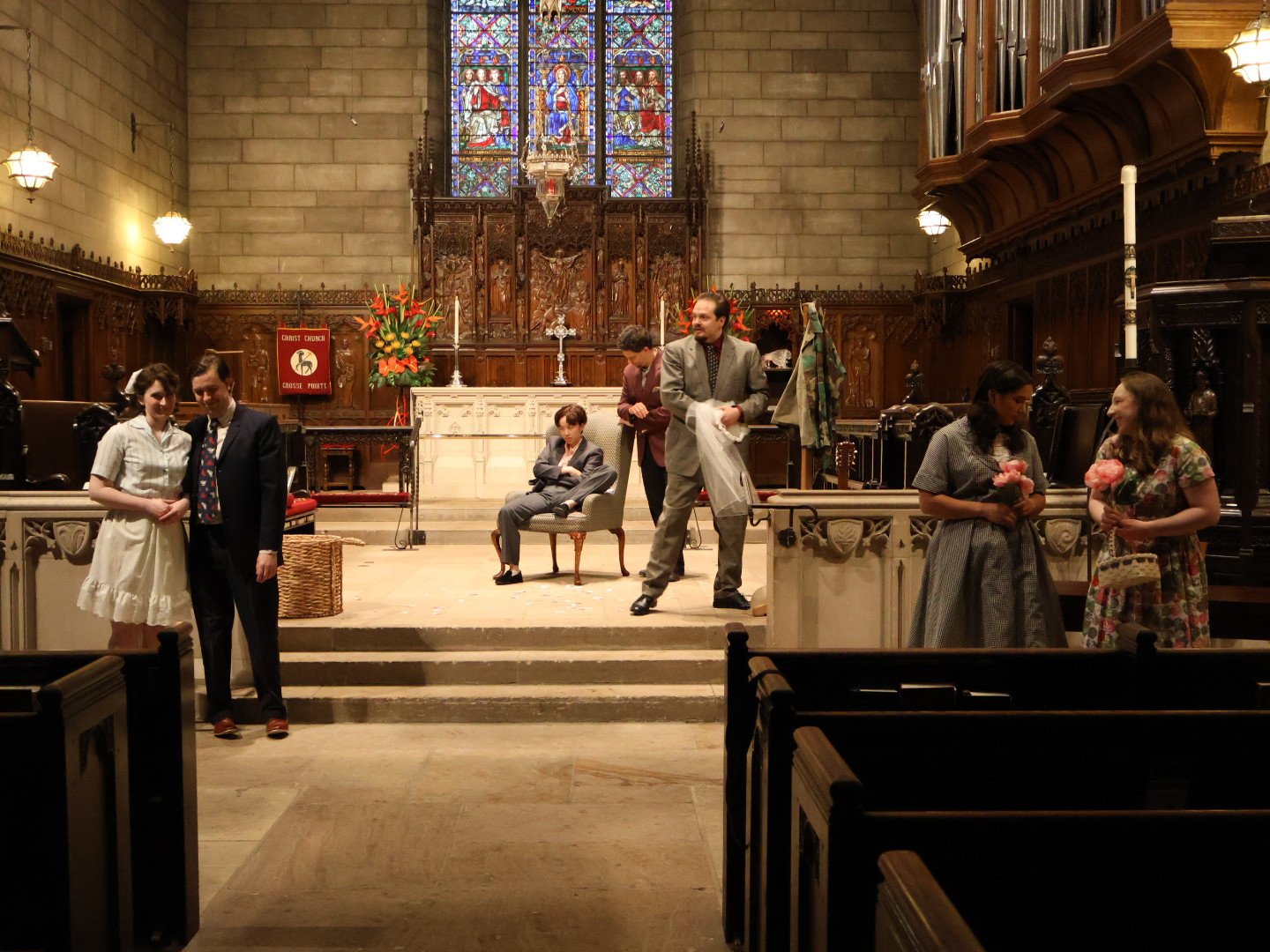
“The opera is set in early 1950s America—an update that aligns strikingly well with the opera’s core themes while preserving its musical and dramatic integrity. What drew us there is how cleanly the opera’s fault lines map onto our own American history in mid-20th century America: a culture of rigid hierarchy presented as natural and benevolent, enforced by law, church-adjacent morality, and yet already under strain. If Beaumarchais’ Figaro play sits on the lip of the French Revolution, this 1950’s world sits just before African-American civil rights, second-wave women’s liberation, war in Vietnam, mass broadcast television, shift in American cultural values, and youth revolt break the surface. The system isn’t broken yet; it’s beginning to crack. Think Mad Men goes to the opera!
Non piu andrai, Act I, no. 9, Figaro
Our Don Draper, Count Almaviva, is a Silent Generation well-connected high earner who is patriotic, philanthropic in public, and accustomed to quiet compliance. Figaro is educated labor: a hotel manager type who runs the machine but is constantly reminded of the ceiling. Susanna is the indispensable operator (secretary/house manager) who allows the system to function without seeing the real benefits. Marcellina and Bartolo become Greatest Generation old money procedural traditionalists as people who believe in the leverage of documents. Cherubino is a draft-age adolescent, the first hint of a generation that won’t behave.
In that frame, sexual politics don’t need any real change. The Count’s conduct reads as workplace sexual harassment and institutional abuse, entirely legible within mid-century “respectability.” The Countess’ arc tilts toward awareness of her own erasure, as Rosina becoming disillusioned with what her life is supposed to be about.
The ending is where the period does the most work without touching a note. The Count’s pardon reads as a public concession that may or may not hold. We don’t ask the audience to believe the system is repaired; only that we see the beginning of the change. America was a complex place in the period and we aim to keep Figaro complicated. In short, the update isn’t as much a concept so much as a solvent for audiences: it clarifies power, sharpens gender, and renders Cherubino urgent, while leaving Mozart untouched, and bringing this beautiful masterwork to American audiences in a fresh new way.”
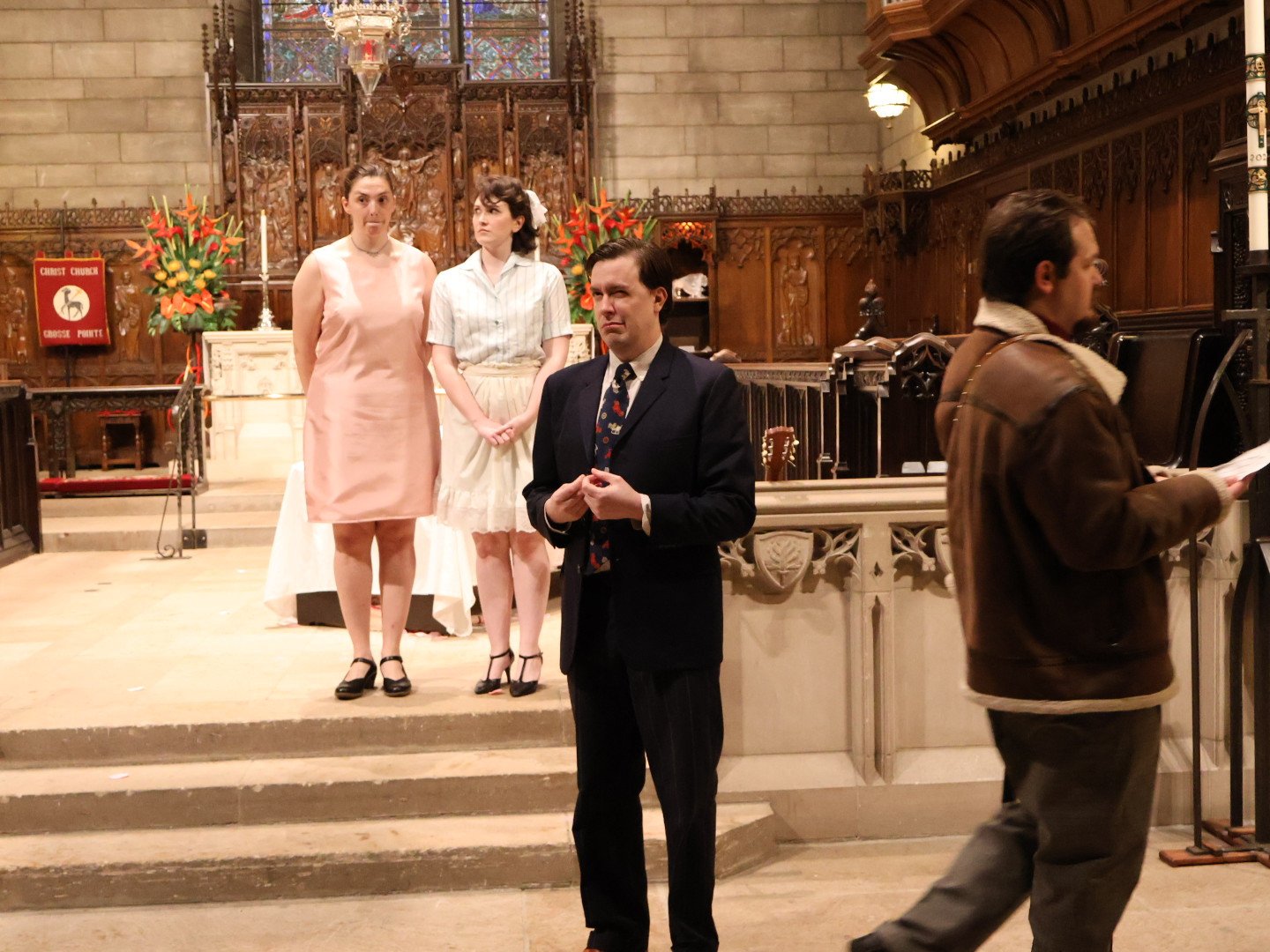
The Countess, Susanna, Figaro, and the Count.
The Music
Though directed in a casual tone and mood, the production was a masterclass in professional operatic theatre. Highly trained and talented professional opera singers and classical musicians excelled, meeting all expectations.
When I first learned about Opera de Metro I was awe struck about the people involved – they are seasoned professionals. The producers, musicians, and singers all have extensive resumes in opera, choir, and classical music. Most have Masters degrees in music or voice, others are pursuing a Masters, a few have PhDs, some have studied in Europe. All have performed in a long list of opera and musical productions.
The performance musicians were conducted by Music Director Madeleine Krick with Assistant Music Director and pianist Sara Chiesa. The professional classical musicians included: Sara Chiesa piano, Tracy Dunlap 1st violin, Bethany Backos 2nd violin, Gabe Paese viola, Mauricio Betanzo cello, Maggie Ryan bass, Abi Middaugh flute, Taewoo Kim clarinet, and Braadley Johnson bassoon.
As to Mozart’s music it is nothing less than sublime beauty that touches that part of our soul where we are most vulnerable. It is universally loved because it speaks to our humanity and aspires to our highest ideals in an easily comprehensible musical language. The Marriage of Figaro is a humorous and uplifting ‘people’s’ opera with themes of the struggle for freedom, virtue, justice, and equality.
The fast-paced, joyful overture and underlying score sets an atmosphere representing the hectic day of the wedding. It flows with grandiose melody and passionate depth of feeling. Mozart is at the height of his game full of wit, charm, drama, comedy, and romance. The opera proceeds with song hit after hit. The audience is sure to be humming several tunes afterward.
Johannes Brahms said “In my opinion, each number in Figaro is a miracle, is totally beyond me how anyone could create anything so perfect; nothing like it was ever done again.” Pyotr Ilyich Tchikovsky compared Mozart’s opera as “God like, unattainable divine beauty.” After seeing a Mozart’s opera performance, George Bernard Shaw said, “When God listens to music, he listens to Mozart.”
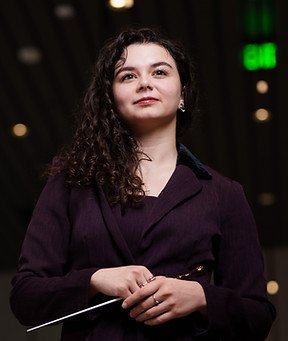
Madeleine Krick, Conductor and Artistic Director.
Madeleine is the founder and artistic director of Opera de Metro. She is currently working on her Masters of music degree. Madeleine has worked with San Diego Opera NEO, Macomb Symphony, Orchestra, Detroit Concert Choir, and the L’Institut Canadian d’Art Vocal. Her notable roles as conductor include The Gift of the Magi, The Magic Flute, L’Elisir de Amore, Die Fledermaus, and Il Camanello.
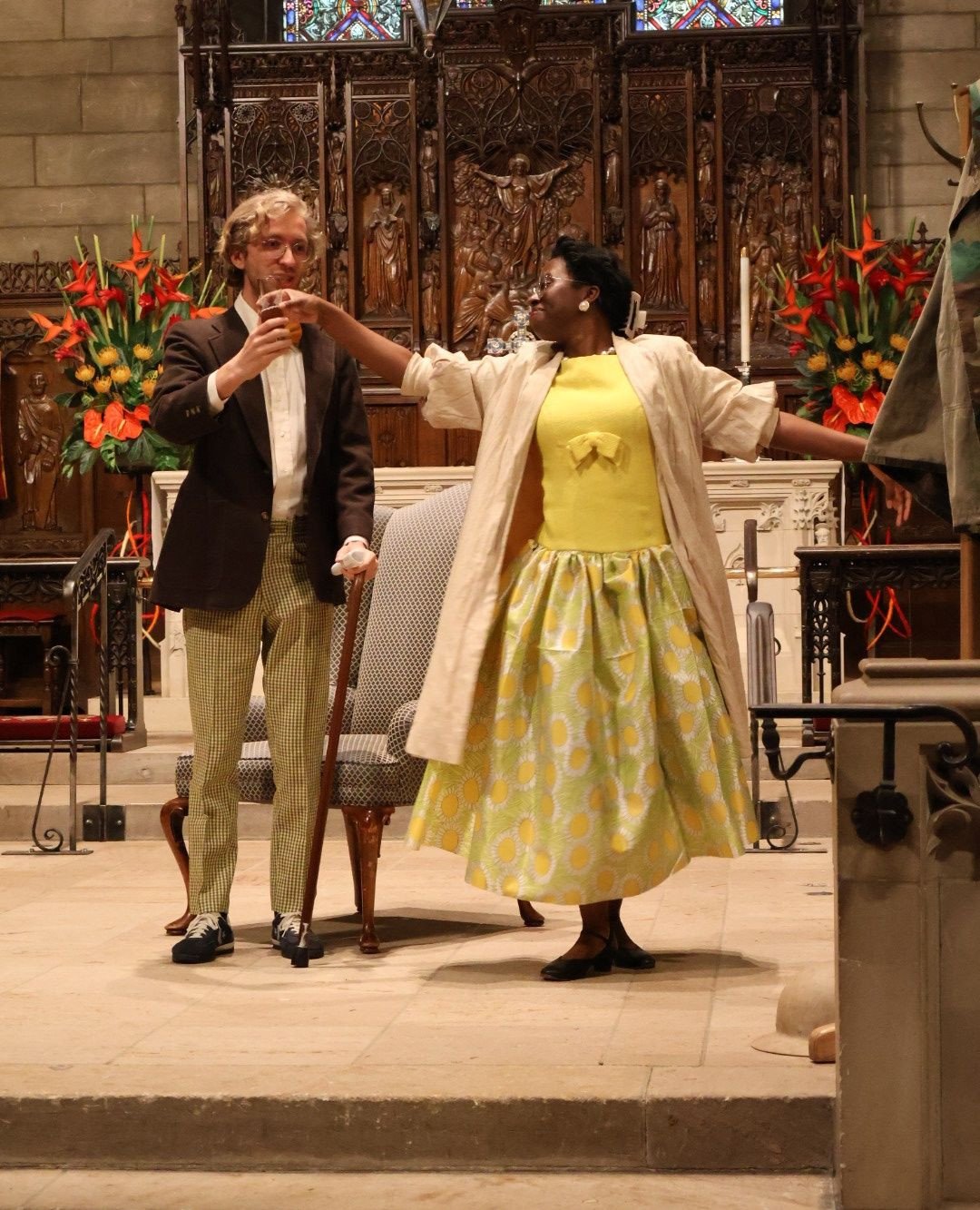
Bartolo and Marcellina
The People
The Marriage of Figaro production by Opera de Metro is presented in a wonderful, fresh, and innovative approach that is very accessible to modern audiences.
Opera de Metro is an up-and-coming, non-profit, professional opera company dedicated to promoting opera in the Detroit Metro area. Formed in 2024 by Madeleine Krick and Jake Surzyn, the company has performed several opera and choir productions, including Mozart’s “The Magic Flute”, Purcell’s “Dido and Aeneas”, Conte’s “The Gift of the Magi”, and Handel’s “Messiah”. All productions are performed by professional opera singers and classical musicians. The company also hosts annual high school and adult singing contests.
Opera de Metro believes that opera is an art form meant for all. That it has the power to unite all through universal human experiences, be they laughter, loss, tragedy, or joy. Opera offers audiences the opportunity to find themselves reflected in the stories told on stage, whether they are first time opera goers or seasoned aficionados.
Each stage production is directed into a ‘modern’ and English language frame-work which maintain’s the original work’s integrity. In this way the company attempts to draw new audiences to experience and appreciate this great art form of music, drama, and comedy.
Sull’aria, Act III, no. 20,
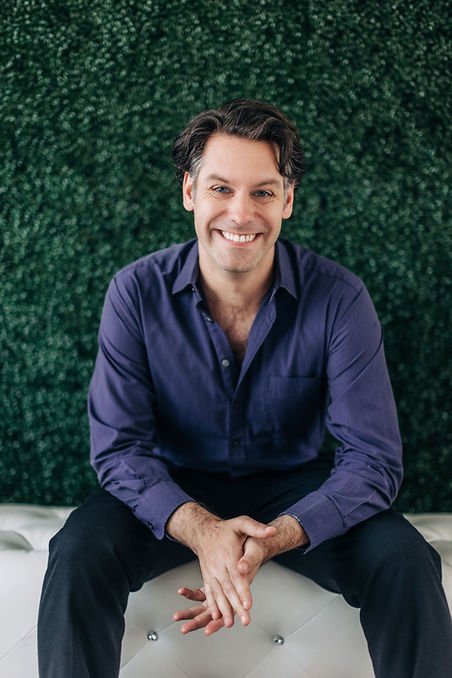
Patrick McNally, Director
Patrick McNally is a highly acclaimed opera baritone with an extensive background in singing, directing, and teaching. He has worked with many opera companies in the U.S. and internationally. Patrick is an assistant professor of voice at Texas A&M University. His extensive list of notable roles include Cosi fan tutte, Gianni Schicchi, Carmen, La Boheme, Pagliacci, The Barber of Seville, Don Gionvanni, La Traviata, Rigoletto, Faust, Cavalleria rustica, L’elisir de amore, and others.
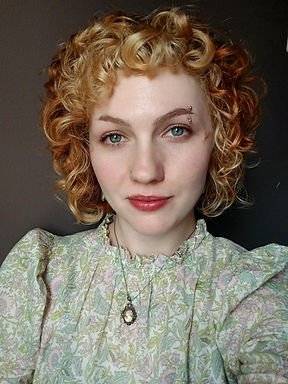
Maryn O’Brian
Maryn O’Brian plays a critical behind the scenes role with Opera de Metro in community outreach, costume design, and performance production activities. Maryn has a BA in music and performs with the Detroit Concert Choir and Grosse Pointe Community Choir.
Voi che sapete, Act II, no, 11, Cherubino
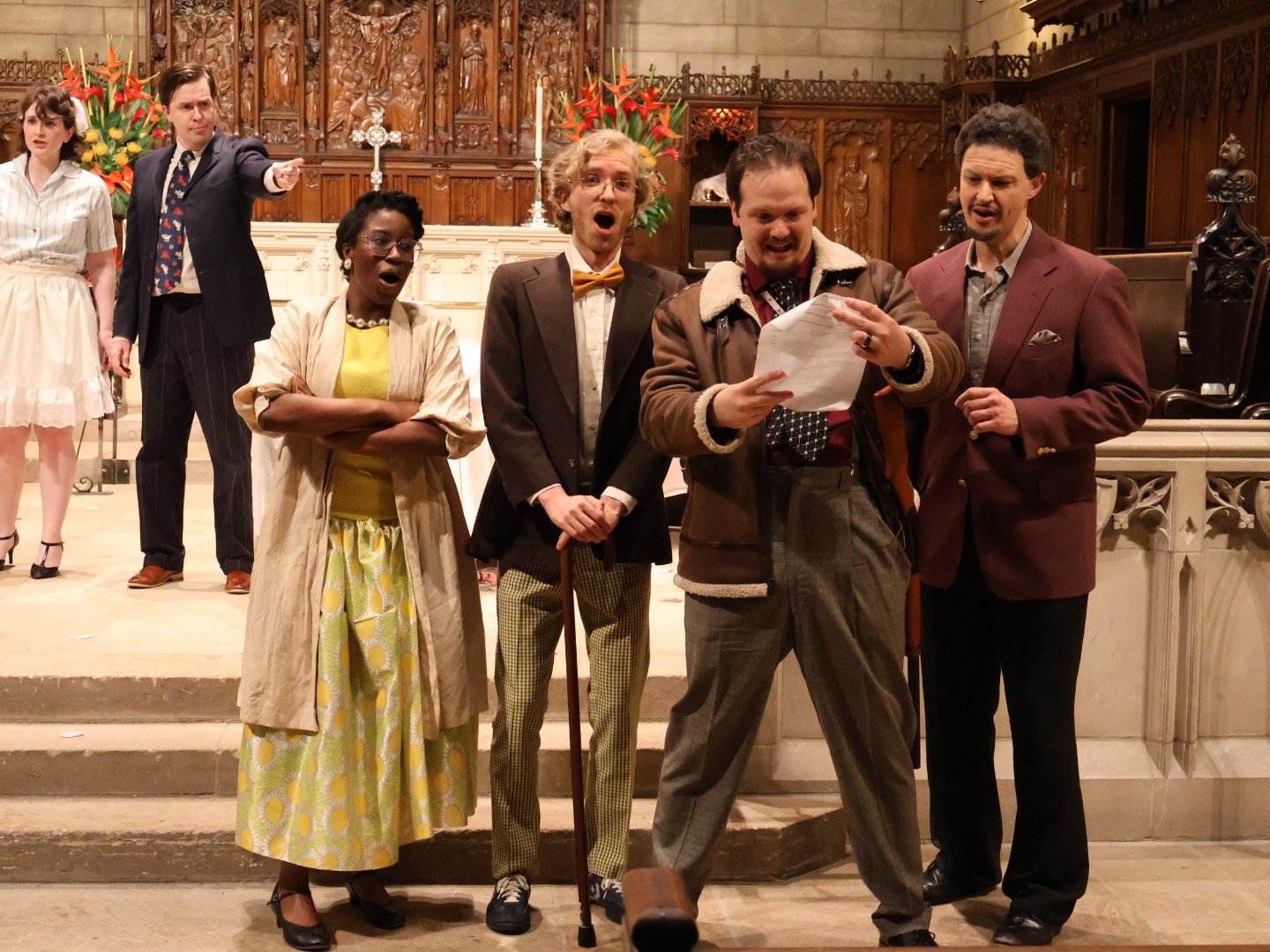
Susanna, Figaro, Marcellina, Bartolo, Count, Basilio
Cast and Characters
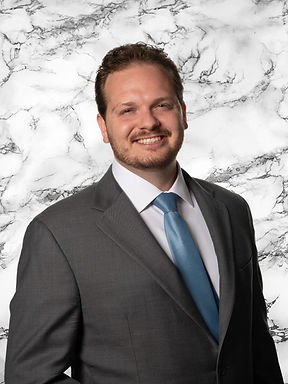
Jake Surzyn as Count Almaviva.
The abusive womanizing Count wants to stop the wedding in-order to seduce Susanna. He wants to restore the ancient right of the Count to have sex with young brides on their wedding night. The Count’s solo aria “Vedro mentro’lo” Act III (Shall I, sighing, see). Realizing he has been tricked the Count resolves to punish Figaro by forcing him to marry Marcellina.
Jake is the Executive Director of Opera de Metro and has performed with many opera companies in Detroit, Central City, Idaho, Madison, Indianapolis, and Charlottsville. He has a masters in music degree from the University of Michigan. His notable roles have been The Magic Flute, Cosi fan tutte, The Barber of Seville, Macbeth, Lucia di Lammermoor, La Boheme, La Cenerentola (Cinderella), Carmen, Rusalka, Cavalleria Rusticana, and others.
Vedro mentr’lo sospira, Count, Act III
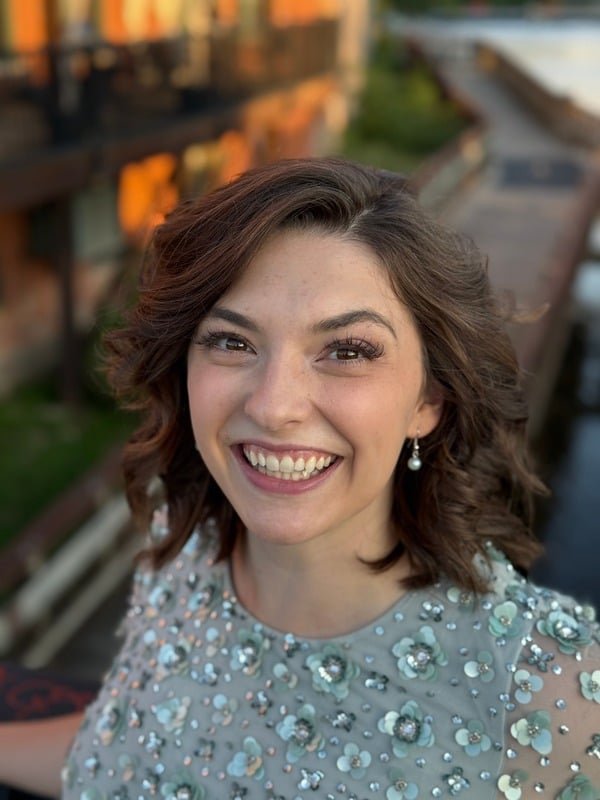
Elia Meekhoff as Countess Rosina Almaviva
Soprano Elia Meekhoff plays the Countess. She sings several beautiful but melancholy ballads about tragic love about her cheating husband. One solo aria is a tender ballad “Porgi amor” Act II (Grant love, some comfort). A beautiful heartfelt aria is the popular “Dove sona” Act III. A wonderful duet with the Countess and Susanna “Sullaria, che soave zeffiretto” Act IV. They discuss their plot to entrap the Count and expose his infidelity.
Elia is from Lansing, Michigan and has a Masters of music in vocal performance from Michigan State University. She also trained in the Netherlands and Italy. Her notable roles include The Marriage of Figaro, La Boheme, La Cenerentola (Cinderella), Sour Angelica, Falstaff, La Finta Giardiniera, Mozart Requiem, Beatrice of Benedict, and others.
Dove sono, Act III. No. 19, Countess
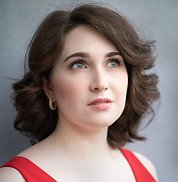
Sara Mortensen, as Susanna
Soprano Sara Mortensen plays Susanna, the Countess’s maid and pledged to wed Figaro. The Count is trying to stop the wedding so he can seduce Susanna. Susanna and the Countess devise a scheme to entrap the Count to teach him a lesson. She sings a few solo arias. “Venite inginocchiatevi” Act II (Come kneel before me), Susanna disguises Cherubino as herself to trap the Count. Another, “Deh vieni non tartar” Act IV, (Oh come, don’t delay) teasing jealous Figaro, pretending she is having a romantic rendezvous with the Count.
Sara has performed in three Opera de Metro productions, The Magic Flute, The Gift of the Magi, and Dido & Aeneas. She has a Masters of music from the Manhattan School of Music and sings with the Toledo Opera and San Diego Opera NEO. Her notable roles include La Cenerentola (Cinderella), Carmen, Romeo and Juliette, Mitridale, The Merry Widow, Ragtime, and others.
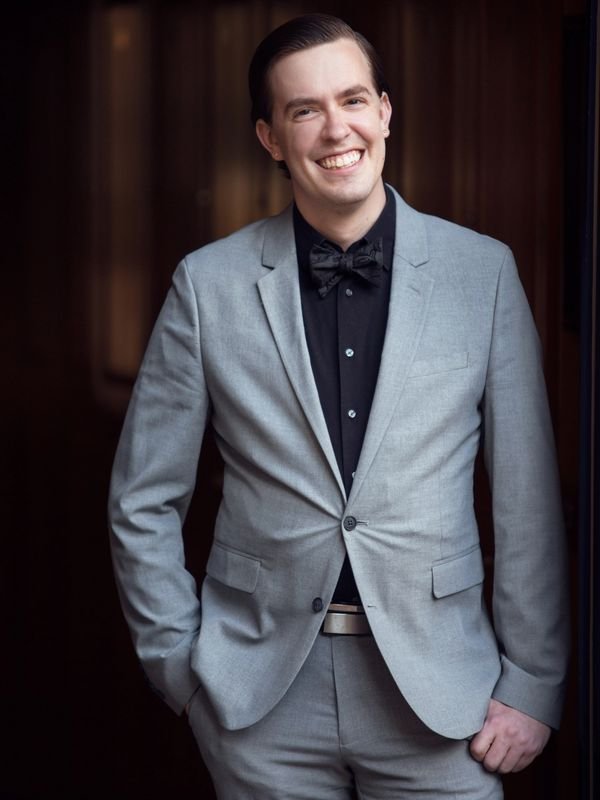
Paul Leland Hill, as Figaro
Bass-baritone Paul Leland Hill plays Figaro, the Count’s personal valet and the groom to marry Susanna. He sings several popular arias in the opera. The solo aria “Se voul ballare” (If you want to dance) in Act I. On their wedding day Figaro is told by Susanna that the Count is trying to seduce her. He sings a song of revenge to unravel the Count’s scheme. Another popular solo aria is “Non piu andrai” in Act I (No more gallivanting) where Figaro teases Cherubino that hi carefree womanizing days are over when he is in the Army. In a third solo aria Figaro sings “Aprite un po quegli occli” in Act IV. In a fit of jealousy, believing Susanna is having a romantic rendezvous with the Count, he sings of the inconstancy of women.
Paul is a Detroit area bass-baritone who performed in Opera de Metro productions of The Magic Flute and Gift of the Magi. He has a Masters in music from the University of Michigan. His notable roles include Macbeth, The Barber of Seville, La Boheme, Carmen, The Marriage of Figaro, Don Pasqualle, Lucia de Lammermoor, and others.
Se voul ballare, Act I, no. 3, Figaro
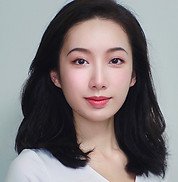
Daiyao Zhong, as Cherubino
The role of Cherubino is the Count’s page, a comical ‘breeches’ role for a female, played by soprano Daiyao Zhong. Cherubino is a hypersexual young man whose runaway hormones gets him in continual trouble with his patron the Count. Fed-up, the Count plans to send him away to join the Army.
Daiyao sings two very popular arias in the role. The solo aria “Non so piu cosa son” (I don’t know anymore who I am), in Act I. Cherubino asks Suanna to help him in get out of trouble with the Count. Another solo aria “Voi che sapate” (You ladies know about love). Cherubino describes how he thinks about romance with young woman all the time.
Daiyao returns after her company debut in Dido & Aeneas. She has a Masters of music in voice from the Manhattan School of Music and is a doctoral candidate in voice with the University of Michigan. Her notable roles include Cosi fan tutte, Der Rosenkavalier, Handel’s Messiah, Mozart’s Requiem, Beethoven’s Ninth Symphony, Hansel and Gretal, Orphee aux enfers, and others.
Other Singer-Actor Roles
Marcellina, Bartolo’s housekeeper and Figaro’s long-lost mother, played by Dominique ‘Didi’ Cooper, mezzo- soprano. She has a MFA in voice and sings with the Detroit Opera.
Bartolo the doctor/ lawyer and Figaro’s long-lost father, played by Aaron Levine, bass. He is pursuing a MFA in voice and sings in Chicago.
Basilio/ Don Curzio, the teacher/judge, is played by Matthew Cook, tenor. He has a PhD and sings with the Toledo Opera.
Antonio, gardener and Susanna’s uncle played by Byron Clinthorn, bass-baritone. He sings with the Toledo Opera.
Barbarina, the gardener’s daughter and Susanna’s cousin, played by Wallis Lucas, soprano. She has a MFA in voice and sings with the Pittsburgh Opera.
Donna, a servant played by Sarah Lawlis, mezzo-soprano, sings in Metro Detroit.
Finale ensemble
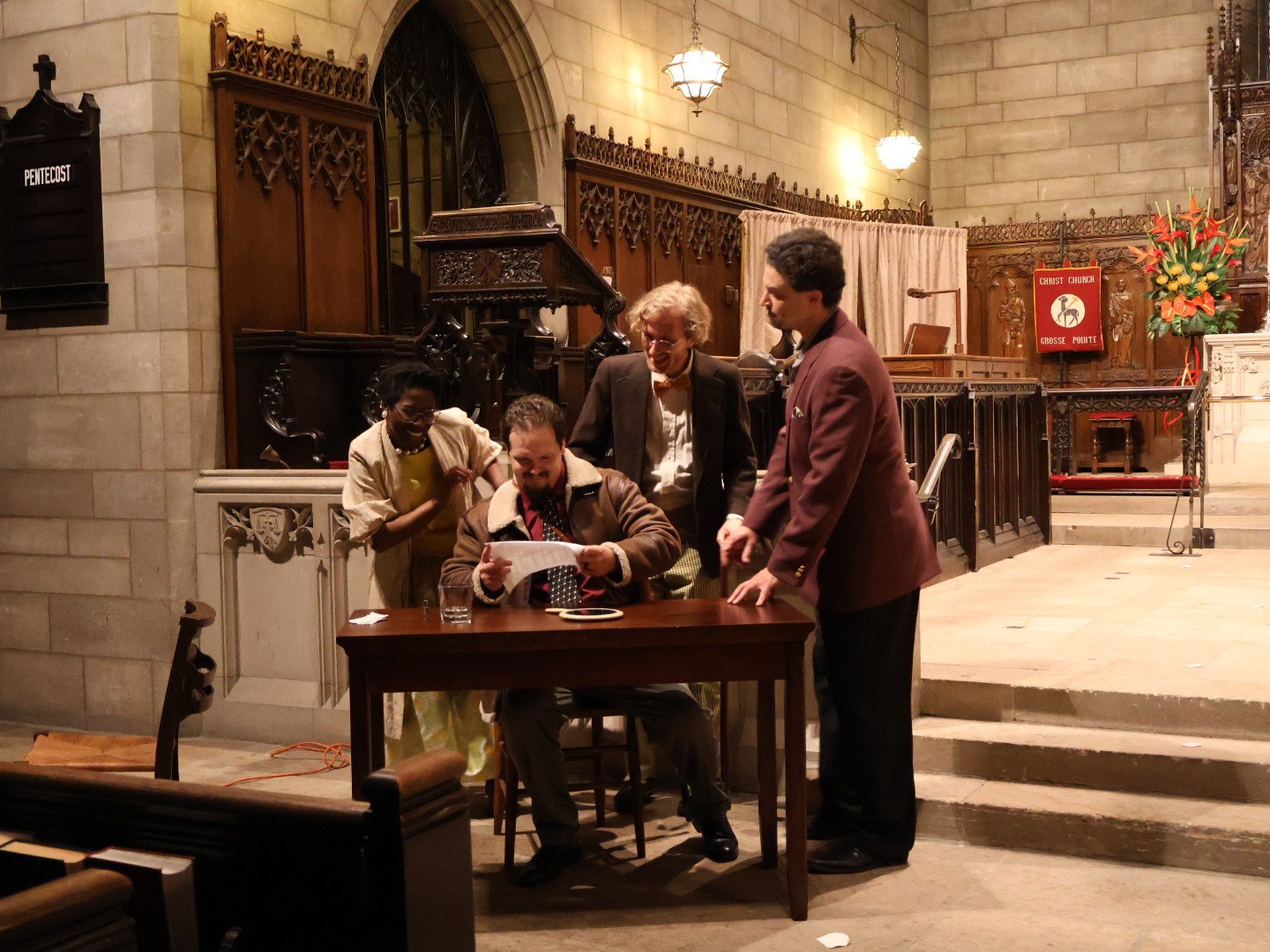
Marcellina Count, Bartolo, and Basilio
Aoide Magazine is a proud sponsor of the performance of Mozart’s romantic comic opera “The Marriage of Figaro” presented by the Opera de Metro professional opera company of Metro Detroit. The opera was performed May 30 and 31, 2026 at Christ Church in Grosse Pointe Farms, Michigan.
Opera de Metro Website: Meet Our Team | Opera De Metro