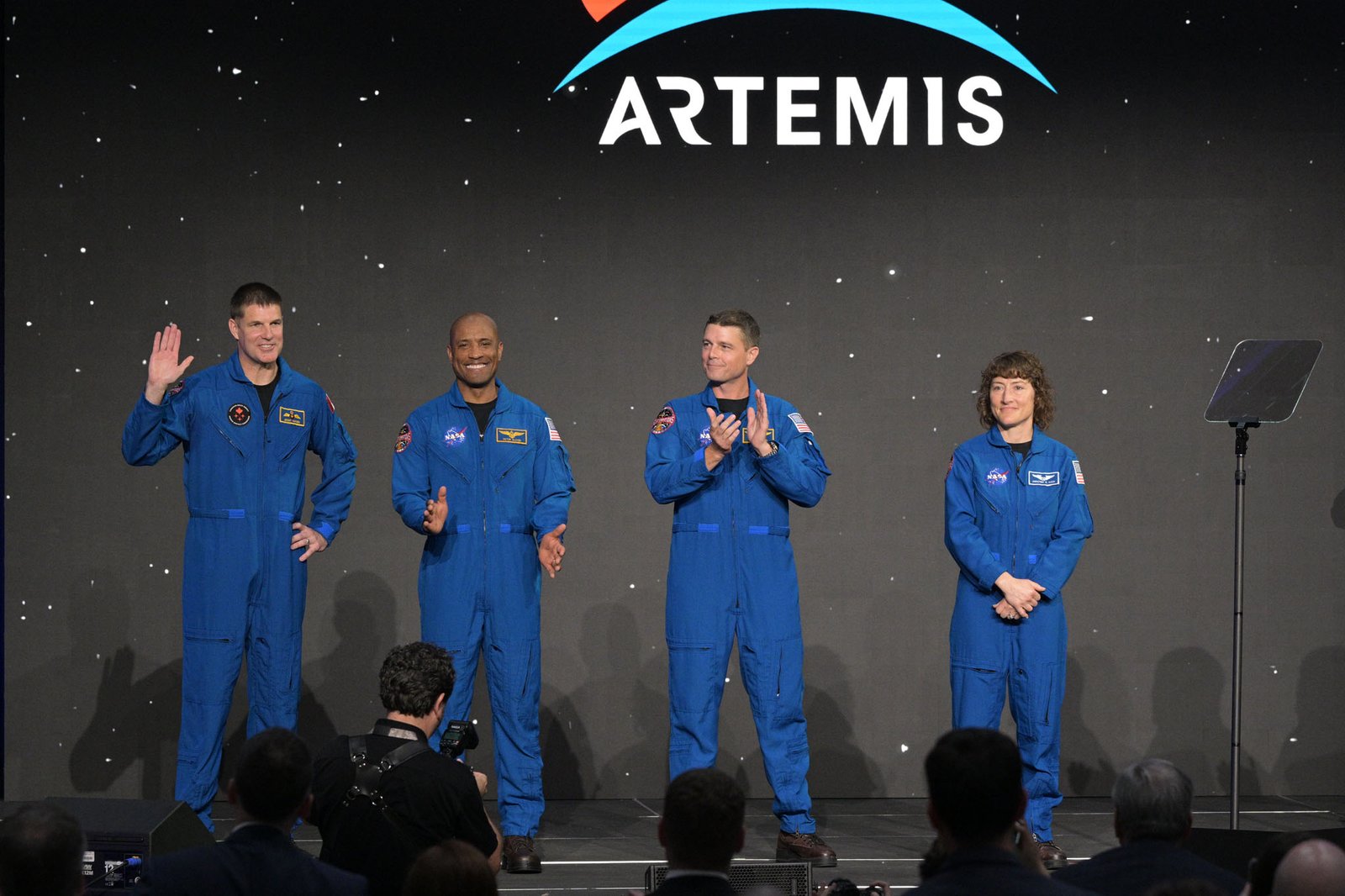
With the moon shot once again we travel into the stars. NASA launched the new project into space to reach the moon, Artemis 2, on a ten-day trip around the moon and back to earth. Artemis and Orion spacecraft lifted off from Kennedy’s Space Center in Florida on Wednesday, April 1, 2026. The Artemis 2 test flight took NASA astronauts Commander Reid Wiseman, Pilot Victor Glover, Mission Specialist Christina Koch, and CSA astronaut Mission Specialist Jeremy Hansen.
Early in the morning on Wednesday, at 7:33 am Artemis Launch Director Charlie Blackwell Thompson gave the official go for tanking and NASA teams started loading the propellants into the Space Launch System. This essential step kicked off with the chill down of the core stage of liquid oxygen and liquid hydrogen transfer lines, preparing the rocket for its historic mission.
They performed the air to gaseous nitrogen changeover and cavity inerting, a critical step to ensure crew safety and vehicle integrity. During this phase atmospheric air inside the rocket cavities is replaced with an inert gas that reduces the risk of combustion and contamination, creating a safe environment for subsequent fueling operations.
By displacing oxygen and moisture, engineers maintain the purity and stability of the rocket’s internal systems before cryogenic propellant loading begins. The launch countdown started Monday at 4:44 pm EST. Before the launch, all preparations for the rocket must be made to ensure success in the mission.
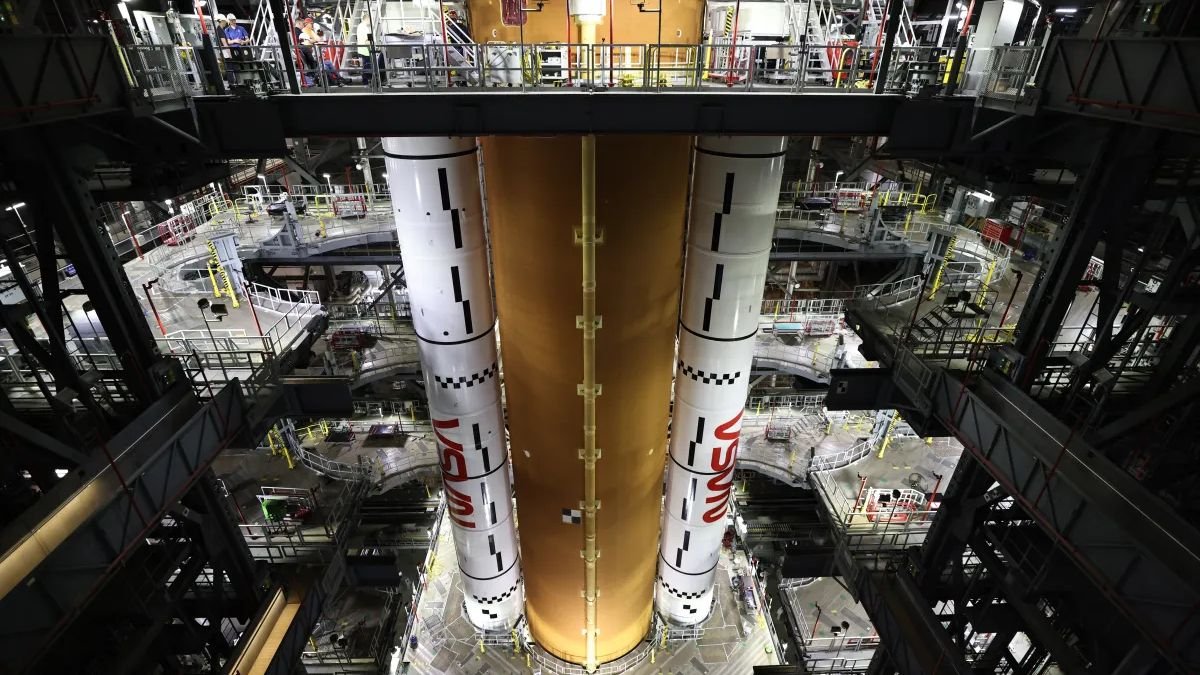
This planned pause is a critical checkpoint in the countdown sequence, allowing teams to complete essential tasks and verify systems readiness before moving forward. During this hold the engineers preform final configurations checks, review systems for health and ensure all launch sequences are met. It is also a window for resolving any minor issues without overall impacting the timeline.
These preparations are necessary to complete the mission and make sure the crew returns safely. This journey around the moon is historical. Generations from now on will look back at this moment as a steppingstone to our future. All humanity can look at this as a step closer to traveling our solar system. Building bases on the moon and Mars are our next project.
Early in the morning, the team initiated liquid oxygen and liquid hydrogen into the transfer line for cool down procedures. Chill down is a critical step in preparing the rocket for safe and efficient fueling, reducing risks and maintaining the systems integrity. The process gradually cools the plumbing and engine systems to reach the cold temperature of deep space.
Using liquid hydrogen to help prevent thermal shock and ensure the hardware is conditioned for the fuel flow of propellant during tanking. Once the chill down is complete, they follow procedure by filling 700,000 gallons of super cold liquid oxygen into the core of the rocket.
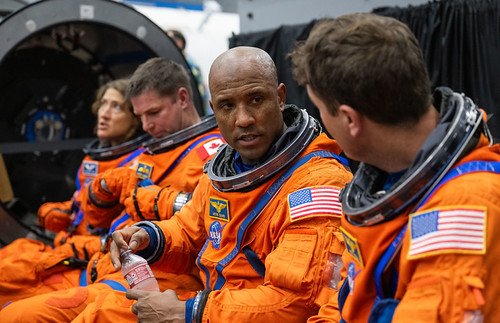
At 12:40 pm NASA’s astronauts received a final weather report briefing inside the astronaut’s crew quarters of the Neil A. Armstrong operations. This weather update provides astronauts and mission leaders with the latest conditions to launch pad 39B. Accurate weather forecasting is essential for protecting the crew and the hardware, and even minor changes can impact countdown decisions and flight dynamics. The crew was briefed on the wind speeds, precipitation, lightning risks, and sea states for splashdown contingencies, ensuring all safety criteria are met before proceeding with the launch operations.
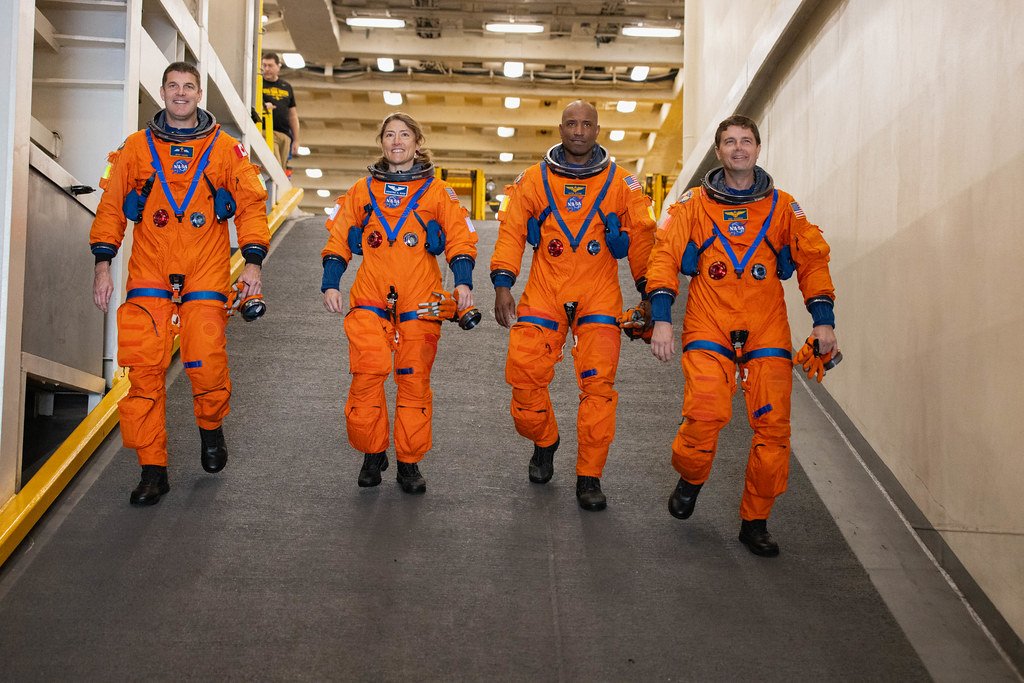
Weather officials with NASA and the U.S. Space Force’s Launch Delta 45 were tracking 80% positive weather for launch day. The crew and ground team then positioned themselves to get ready for lift off. A team of suit technicians help the crew put on their Orion Survival System suits, which they tailored for each of the astronauts for a perfect fit.
Ensuring maximum safety during their mission many advancements have been made to the current space suits. The ones we had the first time we traveled to the moon were not nearly as advanced as the new technology we have now. In 2026 I think we are ready to expand, irst to the moon then to Mars. There are many plans NASA and including Space X (Elon Musk), Blue Origin (Jeff Bezos), Virgin Galactic (Richar Branson), have for the future of space travel and interstellar traveling to the rest of the moons and to build and expand humanity to the rest of our solar system.
I believe that it should be the goal of the human race is to expand into the stars, like our ancestors believed. As our astronauts walked to the rocket to board for the mission we were reminded of the once great trip that started with Apollo 7 in 1968. Once again we return to the moon.
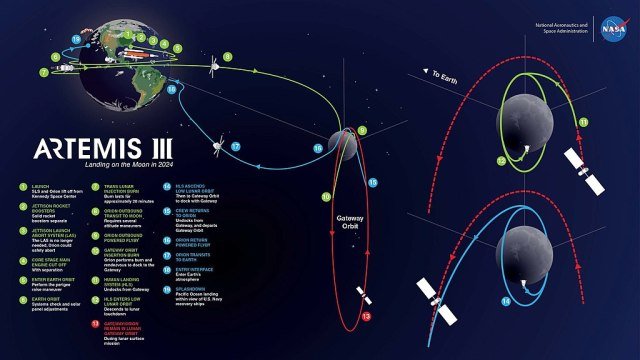
This is the first crewed deep space flight in over 50 years. Artemis 2 is expected to send the crew farther from Earth than any previous human mission, breaking a record of about 248,655 miles from Earth set by Apollo 13 during its lunar return trajectory. This milestone will occur during the lunar flyby stage when the crew returns from the Moon. Which allows the spacecraft to loop around the moon and return to Earth without entering lunar orbit.
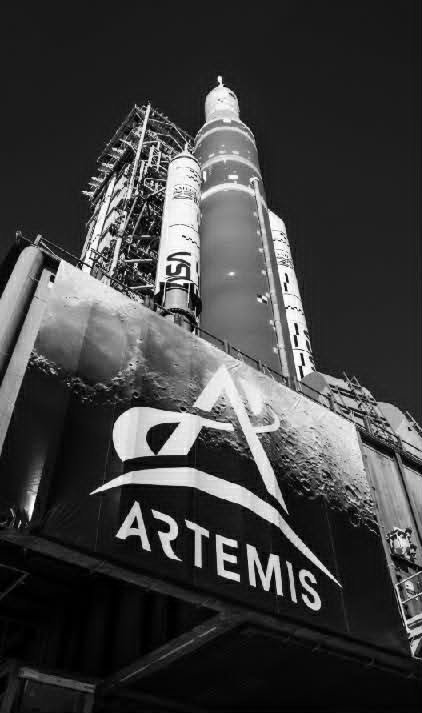
During the test flight, NASA tested life support systems and critical operations in deep space, paving the way for future lunar landings and Mars exploration. At 6:35 pm the rocket began liftoff procedure, the twin solid rocket boosts ignited first delivering more than 75% of the trust needed to lift the 5.75-million-pound rocket off the pad. Their combined power, along with the four RS-25 engines already at full trust, generate an incredible 8.8 million pounds of force at liftoff.
The approximately 10-day Artemis 2 mission around the moon is the first crewed flight under NASA’s Artemis campaign. It will help test the systems and hardware needed to continue sending astronauts on increasingly difficult missions to explore more of the Moon for scientific discovery. It will benefit economic benefits and continue building toward more missions to Mars in the future.
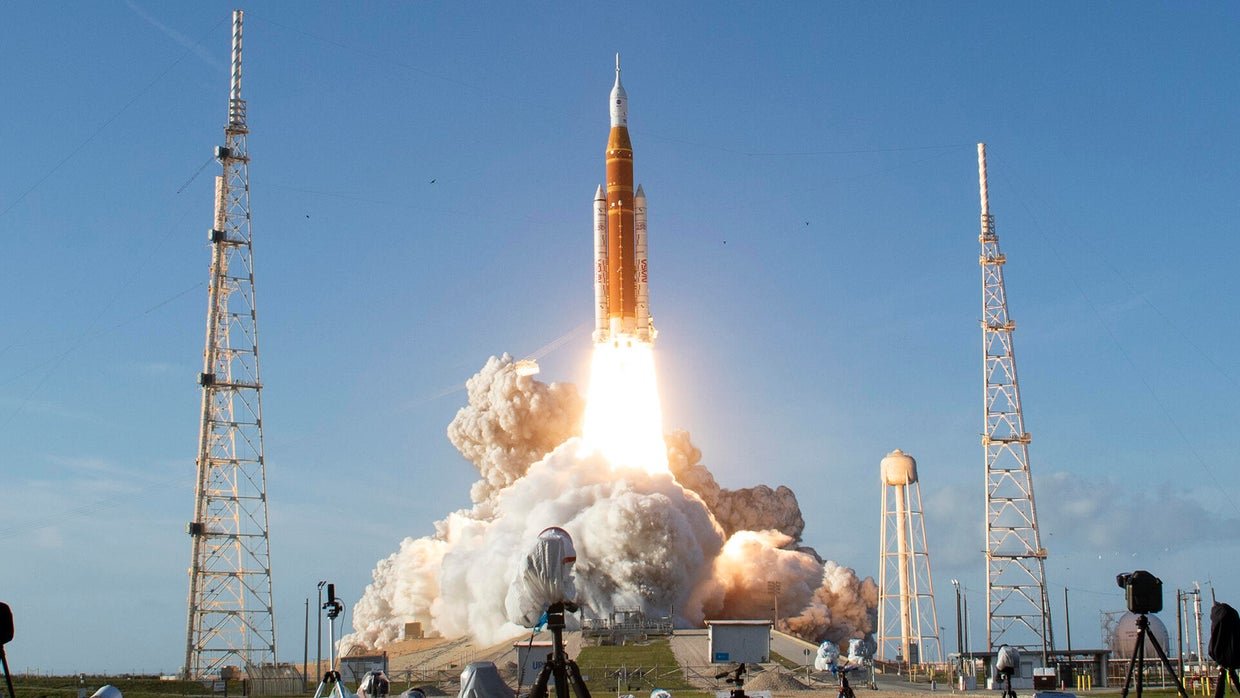
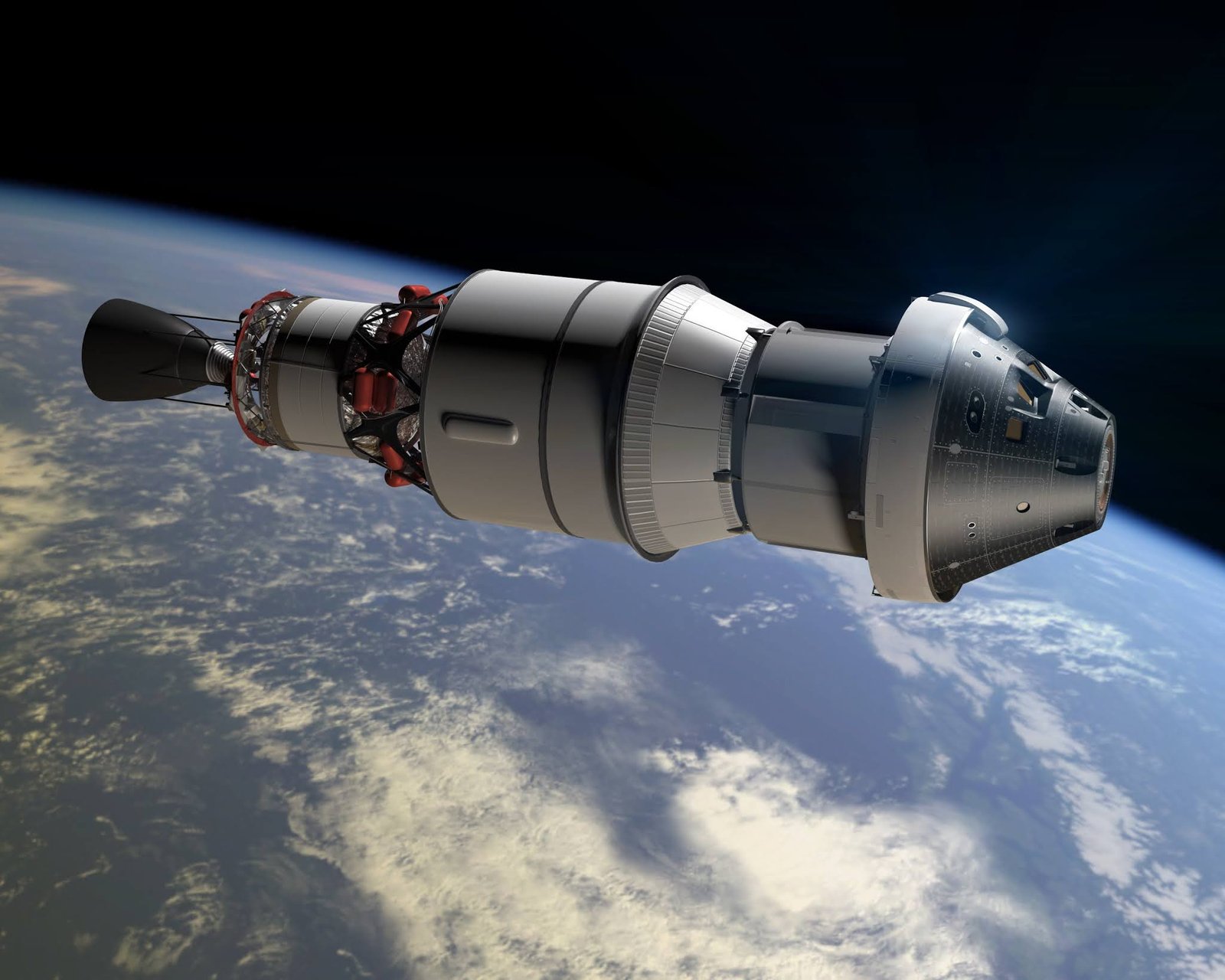
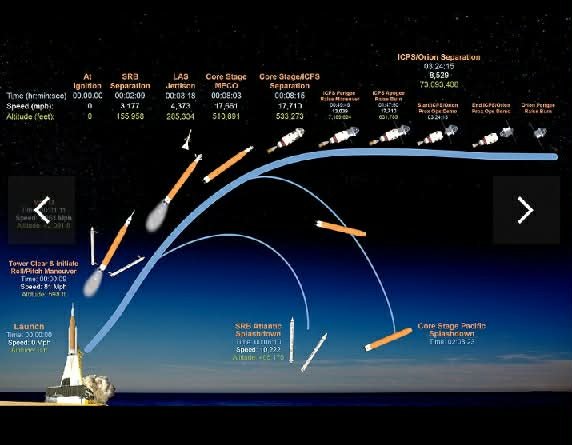
Now that the rocket had broken through our atmosphere, after the long trust which takes a lot of fuel to lift off, the main engines cutoff of the Space Launch System. The core stage was complete and has successfully separated from the interim cryogenic propulsion stage and the Orion spacecraft. The Orion spacecrafts solar arrays of wings have been fully deployed, completing a key configuration step for the Artemis 2 mission.
Flight controllers in Houston confirmed that all four wings unfolded as planned, locking into place and beginning to draw power. Each solar array of wing extends outward from the European Service Module, giving Orion a wingspan of roughly 63 feet when fully deployed. Each wing has 15,000 solar cells to convert sunlight into electricity. The arrays can turn on two axes that allow them to rotate and track the sun, maximizing power generation as the spacecraft changes altitude during its time in earth’s orbit and its outbound journey to the moon.
During this mission they had to overcome major obstacles. NASA held a postlaunch news conference at 9 pm from the Kennedy Space Center in Florida. After the conference, the Artemis crew began preparations for the Orion’s proximity operations demonstration. This tested the ability to manually maneuver Orion relative to another spacecraft, in this case the interim cryogenic propulsion stage after separation.
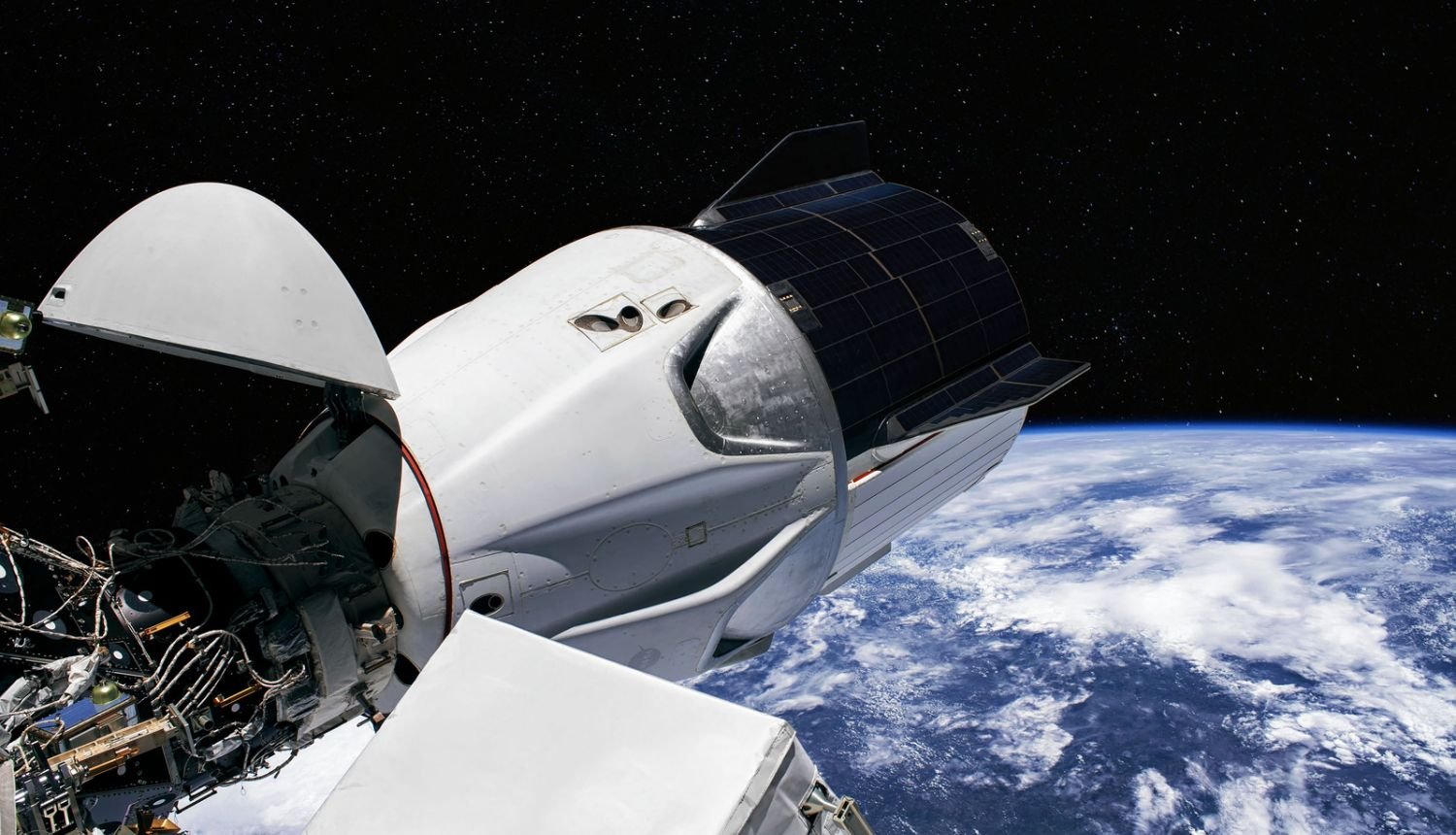
The first day of the mission was spent largely in high Earth orbit where the crew conducted system checkouts. In the first 24 hours they allowed extensive testing of the onboard systems. During this phase the crew evaluated life support and other critical spacecraft systems. They performed a rendezvous operations demonstration using the Interim Cryogenic Propulsion Stage as a target.
After NASA mission managers confirmed Orion’s performance, the spacecraft executed a trans-lunar injection burn to depart Earth’s orbit. Orion then traveled toward the Moon on a free-return trajectory, looping around the far side before naturally returning to earth without having to use additional propulsion. Every day of the 10-day trip mission control gave the crew wakeup calls in the morning. They played various music for the crew to keep up morale and boost spirits.
Over the next 10 days operations were successful, everything worked out for the best. They recorded all the data collected and took multiple pictures of the moon. The best part was the amazing view from space. You can see all the photos taken on the Orion spaceship at the official NASA website. This will be something all of the crew members will remember for the rest of their life. Absolutely breathtaking. Scientists will have a new perspective on the far side of the moon, now that a large amount of data and real-time videos have been recorded for further research.
On day 7 after witnessing the dark side of the moon for the first time in history, the Orion spacecraft started its journey home. Only one blackout happened around the Moon, after they witnessed a solar eclipse, it lasted for 67 minutes. They continued their journey back to Earth, exiting the Moon’s sphere of influence, they began on their free-return trajectory. The crew conducted a 15-minute audio call with NASA astronauts, Jessica Meir, Jack Hathaway and Chris Williams, and ESA astronaut Sophie Adenot aboard the International Space Station. They discussed the fact they were the first humans to travel that far into deep space. They talked about their observations they witnessed around the dark side of the Moon. The information and data they collected on their journey.
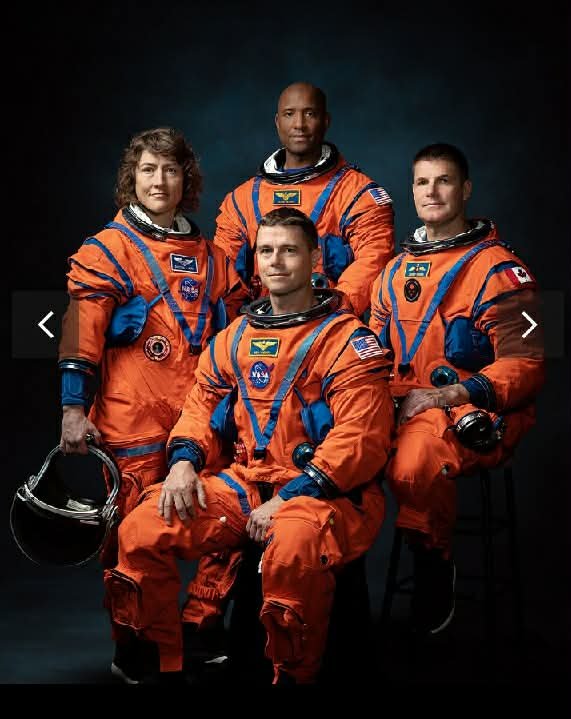
When day 10 was approaching, the crew started to prepare for reentry into Earth’s atmosphere. They had consumed over half of the fuel in takeoff. This needs to be implemented with precise calculations to ensure success for the mission and the safety of the crew.
Splashdown occurred April 11, 2026, in the Pacific Ocean southwest of San Diego. It became the first manned mission recovered by the U.S Navy since the Apollo Soyuz Test Project in 1975.
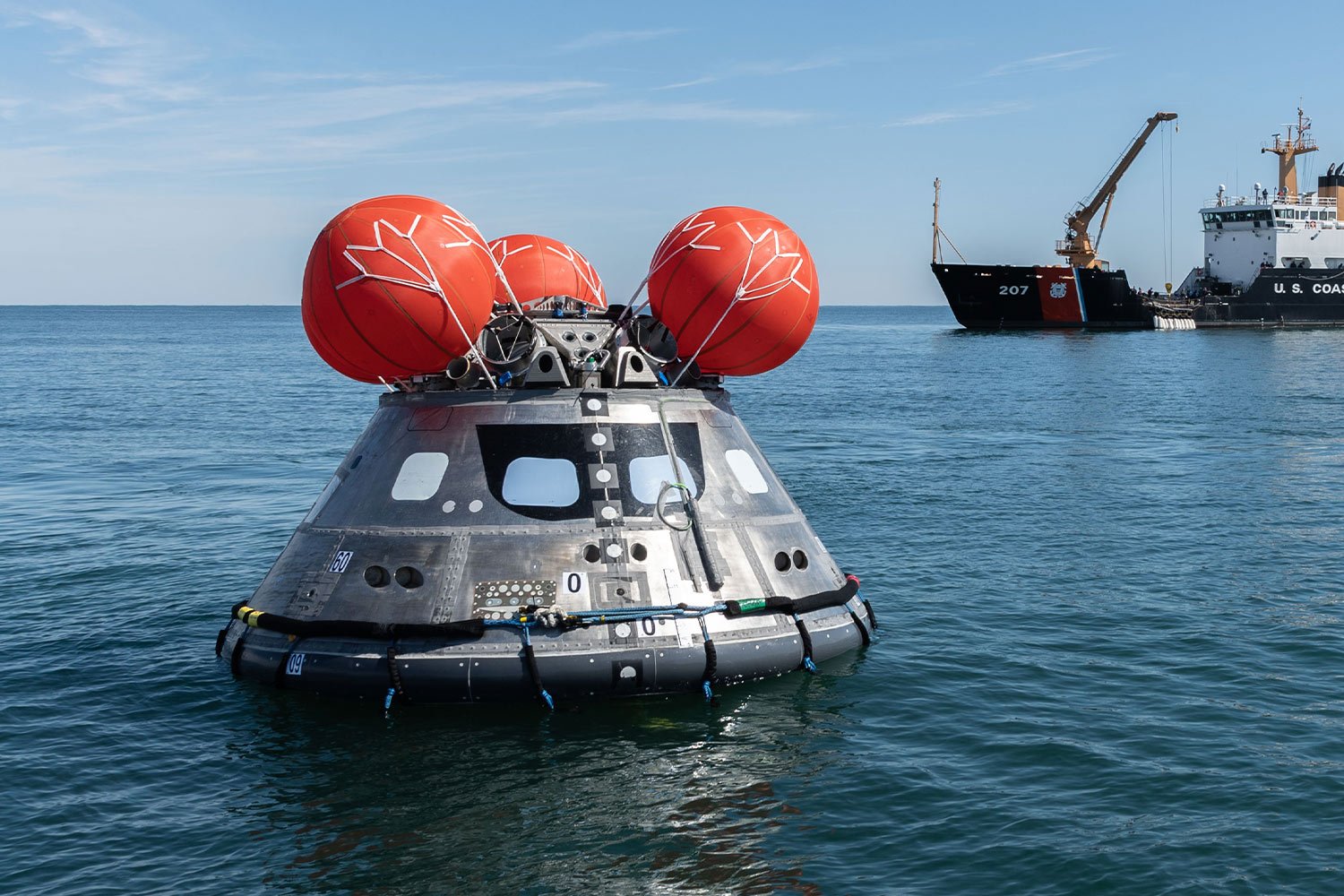
Following the splashdown the joint NASA and Navy Team approached the capsule in inflatable boats. Navy divers stabilized the spacecraft using sea anchors and attached an inflatable collar to balance the spacecraft. Crew members exited the capsule healthy and alive. They were lifted by helicopters and transported to the USS Murtha where doctors checked out each of the astronauts.
The astronauts passed all tests and the advanced new suits were extremely effective. NASA and SpaceX have been working together for years developing new technology for interstellar space travel. It looks like the tests were successful, we can finely pass through the Van Allan Belt safely without extreme radiation exposure.
For decades after the first moon landing with Neil Armstong, we found out that we are surrounded by a ring of radiation completely blanketing the earth. With a thick wall of radiation we must pass through to get to the moon or travel the rest of the solar system. The International Space station is in low Earth orbit and all of our satellites are placed below the Van Allen Belt for this reason. This the radiation is too strong for long term exposure.
Until now we have only sent droids and probes into deep space. They have been solar powered sending us images of faraway stars and planetary systems. We are always searching for the next earth-like planet.
The next day in Houston they were interviewed by the press on Thursday afternoon in Space City. They all appeared to answer questions about the landmark lunar mission for NASA. The crew discussed topics ranging from the teamwork they experienced through the mission, to the global impact of the developing program, to technical aspects of the Orion spacecraft, and the challengess they faced during the 10-day trip.
Ultimately, the astronauts expressed optimism and excitement about the future of space travel, looking forward to the eventual goal of setting up a long-term operation on the moon. Someday they would like to see humanity propelling even further towards the stars.
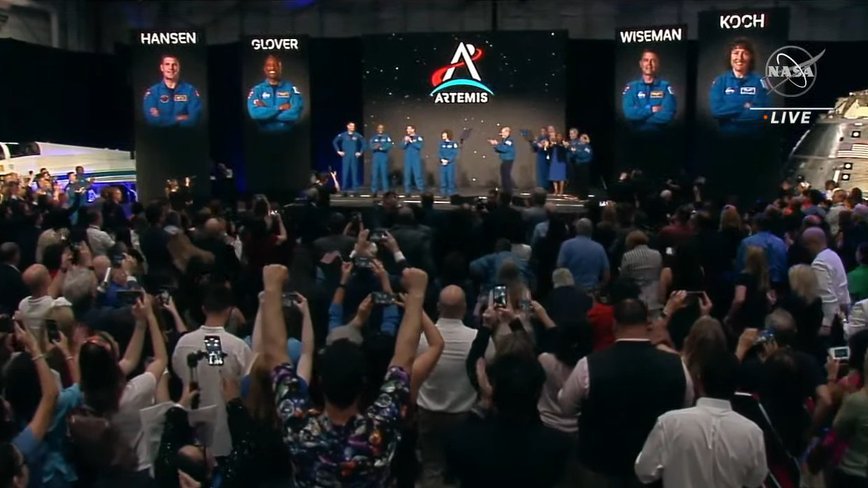
They have expressed how they felt awe inspired feelings of witnessing space from the outside the bounds of planet Earth. Wiseman, the commander for the mission, responded to one reporter who asked about the impact of such an experience, recalling the Apollo 14 astronaut who returned to earth and devoted the rest of his life to studying human consciousness.
Wiseman said his own experience upon returning home began with breaking down in tears to the chaplain on the Navy ship that picked up the crew after the splashdown. The commander said everything they witnessed is unfathomably difficult for the mind to grasp.
“When the sun eclipsed behind the Moon, I turned to Victor and I said, I don’t think humanity has evolved to the point of being able to comprehend what we are looking at right now. Because it was otherworldly, and it was amazing.” Wiseman said.
Glover then weighed in saying the crew is still working to process and unpack their feelings and emotions. While NASA is at the forefront of the program, the U.S. is collaborating with a multitude of other nations in developing science and technology to achieve their long-term goals. The astronauts reflected Thursday on the encompassing nature of the program. The sentiment was shared by Hansen, the Canadian astronaut, after Glover had answered a reporter’s question about how the gravity of their achievement had hit them.
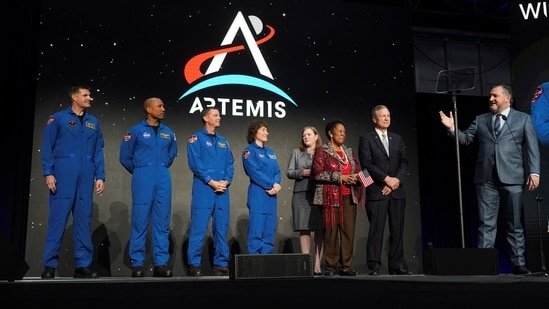
“I love your question, but you say what you guys did, what the four of you did, and we just don’t see it that way. We should be rewording that question to what we did. That’s what it was.” Handson said.
Koch then shared that she and the rest of the crew were happy to have shared in making a difference to humanity as part of the larger whole. Artemis 2 achieved the second step in getting humanity back to the moon, with the world’s eyes on the future of a program that aims to set up permanent lunar operations. One reporter asked the crew how realistic they feel about actually landing on the surface of the moon and establishing a settlement. Wiseman answered the question by saying lunar missions have changed since the Apollo program.
“It’s not the leap I thought it was. Once we were around the Moon, we’re in the vacuum of space, we got a six-stop vehicle that’s handling great, if you had given us the keys to the lander, we would have taken it down and landed on the Moon.” Wiseman said.
The crew expressed agreement that the ultimate mission of the program is not only doable, but a go, for the future. Artemis 3 is scheduled for 2027, intending to test a lunar lander in Earth’s orbit. Humans are first set to land on the Moon again in 2028. Eventually the program hopes to culminate a permanent base on the Moon, which will take further steps for interstellar travel in the future.
References
NASA.gov – Space Travel, Science, Technology and Aerospace
The Daily Nexus – Science and Technology
Space News – Science and Technology
National Air and Space Museum – Space, History and Technology
The Planetary Society – Science and Space Travel
Royal Museums Greenwich – Space and Astronomy
Congress.gov – American Politics and Science
Space – Space and Astronomy
ZDNET – world news
Lockheed Martin – Aerospace and Technology
https://share.google/EAcGYKAZW8e6d6pL2
Explore Deep Space – Space and Technology
NPR – Science and Technology