Aoide Magazine is a proud sponsor of the performance of Mozart’s romantic comic opera “The Marriage of Figaro” presented by the Opera de Metro professional opera company of Metro Detroit. The opera will be performed May 30 and 31, 2026 at Christ Church in Grosse Pointe Farms, Michigan.
Website: Meet Our Team | Opera De Metro
When the Overture begins, within a few bars the audience is aware that they are about to see and hear something dazzling, exuberant, grandiose, a spectacle of music, singing, and theatre arts.
“The Marriage of Figero” is the real thing, it does not disappoint. It is considered the greatest opera ever written. A masterpiece of supreme opera comedy. Wonderful music, back-to-back song hits, and hilarious twisted plot. Figaro is among the top ten most popular and most frequently performed operas worldwide. The opera is ranked number one as most favorite of opera singers (BBC).
Wolfgang Amadeus Mozart (1756 to 1791) composed “The Marriage of Figaro” in 1786. He wrote the opera in only six weeks and conducted the premiere in Vienna to positive acclaim. The opera quickly became a popular and successful hit. Lorenzo da Ponte wrote the Italian libretto. He and Mozart later worked together on operas Don Giovanni (1787) and Cosi fan tutte (1790). The story is based on the controversial stage play “The Mad Day, or the Marriage of Figaro” by Pierre Beaumarchais. Austrian Emperor Joseph II approved the edited Mozart version production. Mozart was paid three times his annual salary for the opera.
Non piu andrai, Act I, no. 9, Figaro
The Story
The opera is a zany, screw-ball, romantic comedy set in one crazy, chaotic day. Mozart’s keen humor is on display with lively, cheeky, and funny plot twists, mistaken identities, fraudulent trickery, and practical jokes, making it a pure delight.
It tells the story of how the Count’s and Countess’s servants Figaro and Susanna succeed to get married. They conspire with the Countess to foil her husband the Count’s attempts to block the marriage so that he can seduce Susanna. The Count discovers their scheme and sets up a contrived blackmail scheme to force Figaro to marry another woman, Marcellina, whom Figaro owes money. But it turns out that the Marcellina is Figaro’s long-lost mother. The Count is shamed before the Countess and asks for forgiveness. Figaro and Susanna are free to marry.
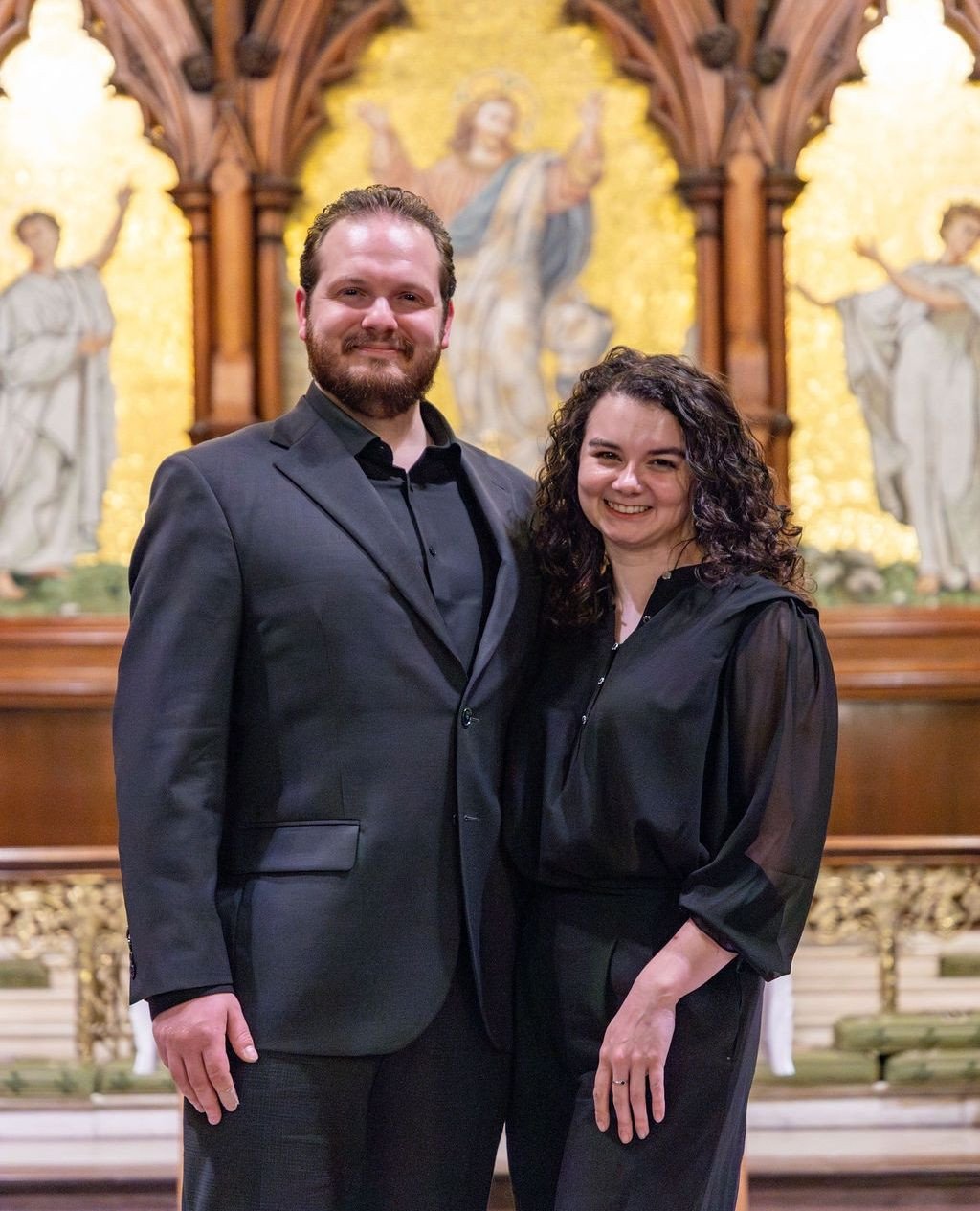
Opera de Metro founders Jake Surjyn and Madeleine Krick
The Music
Mozart’s music is nothing less than sublime beauty that touches that part of our soul where we are most vulnerable. It is universally loved because it speaks to our humanity and aspires to our highest ideals in an easily comprehensible musical language. The Marriage of Figaro is a humorous and uplifting ‘people’s’ opera with themes of the struggle for freedom, virtue, justice, and equality.
The fast-paced, joyful overture and underlying score sets an atmosphere representing the hectic day of the wedding. It flows with grandiose melody and passionate depth of feeling. Mozart is at the height of his game full of wit, charm, drama, comedy, and romance. The opera proceeds with song hit after hit. The audience is sure to be humming several tunes afterward.
Se voul ballare, Act I, no. 3, Figaro
EXTRACT | THE MARRIAGE OF FIGARO ‘Se vuol ballare’ Mozart – Royal Opera House
Johannes Brahms said “In my opinion, each number in Figaro is a miracle, is totally beyond me how anyone could create anything so perfect; nothing like it was ever done again.” Pyotr Ilyich Tchikovsky compared Mozart’s opera as “God like, unattainable divine beauty.” After seeing a Mozart’s opera performance, George Bernard Shaw said, “When God listens to music, he listens to Mozart.”
Opera de Metro
The Marriage of Figaro production by Opera de Metro is presented in a wonderful, fresh, and innovative approach that is very accessible to modern audiences.
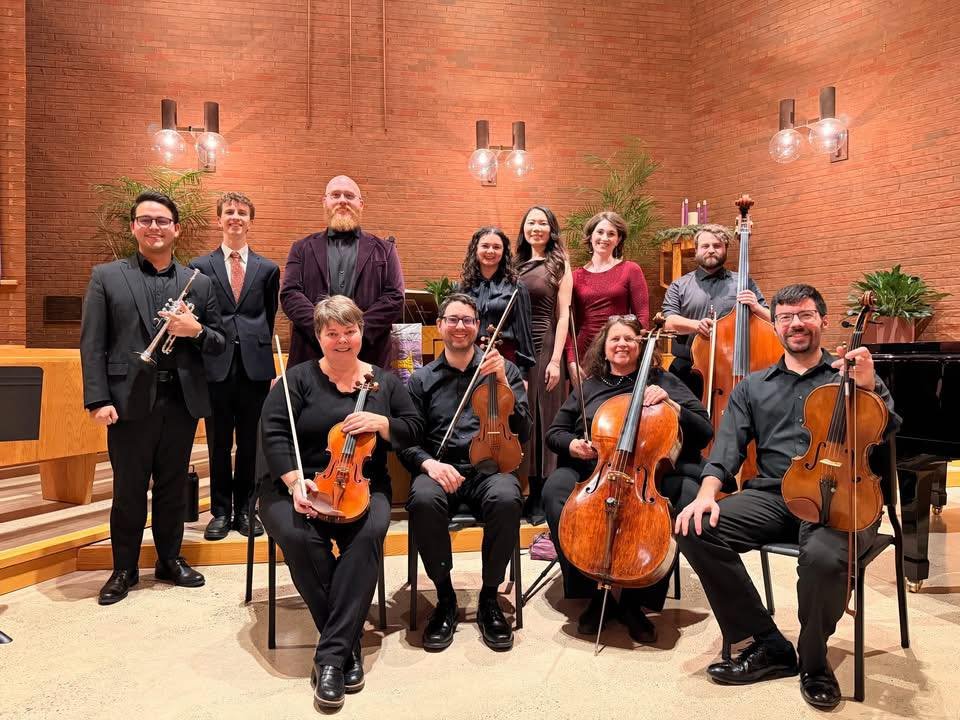
Opera de Metro is an up-and-coming, non-profit, professional opera company dedicated to promoting opera in the Detroit Metro area. Formed in 2024 by Madeleine Krick and Jake Surjyn, the company has performed several opera and choir productions, including Mozart’s “The Magic Flute”, Purcell’s “Dido and Aeneas”, Conte’s “The Gift of the Magi”, and Handel’s “Messiah”. All productions are performed by professional opera singers and classical musicians. The company also hosts annual high school singing contests.
Opera de Metro believes that opera is an art form meant for all. That it has the power to unite all through universal human experiences, be they laughter, loss, tragedy, or joy. Opera offers audiences the opportunity to find themselves reflected in the stories told on stage, whether they are first time opera goers or seasoned aficionados.
Each stage production is directed into a ‘modern’ and English language frame-work which maintain’s the original work’s integrity. In this way the company attempts to draw new audiences to experience and appreciate this great art form of music, drama, comedy, and theatre arts.
Sull’aria, Act III, no. 20,
The Marriage of Figaro – ‘Sull’aria’ (Mozart; Ellie Dehn, Sophie Bevan; The Royal Opera)
Opera de Metro’s ‘Production Concept’ of “The Marriage of Figaro”
Patrick McNally is directing the upcoming Opera De Metro production of Mozart’s masterpiece “The Marriage of Figero”. In the following letter Patrick describes the company’s production concept to make the opera more accessible to modern audiences.
“The opera is set in early 1950s America—an update that aligns strikingly well with the opera’s core themes while preserving its musical and dramatic integrity. What drew us there is how cleanly the opera’s fault lines map onto our own American history in mid-20th century America: a culture of rigid hierarchy presented as natural and benevolent, enforced by law, church-adjacent morality, and yet already under strain. If Beaumarchais’ Figaro play sits on the lip of the French Revolution, this 1950’s world sits just before African-American civil rights, second-wave women’s liberation, war in Vietnam, broadcast television, shift in American cultural values, and youth revolt break the surface. The system isn’t broken yet; it’s beginning to crack. Think Mad Men goes to the opera!
Our Don Draper, Count Almaviva, is a Silent Generation well-connected high earner who is patriotic, philanthropic in public, and accustomed to quiet compliance. Figaro is educated labor: a hotel manager type who runs the machine but is constantly reminded of the ceiling. Susanna is the indispensable operator (secretary/house manager) who allows the system to function without seeing the real benefits. Marcellina and Bartolo become Greatest Generation old money procedural traditionalists as people who believe in the leverage of documents. Cherubino is a draft-age adolescent, the first hint of a generation that won’t behave.
In that frame, sexual politics don’t need any real change. The Count’s conduct reads as workplace sexual harassment and institutional abuse, entirely legible within mid-century “respectability.” The Countess’ arc tilts toward awareness of her own erasure. “Dove sono” lands less as nostalgia than as the articulation of a self being edited out of her own life much as Betty Draper becoming disillusioned with what her life is supposed to be about.
Cherubino will lean into volatility: hormones, repression, and the really dangerous proximity of militarization. “Non so più” is a nervous system with no sanctioned outlet. His conscription carries a real weight and a chill given the era. Comedically, we aim to balance Da Ponte’s bite with upholstered farce. The brilliant comedy of documents, doors, disguises remain with equivalents that are mid-century.
Voi che sapete, Act II, no, 11, Cherubino
Accessible Arias: ‘Voi che sapete’ sung by Rinat Shaham, from Mozart’s The Marriage of Figaro
The ending is where the period does the most work without touching a note. The Count’s pardon reads as a public concession that may or may not hold. We don’t ask the audience to believe the system is repaired; only that we see the beginning of the change about to rise across the estate, and, knowing what happens next, the country.
Musically, nothing needs to be changed. Mozart’s score remains a masterpiece to this day, and that the friction between Classical poise and mid-century surfaces sharpens the irony rather than diluting it. We’ve added some judicious cuts and will perform it in English to make the work as accessible as possible to our audience.
America was a complex place in the period and we aim to keep Figaro complicated. In short, the update isn’t as much a concept so much as a solvent for audiences: it clarifies power, sharpens gender, and renders Cherubino urgent, while leaving Mozart untouched, and bringing this beautiful masterwork to American audiences in a fresh new way.”
Wolfgang Amadeus Mozart
There is a reason why Mozart is universally loved worldwide – his music is beautiful perfection, it touches the soul and uplifts our spirits and mind. His music is fresh and always new, it never gets old. Like Bach who he revered, Mozart’s music is innovative and revolutionary, it transformed music as a whole.
Wolfgang Amadeus Mozart (1756-1796), Austria, is regarded as an original genius and one of the greatest composers in history. He is admired for his melodic beauty, its formal elegance, and the richness of harmony, color, texture, and expressive nuance. His work is grand, dramatic, thrilling, bold, innovative, and considered the pinnacle of musical composition. He was highly influenced by the music of Bach, Handel, and Haydn. His work had a profound influence on Beethoven, Schubert, Chopin, Schumann, Mendelsohhn, Liszt, Brahms, Wagner, Tchaikovsky, Mahler, Stravinsky, Rachmaninoff, and other composers.
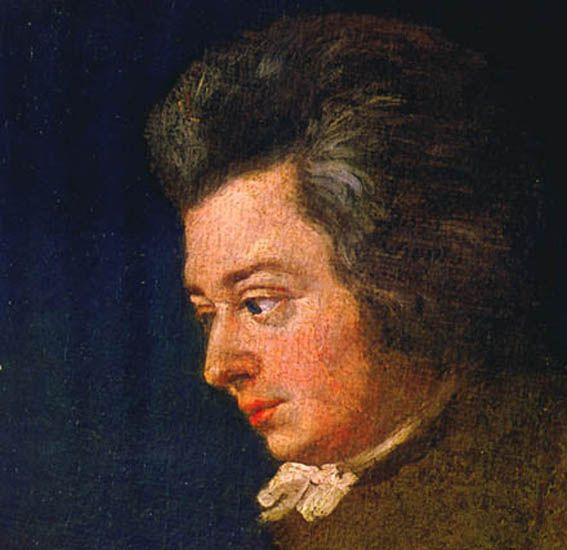
Mozart was born into a musical family in Salzburg, Austria where he became a celebrated child prodigy competent on piano and violin at age five. His father toured him to perform before the royal courts of Europe. At 17 he was a musician at the Salzburg court though he traveled to Paris, Mannheim, and Munich seeking better work.
Non so piu cosa son, Act I, no. 6, Cherubino
In 1781 Mozart settled in Vienna, Austria where he achieved fame but little financial security. In Vienna from 1781 until his death in 1791 he produced volumes of some of the greatest music ever composed – sonatas, concertos, operas, symphonies, quartets, etc. In 1782 and 1783 he discovered the works of J.S. Bach and George F. Handel that had a profound impact on his music. He met Joseph Haydn in 1784 and they became close friends. Austrian Emperor Joseph II employed Mozart at the Viennese court in 1787.
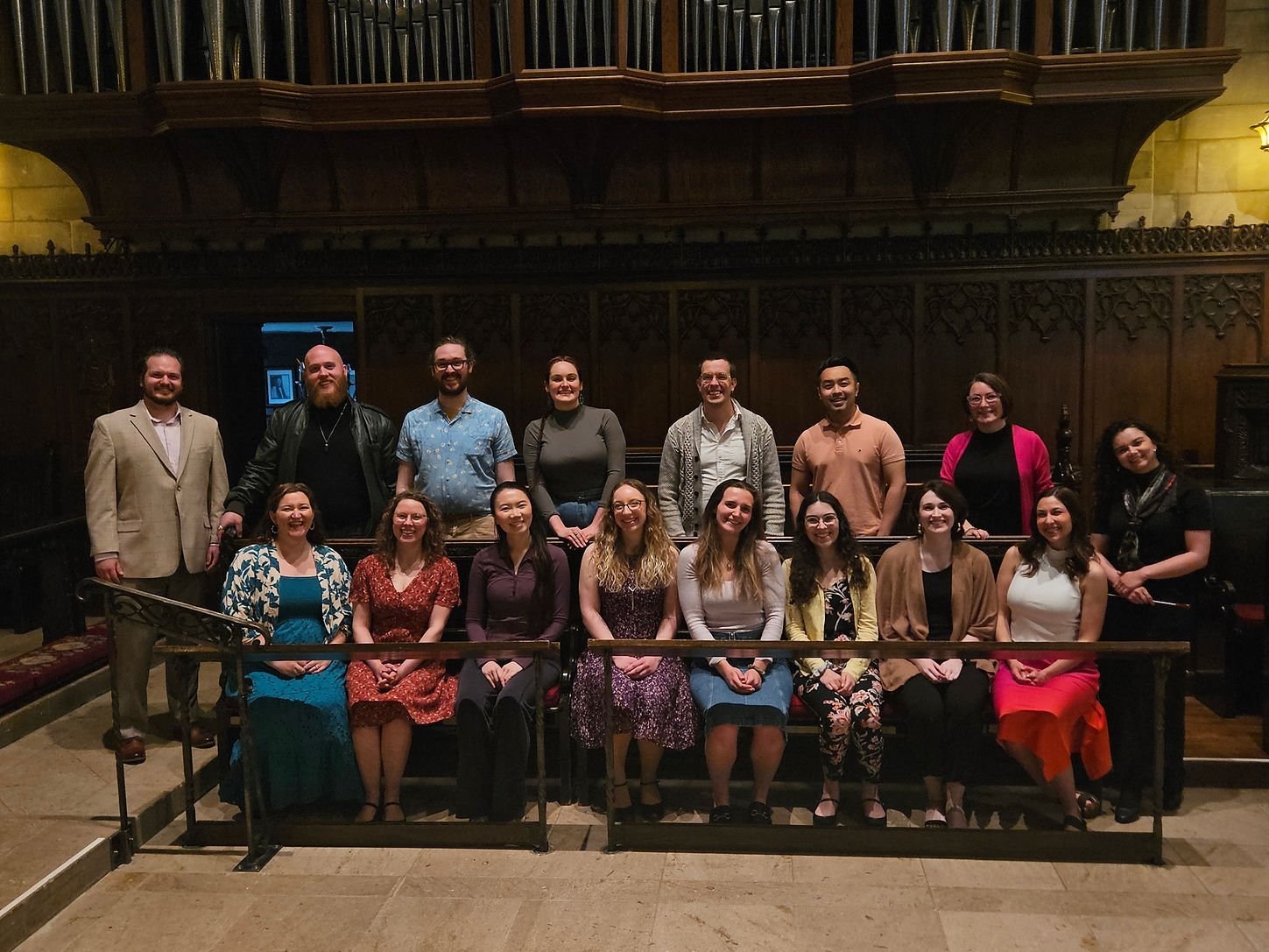
Cast and Crew
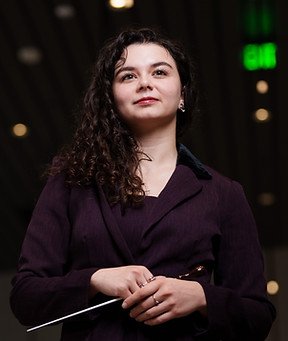
Madeleine Krick, conductor and artistic director.
Madeleine is the founder and artistic director of Opera de Metro. She is currently working on her masters of music degree. Madeleine has worked with San Diego Opera NEO, Macomb Symphony, Orchestra, Detroit Concert Choir, and the L’Institut Canadian d’Art Vocal. Her notable roles as conductor include The Gift of the Magi, The Magic Flute, L’Elisir de Amore, Die Fledermaus, and Il Camanello.
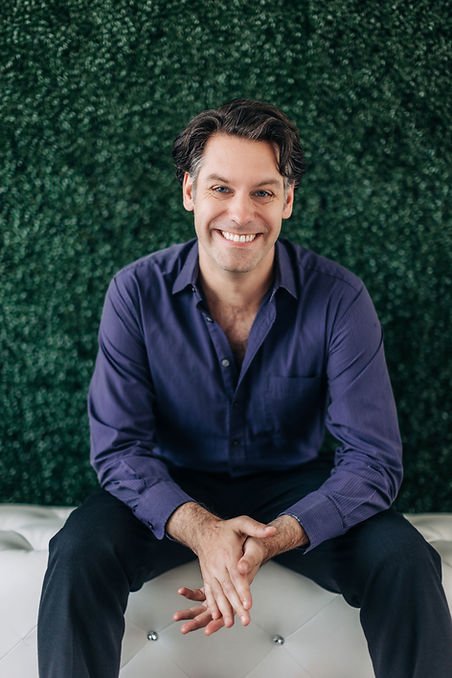
Patrick McNally, director.
Patrick McNally is a highly acclaimed opera baritone with an extensive background in singing, directing, and teaching. He has worked with many opera companies in the U.S. and internationally. Patrick is an assistant professor of voice at Texas A&M University. His extensive list of notable roles include Cosi fan tutte, Gianni Schicchi, Carmen, La Boheme, Pagliacci, The Barber of Seville, Don Gionvanni, La Traviata, Rigoletto, Faust, Cavalleria rustica, L’elisir de amore, and others.
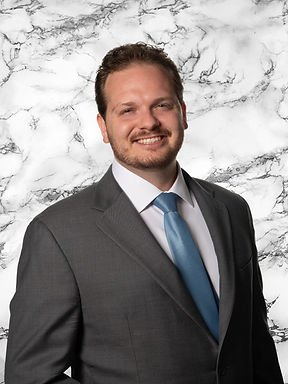
Jake Surzyn, baritone, plays Count Almaviva.
Jake is the Executive Director of Opera de Metro and has performed with many opera companies in Detroit, Central City, Idaho, Madison, Indianapolis, and Charlottsville. He has a masters in music degree from the University of Michigan. His notable roles have been The Magic Flute, Cosi fan tutte, The Barber of Seville, Macbeth, Lucia di Lammermoor, La Boheme, La Cenerentola (Cinderella), Carmen, Rusalka, Cavalleria Rusticana, and others.
Sara Mortensen, soprano, plays Susanna, the Countess’s maid.
Sara has performed in three Opera de Metro productions, The Magic Flute, The Gift of the Magi, and Dido & Aeneas. She has a masters of music from the Manhattan School of Music and sings with the Toledo Opera and San Diego Opera NEO. Her notable roles include La Cenerentola (Cinderella), Carmen, Romeo and Juliette, Mitridale, The Merry Widow, Ragtime, and others.
Dove sono, Act III. No. 19, Countess
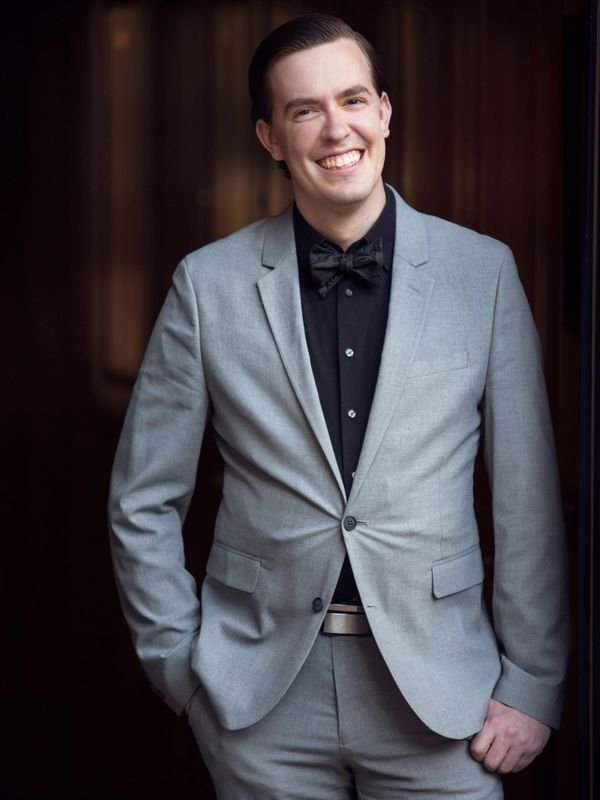
Paul Leland Hill, bass-baritone, plays Figaro, the Count’s personal valet.
Paul is a Detroit area bass-baritone who performed in Opera de Metro productions of The Magic Flute and Gift of the Magi. He has a masters in music from the University of Michigan. His notable roles include Macbeth, The Barber of Seville, La Boheme, Carmen, The Marriage of Figaro, Don Pasqualle, Lucia de Lammermoor, and others.
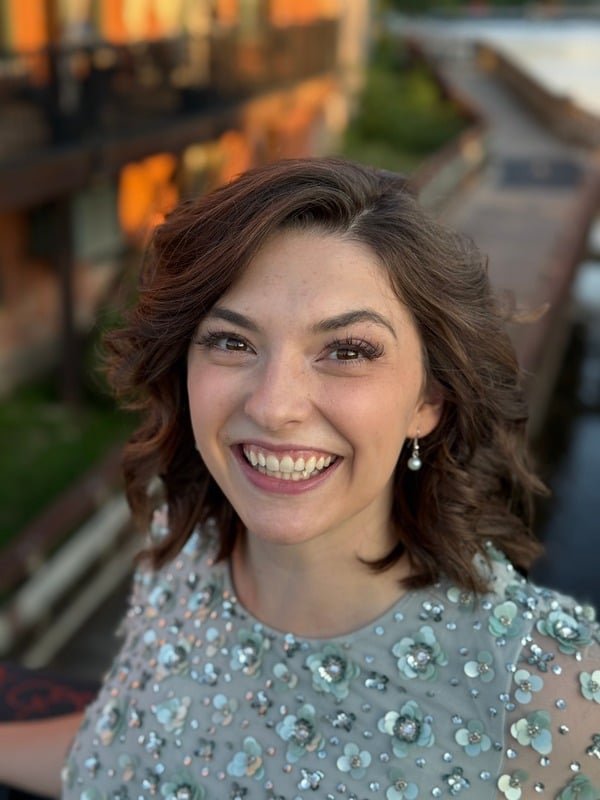
Elia Meekhoff, soprano, plays Countess Almaviva.
Elia is from Lansing, Michigan and has a masters of music in vocal performance from Michigan State University. She also trained in the Netherlands and Italy. Her notable roles include The Marriage of Figaro, La Boheme, La Cenerentola (Cinderella), Sour Angelica, Falstaff, La Finta Giardiniera, Mozart Requiem, Beatrice of Benedict, and others.
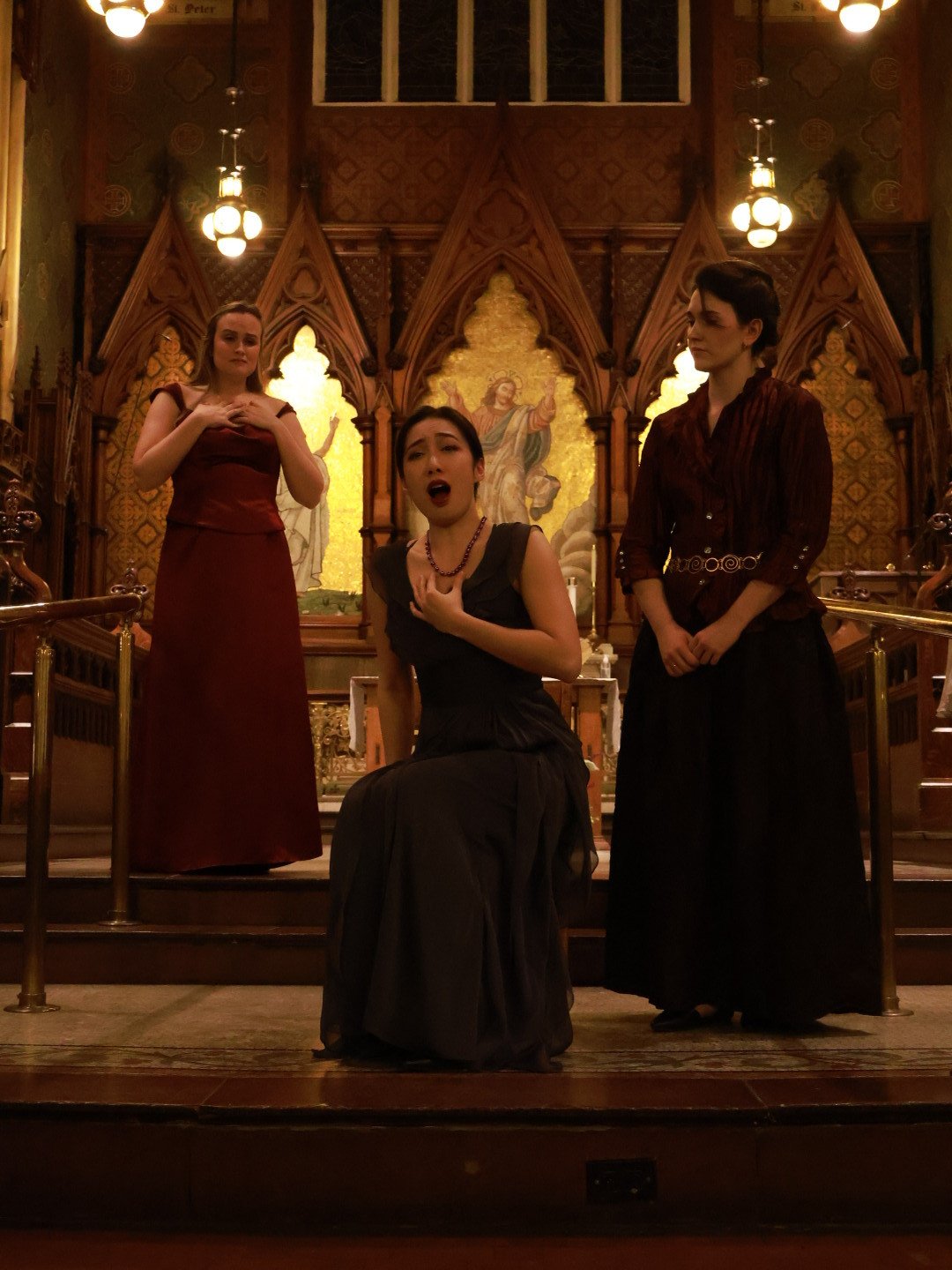
Daiyao Zhong, mezzo-soprano, plays Cherubino, the Count’s page (breeches role).
Daiyao returns after her company debut in Dido & Aeneas. She has a masters of music in voice from the Manhattan School of Music and is a doctoral candidate in voice with the University of Michigan. Her notable roles include Cosi fan tutte, Der Rosenkavalier, Handel’s Messiah, Mozart’s Requiem, Beethoven’s Ninth Symphony, Hansel and Gretal, Orphee aux enfers, and others.