The Sound of the City
There are artists whose careers are measured by awards, recordings, and appearances on prestigious stages. Then there are those rare individuals whose influence becomes so deeply woven into the cultural fabric of a place that their story becomes inseparable from the city itself. Marcus Belgrave belonged firmly to the latter category. For more than half a century, the celebrated trumpeter, composer, educator, and mentor stood among Detroit’s most important cultural ambassadors, helping shape both the sound of the city and the generations of musicians who would carry its traditions forward. When The Kresge Foundation named Marcus Belgrave the inaugural Kresge Eminent Artist in 2009, the honor recognized far more than a distinguished musical career. It celebrated a lifetime devoted to artistic excellence, mentorship, and cultural stewardship. Belgrave’s story is ultimately not just about jazz. It is about leadership, generosity, and the profound impact one individual can have on the creative life of an entire community. Demonstrating that great artistry is measured not only by what one creates, but by what one inspires in others.
Early Notes
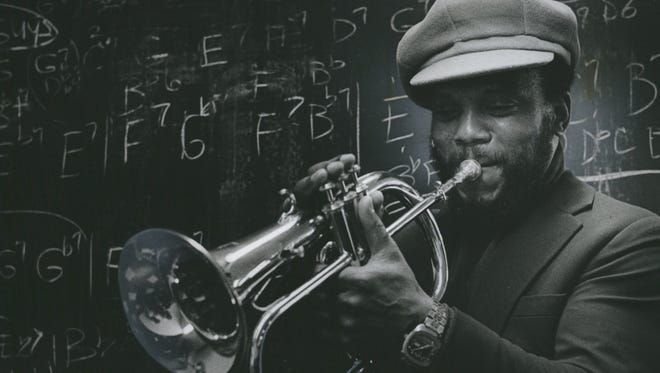
Born in Chester, Pennsylvania, in 1936, Marcus Belgrave grew up in a household where music was woven into everyday life. One of twelve children was raised in a close-knit family that valued discipline, hard work, and creative expression. His father introduced him to bugle calls before placing a trumpet in his hands at the age of six, unknowingly setting in motion a journey that would leave an indelible mark on American music. From the beginning, Belgrave displayed both natural talent and an insatiable curiosity, qualities that would remain central to his character throughout his life.
As a young musician, he found inspiration in the artistry of Louis Armstrong and the innovation of Dizzy Gillespie. Armstrong revealed the emotional power of the trumpet, while Gillespie opened the door to the sophisticated language of modern jazz. Belgrave absorbed these influences eagerly, practicing relentlessly and developing a remarkable command of his instrument. By his teenage years, he was already performing professionally, demonstrating a level of maturity and confidence that suggested an extraordinary future. Yet even then, he approached music not as a destination but as a lifelong pursuit of learning and growth.
 Learning from the Masters
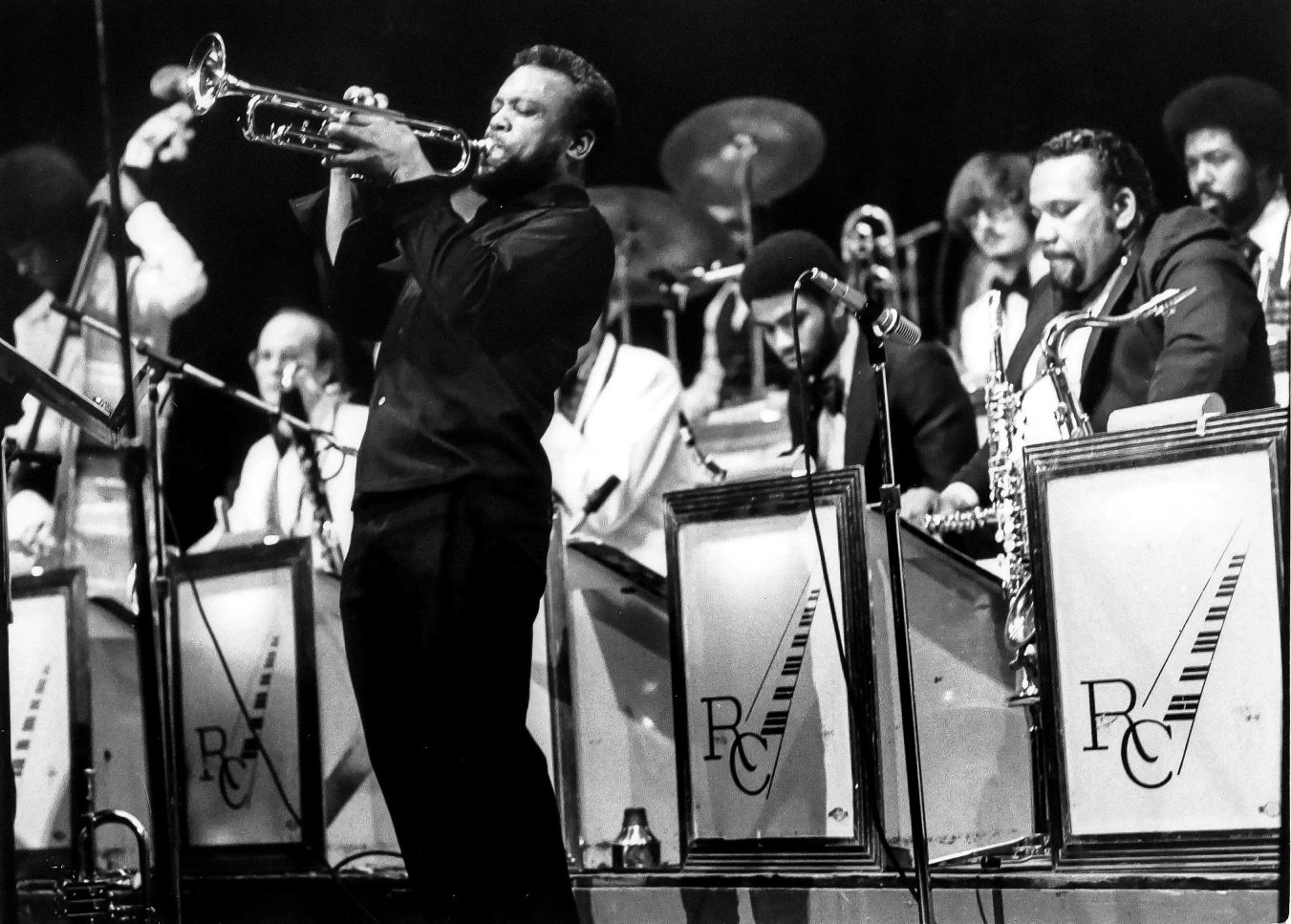
Belgrave’s professional breakthrough came when he joined the band of Ray Charles during one of the most exciting periods of Charles’s legendary career. For a young trumpeter, the experience was transformative. Touring extensively throughout the United States, Belgrave became part of an ensemble renowned for its discipline, creativity, and extraordinary musicianship. Night after night, he performed before audiences while learning lessons that no conservatory could teach.
The years spent with Ray Charles served as both apprenticeship and proving ground. Charles demanded excellence from everyone around him and recognized Belgrave’s exceptional talent. One often-recounted story describes Charles insisting that a featured solo be given to the young trumpeter rather than a more established player. The resulting performance affirmed Belgrave’s abilities and reinforced a lesson that would guide him throughout his life: great leaders create opportunities for others to succeed. Decades later, as a mentor and educator, Belgrave would extend that same generosity to countless young musicians seeking guidance and encouragement.
Detroit Calling
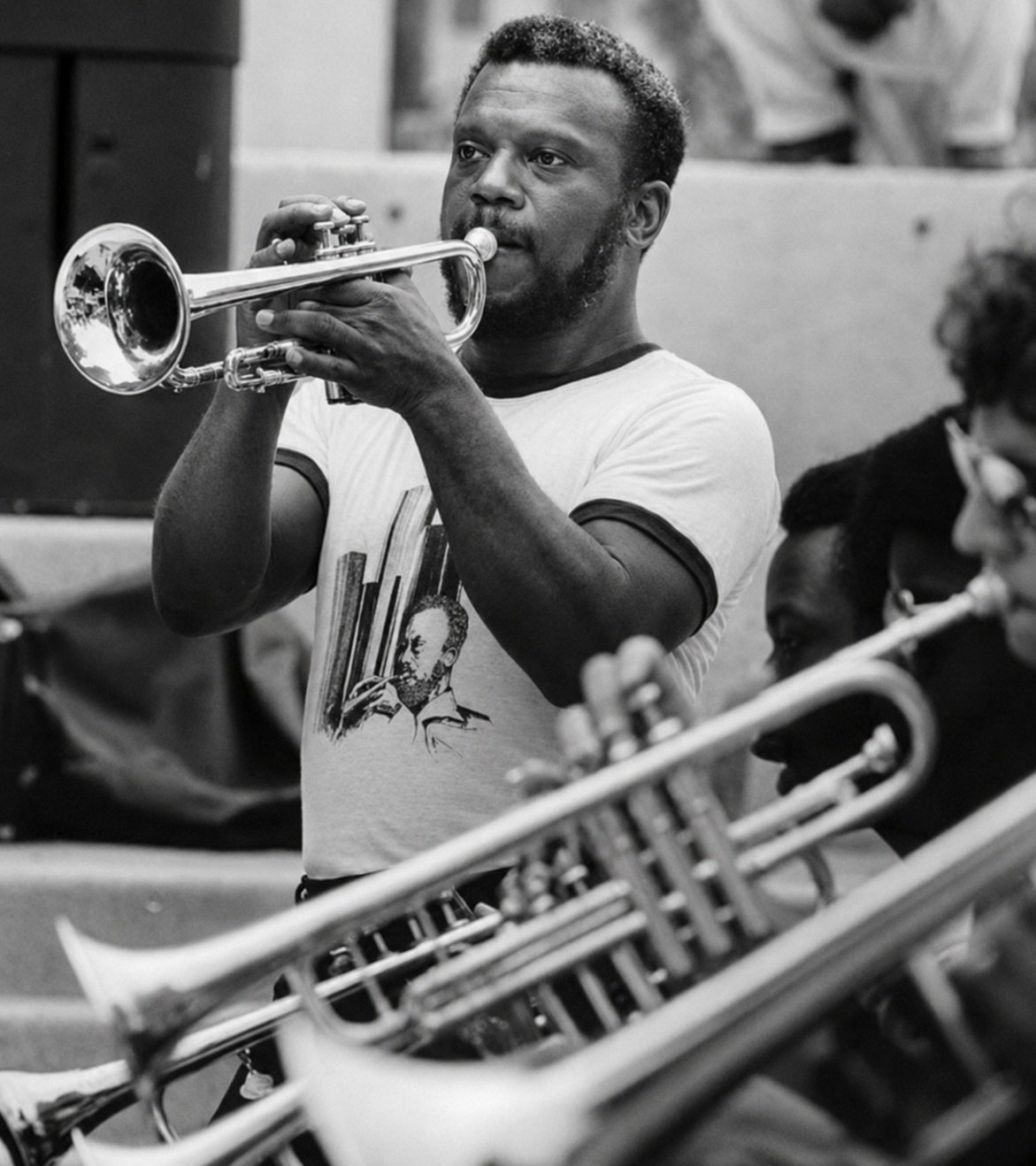
When Marcus Belgrave arrived in Detroit in 1963, he entered a city alive with creative energy. Motown Records was transforming popular music, jazz clubs flourished throughout the region, and artists from across the country were drawn to the city’s remarkable cultural vitality. Detroit was not merely producing music; it was shaping the sound of America. For Belgrave, the city offered something more than professional opportunity, it offered community. At Hitsville U.S.A. Belgrave became one of the many talented musicians contributing to the Motown sound. Yet while recording sessions provided valuable work, his connection to Detroit extended far beyond the studio. He immersed himself in the city’s jazz community, performing alongside respected musicians and participating in an artistic ecosystem. Detroit’s musicians challenged one another, collaborated freely, and shared a commitment to excellence. Belgrave quickly found his place among them, establishing roots that would define the remainder of his life and career.
A New Vision for Jazz
A serious health crisis in 1970 forced Belgrave to reconsider his priorities and reflect on how he wished to contribute to the world around him. Returning to Detroit during a period of profound transition, he found a city confronting economic challenges and cultural uncertainty. Motown had relocated to Los Angeles, and many artists were leaving in search of new opportunities. Belgrave chose a different path. Rather than departing, he committed himself to help strengthen Detroit’s cultural landscape.
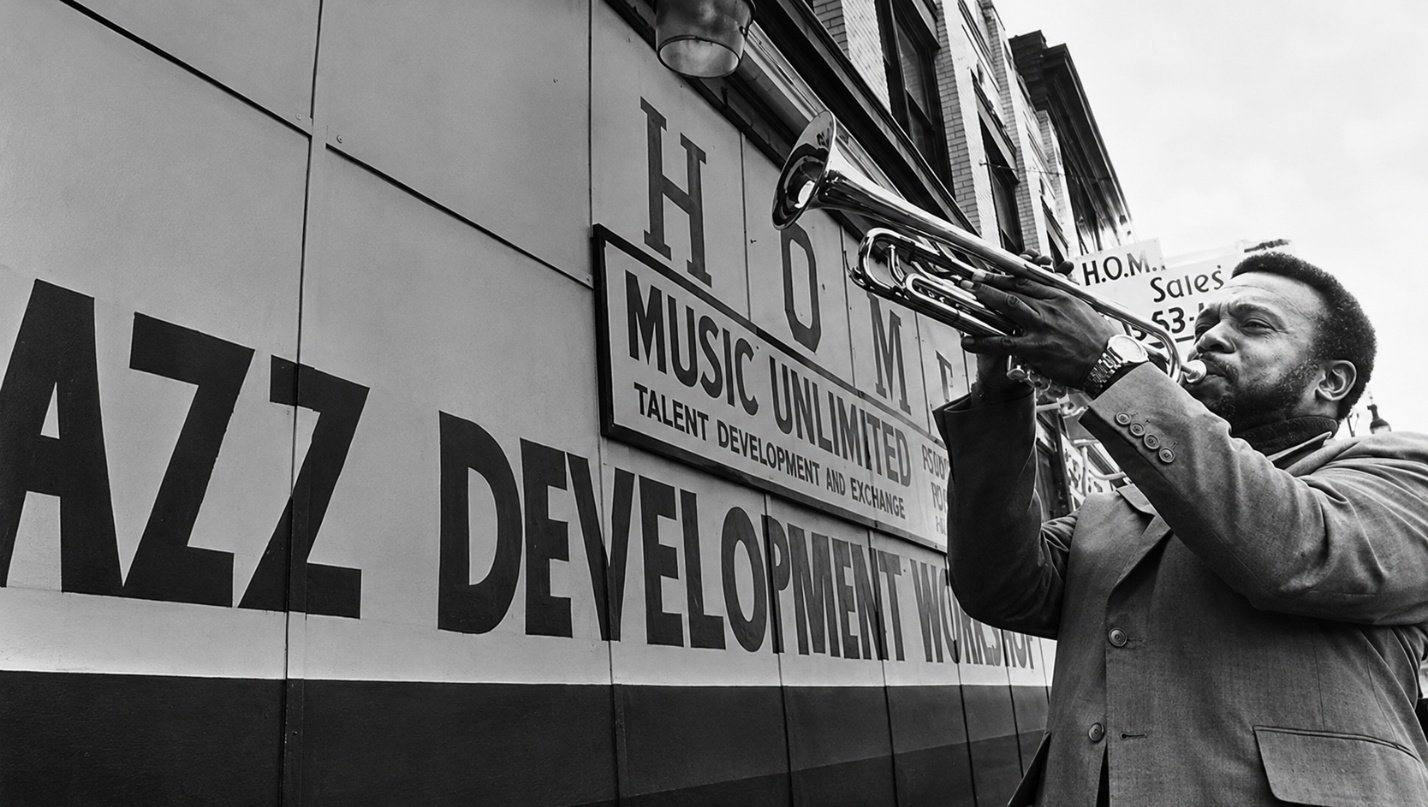
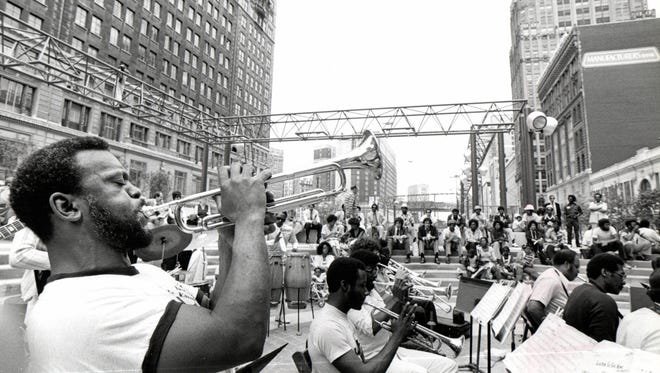
Throughout the 1970s, he became involved with organizations such as the Detroit Metro Arts Complex and the Jazz Development Workshop, supporting efforts to create opportunities for musicians and audiences alike. His association with the influential Tribe movement reflected a broader understanding of culture as a force capable of shaping communities. Music, education, publishing, and civic engagement were interconnected. During this period, Belgrave recorded the acclaimed Gemini II, a project that demonstrated both his willingness to innovate and his deep respect for jazz tradition. For Belgrave, the future of jazz depended upon preserving its history while creating space for new voices and new ideas.
Passing It Forward
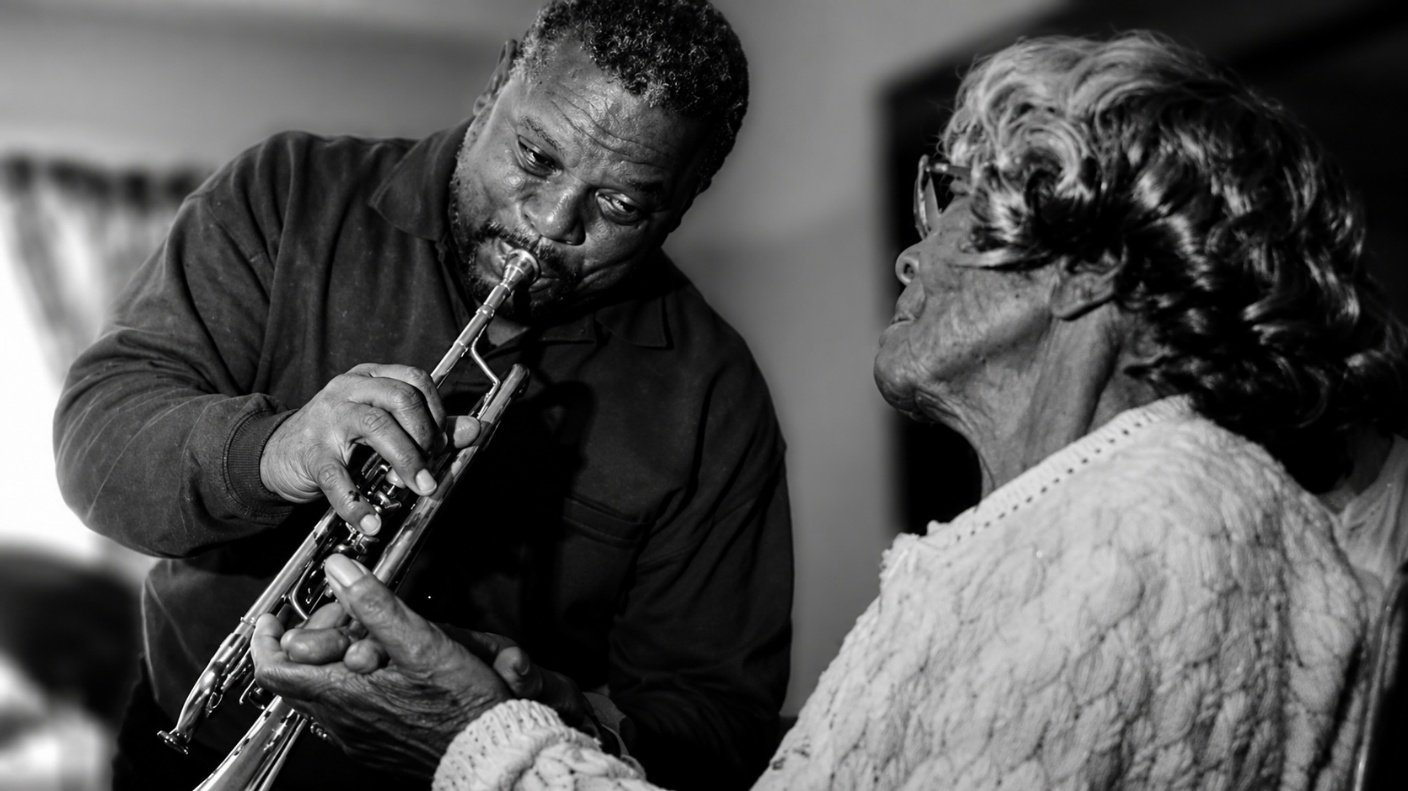
Although Belgrave remained an active performer throughout his life, education increasingly became one of his most important callings. He believed that artistic traditions survive only when knowledge is shared and opportunities are created for future generations. Teaching was never separate from his work as a musician, it was an extension of it. Through schools, workshops, universities, and informal mentoring relationships, he devoted himself to helping young artists discover their own creative voices.
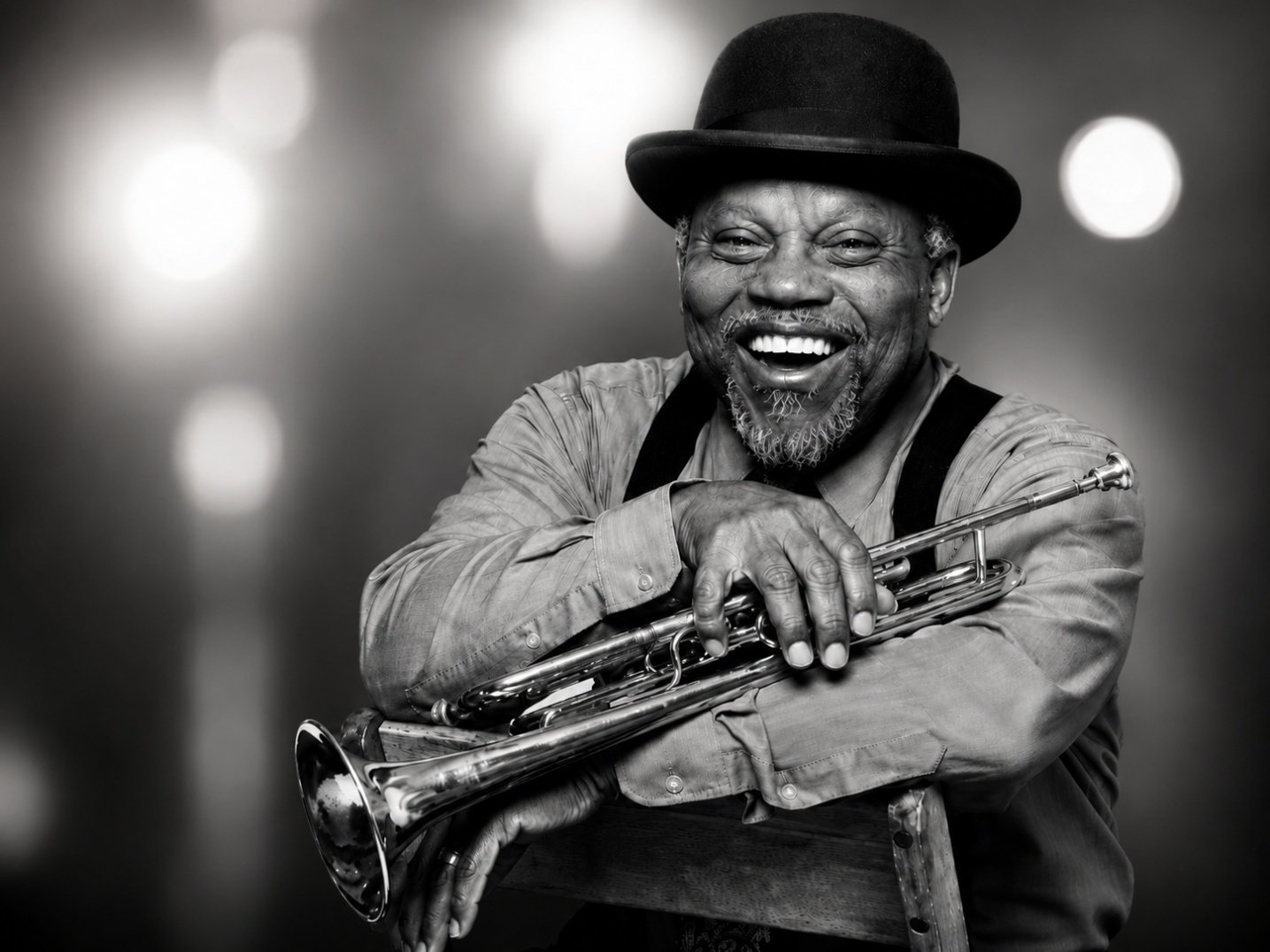
His influence can be found in the careers of countless musicians who benefited from his guidance, including bassist Marion Hayden, violinist Regina Carter, and many others who would go on to achieve national and international recognition. Students often described him as demanding yet deeply supportive, a mentor who challenged them to pursue excellence while encouraging them to trust their instincts. Whether teaching at community programs or serving as Professor of Jazz Trumpet at Oberlin College, Belgrave approached education with the same passion, generosity, and commitment that characterized every aspect of his life. His greatest satisfaction often came not from his own accomplishments, but from witnessing the success of those he had helped along the way.
The Kresge Eminent Artist
By the time Marcus Belgrave was named the inaugural Kresge Eminent Artist in 2009, his impact on Detroit’s cultural landscape was already profound. He had performed with jazz legends, contributed to the Motown era, traveled the world as a musical ambassador, and mentored generations of emerging artists. Yet the award recognized something broader than professional achievement alone. It acknowledged a lifetime devoted to strengthening the cultural fabric of metropolitan Detroit.
As the first recipient of the distinction, Belgrave established a standard that continues to define the Kresge Eminent Artist program today. His selection reflected not only his artistic accomplishments but also his belief that great artists have a responsibility to serve their communities. He embodied the ideals the award was created to celebrate artistic excellence, cultural leadership, mentorship, and enduring impact.
The Mentor of the Music
Marcus Belgrave often spoke about wanting American music to endure. The statement appears simple, yet it reveals much about his life’s work. He understood that music survives through people, teachers and students, through communities and institutions, and through artists willing to share their knowledge and invest in the future. His recordings remain important documents of a remarkable career, but his greatest legacy may be found in the lives he touched and the musicians he inspired.
Like the city he championed, Belgrave embodied resilience, creativity, and reinvention. His story is ultimately about more than jazz. It is about stewardship. It is about generosity. It is about understanding that the highest purpose of artistic achievement is not personal recognition but service to others. In honoring Marcus Belgrave, Detroit honors one of its finest cultural ambassadors, a musician whose trumpet helped tell the story of America and whose commitment to mentorship ensured that story would continue long after the final note faded.
For generations of musicians, educators, and audiences, his influence remains present. It can be heard in concert halls and classrooms, in festivals and recording studios, and in the countless artists who continue to build upon the foundation he helped create. Marcus Belgrave did more than perform music. He cultivated a culture of excellence, curiosity, and generosity that continues to shape Detroit today.
His greatest legacy may not be the notes he played, but the lives he inspired and through them, the enduring sound of a city.