“Trap” Movie (2025) A Masterclass in Screaming ‘I’m Suspicious
By David L. Horn
There’s a fine line between a desperate man trying to escape a nightmare and a bumbling idiot holding a neon sign that reads “I did it!” Sadly, M. Night’s protagonist doesn’t just cross that line, he spray paints it, tap dances on it, and then sets it ablaze for dramatic effect. The film wants us to believe we’re watching a calculating sociopath, but instead we get a man who acts like he’s trying to speedrun a nervous breakdown.
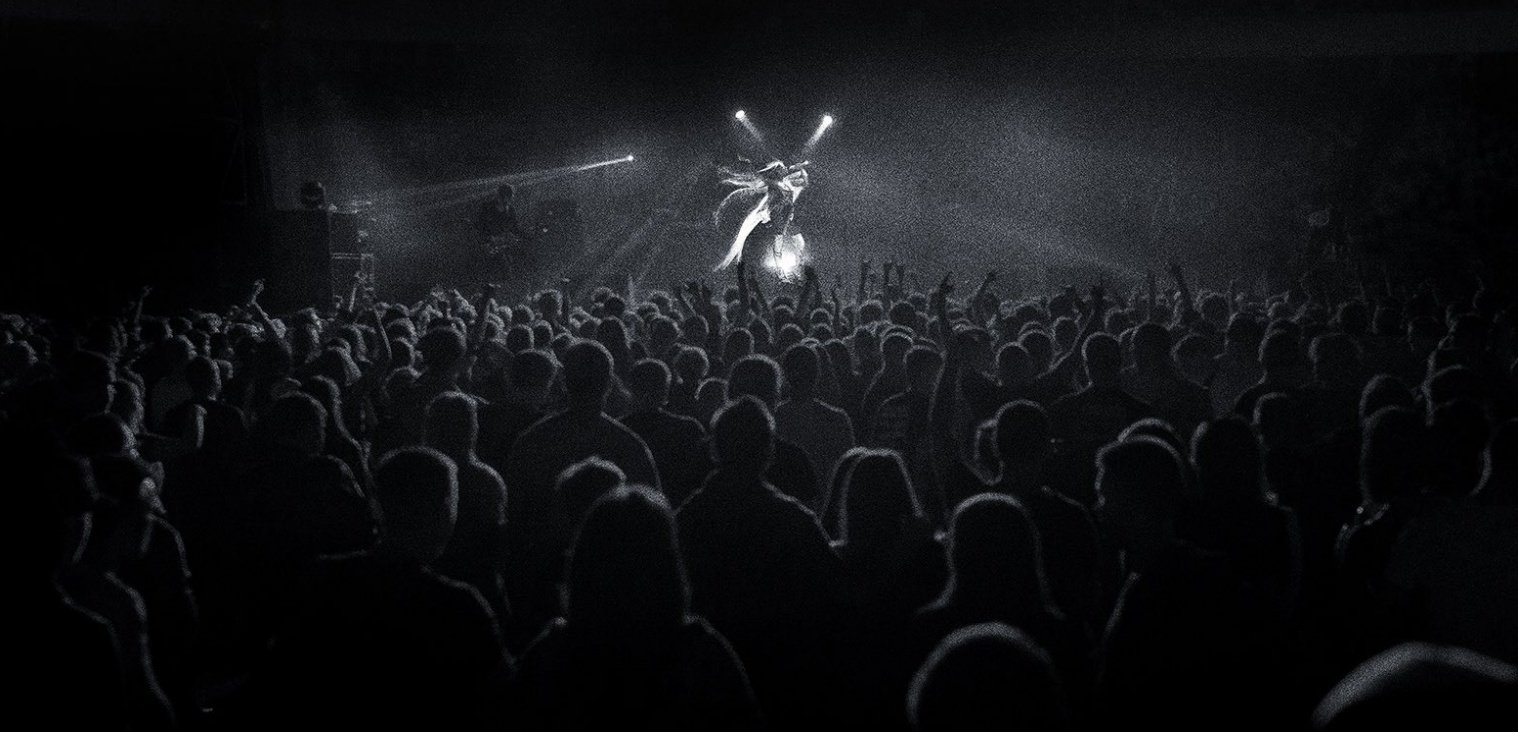
Rather than blending into the crowd, our mastermind draws attention at every turn, hurting people, staging obvious distractions, and practically begging security to notice him. But here’s the truth: a real sociopath wouldn’t flinch. He wouldn’t twitch. He’d sit through the concert smiling faintly, watching the trap spring shut from the shadows, his daughter at his side, none the wiser. No drama, no mess. Just total control. What “Trap” gives us instead is a flailing mess of impulses masquerading as strategy, like watching someone try to strangle a puzzle to solve it.
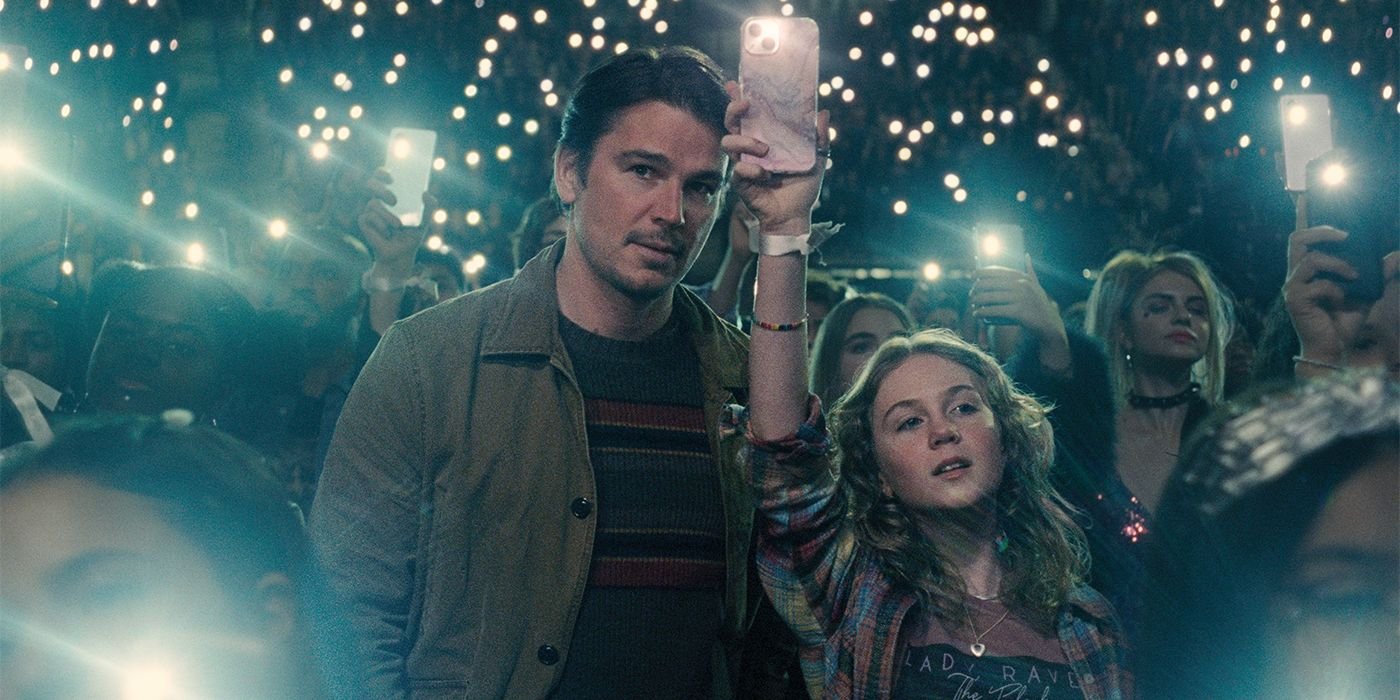
Instead of staying low and blending into the environment, this genius decides the best way to avoid suspicion is by repeatedly injuring innocent people, staging distractions, and basically acting like a character from Home Alone if Kevin McCallister had a God complex and zero common sense. Every attempt at subtlety backfires spectacularly, each action more conspicuous than the last, until the only real mystery is how no one caught him ten minutes into the movie.
The protagonist’s first critical blunder arrives early, and it’s a doozy. Upon noticing the police actively searching for someone trying to escape, our criminal genius decides that’s the perfect time to attempt his own getaway. Because nothing says “I’m not suspicious” like sprinting in the exact direction, the cops are already watching.
It’s the cinematic equivalent of shouting “I have drugs!” at a border checkpoint. A true sociopath, one with actual control, would clock the search, assess the situation, and wait. But instead, we get a man who reacts like he’s never even pretended to be normal for five minutes in his life.
In one of the film’s most baffling attempts at showcasing the protagonist’s cunning, he casually shoves a drunk girl down a flight of stairs. Why? To “gauge responses,” apparently. Because when you’re a wanted man in a crowded venue, physically assaulting someone is obviously the best way to fly under the radar.
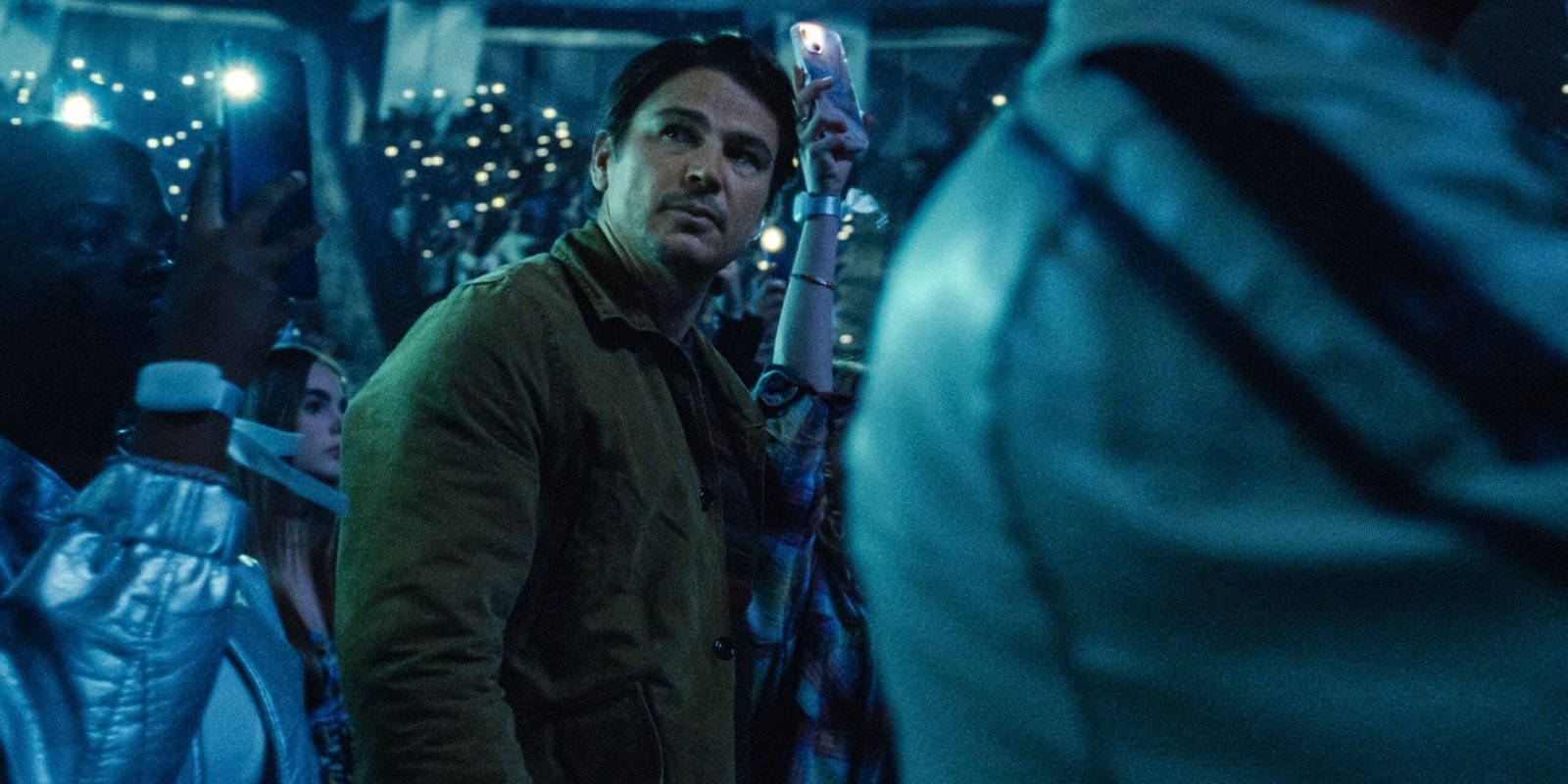
This isn’t sociopathic brilliance. This is what you get when a screenwriter confuses cruelty with intelligence. A real predator wouldn’t lay a hand on anyone, not because he cares, but because attention is the enemy. He’d watch, listen, test boundaries with words, not blood. What we get instead is a clumsy brute mistaking violence for strategy, which says more about the writer than the character.
While the authorities are explicitly scanning the crowd for anyone searching for alternate exits, our protagonist thinks it’s a brilliant idea to… start scanning for alternate exits. At this point, it’s less sociopathy and more like a one-man parade of red flags with a confetti cannon that shoots suspicion. You can practically hear the internal monologue: “They’re looking for someone trying to escape… better go full raccoon mode and scurry around in the shadows sniffing door handles.”
This isn’t tension, it’s slapstick. It’s a character so allergic to stealth he might as well shout “I need an emergency exit for… reasons!” and dive through the window. Once again, subtlety is replaced with panic, and strategy is replaced with idiocy disguised as desperation. At this point, the movie stops pretending our protagonist is a criminal mastermind and fully commits to the bit of “dude making it worse at every turn.”
The scene? A chaotic combo moves worthy of a Looney Tunes villain. First, he causes a kitchen accident that burns an innocent barista, just collateral damage, right?
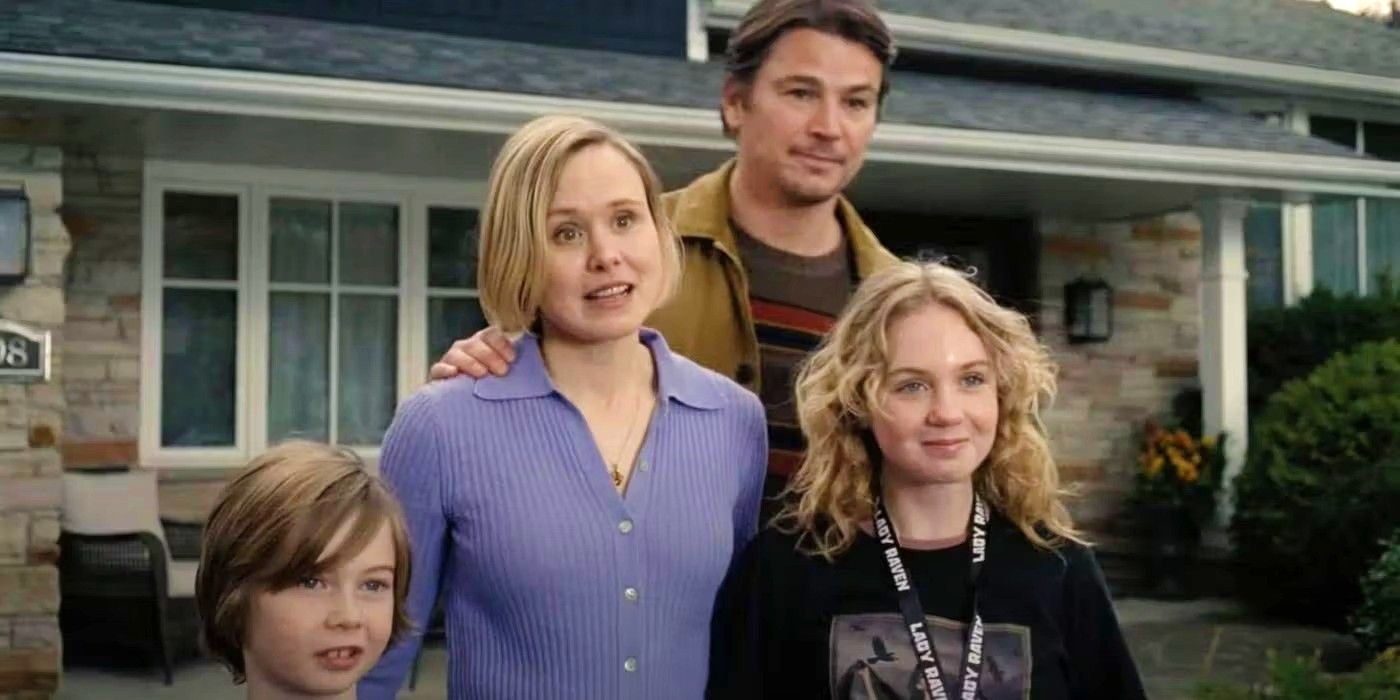
Then he steals a work uniform off her still-sizzling misery, and attempts to escape via the roof. Now here’s the kicker: the roof, naturally, is crawling with cops. Because of course it is. This is a concert venue in lockdown, not an open-world sandbox. So, when he gets caught? He claims he works there and just needed “some air” after the kitchen incident.
Let’s just take a moment. He’s standing in someone else’s uniform. A girl who is now probably being treated for second-degree burns. And he expects the cops not to notice the panicked breathing, the guilt sweat, the fact that he’s clearly lying through his teeth. These aren’t smooth criminal moves, these are the flailing death throes of a man out of depth and out of luck. And you know those cops will remember his face.
Because nothing about him says “harmless employee.” Everything about him screams, “Check the freezer, I probably stashed a body in there. “By this point, any illusions of intelligence have been thoroughly dismembered. Our protagonist, running out of ideas (and clearly also brain cells), decides the best way to sneak backstage is to manipulate a contest to get his daughter into the spotlight. Yes, literally. He puts her on stage, in front of cameras, thousands of eyes, and every single cop now whispering, “Hey, isn’t that the guy who set the barista on fire?”

It’s a move so reckless it borders on parody. Instead of quietly slipping away, he manufactures a moment that ensures maximum visibility. The lights hit his daughter, the crowd cheers, and there he is, creeping at the edge of the stage, the most suspicious “stage parent” since Norman Bates tried to book a hotel guest list. He’s not just exposing himself, he’s putting his child in danger, turning her into a decoy in his bumbling little escape plan. It’s desperate, it’s reckless, and it’s insultingly stupid. No mastermind would risk their only leverage that publicly.
But then again, no real sociopath would have gotten caught in this mess to begin with. As if the previous missteps weren’t enough, the final nail in this film’s credibility comes when our “strategic sociopath” decides to reveal his true identity to the headlining singer in an act of… blackmail? Bravado? Terminal stupidity? He confesses to the murders, out loud, face-to-face, then tries to leverage that revelation into a limo ride out of the venue. To sweeten the deal, he lives streams a hostage on his phone, victim bound and terrified and threatens to kill yet another man unless he gets what he wants.
Because apparently, the best escape plans always involve digital evidence, celebrity witnesses, and a public declaration of guilt. It’s less “psychological thriller” and more “found footage of a failed improv class.” No real sociopath would ever confess, especially not in such a wildly exposed, uncontrollable setting.
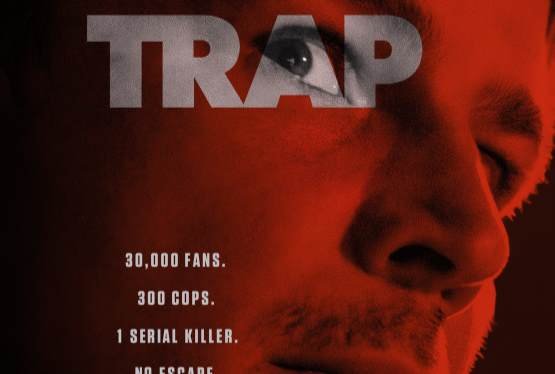
This isn’t controlled. This is a flaming wreckage of bad planning and worse writing, with a hostage and a Spotify playlist. Let’s talk about Raven, the pop star who apparently tours with less security than a gas station’s burrito. No entourage. No bodyguard. Just her and a single driver like she’s not the walking jackpot every stalker dream of. She slips around the venue with laughable ease, just so our flailing protagonist can execute his genius blackmail plot in private. Because, of course, there’s no one to stop her from being cornered by a killer. Totally believable.
But then? Oh, then the tables turn, and this is where the movie accidentally writes a better villain. Raven flips the script, flips the power dynamic, and seduces the daughter, not physically, but psychologically, into inviting her into their home. She infiltrates the killer’s world without ever raising her voice. She does what he failed to do for the entire movie: gains control without drawing suspicion.
Meanwhile, he’s left stammering in the background, unable to tell his daughter the truth, because now he knows he’ll lose her if he does. He can’t confess. Not like he did with Raven. He’s muzzled by his own failure, a predator whose teeth have been yanked by someone who never had to threaten violence to win.
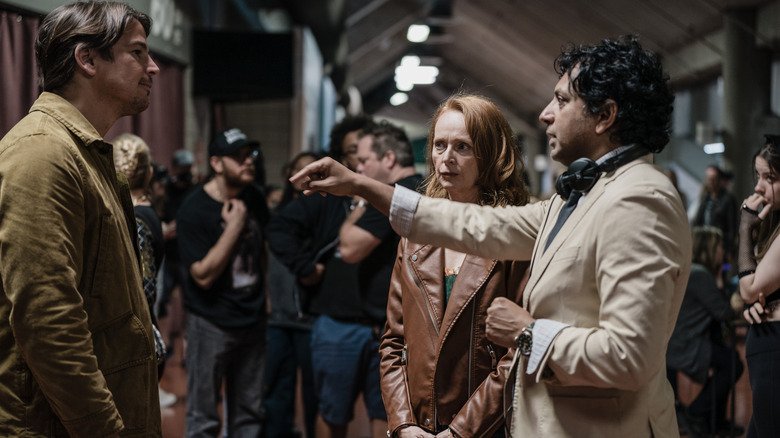
That, ironically, is the one real mind game in this entire so-called “psychological thriller”, and it didn’t even belong to the main character. Raven Steals the Show, And the Phone, the Power, and the Plot. In what may be the most unintentionally hilarious moment of the film, the supposed villain, after blackmailing the pop star and dragging her into his little horror fantasy, lets her steal his phone, lock herself in a bathroom, and free the hostage using his own social media account.
Let’s break this down: he, the alleged cold-blooded sociopath, gives her access to his only leverage, and she doesn’t scream, cry, or run, she logs in like an absolute queen and saves a life in front of millions. Meanwhile, our sad little sociopath is pounding on a bathroom door, panicking like a frat boy who lost his vape. She doesn’t need violence. She doesn’t need threats. She uses the one tool that always defeats men like him: the internet, a little brain, and not being an idiot.
This moment doesn’t just flip the power dynamic, it body-slams it through a glass table. It’s the moment we realized the wrong character was holding the spotlight for the entire damn movie. The predator becomes the punchline. And Raven? She becomes the one person who plays the psychological game right. The SWAT Suit, The Tunnel, and the Grand Theft Pop Star.
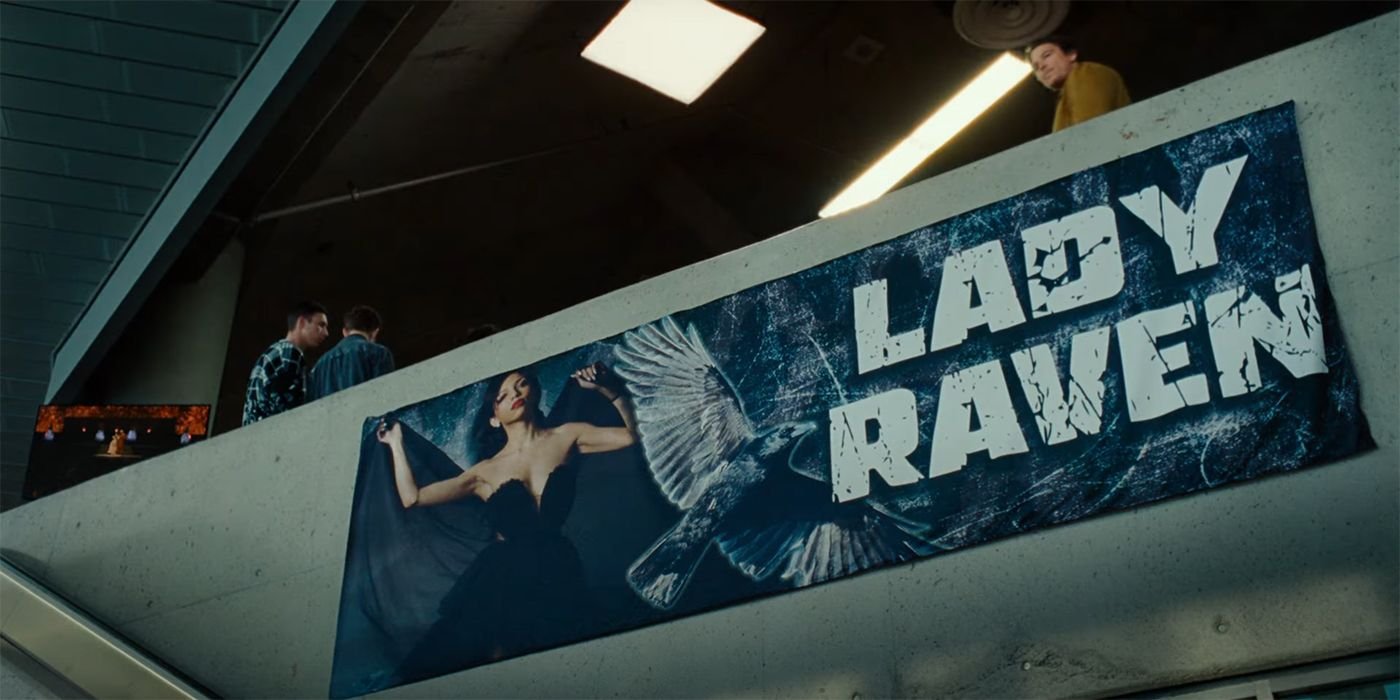
This man, this strategic mastermind, this silent sociopath, has had a SWAT suit and an escape tunnel the entire time. Let that marinate. While he was out here pushing drunk girls downstairs, burning baristas, staging awkward hostage videos, and confessing his crimes to a literal celebrity… he already had a clean exit. But instead of using it with the cool, calculated grace we were promised, he waits until the actual SWAT team shows up at his house before deciding it’s time to crawl into his Getaway Tube of Shame. And even then? Oh, he’s not done. No.
He somehow manages to kidnap the pop star again, because we’re just recycling plot points at this stage, and steals her limo. Her limo. Because nothing says low profile like fleeing the scene in a luxury vehicle, that’s probably GPS-tracked and known to half the police department by sight. It’s not even a thriller anymore. It’s a self-owning prophecy. A man who could’ve disappeared like a ghost decides instead to juggle knives in a house made of mirrors. And then set it on fire. While wearing someone else’s name tag.
The Great Disappearing Dipshit Act. It all culminates in a scene so implausible, it practically defies the laws of physics, logic, and narrative integrity. After dragging the pop star around like a designer’s accessory to his ego, he leaves her handcuffed in the back of the stolen limo, public, panicked, and screaming her lungs out. She gets the attention of the crowd, the fans flood the street, and the SWAT team arrives in full force. And what does our slippery little disaster do? He vanishes. Again.

Another costume change. Another identity swap. Right there in the middle of the chaos. No one sees him. No one has questions about it. He doesn’t get gunned down. He just… disappears. Like the world’s dumbest illusionist with a fetish for drama. We’re supposed to believe this man, who has made nothing but loud, public, incriminating choices for 90 straight minutes, now suddenly has the precision and poise to pull off a Houdini act while surrounded by law enforcement and fan hysteria.
It’s not suspenseful. It’s not genius. It’s a narrative breakdown so loud, you can hear the script crying in the corner. The “Mastermind” Goes Home and Gets Caught Like a Moron. After escaping capture not once, not twice, but three times, slipping past SWAT, melting into crowds, stealing limos, and dressing up like he’s auditioning for every season of Criminal Minds, what does our criminal genius do? He goes home. To kill his wife. Because apparently, emotional closure is more important than survival instinct. No tunnel this time. No plans.
Just back to the scene of his domestic failure, acting like no one will be waiting for the final act. After all that cleverness, all that manipulation, all that theatrical nonsense, he walks straight into a trap of his own making. Gets caught. No final twist, no psychological checkmate. Just… caught. Like a rat who made it through the maze and said, “You know what? I miss the cage.” It’s the narrative equivalent of tripping over your own grave.
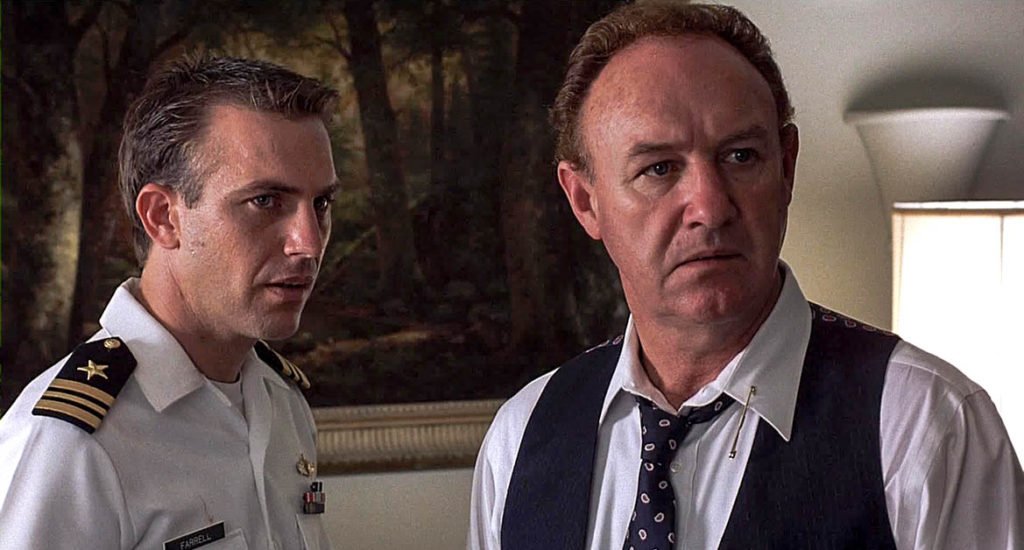
“Trap (2025)” vs. “No Way Out (1987)”
How to Murder a Thriller in No Way Out. Kevin Costner plays a man caught in a tightening web of suspicion, charged with investigating a murder he’s secretly tied to. Every decision is calculated. Every line of dialogue is soaked in implication. The tension comes not from what he does, but from what he can’t afford to do. It’s a masterclass in restraint, paranoia, deception, and self-preservation coiled into every breath.
In Trap, M. Night Shyamalan seems to have read the Wikipedia summary of No Way Out and said: “Cool. But what if the guy was an idiot who tried to escape in broad daylight, burned someone, confessed to a pop star, livestreamed a hostage, and still had time to steal a limo and botch a murder?” Tension vs. Tantrum. In No Way Out, the killer hides in plain sight, forced to solve a case that will ultimately expose him. The beauty is the internal conflict, his duty vs. his guilt, his survival vs. his morality.
In Trap, the killer is constantly drawing attention to himself, bumping girls downstairs, setting kitchen fires, trying to flee during a police sweep. There’s no tension—just confusion. He’s not hiding in plain sight. He’s waving a gun in plain sight and wondering why people are looking at him. Realism vs. Ridiculous. No Way Out builds stakes through subtle power plays. When the walls close in, it hurts because it’s earned. You believe the world Costner is trapped in. Trap throws logic out the window.

A pop star with no security? A hostage livestreamed on Instagram? Costume changes in front of a SWAT team? In No Way Out, Costner’s character is smart. He adapts. He plays the system even as it threatens to crush him. You root for him because he’s trying to escape a system he can’t control. In Trap, the killer has an escape tunnel, a SWAT disguise, and multiple opportunities to disappear, but instead goes home to kill his wife and gets caught. He’s not smart.
He’s just lucky everyone else is dumber. Psychological complexity vs. cartoon villainy No Way Out, doesn’t need to scream “thriller.” It simmers. It seduces. It makes you question everyone and everything until the final twist, a devastating, earned revelation. Trap wants the same prestige but has none of the discipline.