
There are stories that entertain and then there are stories that they possess. Charles Dickens’ A Christmas Carol has done both for nearly two centuries, haunting not just its readers, but the very idea of Christmas itself. Since that cold December of 1843, when Dickens penned his ghost story of greed and grace, the tale has refused to die.
It has shape-shifted through centuries and media, from candlelit theatres to streaming screens, from ragged Victorian London to the digital neon of the 21st century. Every generation rediscovers Scrooge in its own reflection, the miser becomes the banker, the CEO, the influencer, the man with too much and the heart with too little. The ghosts never leave; they only update their wardrobe.
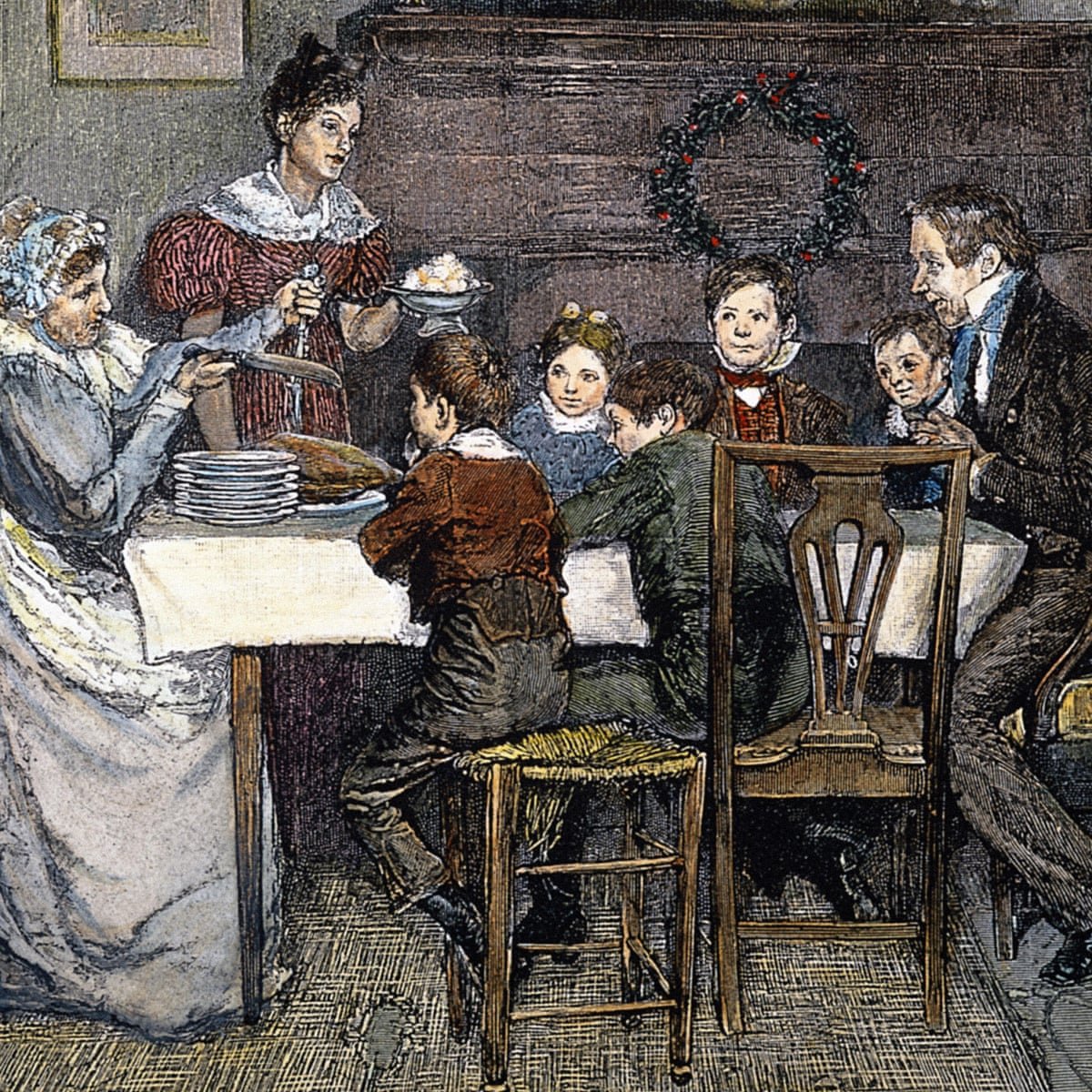
What began as a moral outcry against industrial cruelty became the template for modern redemption. It is at once sermon and seance, fable and mirror, comfort and curse. And though its snow has melted, its chill remains. This is the story of a story, The History of a Christmas Carol: Then and Now. One haunted legacy that refuses to rest in peace. London, 1843, the city choked on smoke and sin, a vast machine grinding wealth from poverty.
The workhouses overflowed with the forgotten, children were currency, and the streets smelled of soot, gin, sewage, and desperation. In this moral frost, Charles Dickens walked among the ghosts of the living. He was thirty-one, famous but anxious, a man with debts gnawing at his conscience and the weight of a broken England pressing on his imagination.
He had seen the factories, the bent spines, the hollow eyes, of the hungry children turned into cogs and something inside him revolted. He didn’t just want to write a story; he wanted to ignite one. In six fevered weeks, Dickens poured outrage into a slender book.
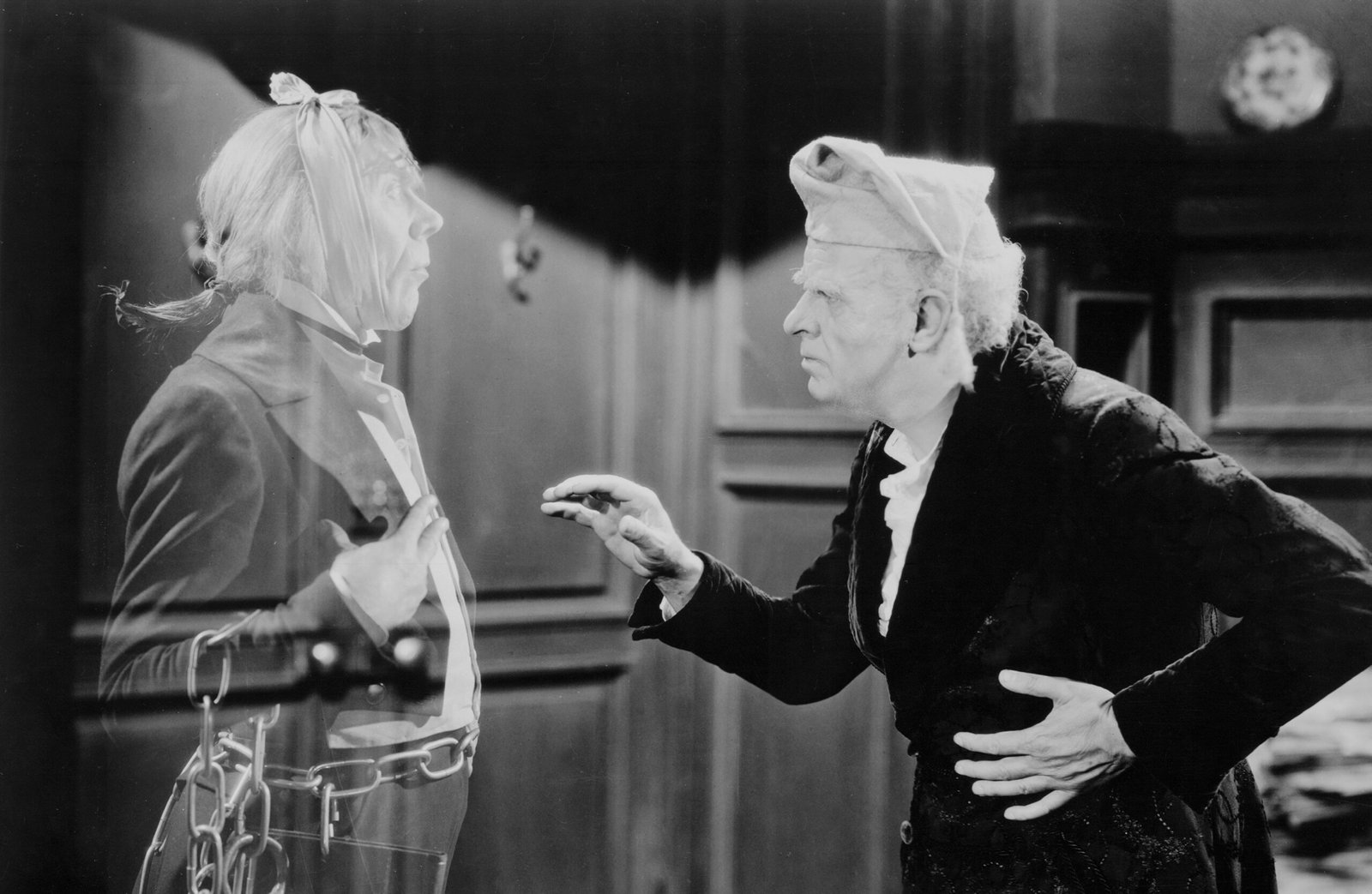
A Christmas Carol was his exorcism, a ghost story meant to haunt an empire. It was a sermon disguised as a fireside tale, a manifesto wrapped in holly and tinsel, calling for compassion in an age of calculation. Published on December 19, 1843, it sold out in days. Readers wept, laughed, and reflected. Even the cynics admitted the thing had power. The miser’s redemption became the people’s fantasy, proof that even the coldest heart might thaw.
Dickens had conjured something greater than literature. He had invented a ritual. And from that moment on, Christmas would no longer belong to the church or the crown, it would belong to the conscience. The ink on A Christmas Carol was barely dry before the gaslights claimed it. By February, 1844, scarcely weeks after publication, London’s playhouses were already trembling with Marley’s chains.
Over a dozen unauthorized stage versions appeared within the year, each racing to capture the public’s new obsession before Dickens could object or catch his breath. Audiences flooded in from the soot-streaked streets to watch Scrooge’s salvation under flickering light. The theatre became a chapel of repentance; applause replaced prayer. Actors hissed and wept and thundered through their lines, while mechanical specters swooped over the stage, their lantern eyes glowing in the haze.
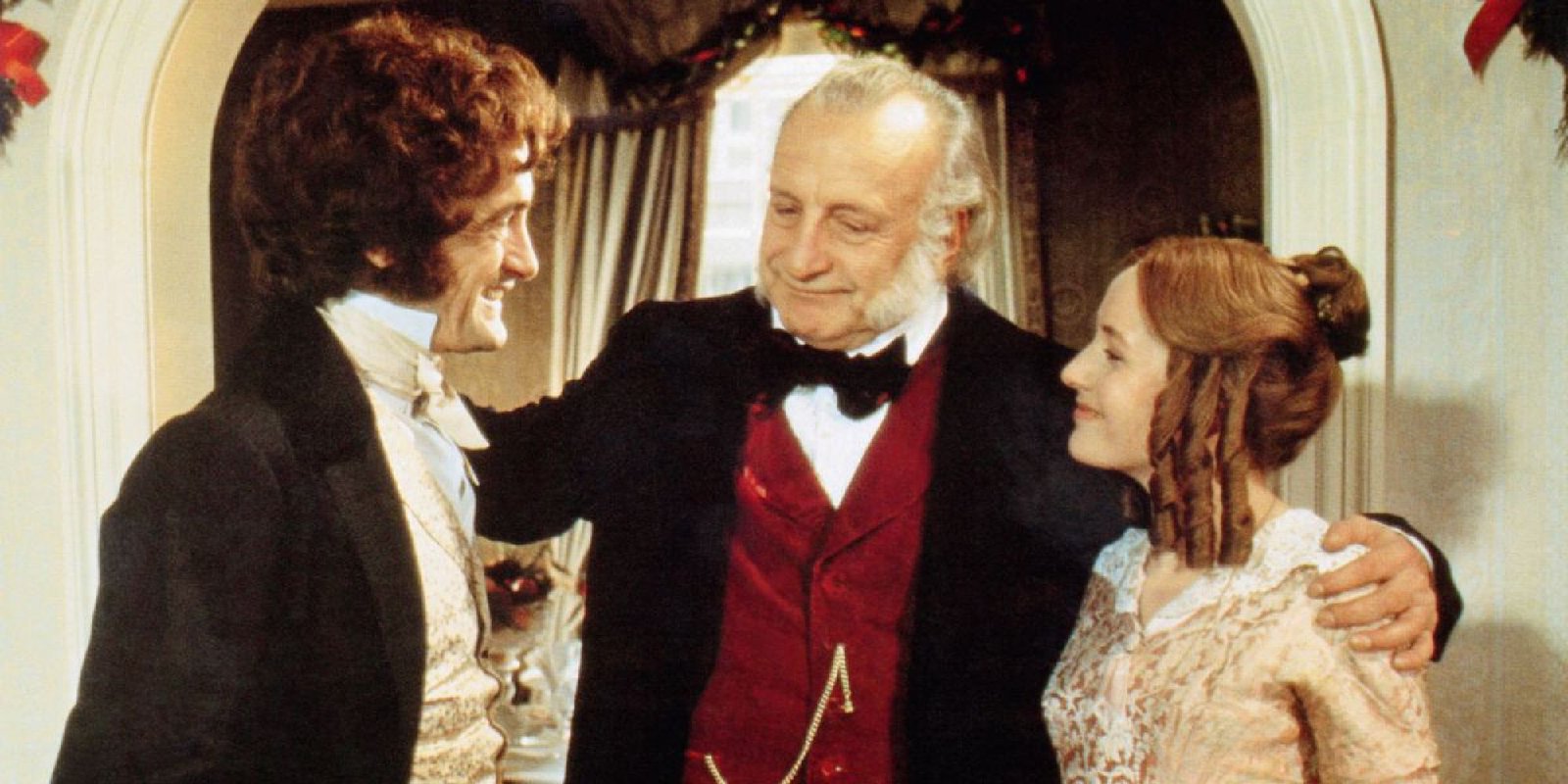
The Victorians didn’t merely watch the story, they lived it, together, in a kind of communal haunting. In those candlelit productions, Christmas began to transform. The holiday was no longer just a relic of religion or rural custom, it became a season of sentiment, spectacle, and social conscience. The theatre stitched together the elements we now call “the Christmas spirit”: the ghosts of generosity, the warmth of redemption, and the shimmering promise that even cruelty can change.
On those stages, amid sawdust snow and painted fog, A Christmas Carol stopped being just a story. It became a ritual of hope performed annually, a mirror that showed humanity both its sins and its second chances. Christmas, as we know it, charity, warmth, ghosts, was invented not in the Bible, nor even in Dickens’ pages, but in the glow of gaslight, when Scrooge’s repentance first echoed across the boards and the audience, spellbound, believed it could be their own.
When the new century dawned, so did another kind of ghost, light captured and projected, the moving image itself. Cinema, still in its infancy, stumbled eagerly into Dickens’ shadow. The very first adaptation, Scrooge, or Marley’s Ghost (1901), was a six-minute phantasm, grainy, trembling, more séance than storytelling. Faces shimmered in and out of focus; Marley appeared and vanished like a conjuration from a lantern’s medium dream.
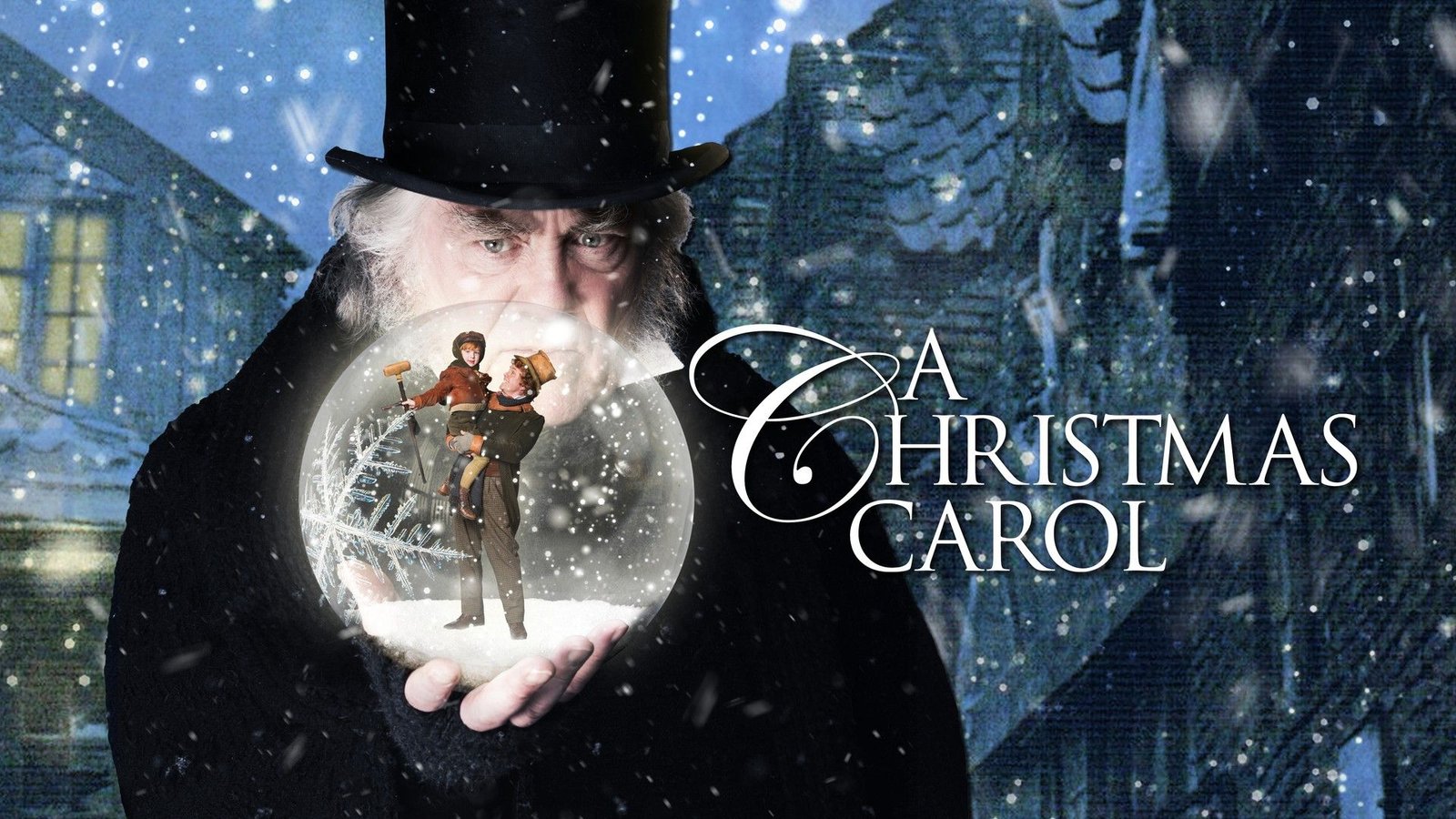
It was the perfect match: Dickens’ obsession with haunting and film’s obsession with illusion. Both trafficked in revelation, the sudden sight of what was always there, unseen. And yet, in the silent era, filmmakers faced a peculiar challenge: how to express redemption without words. The clink of chains could not be heard; Scrooge’s cry of remorse had to be seen in trembling hands, in the fall of snow across a repentant face.
Throughout the 1910s and 1920s, studios in Britain and America returned to the story repeatedly, as though it were holy text. Each version experimented with new visual incantations, double exposures for ghosts, gauze for fog, and a candle flare for the light of conscience. Audiences, huddled in the dark, became congregants at a new kind of church: the cinema as a cathedral of moral imagination.
Then came 1938 and MGM’s A Christmas Carol, a Hollywood Christmas in its purest form, all polished sets, smiling children, and gently falling snow. Gone were the harsh industrial shadows of Dickens’ London; in their place, a story of personal kindness and family cheer. Scrooge was softened, society forgotten, and Christmas became a domestic balm rather than a social reckoning.
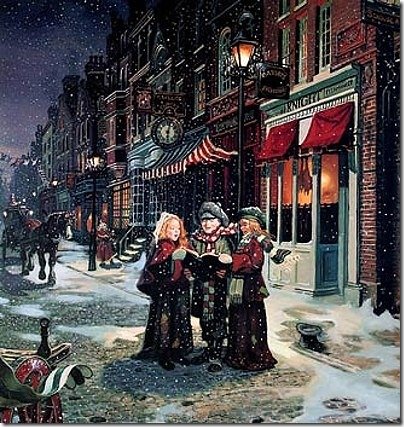
The industrial revolution had ended, but another had begun, the sentimental one. The camera no longer sought to expose suffering, but to soothe it. The ghosts still visited, yes, but now they came bearing comfort rather than warning. The war had ended, but the cold lingered. Ration books still clung to kitchen drawers; bombed-out shells of houses stood like broken teeth along London’s streets.
It was into this landscape of weary resilience that A Christmas Carol found a new life, and its most definitive incarnation. Brian Desmond Hurst’s Scrooge (1951), starring Alastair Sim, remains the purest distillation of Dickens’ vision ever set to film. Sim’s performance is an act of haunting, his Scrooge is not merely miserly, but hollowed, a man consumed by ghosts long before they knock at his door.
The film’s monochrome world glimmers with moral frost, each shadow edged with grace. Redemption, when it arrives, feels earned, a light shivering through the grime. Postwar audiences recognized themselves in Scrooge: the guilt, the exhaustion, the desperate need to believe in renewal. The film became a yearly ritual of catharsis, a reminder that the heart could thaw even after ruining.
But as decades turned and prosperity grew, the tone shifted. The 1960s brought color, spectacle, and a new appetite for entertainment. In 1970, Scrooge! The Albert Finney musical replaced dread with dance. Redemption came not with terror or tears but with trumpets and tap shoes. The ghosts were no longer instruments of reckoning; they were supporting acts in a holiday revue.
The transformation was telling. A Christmas Carol had crossed from moral parable into cultural comfort, the horror smoothed away, the message softened for mass consumption. The ghosts still visited, but their chains jingled in harmony. Yet even in song and glitter, the shadow of Sim’s Scrooge lingered, a reminder that beneath every carol, every sleigh bell. There is still the echo of a door knocker that screams.
By the 1980s, Scrooge had traded his countinghouse for a skyscraper. The industrial London fog was gone, replaced by the electronic haze of television screens and shopping malls. Yet ghosts, persistent as ever, found new ways to haunt us.
Disney arrived first, offering a sugar-coated séance. Mickey’s Christmas Carol (1983) condensed Dickens into twenty-five brisk minutes of animation, moral clarity, and surprising melancholy. Scrooge McDuck, a character literally built from avarice, played the role he was born for. Despite its brevity and cartoon veneer, the film carried a faint echo of the old chill. Children laughed, adults remembered, and the mouse empire proved that redemption could be merchandised without being entirely emptied of meaning.
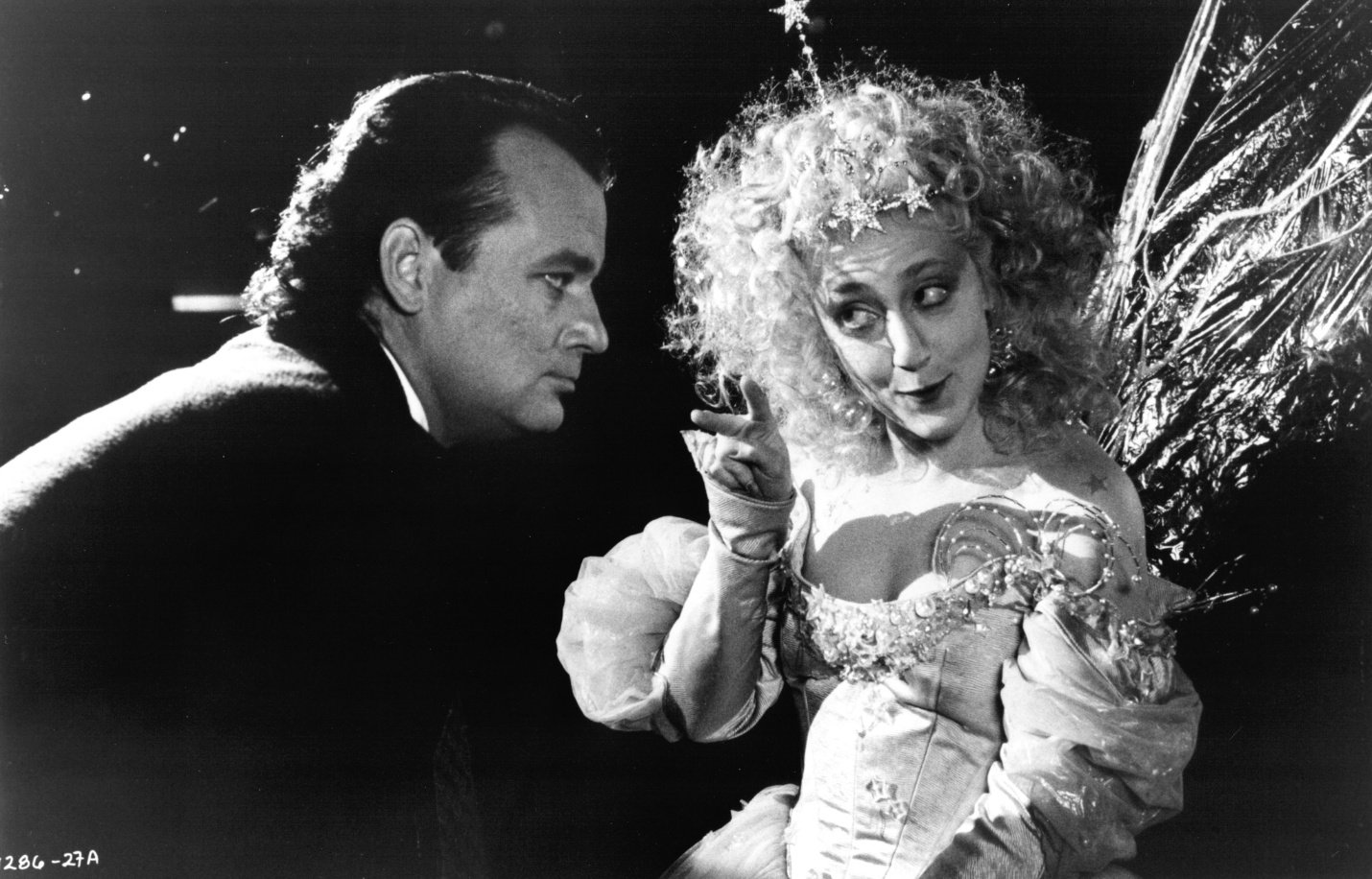
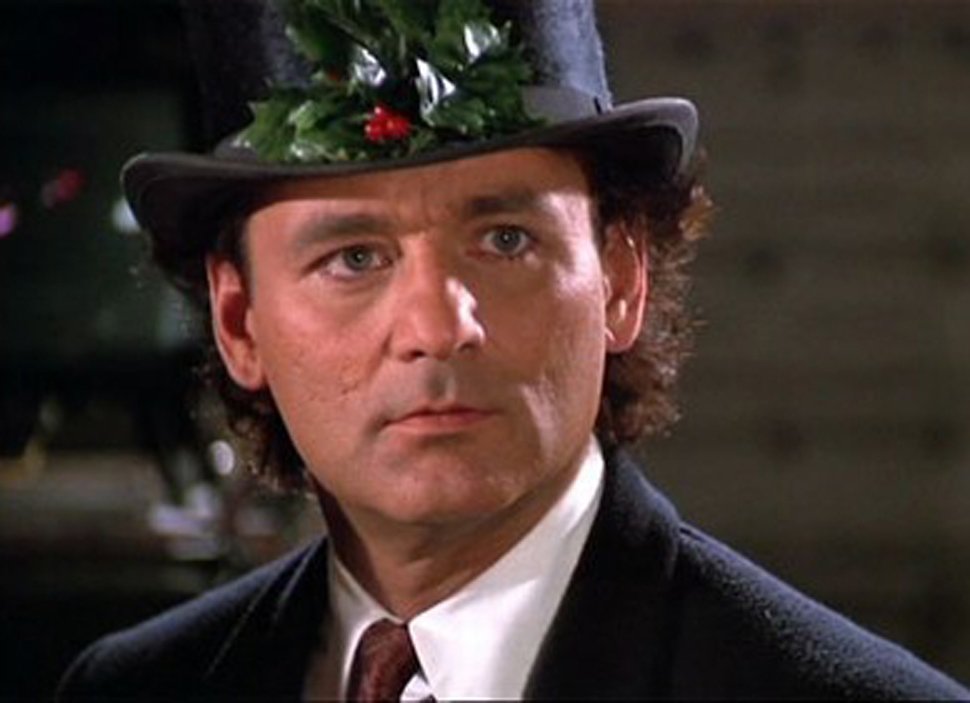
Then came Scrooged (1988), a jolt of acid in the eggnog. Bill Murray’s Frank Cross was the perfect Reagan-era Scrooge: a television executive who sold sentiment on-screen while scorning it off. The film turned Dickens’ ghosts into a spectacle of cynicism, televised, weaponized, and deeply self-aware. It was satire disguised as slapstick, a Christmas story for a culture that had replaced charity with ratings. But it was The Muppet Christmas Carol (1992) that restored the heart.
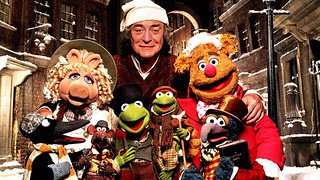
Against all odds, and all logic, Michael Caine stood among puppets and delivered a performance of disarming sincerity. He acted as though surrounded not by felt but by fate. The result was transcendent: a perfect marriage of parody and pathos, the human and the handmade. The Muppets didn’t mock Dickens; they resurrected him.
In this strange, sentimental decade, morals endured. Whether filtered through puppets, pixels, or prime-time satire, the story still struck the same raw nerve: that the rich man must wake from his cold dream, that kindness remains revolutionary, and that no matter how modern we become, we still require haunting.
The new millennium arrived with silicon breath and glowing screens, and even Dickens could not escape the resurrection engines of technology. The ghosts went digitally. In 2009, Robert Zemeckis attempted to summon A Christmas Carol through motion capture, pixels replacing flesh, algorithms standing in for empathy. Jim Carrey played Scrooge and all three spirits, a kaleidoscope of digital masks flickering across a face that was never quite alive. The result was both dazzling and hollow, a spectral echo of cinema itself.
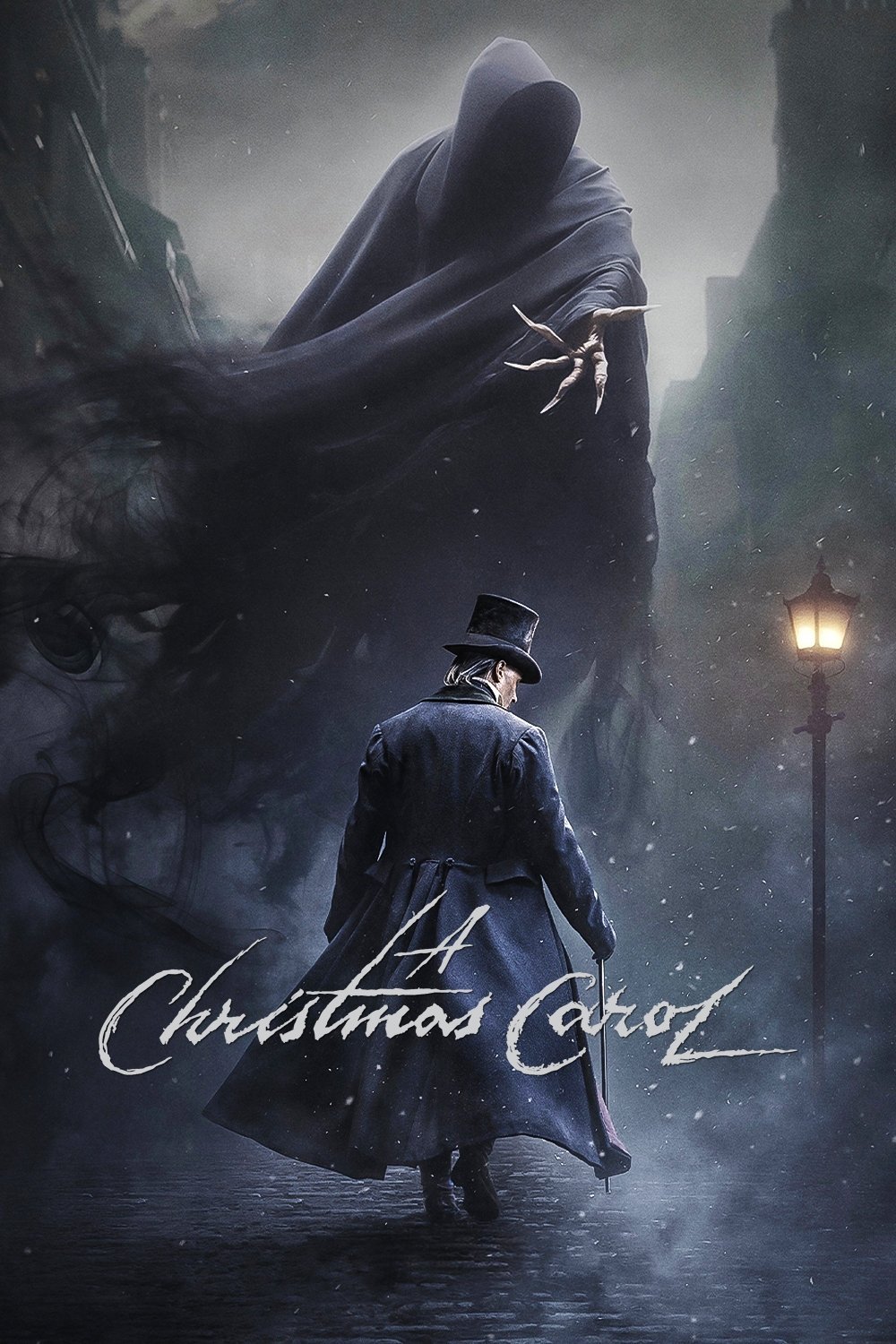
The snow sparkled with algorithmic precision, the ghosts swooped with impossible grace, and yet something essential was missing: the human tremor beneath the terror. It was Dickens rendered as simulation, haunted not by Marley, but by the technology that devoured him. A decade later, the BBC and FX offered the antithesis. Their 2019 Christmas Carol, led by Guy Pearce, stripped away every trace of comfort and candlelight.
This was Dickens recast in Freud and frost, a psychological exorcism of a man crushed by his own cruelty. The ghosts were no longer ethereal in vision, but projections of guilt, fragments of trauma clawing through the mind. The redemption, if it came at all, arrived not as a miracle, but as a breakdown. Between these two poles, the synthetic and the psychological, A Christmas Carol lost its innocence.
The story turned inward, darker, less forgiving. The once-certain promise of transformation became conditional, questioned. Could Scrooge still change in an age when the self was already endlessly analyzed, digitized, and performed? By the end of the 2010s, the ghosts were no longer visitors from beyond; they were reflections in a black mirror. Redemption was no longer guaranteed, it had to be earned, or perhaps, endured.
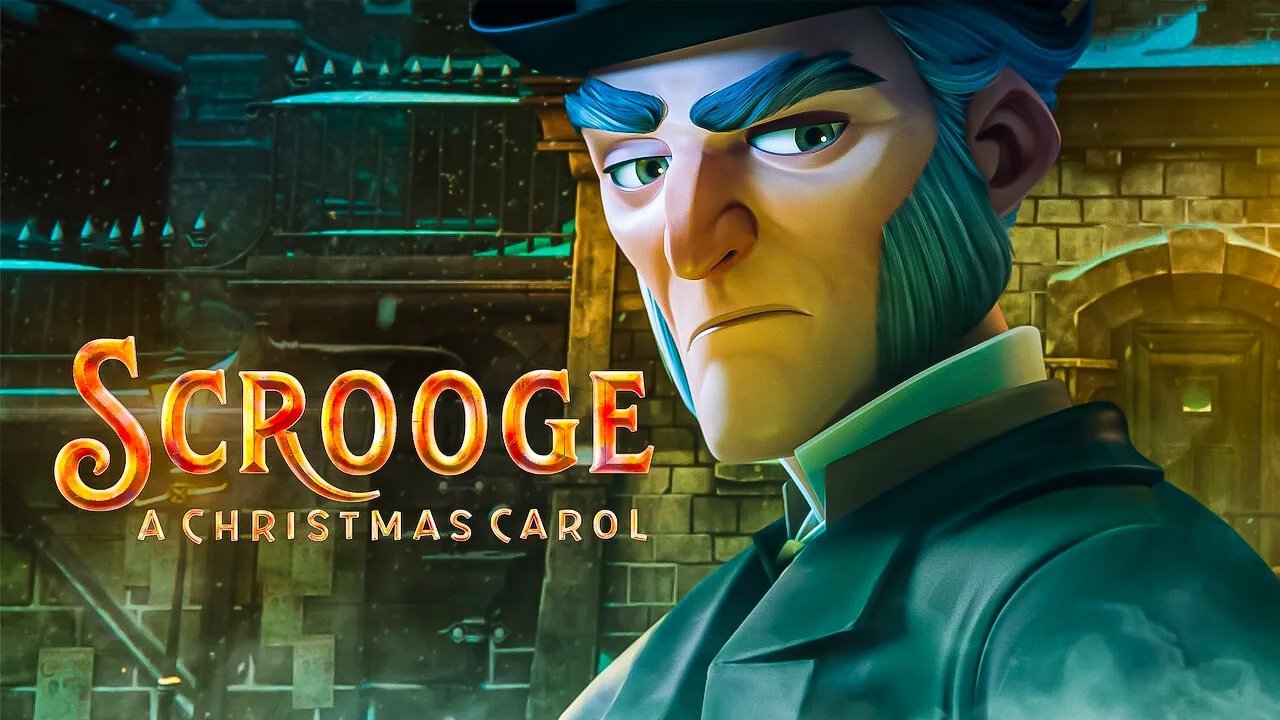
Even now, the ghosts, refuse to rest. Two centuries on, A Christmas Carol continues to shimmer through new forms and new media, a story too alive to stay buried, too uneasy to be forgotten. In 2022, Apple’s Spirited reimagined the tale as a self-aware musical, complete with corporate bureaucracy and jazz hands for the damned. Elsewhere, indie filmmakers reinterpreted Scrooge through minimalist drama, queer narrative, horror, animation, and virtual reality, each generation reshaping the old story in its own image, like ghosts trying on new flesh.
The moral endures not because it’s sentimental, but because it’s surgical: Dickens’ scalpel still cuts through our performance of goodness. In a world devoured by profit, distraction, and personal branding, Scrooge remains the perfect mirror. He is every CEO polishing their philanthropy on social media, every consumer mistaking charity for change, every one of us bargaining with the ghosts of our own complacency. The tale survives because it isn’t really about Christmas, it’s about conscience.
About the terrifying possibility that the heart, if left unchecked, calcifies. Every age remakes him: the Victorian miser, the Wall Street tycoon, the influencer selling empathy by the post, the artificial intelligence learning to simulate remorse. The trappings change, the countinghouse becomes a screen, the ghosts become data, but the wound remains the same.
And so, the story goes on. A Christmas Carol is less a tale now than a mirror held to civilization, a reminder that the future we fear is always of our own making, and that redemption, even digital, is never free.
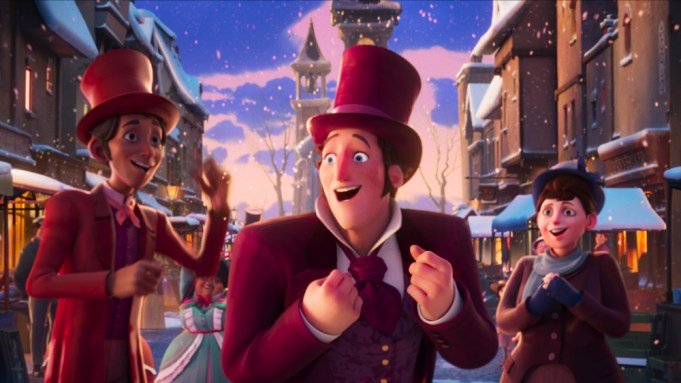
The message endures, eternal and uneasy: the heart must change, or it will haunt itself forever. Stories like A Christmas Carol don’t end, they echo. Every retelling is another knock at the door, another whisper in the dark asking whether we’ve truly changed or merely decorated our greed in brighter colors. The ghosts linger not in books or films, but in us, in every choice we make between warmth and indifference, generosity and gain. So, as the snow settles over another century of adaptation, remember this: Choose wisely. Share freely. And remember Scrooge, the spirits of Christmas are still out there.


