
It’s a Wonderful Life, a timeless masterpiece masquerading as a Christmas classic. Watch it once for tradition. Watch it again to realize it’s not about Christmas at all, it’s about being seen when you feel invisible. Directed by Frank Capra (1946). Let’s get this out of the way: It’s a Wonderful Life isn’t just a holiday film. It’s not just about bells ringing and angels getting wings. It’s a low-key existential gut-punch wrapped in tinsel and heartache.
At the core, Capra’s film is about George Bailey, played with equal parts restraint and desperation by James Stewart. He’s the everyman shackled to his small-town life, constantly sacrificing his dreams for others until the weight of it nearly breaks him. He isn’t a saint. He’s bitter. Frustrated. When he stands on that snowy bridge contemplating the void, it’s not sentimental, it’s devastating. And then Clarence shows up.
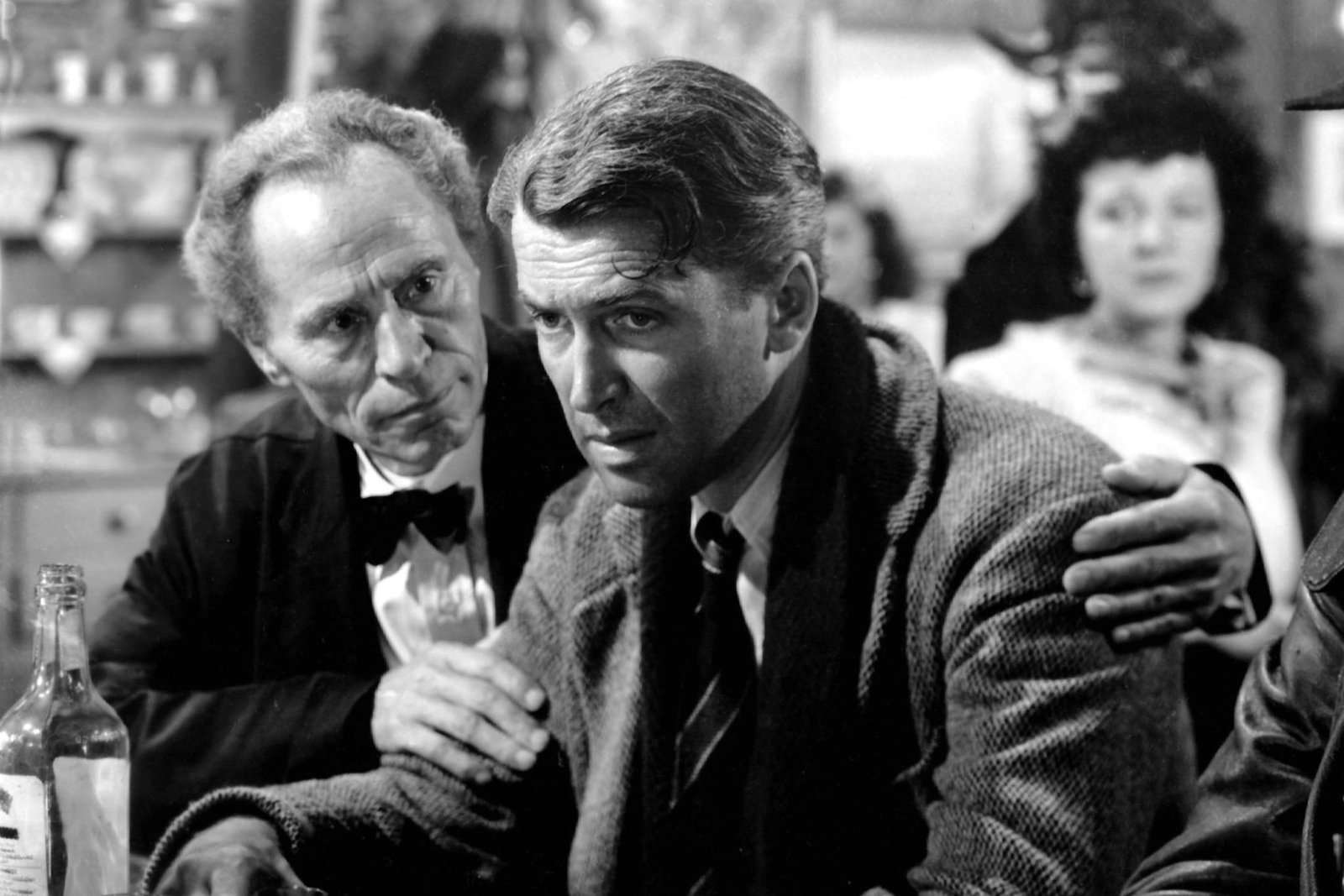
Cue the celestial intervention. What could have been maudlin becomes, miraculously, raw, honest, and redemptive. George gets a glimpse of the world without him, and it isn’t pretty. But the revelation isn’t just that people need him, it’s that he mattered even when he couldn’t see it.
Capra’s direction, paired with Dimitri Timken’s haunting score, builds a world so authentically lived-in you can almost feel the cold air of Bedford Falls. Donna Reed as Mary is radiant, grounded, and quietly powerful. And Lionel Barrymore’s Mr. Potter’s evil greed is wheelchair-bound face, so vile he makes Scrooge look like a camp counselor. The beauty of It’s a Wonderful Life is how unsentimental it is beneath its holiday glow. It’s a film about regret, responsibility, isolation, and ultimately hope.
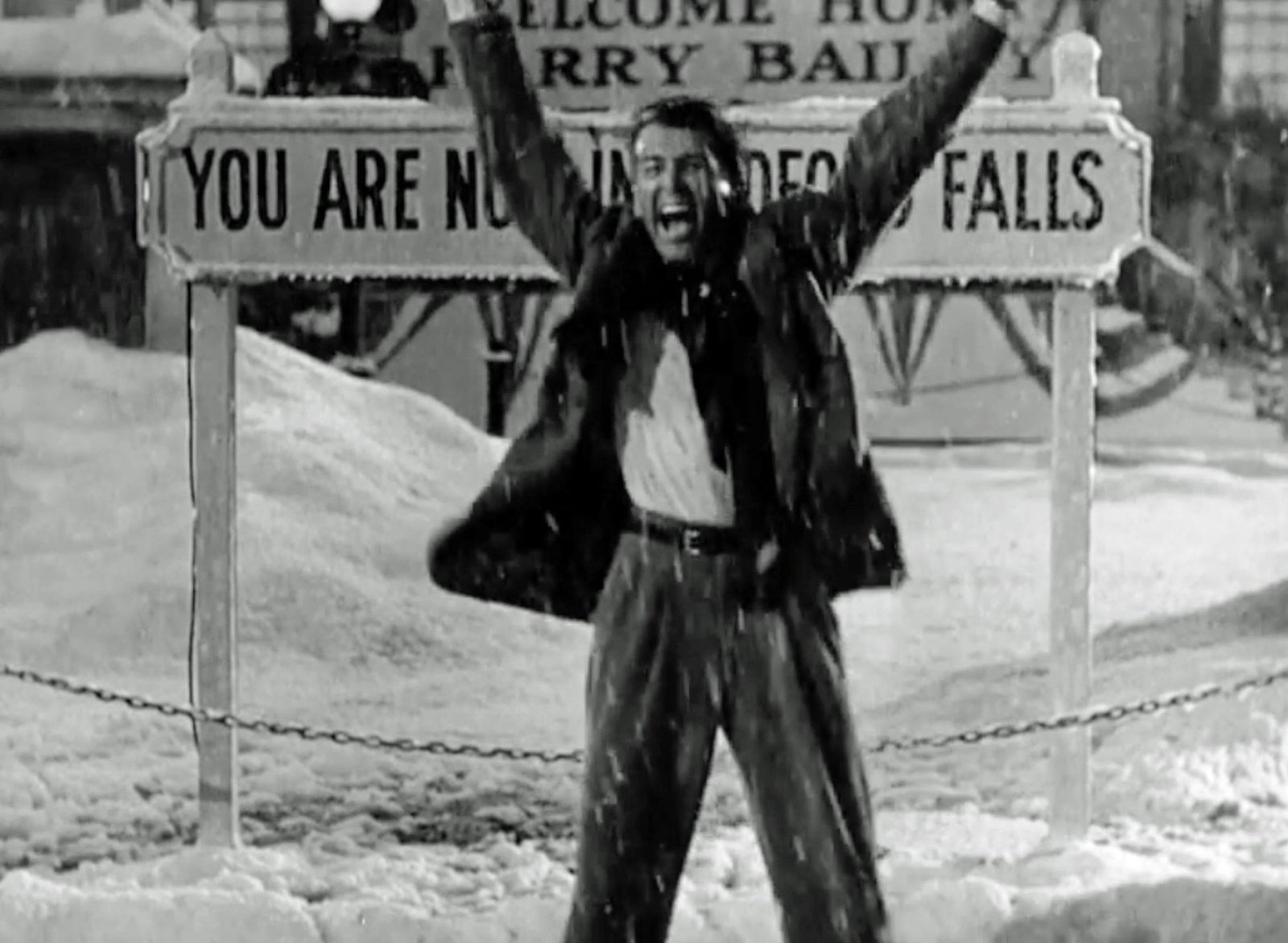
But not the easy kind of hope, the kind that costs something. It’s easy to overlook how radical it was for its time. A movie that says your life has meaning even if you never “make it big”? In a culture obsessed with individualism, that’s almost rebellious. When most people think of It’s a Wonderful Life, they picture snow-dusted nostalgia, twinkling lights, and a teary Jimmy Stewart shouting, “Merry Christmas!” To every building in town.

It’s become a ritual of the season, background noise to gift-wrapping and hot cocoa. But this warm holiday image is a sleight of hand. Look closer, and you’ll find something far more arresting beneath the surface: a story about despair, sacrifice, and the terrifying quiet of feeling insignificant.
Frank Capra’s 1946 film is often remembered for its heart, but it’s built on heartbreak. At its core, it’s a Wonderful Life is a tale of a man undone by the weight of responsibility and regret, a story that dares to place suicidal ideation at the center of a Christmas narrative. Wrapped in the aesthetics of small-town Americana, it slips under your defenses and hits you where you live: in the private, anxious corners of your own sense of purpose.
This is not a film about angels, not really. It’s about one man’s reckoning with the fact that his dreams died quietly while he was busy holding everyone else’s world together. That this story is told through snowfalls and sleigh bells only makes its emotional truth more subversive. Capra didn’t make a holiday film, he made a timeless, existential fable disguised as one.
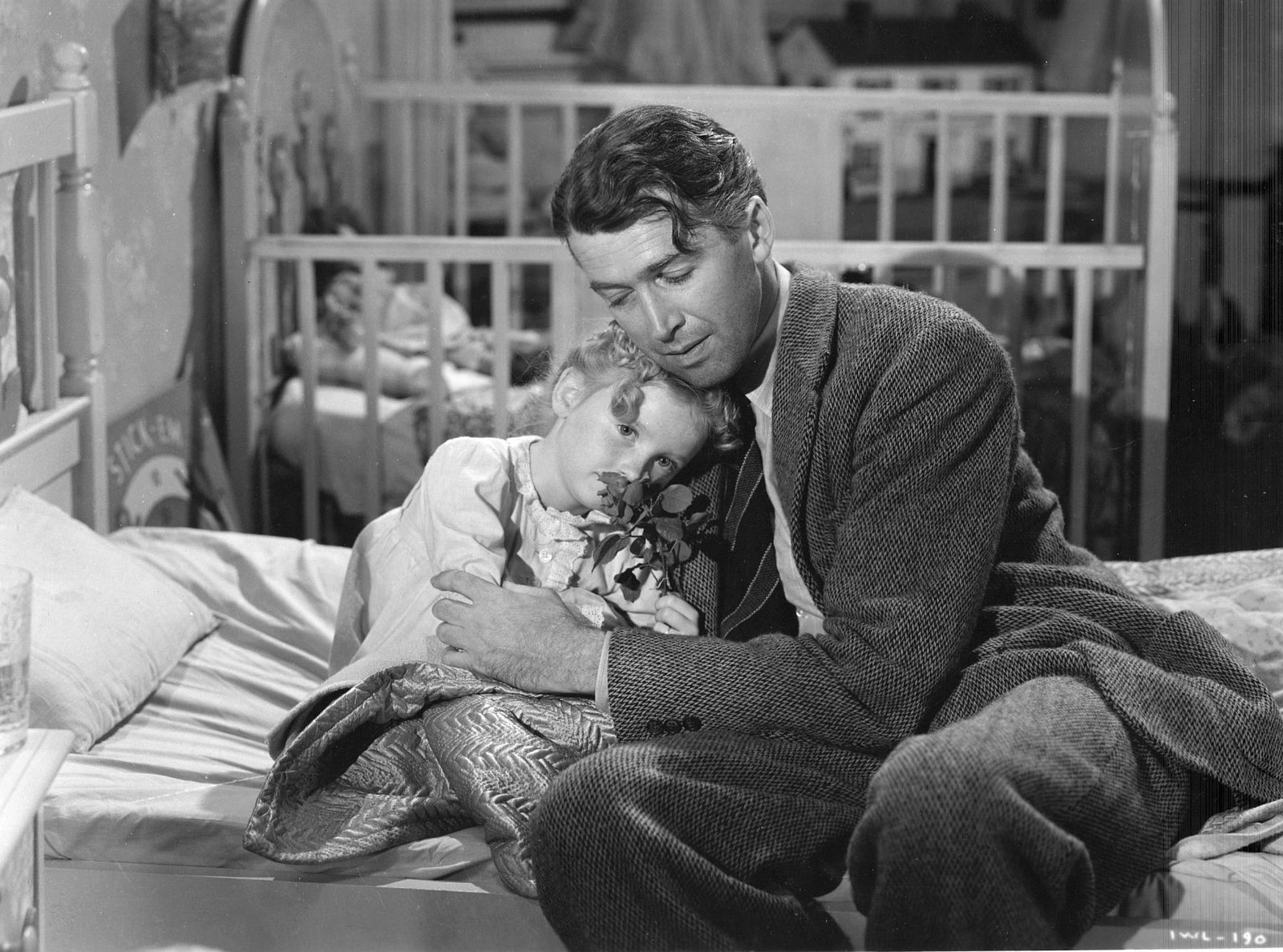 At the heart of It’s a Wonderful Life is George Bailey, a man who becomes a hero not through triumph, but through endurance. James Stewart delivers a performance that simmers with restrained sorrow, a man constantly on the verge of either laughter or collapse. George isn’t a paragon of virtue.
He’s not the shiny, smiling poster boy for small-town values. He’s tired. Resentful. Haunted by a life he never chose but felt obligated to live. From the beginning, George dreams of escaping. He sketches cities in snowbanks and speaks of foreign lands like gospel. But one by one, those dreams are folded away, casualties of obligation and circumstance. He misses college, never travels, inherits a crumbling business, and slowly watches the walls of Bedford Falls close around him.
And still, he stays. Because other people need him. Because duty, guilt, and love form a prison he can’t quite name. This is the quiet tragedy of George Bailey: he saves everyone but himself. While others see a generous, dependable pillar of the community, George sees a life hijacked by compromise, a man who has given everything and still fears it was for nothing. His breakdown on the bridge isn’t a melodrama, it’s earned.
It’s the culmination of years spent denying himself in the name of a stability that offers him no joy. George Bailey resonates because he’s us, not in our best moments, but in our real ones. When the weight of doing the right thing feels like a curse. When we wonder if any of it meant anything. Stewart channels that tension perfectly noble but fraying, warm but aching. He’s not heroic because he never wavers. He’s heroic because he wavers and stays anyway.
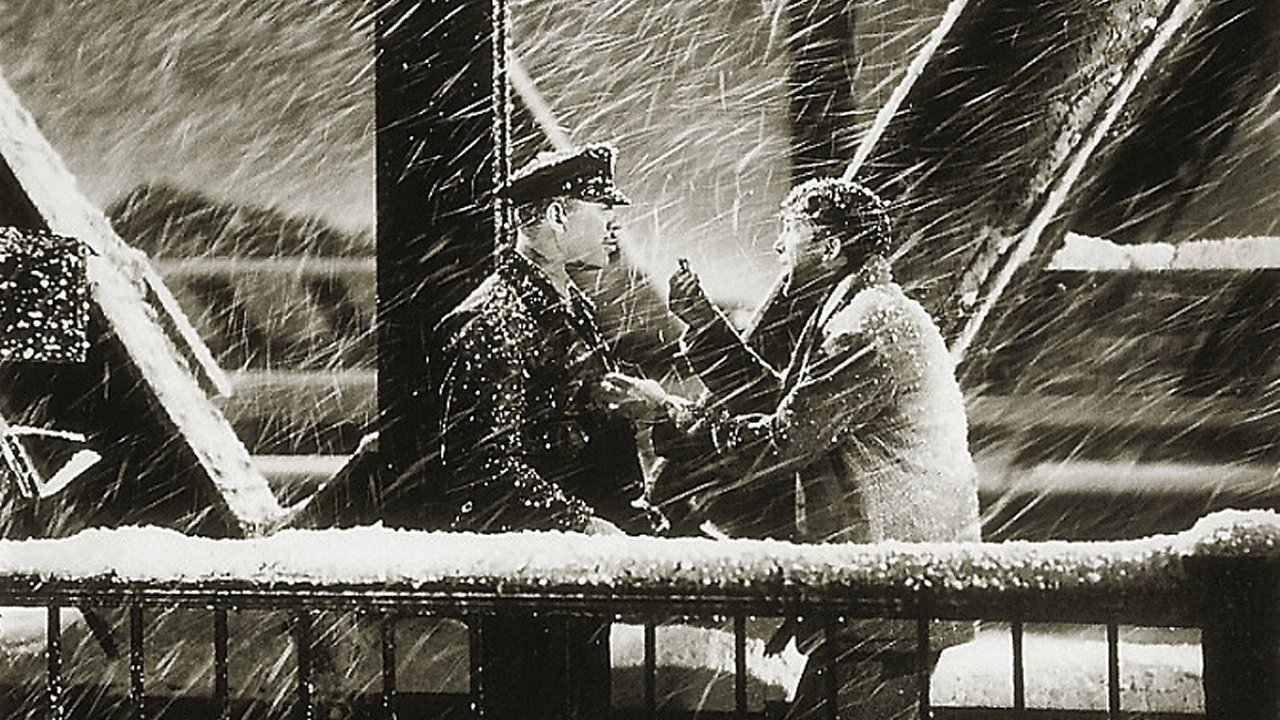
In It’s a Wonderful Life, the town of Bedford Falls isn’t just a backdrop, it’s a living organism, shaped by the choices and sacrifices of its people. And no one has shaped it more than George Bailey.
With its modest storefronts, warm porches, and familiar faces, Bedford Falls embodies a fragile, shared dream: a place where community still matters, where decency hasn’t been priced out. But Capra doesn’t leave this vision unchallenged. When Clarence pulls George into a world where he was never born, we’re dropped into Pottersville, a distorted reflection of Bedford Falls. It’s louder, meaner, colder. The streets pulse with vice, not vitality.
The town’s soul has curdled under the unchecked influence of Mr. Potter, the miser who in the real timeline is kept in check only by George’s quiet resistance. In Pottersville, there are no safety nets, no second chances, just greed, and lost faces. This transformation isn’t subtle. Its cinematic morality is literal. Where Bedford Falls represents mutual care and reluctant sacrifice, Pottersville is pure Hobbesian greed, chaos, and decay.

A world where no one owes anyone anything, and everything that once made the town human is stripped down to transactional value. And here’s the crucial subtext: the difference between these two realities hinges on a single man’s existence. Capra isn’t just sentimentalizing community, he’s pointing out its terrifying fragility. Without George, the town doesn’t just become lonelier. It becomes unrecognizable. Because George didn’t save the town in some singular, dramatic gestures.
He saved it slowly, constantly, in small acts of kindness, compromise, and refusal to sell out. Bedford Falls is a monument to the power of one man’s integrity. Pottersville is the cautionary tale: what the world becomes when that integrity is absent. When George Bailey hits his breaking point and stares into the black mouth of the river, the story pivots, not into fantasy, but into metaphysical inquiry. Enter Clarence Odbody, Angel Second Class, a quaint, oddball figure straight out of celestial HR. On paper, he’s comic relief. But beneath his bumbling charm is a profound function: not to save George’s life, but to show him what it already meant. Unlike typical angelic interventions, Clarence doesn’t fix anything.

He doesn’t erase George’s debt or punish Mr. Potter or wave a wand to restore order. Instead, he becomes a mirror, guiding George through a version of the world where his absence echoes like a scream. The supernatural device isn’t a spectacular revelation. Capra’s brilliance lies in making the miracle not about changing the world but changing how one man sees his place in it. Clarence’s otherworldly presence reframes George’s memories and regrets, dragging them out of the shadows and forcing him to confront their consequences.
We watch as George realizes he was never invisible, never inconsequential. His sacrifices, uncelebrated, often unwanted, rippled outward, shaping the very soul of Bedford Falls. There’s an elegance in how Capra uses the supernatural not to escape the story’s realism, but to heighten it. The fantasy is modest, even old-fashioned, but its emotional weight is immense. Clarence doesn’t just earn his wings; he earns George’s understanding.
And through that, the audience is reminded. Sometimes the only way to see the value of a life is to imagine its absence. In a film filled with hard choices and quiet despair, Clarence is the soft light that lets us see things clearly.
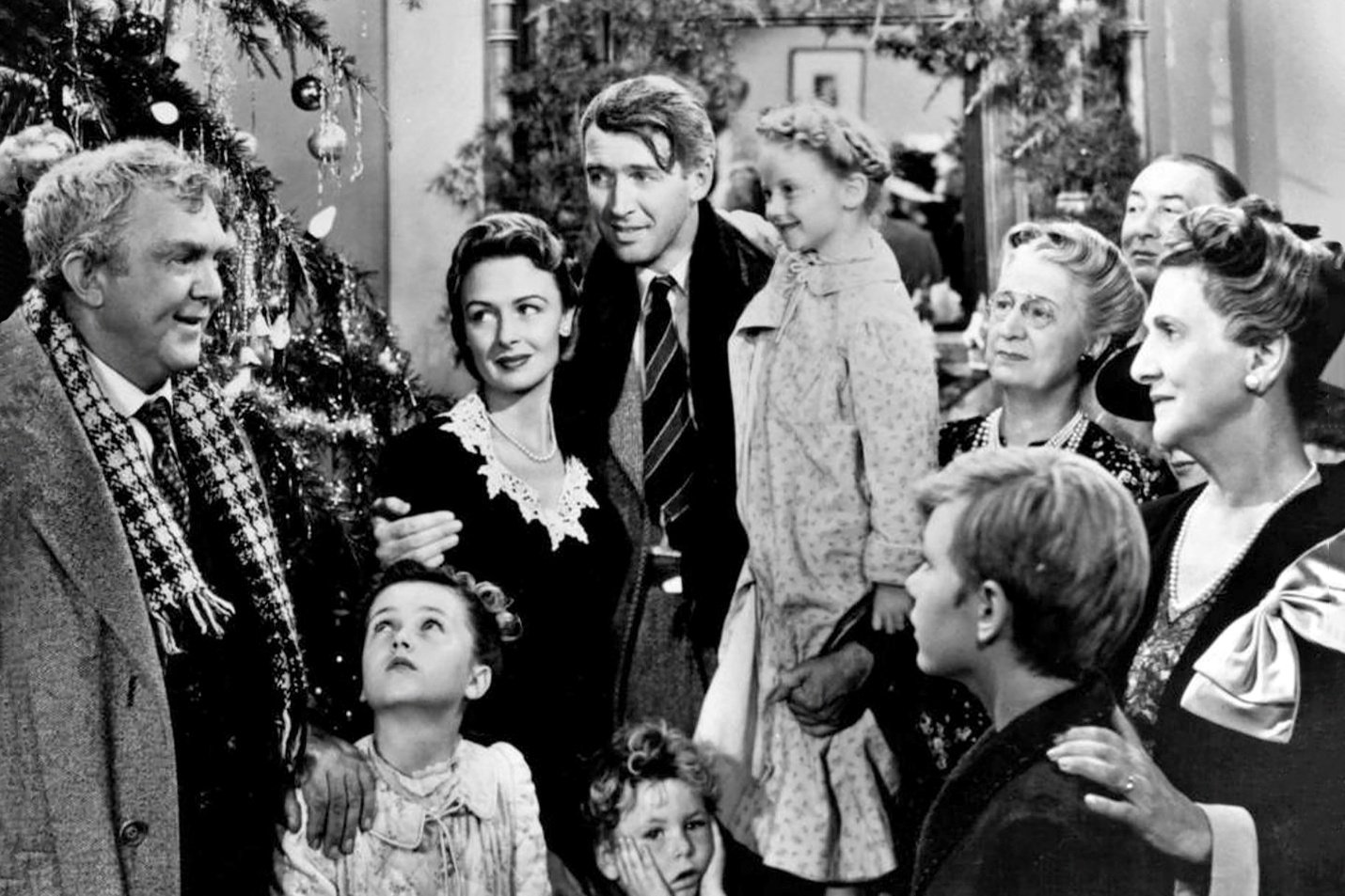
Not as we wish them to be, but as they truly are. In a story dominated by George’s struggle, Mary Hatch Bailey could’ve easily been relegated to the sidelines, a doting housewife, a passive support beam in her husband’s unraveling psyche. But Donna Reed’s performance refuses that simplicity. Mary isn’t just George’s love interest, she is the quiet architect of his endurance, the calm at the storm’s eye, the one person whose love never asks for anything back.
From the moment she reenters George’s life with that iconic glance over the soda fountain counter, Mary is more than a romantic figure. She’s purposeful, grounded, and unshakably present. While George spirals under the weight of broken dreams, it’s Mary who builds a home from their chaos, rallies the town when it matters most, and carries her own grief with steel-threaded grace. In the alternate timeline of Pottersville, her absence is chilling. The film’s infamous depiction of Mary as a reclusive librarian is often mocked today, but the deeper meaning is clear.
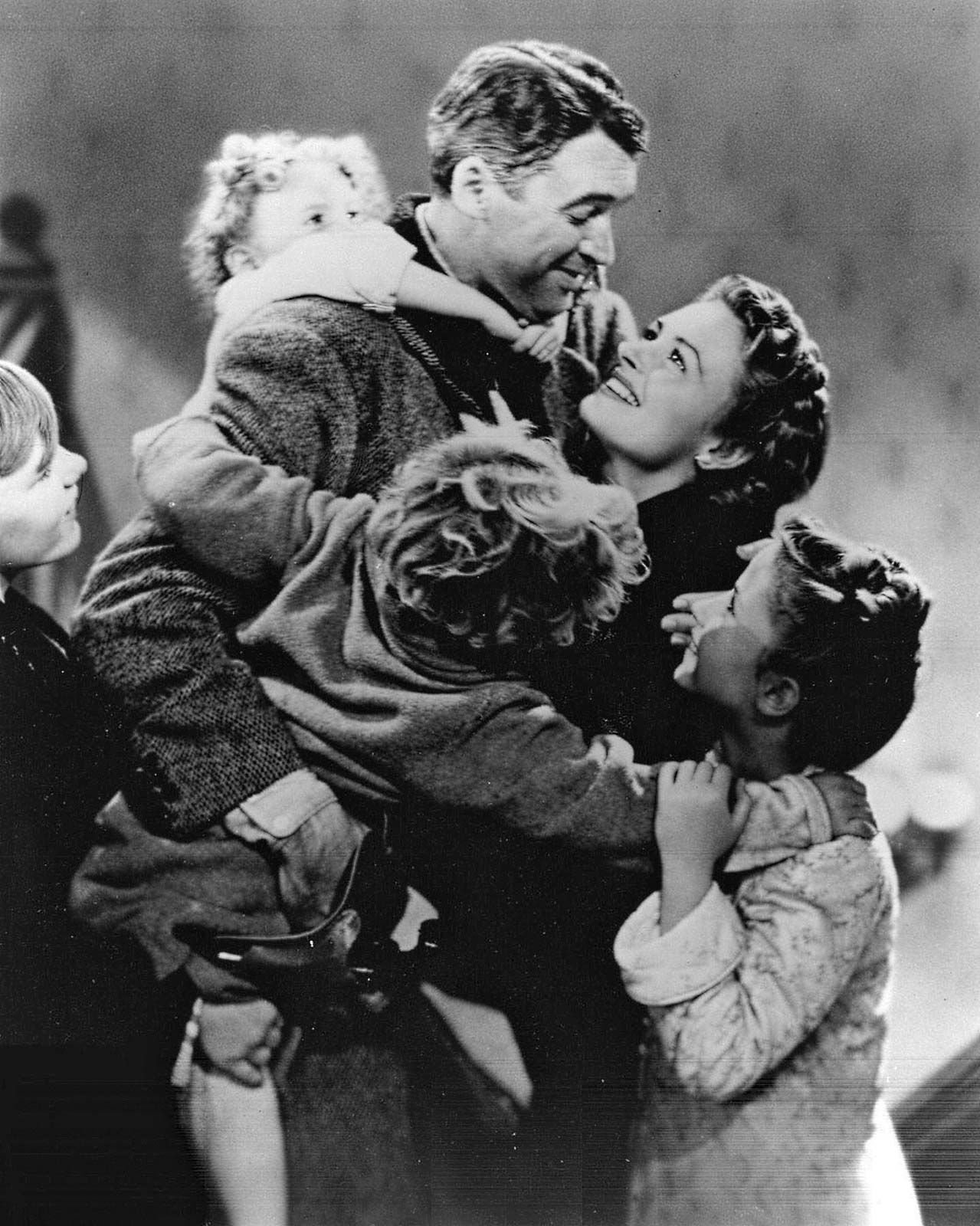
Without George, she becomes a ghost of herself, not because she needed him to be whole, but because their lives were entwined in something deeply reciprocal. Their love isn’t about escape, it’s about endurance. About choosing a life you didn’t plan for and making it beautiful anyway. Mary functions as a mirror to George’s inner world. She sees his strength when he’s convinced, he’s weak, she reminds him of his worth when all he sees is failure.
But she also embodies the theme at the film’s core: that the most powerful forces in life are often the quietest, love, patience, loyalty, and the courage to stay when leaving would be easier. She’s not a savior. She doesn’t need to be. She’s a partner, and in a film about the value of one man’s life, Mary is proof that shared lives carry the heaviest weight, and the deepest meaning. For all its holiday trimmings, it’s a Wonderful Life that is fundamentally a film about failure, or at least the fear of it.
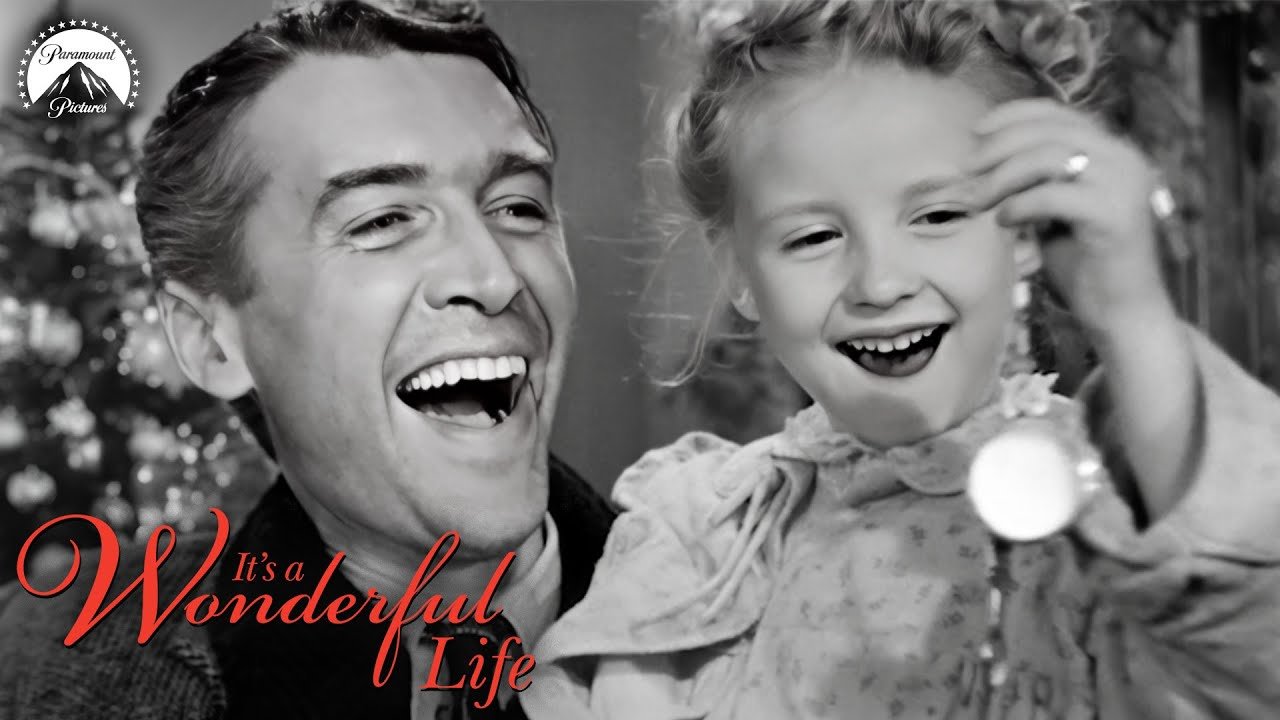
Beneath the soft glow of Christmas lights is a man convinced he’s wasted his life, trapped in a narrative that feels unbearably small. Frank Capra doesn’t soften that truth. He leans into it, allowing the story to sit in the uncomfortable spaces most films avoid: financial collapse, personal disappointment, the dizzying loneliness of thinking you don’t matter. George Bailey’s crisis is not just economic, it’s existential.
His dreams didn’t simply go unfulfilled, they were slowly eroded by responsibility and chance, leaving him staring at a version of himself he never meant to become. The brilliance of the film lies in how it frames this despair: not as weakness, but as a painfully honest part of the human experience. Yet, running parallel to this darkness is a profound affirmation of the community.
Bedford Falls thrives not because of grand gestures, but because people continually show up for each other in small, imperfect ways. The Bailey Building and Loan represents this ethos, investing in people, not profit. The town’s final rally around George isn’t a miracle; it’s the inevitable return of the goodwill he’s spent his entire life pouring outward. The film’s message isn’t sentimental optimism. Capra never claims life will spare you hardship, regret, or the temptation to give up. Instead, he offers something sturdier.
The idea that our worth is woven through the lives we touch, often without noticing. Value isn’t measured in money or accomplishments, but in the invisible threads of connection that keep a community from collapsing into Pottersville. In the end, It’s a Wonderful Life that suggests that meaning isn’t found in achieving the extraordinary, but in the everyday grit of caring, especially when it’s difficult. It’s an invitation to look again at the most unremarkable moments of our lives and see the quiet, stubborn miracle hiding underneath.
It’s a Wonderful Life that has long been filed under “holiday classic,” its title passed around like a sentimental greeting card. But that label does the film a disservice. This is nostalgia. This is rebellion—quiet, steady, and subversive. Frank Capra’s masterpiece doesn’t glorify the American Dream or romanticize sacrifice. Instead, it redefines heroism in the most radical way: by suggesting that a life spent in service to others, however unremarkable it may appear, is not just valuable, it’s sacred.
To be good in a world that rewards injustice is its own form of resistance. George Bailey doesn’t win fame, wealth, or even personal freedom. What he earns, through loss, heartbreak, and humility, is perspective, and the kind of love that can’t be bought. In a culture obsessed with individual greatness, It’s a Wonderful Life offers something far more dangerous: the idea that every life, even the quietest one, contains the power to shape the world. That message has aged beautifully, and in some ways, it feels more urgent now than it did in 1946.
We live in a time of fractured communities, relentless self-promotion, and increasing isolation. Against that backdrop, George Bailey’s story hits like a revelation: you don’t have to be extraordinary to matter. You just must show up. You just must care. This is why the film endures, not because of angels or snowfall, but because it tells the truth about despair and doesn’t stop there. It walks through the dark night of the soul and still finds a way back to the light. Not perfect. Not painlessly. But honestly. That’s a real miracle.


