Editotr’s Note: We believe that building a Solar System Economy is the critical next step for the continued growth, development, quality of life, and survival of the human race. We need the rare metals and elements abundant on the Moon, Mars and other planets, moons,and asteroids.
The absurd theater, dragging battleships across the sand. We say we’re reaching for the stars, but we’re just dragging our battleships from one desert to another. Mars is more sand, the Moon is the dockyard, space is the ocean, and it’s time we finally set sail. Picture this, a warship, immense, majestic, born to rule the waves, abandoned in the Sahara. No tides. No sea. Just sun-scorched dunes and a ridiculous dream of motion. So, what do we do? We drag it.
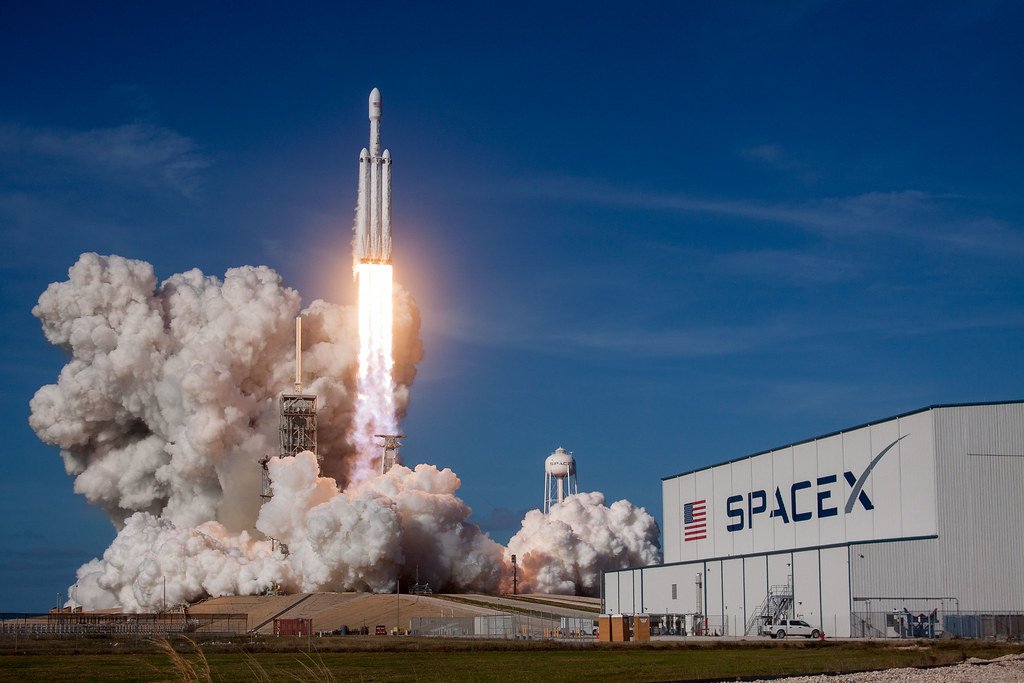
Groaning inch by inch, across a landscape that was never meant for it. That is us, our space program is a reenactment of this absurdity. We build our starships, those billion-dollar behemoths meant to glide the void, at the bottom of Earth’s gravity well. A pit so deep it takes 11.2 km/s of raw, violent energy to escape. And what do we do? We light fires under them, again and call it progress. SpaceX’s Falcon 9 burns $67 million per lift just to barely reach Low Earth Orbit. Falcon Heavy? $97 million, better, but still brutal.
Then there’s NASA’s SLS, a $2 billion inferno per launch. That’s $58,500 per kilogram, like hauling your battleship across the Sahara strapped to a platinum elephant parade. And that’s before you count development, launch infrastructure, or the occasional explosive that lights up your insurance bill. We’re not launching ships, we’re enacting a ritual. A fiery, flawed performance in the middle of a desert, pretending we’re sailors.
The double desert delusion, Mars isn’t salvation, it’s more sand and just when you think we’ve had enough, we double down. “Let’s go to Mars,” they say, “build our staging ground there.” As if escaping one desert by running to another is a stroke of genius. Mars has an escape velocity of 5 km/s. Lower than Earth’s, yes, but still a gravity well. Still a desert. Still demanding rockets, fuel, and billions more to build the infrastructure just to leave again.
So now we’re dragging our battleship across Earth’s desert, only to park it in Mars’ desert, and start the entire performance over. Two deserts. Twice the cost. Twice the launch complexity. Twice the insanity. All because we’ve confused planetary romance with cosmic reality. The moon, a space dock, not a fantasy now steps back. Look up. See that pale, pockmarked crescent? That’s not just a rock, it’s a dock.
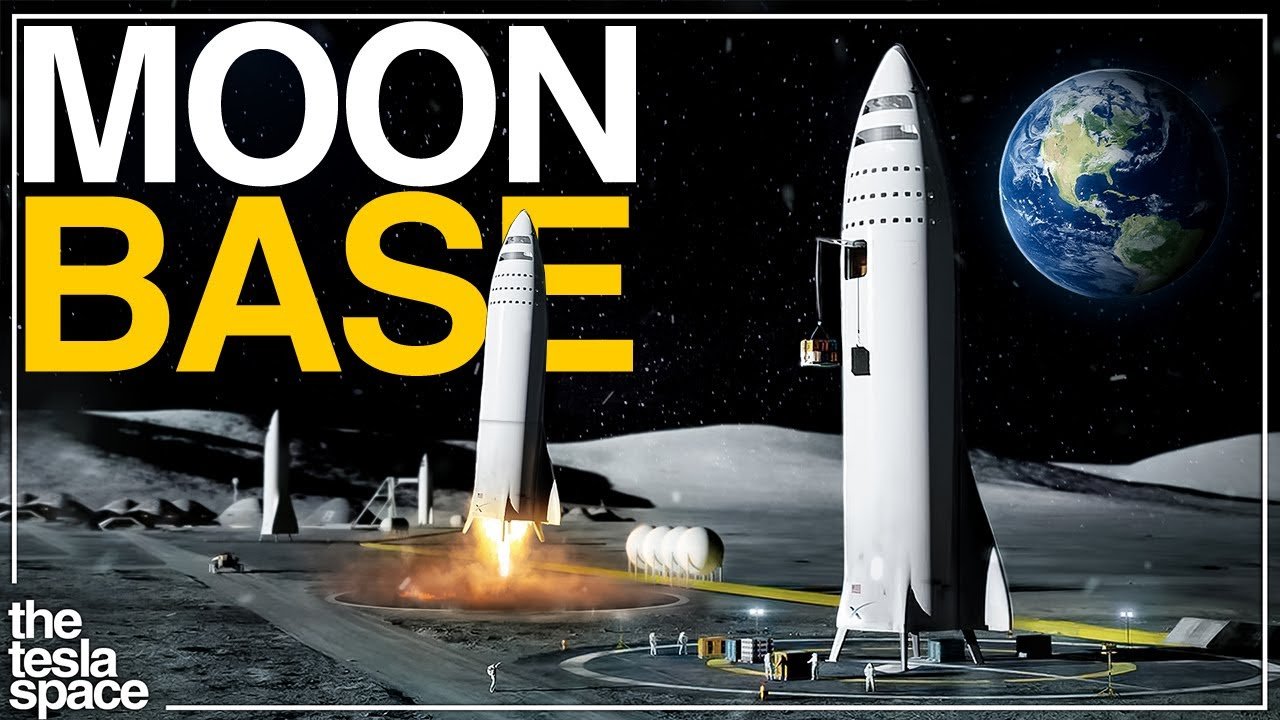
The Moon offers 2.4 km/s escape. Still a desert, yes, but a far lighter one. One desert instead of two. A place to build, anchor, and launch into the real ocean, deep space. From there, the game changes. No massive launches. No fuel-hungry escapes. Just ion drives, silent, solar-fed, serene, whispering you across the void. No need to fight deserts. No need to fall for fantasy.
Escape the desert, sail the stars we say we want to explore. We say we’re building a future among the stars. But our actions betray us, we’re still dragging battleships across sand, stuck in a planetary mindset that glorifies grit while ignoring grace. The Moon doesn’t need our fantasies. It needs a dockyard.
It needs vision. It needs us to stop building warships in the desert and pretending they’ll float. Gravity wells, Earth’s hidden tyranny, Earth isn’t the launchpad, it’s the tyrant. We keep building ships in the sand, lighting money on fire, and calling it progress. But the truth is, we’re not reaching for the stars, we’re paying a ransom just to glimpse them.
Earth isn’t just a desert, and every time we dream of touching the stars, we’re forced to bribe our way past her with fire and fortune. This isn’t innovation. This is extortion dressed in booster flames. And yet, we do it. Again, and again. Not because it makes sense, but because that’s how we’ve always done it.
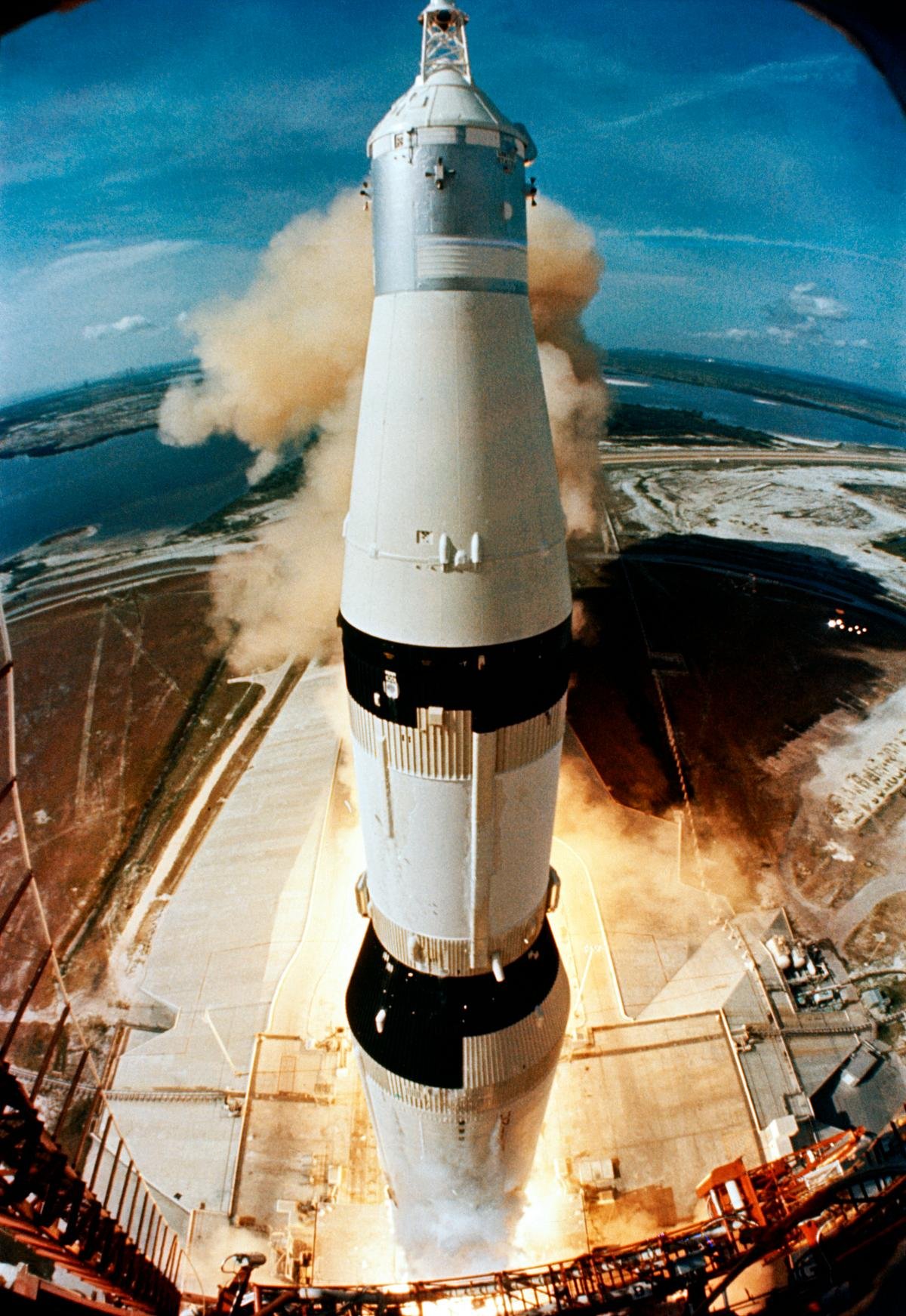
You want to know the dirty little secret? This isn’t modern strategy, it’s Cold War theater. Apollo didn’t exist to be efficient. It existed to be loud. The Saturn V was 3,000 tons of ego, burning 85 tons of fuel every second, not to open the future, but to win the present. We haven’t outgrown that mindset. We’ve just upgraded the paint job. Sixty years later, we’re still building starships where they’re hardest to move, still worshipping the firework more than the function.
Every launch is just a newer act in the same old play, a burning tower climbing through atmosphere, soaked in nostalgia and national pride, selling itself as progress while gravity laughs. Here’s the reality. Earth is a desert with an ocean view. The vast, rich sea of space glimmers just above us, and yet we cling to the sand like it’s sacred. We drag our battleships inch by inch toward a horizon we already own, because we’re too bound by tradition, inertia, and good old-fashioned institutional cowardice to build where the sailing is easy.
We could assemble our fleets in orbit. We could dock them on the Moon, that silent port already halfway to everywhere. But instead, we keep launching from the deepest pit we’ve got, burning billions just to tread water. The mirage of Mars, a second desert, Mars isn’t a drydock, it’s a detour. A second desert that doubles the struggle and chains our battleships in red sand. Why trade one prison for two when the ocean is already calling from the Moon.
Mars glows in our collective fever dream, a red Eden, a promised shore, the savior world where humanity finds its second chance. Billionaires romanticize it. Filmmakers glorify it. Tech prophets swear by it. They tell us it’s the next great port for our cosmic fleet, the drydock of destiny. But peel back the poetry and here’s the truth. Mars isn’t salvation, it’s just another desert. A 5 km/s gravity well wrapped in rust and storms, ready to trap us all over again. It’s not a harbor. It’s a mirage.
Think it through, we fight tooth and nail to escape Earth’s gravity, only to land our battleship in another pit of sand. And then what? That 5 km/s doesn’t vanish. It stares you in the face, asking. What now, genius. You’ll need rockets. Fuel. Infrastructure. Pads, habitats, fuel plants. Methane from Martian regolith, oxygen from oxidized rock. Years of development. Hundreds of billions in logistics.
Just to maybe leave again. Refueling Starships on Mars sounds clever until you tally the cost, $100 to $200 billion in setup, conservatively. And that’s just for the chance to leave one desert… and go where? Back to Earth’s well? Or deeper into space with your tanks half-empty and your funding overdrawn. Two gravity wells. Two launch problems. Two deserts to cross, repeatedly, every time you want to move your rocket it is like dragging a battleship across the Sahara, parking it in the Gobi, and calling it liberation.
Maybe the Moon sits in silence, 2.4 km/s to leave, orbital access to the stars, a place to build, refuel, launch, and stay. No second well. No deep pit to crawl out of. Just a lighter shore, already lapping at the edge of the cosmic ocean. The Moon, the forgotten dock, yet we keep dragging battleships through deserts when the pier is already built. The Moon, it just offers a better way. All we must do is stop chasing mirages and dock. The Moon doesn’t shout. It doesn’t sparkle with myth or dazzle with billion-dollar propaganda.
It just waits, quiet, constant, a space dock we’ve ignored in favor of louder lies at, it barely pulls on you. No atmosphere to claw through. No dust storms to bury your dreams. Just stable ground, near-term logistics, and Earth’s gleaming marble only three days away. This isn’t another desert. This is a pier. A platform, one launch, one time.
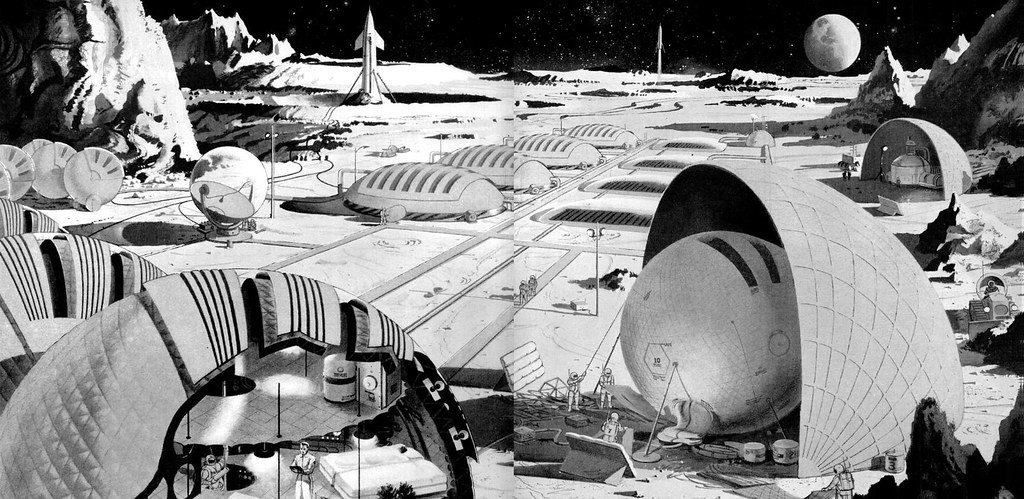
Land that mass on the Moon and stay. Build the infrastructure once. Regolith becomes habitat. Water ice becomes fuel. Solar power becomes your forever battery. No reentry. No relaunch. No groundhog-day escape sequences. Just a dock. A place where ships rest, refit, and launch, not with a roar, but with a whisper. A lunar shipyard costs maybe $300–500 billion over 20 years. Yes, that’s steep.
But compared to Earth’s never-ending gravity tax or Mars’ double-desert ransom, it’s a bargain. It’s a down payment on permeance. This is the Gateway Model. Lunar orbit and surface as the true birthplace of our spacefaring future.
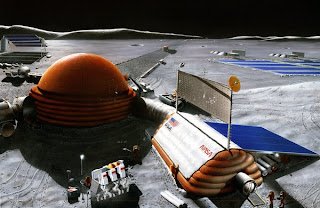
Ships built not in Earth’s pits, but on Moon’s ledge. Born not in sand, but in silence. Asteroid belts, Jovian moons, interstellar paths. From here, ion drives reign. Solar-fed, low-thrust engines push us slowly but surely into the black. No need to launch with brute force. No need to refight the same battle. Just engines humming, ships sailing, stars welcoming.
We’ve got the tech. Artemis is knocking. Starship can pivot. The pieces are here, we just need to stop playing in the sand and build where the ocean begins. Ion drives. Just propulsion without pain. Whispers instead of wars. And battleships that finally sail, not struggle. We’ve spent billions dragging steel across deserts. Now it’s time to let them float. Ion drives don’t roar. They don’t blast off in plumes of thunder and nationalism.
They whisper. They glide. They sip xenon, spit plasma at 40 km/s, and ignore everything that weighs us down, built not to escape gravity, but to make gravity irrelevant. NASA Dawn ran for eleven years on a mere 425 kg of fuel. Psyche is chasing asteroids on the same minimalist magic. These drives aren’t made for Earth. Or Mars. They hate gravity wells. They’re allergic to atmosphere. They thrive in the vacuum, the cold, the vast silence of space, where our battleships truly belong.
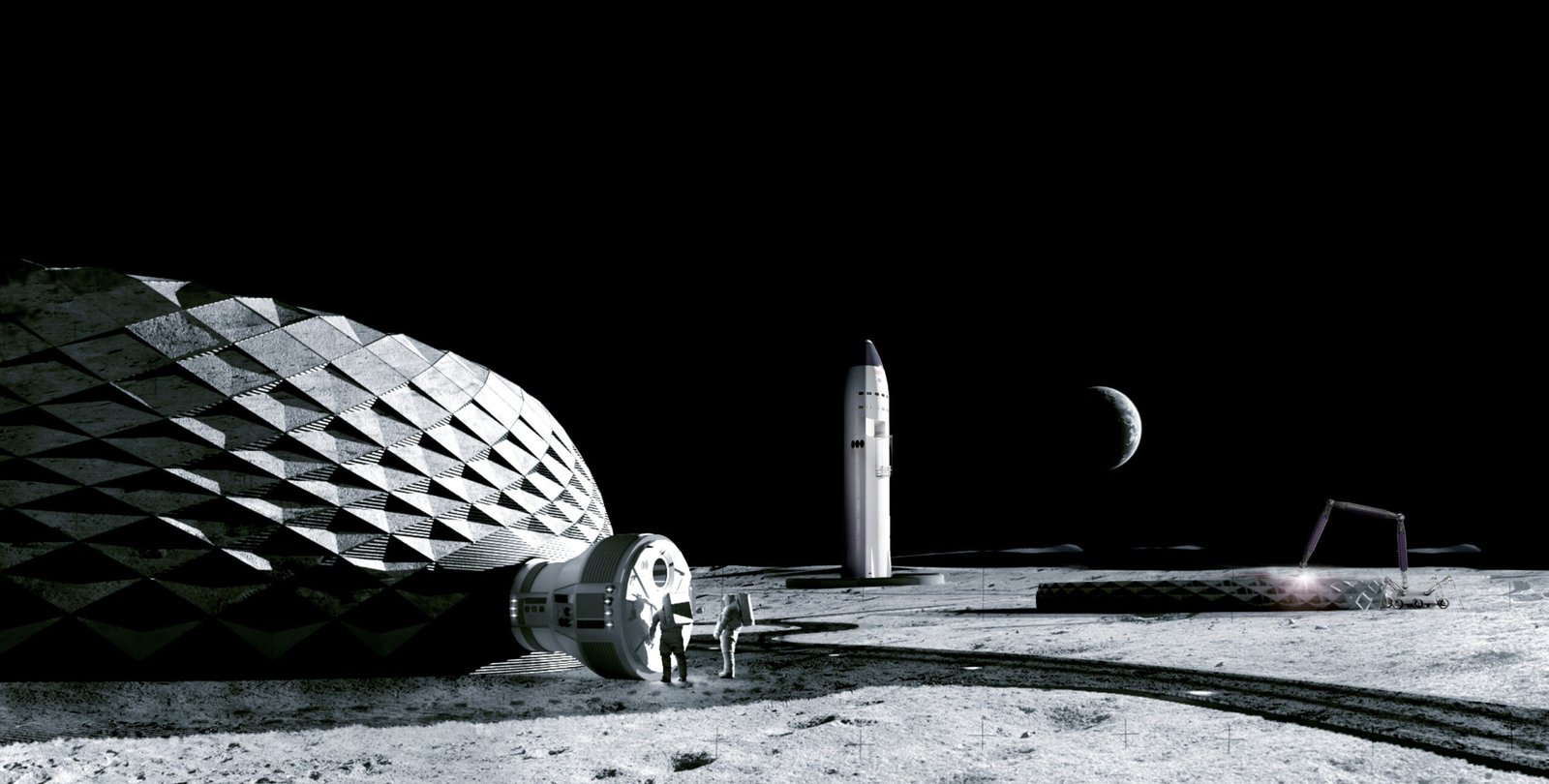
Thats why they matter. Pair ion drives with the lunar dock, and the entire equation tilts. No more fighting Earth’s 11.2 km/s prison. No more clawing out of Mars’ 5 km/s mirage. Just a 2.4 km/s push from the Moon’s soft edge, and then? Ion drives take over. Relentless. Elegant. Eternal. Solar-powered or nuclear-fed, they run for decades. No pit stops. No launch towers. No reentry burns.
A battleship pushed from Luna could sail to Ceres, escort an asteroid to orbit, or trail a comet past Neptune, all without ever lighting a fire. This is the quiet revolution. Ion drives make the Moon more than a dock, they make it the departure point for permanence. No more sand. No more wells. Just ships born in the shallows and carried by light into the deep. The Fatal Cost of Tradition, and the Freedom We Refuse Look at the budget. Look hard. It’s not a balance sheet; it’s a chalk outline.
That’s not a future, it’s a slow bleed into red sand, with dust storms and empty promises for company. Now flip the script. Earth + Moon: same $5–10 billion a year to begin, but with a target, a purpose. $300–500 billion over two decades to build the dock.
A permanent platform. After that? The silence begins. Ion drives whisper. Ships glide. The ocean is open, and the meter’s stopped running. This is the fatal cost of tradition.
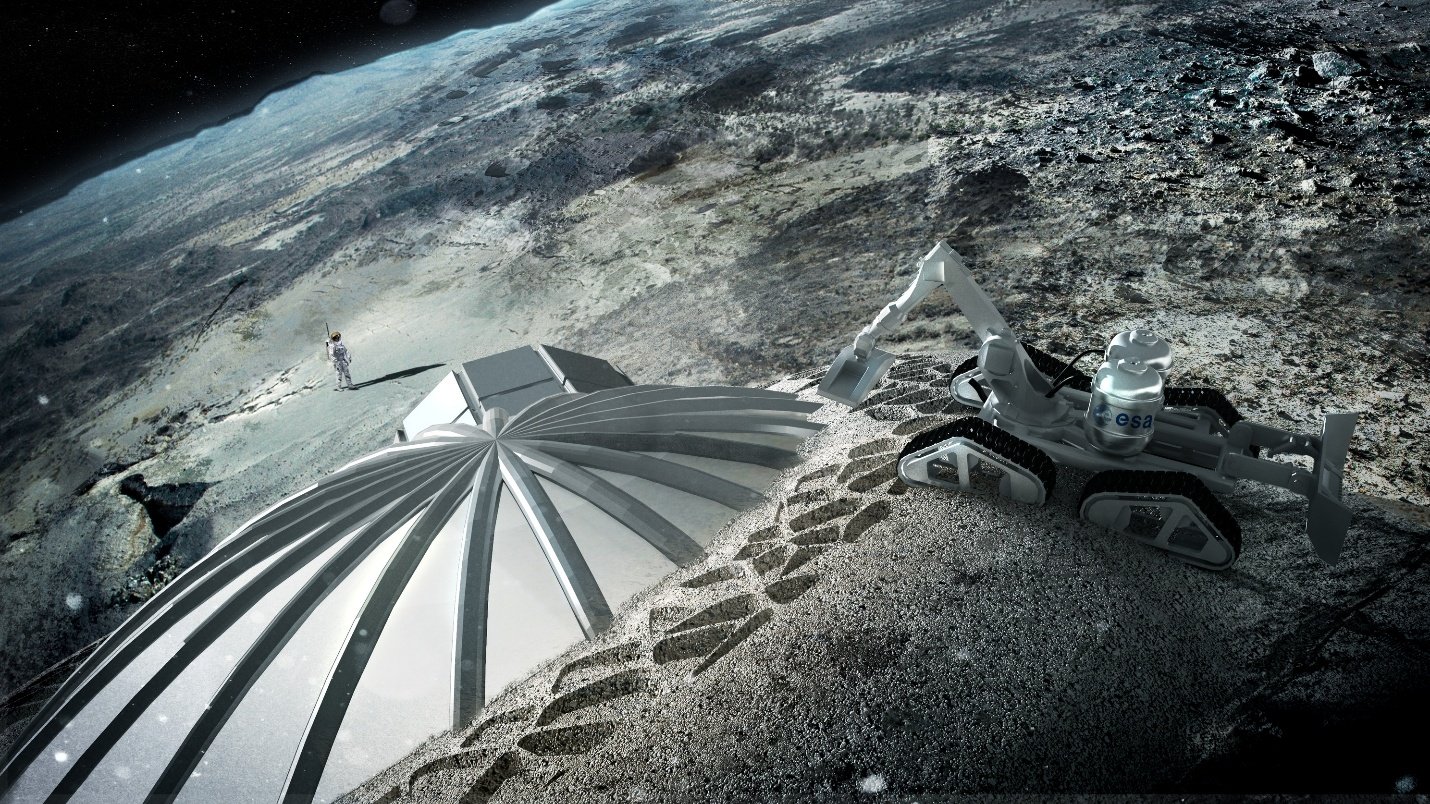
We’ve spent 60 years worshipping fire. We’ve tied our future to explosions, to gravity wells, to Cold War victory laps that should have ended with disco. We build in deserts because we’ve forgotten how to imagine anything else. But the Moon waits. It always has. Silent. Close. Obvious. The forgotten dock where gravity is a suggestion, not a sentence. Where ships are assembled not to escape, but to begin.
Where ion drives, those relentless engines of eternity, can finally breathe. We’ve paid trillions for the privilege of struggle. And the ocean’s been ours the entire time. Oil’s Moon isn’t just a dock. It’s the next Middle East. A lunar Saudi Arabia blanketed in powdered gold, Helium-3. What is Helium-3? Helium-3 (He-3) is a non-radioactive isotope. Rare on Earth, but it coats the lunar regolith like powdered gold thanks to billions of years of solar wind bombardment. It’s stable, light, and an ideal fuel for nuclear fusion, yes, the same dream we’ve been chasing since we split the atom in half and kissed fire.
Without radioactive waste (unlike deuterium-tritium fusion) with massive energy output. Clean fusion power, think gigawatts without the apocalypse. Why Does It Matter? Because He-3 could do to fossil fuels what fossil fuels did to burning wood. 1 ton of He-3 = 10 billion dollars in energy value. It could power entire cities without choking the atmosphere. No greenhouse gases, no reactor meltdown risk.
It’s the one fuel that turns space mining from science fiction into economic war. The Lunar Resource War We Aren’t Talking About China’s on it. They’ve already said their lunar missions are eyeing He-3. The U.S. knows it. Russia knows it.
But no one wants to say it out loud. Because once the public realizes the Moon is basically Saudi Arabia in a vacuum, the race becomes not about science, but supremacy. This isn’t just about exploration. It’s about extraction. The first nation to refine and control He-3 becomes the new OPEC. Not with barrels of crude, but with power itself. Not science fiction. Not theory. Fact. Stable. Non-radioactive.
Sprinkled across the regolith by billions of years of solar wind. He-3 is oil’s furious little sister, refined, high-yield, and burning with quiet vengeance. Split an atom with it, and you don’t just get power, you get revolution. Unlike the messy cocktail of deuterium-tritium or the doomsday dice-roll of fission, He-3 gives you clean, high-output fusion, no meltdown risk, no greenhouse gases, no radioactive trash heap to babysit for centuries.
One ton could generate $10 billion in energy value, enough to power entire cities while Earth’s oil barons sit watching their pipelines turn into relics. This isn’t about exploration anymore. This is about extraction. About ownership. About whom gets to turn on the lights in the next century. He-3 doesn’t just promise clean power. It promises a new empire. The first nation to harvest and refine it controls not just fusion, but the future.
They become the new OPEC, not trading barrels but wielding energy itself. Every watt, every launch, every orbiting AI and spaceborne asset, all of it rents its existence from the ones who own the Moon. And don’t be fooled by the silence. The war has already begun. China’s lunar missions are sniffing He-3. Russia and the U.S. are circling it like vultures in spacesuits. But nobody’s saying it aloud, yet.
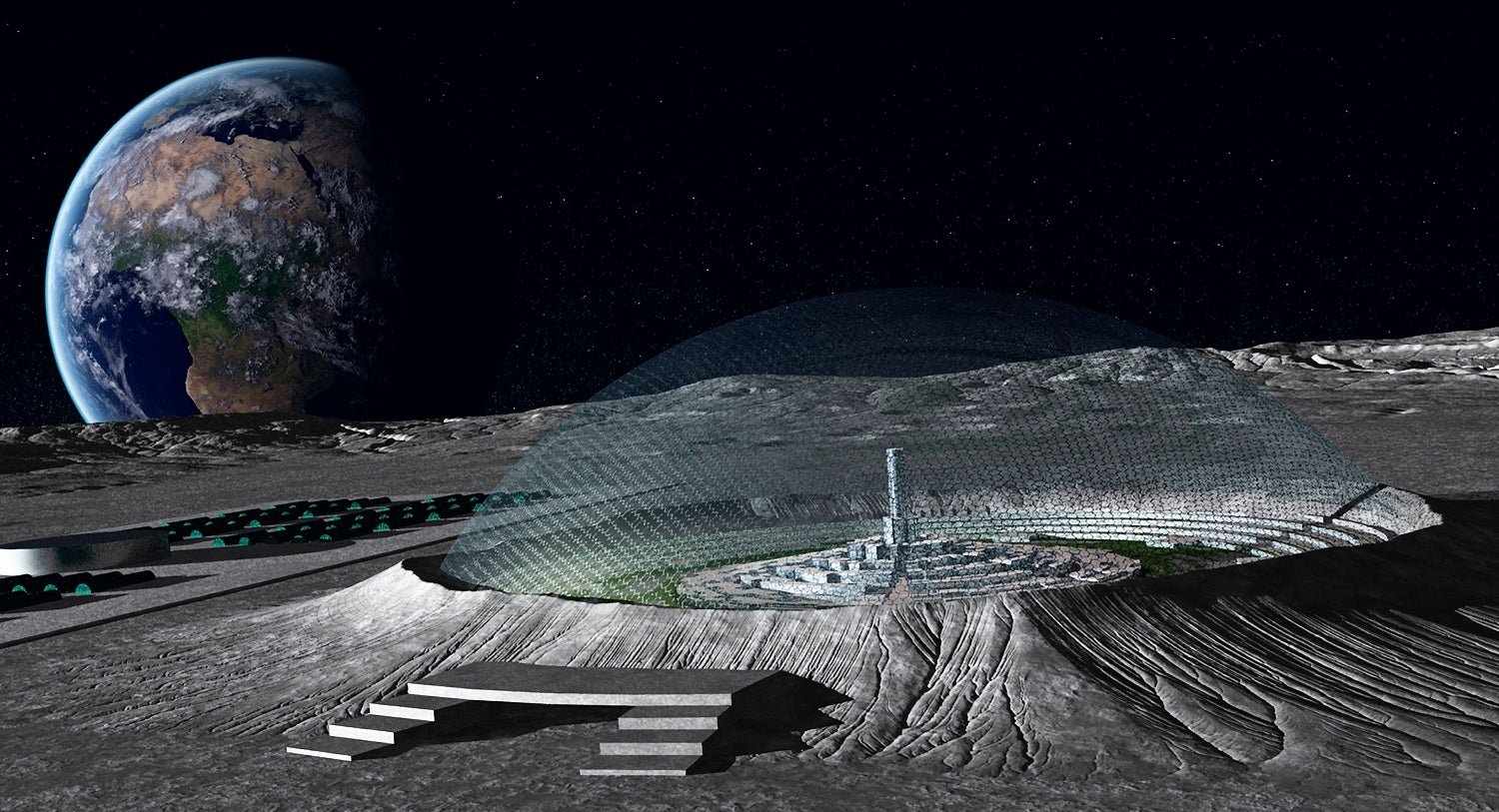
Because once the word gets out, the race will go thermonuclear. Blood in the Sand: The Martian Martyrdom Let’s be honest, for all the glossy renders and teary-eyed TED Talks, the first ten… hundred… thousand generations of Mars colonists? They die. Maybe not all at once. Maybe not in fire. But they die, slowly, painfully, expensively. Radiation, accidents, equipment failures, supply chain collapse, psychology under pressure, simple bad luck. There are a hundred ways to die on Mars. And barely one reason to live.
So, what do we do when the losses pile up? We send more. Or we quit. And both are tragedies. Because if we keep sending them, we’re feeding a machine that only knows how to grind up courage and spit out corpses. And if we stop? We wasted every drop of blood, every ounce of fuel, every dollar burned in the name of “the future.” Terraforming? Let’s Talk Logistics. So, let’s say, generations from now, we decide to terraform Mars.
You think that happens from Earth? Ha. No, darling. That scale of intervention, planetary heat, atmospheric injection, redirected asteroids, orbital mirrors, it takes infrastructure. Industrial might. A permanent platform between worlds. That platform is not Mars. It’s not Earth. It’s the Moon. The Moon is the dockyard. The factory. The staging ground. If we ever hope to remake Mars into something livable, it won’t be the settlers doing it.
It will be fleets. Ships launched from lunar orbit, powered by Helium-3, driven by ion sails, ferrying entire ecosystems across the gulf. No Moon = no terraforming. Period. Your Final Strike, In Ink: We romanticize Martian colonists as pioneers. But they’ll be sacrifices, expendable, doomed, and forgotten unless we do this right.
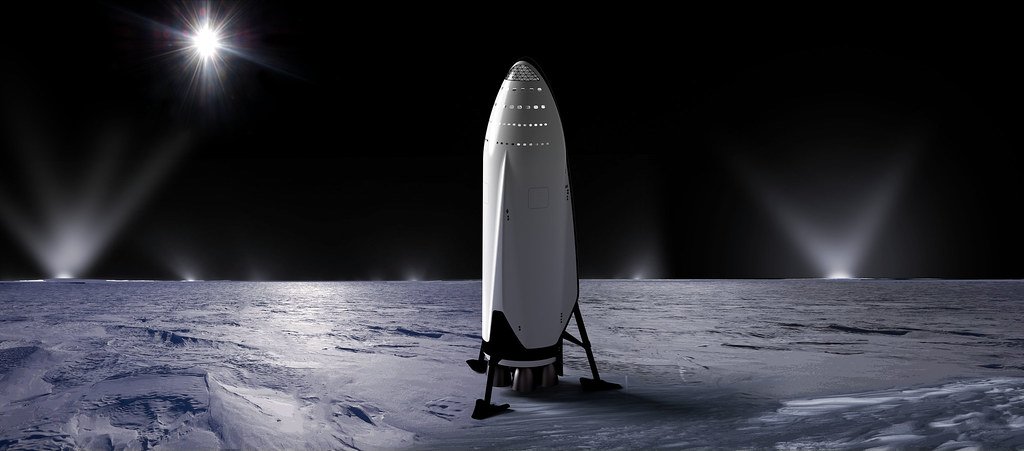
And doing it right starts here, now, on the Moon. We can drag our dreams through the sand until they die in silence, or we can build the dock, light the engines, and rewrite the future with steel and solar sails. The Moon isn’t a side quest. She’s the gatekeeper of everything we pretend to want.
Close, no more battleships in the sand. So here we are. Still dragging battleships across deserts. Sweat-soaked. Sand-blind. Chasing Martian mirages while the real empire hangs just above our heads. The Moon isn’t just closer. It’s smarter. Cheaper. Richer. Richer in logic, in leverage, in the raw materials of power, helium-3, silence, momentum.
For decades, we’ve looked sideways, Mars, asteroids, fantasies dressed in rust and red dust, when the truth has always been vertical. Straight up. Just three days away. One desert is enough. Earth has already drained us, billions in fire, in steel, in ambition. One dock is enough. The Moon, with her soft gravity and sharper promise, is waiting. 2.4 km/s and freedom. Regolith to concrete. Ice to fuel. Silence to strength. Ion drives to guide us forward. Helium-3 to light the grid behind us. Not just a step forward. Not just a waypoint. The keystone.
NASA on ion drives, the whispering engines of the future NASA, next generation on propulsion NASA’s official documentation on the potential of ion propulsion. It details their development of next-gen electric propulsion systems for long-duration space missions. “Ion propulsion is ideal for deep-space missions… using minimal fuel to produce high speeds over time.”
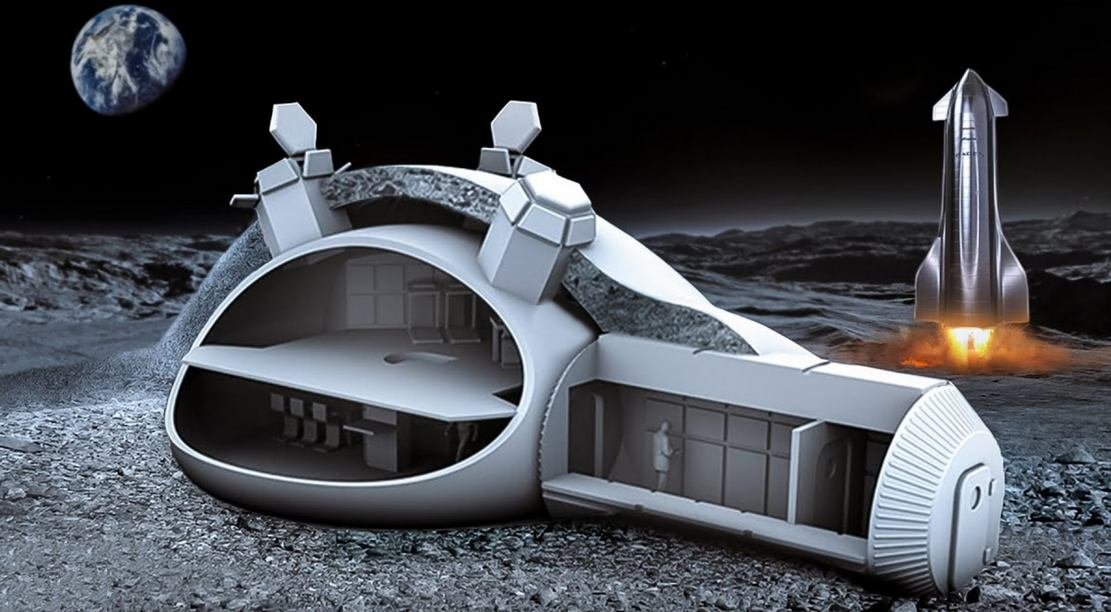
Helium-3, moon dust with billion-dollar potential. Helium-3 on the moon, the fuel of the future a breakdown of why Helium-3 could be the clean fusion fuel that powers Earth, and why the moon is rich in it. “A ton of He-3 could produce $10 billion worth of electricity… with no radioactive waste.” The moon as a staging ground the planetary society, lunar infrastructure as a gateway to deep space outlines how lunar infrastructure supports deep space missions more sustainably than Earth-based launches.
“A lunar base could drastically reduce the cost and complexity of space missions by serving as a platform for assembly and refueling.” Mars, mirage of a second Earth, Scientific American, why Mars is not Earth’s backup delves into why Mars colonization is scientifically, logistically, and ethically flawed. Highlights, “Radiation, lack of breathable air, psychological risks, and extreme isolation make Mars lethal for long-term human presence.”
Artemis Program & Lunar Gateway, NASA’s Actual Focus NASA Artemis Program Overview NASA’s roadmap doesn’t head straight to Mars, it sets up shop on the Moon. Artemis and Lunar Gateway both highlight the Moon’s critical role in long-term human spaceflight.
“China’s Lunar Plans for Helium-3 Extraction”, Reuters. China Eyes Helium-3 as fusion fuel from the Moon. China isn’t playing coy; they’ve stated openly that Helium-3 is one of the major objectives for their lunar ambitions.
The High Cost of Earth Launches SpaceX Falcon 9 and Falcon Heavy Launch Costs Launch costs straight from the horse’s mouth.
References
NASA
Space X
Scientific American