
The Baby Boomer rebellion wasn’t a mass movement, it was a PR campaign that aged like polyester. Woodstock gets the highlight reel, but the real majority were more “Knights of Columbus” than “Knights of the Acid Table.” We like to imagine an entire generation flipping the bird to The Establishment, when most were just ironing their khakis and saving for a washer-dryer combo.
Radicalism was a boutique hobby. Conformity was the career path. Let’s Get Statistical Baby. Less than 10% of Boomers attended anti-war protests. A huge swath of them, especially in the Midwest and South, supported the Vietnam War well into the 1970s. The actual number of full-time “hippies”? Tiny. Marginal. Symbolic at best. The rest were already sipping Folgers and investing in municipal bonds. The suburban sprawl didn’t just happen to them; they made it happen.
Ideology as Aesthetic, Not Ethos. Even the fringe rebels mostly treated it like a phase. Psychedelics, free love, folk songs under the stars? Now fast-forward ten years, they’re selling insurance, attending PTA meetings, voting for tax breaks and zoning laws that price out the next generation of dreamers.
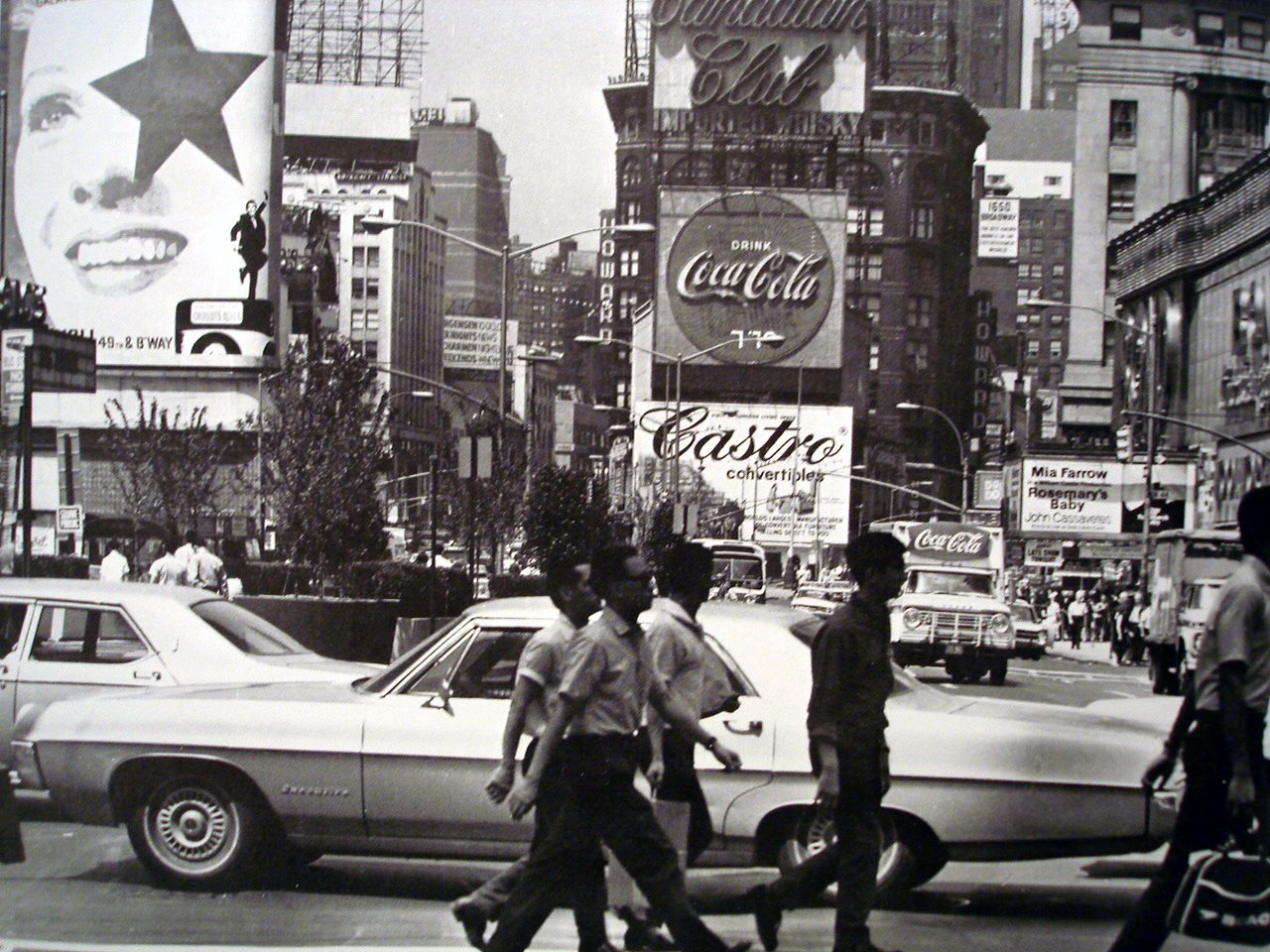
Now they frame their youthful dabbling as a grand moral struggle, because the myth of fallen idealism is so much sexier than the truth of lifelong mediocrity. The rest of us are left sifting through their myths like archaeologists in a graveyard of thrift-store slogans and Reaganomics. But hey, thanks for the credit rating.
Top-Grossing Films of the Revolutionary Generation. These weren’t subversive manifestos or counterculture sermons. They were glossy tributes to the very institutions their mythic youth were supposedly toppling. You don’t define a revolution with “The Sound of Music.” You define a cultural retreat. What Were They Watching? Conservatism in Costume such as “Fiddler on the Roof”, “The Sound of Music”, “Patton”.
These are films that whisper sweet nothings to hierarchy, faith, and father figures. Even “The Exorcist” is about purging the chaos of youth by calling in literal clergy. They’re order-restoration fantasies. Men in uniforms, professionals under pressure, saving the day from disorder. That’s not rebellion, that’s Reaganism. Nostalgia, The Sting, Butch Cassidy, these weren’t rejections of the system. These films romanticize old-school charisma, not upheaval. What Wasn’t Making Money? Easy Rider was a warning, not a blueprint.
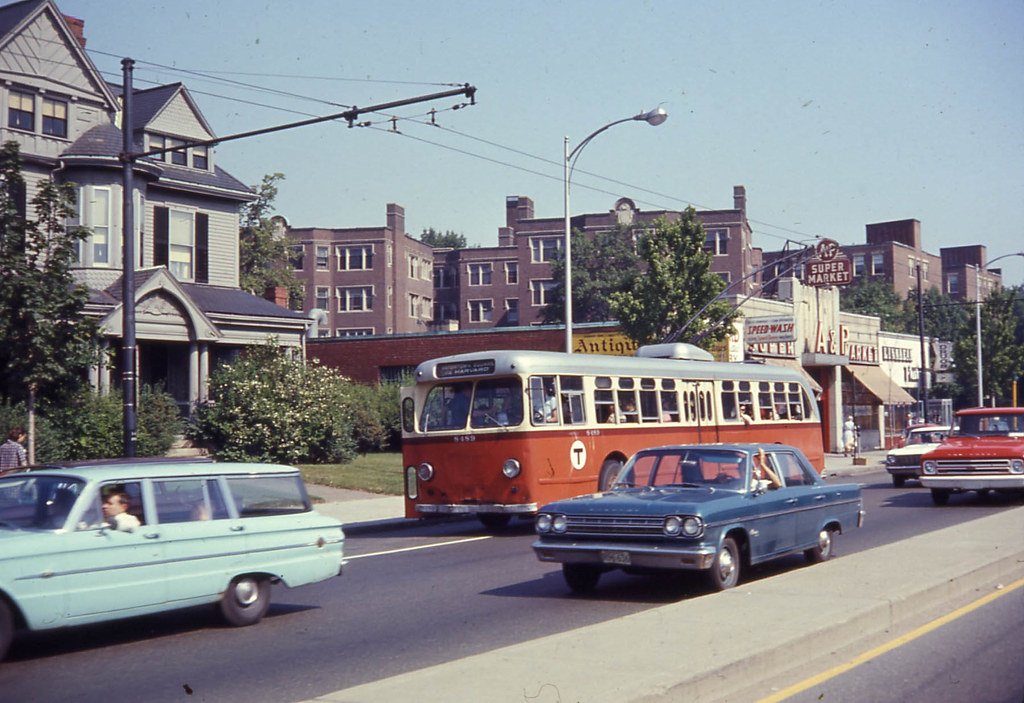
The mainstream answered with a shrug and a suburban yawn. “Zabriskie Point” blew up like a Molotov Cocktail in a monastery, artistically loud, commercially DOA. “Midnight Cowboy” broke taboos… but not box office records. These were real rebels. They didn’t sell out because they didn’t sell. The mainstream didn’t embrace them, it quarantined them. This wasn’t a generation charging the barricades. It was a generation watching others charge, then buying popcorn and rooting for the sergeant.
They didn’t want chaos, they wanted catharsis. They didn’t want a revolution, they wanted resolution. Even their cinematic “rebels” were charming rogues who die, fail, or get absorbed into the system. It’s not just about what they watched, it’s what survived.
The Myth of the Fringe Majority? It’s Fashion Propaganda. We’ve been spoon-fed this fantasy: a generation draped in fringe and rebellion, all bare feet and political patchwork. But look past the Instagram-filtered memory of the ‘60s and into the fluorescent dressing rooms of reality, and you’ll find a nation of tidy necklines and pleated knees.
This wasn’t a revolution in fabric. It was a ritual in conformity. Catalogs Don’t Lie, But People Do. Crack open a 1969 Sears catalog and it hits you harder than a police baton at a campus protest, most Boomers dressed like they were auditioning for a community production of “Leave It to Beaver”. The Later Years. Short-sleeved dress shirts tucked religiously. Sensible slacks with conservative cuts.
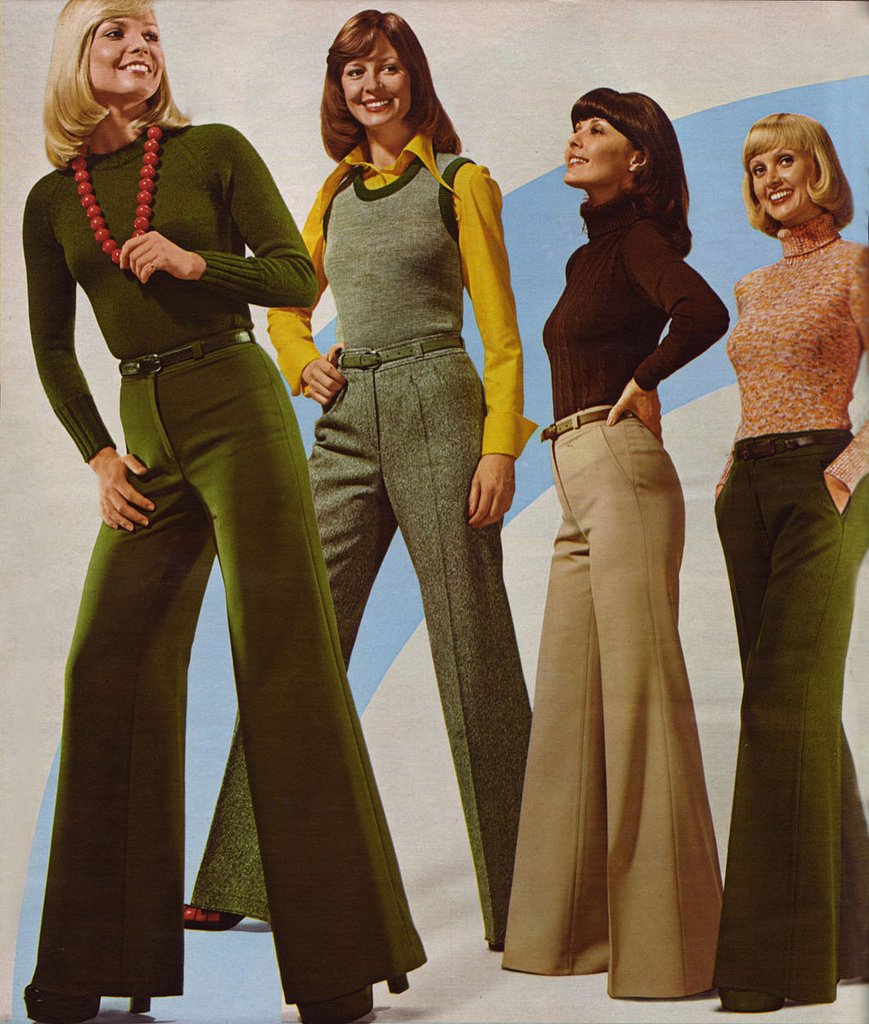
Modest skirts, knee-length, not counterculture. And those hairdos? Engineered within an inch of their lives. These weren’t rebels, they were walking church bulletins. The Woodstock aesthetic was niche, fleeting, and geographically limited. Meanwhile, the rest of the generation was ironing their collars and praying their polyester wouldn’t melt under the summer sun. Fashion as Camouflage, Not Combat. Even the brief flirtation with “hippie chic” was sanitized on arrival.
Once something passed through the department store, it lost its teeth. Bell-bottoms didn’t topple hierarchies, they matched your polyester sport coat. Tie-dye became the uniform of gym teachers and PTA fundraisers. Fringe? Turned into harmless trim for suburban handbags. No revolution ever rode on suede tassels bought at JCPenney. By the time countercultural fashion went mainstream, it had been thoroughly laundered, morally and literally.
You could smell the Tide before the incense. The Real Role of Fashion? Assimilation Disguised as Expression. Fashion wasn’t the vanguard of rebellion. It was the gateway to belonging. Even those who “dressed wild” often did it as weekend cosplay. Monday morning? They were back in Dockers and sensible shoes, clocking into the very institutions they pretended to critique. Style didn’t challenge power. It sold new colors.
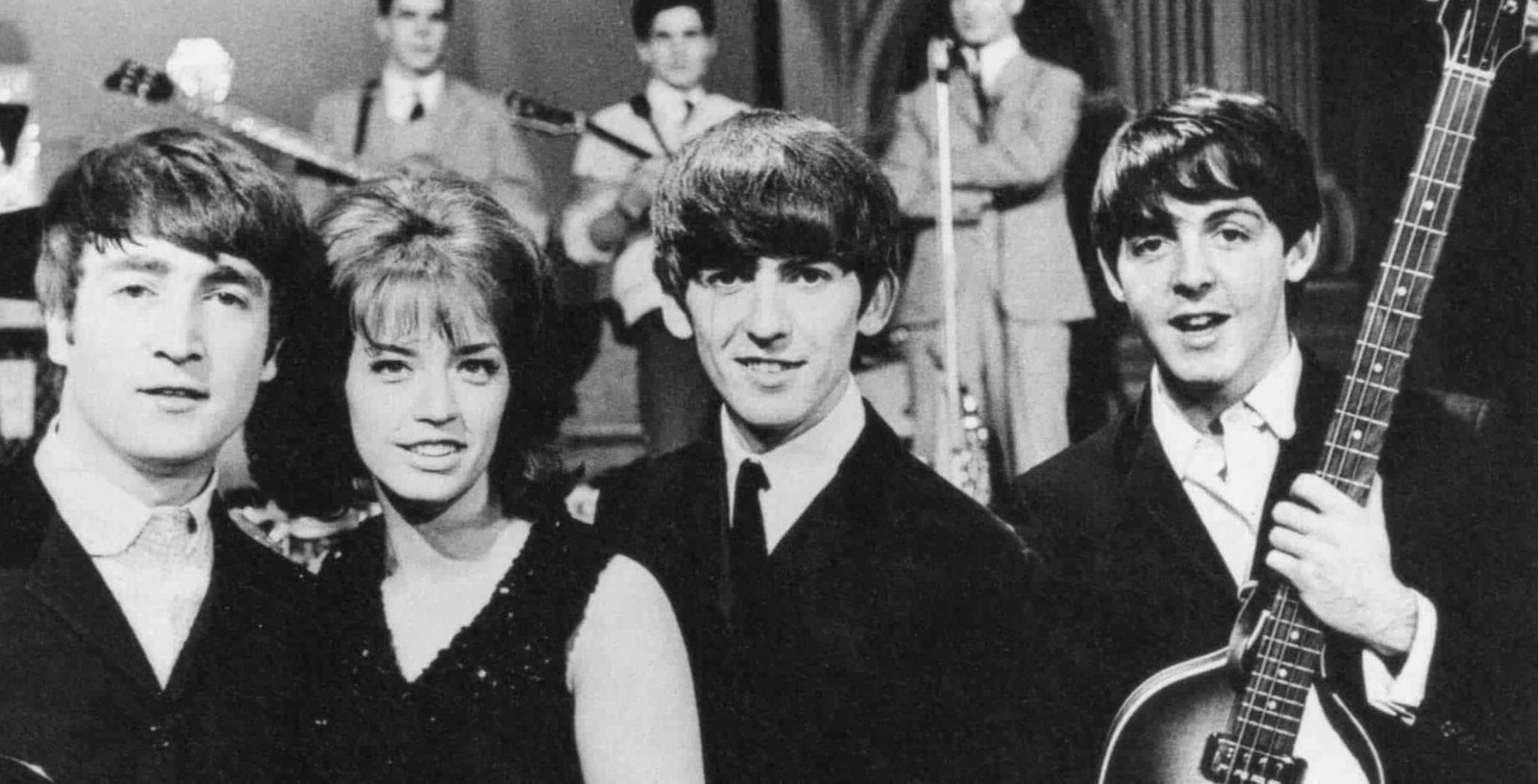
Boomer style wasn’t about freedom, it was about fitting in while feeling like you weren’t. A little edge for the mirror, none for the meeting. They dressed like adults at 19 and called it maturity. They flirted with fringe but married polyester. They spun out a myth of rebellion, but dressed for assimilation, and the receipts are hanging in every vintage mall rack and faded yearbook photo in America.
The Soundtrack of Normalcy. What Boomers Were Really Listening to Punchy pull-quotes, high-impact truth bombs, and a myth-killing melody for your 9-page spread. The Fantasy: Picture it, Jimi Hendrix ablaze at Monterey, Janis Joplin wailing like a banshee from the void, Jim Morrison slinking through shadows in tight leather, whispering forbidden truths. The myth? A generation tuned in, dropped out, and blasted the system to a psychedelic soundtrack. Reality.
The actual top song of 1969? “Sugar, Sugar” The Archies Sung by cartoon characters to move cereal. That’s not protest, that’s a jingle with a backbeat. Welcome to the real Boomer playlist. Bubblegum Nation “Dizzy” Tommy Roe. Light-headed and lighter-hearted. “Build Me Up Buttercup” The Foundations. A breakup anthem wrapped in prom-night innocence. “Sweet Caroline”. Neil Diamond. The karaoke song that launched a thousand dad claps. If rebellion had a nemesis, it would be this. Even the “Psychedelic” Was Sanitized “Aquarius/Let the Sunshine In” The 5th Dimension, born from Hair, yes, but polished, harmonized, made fit for Merv Griffin audiences.
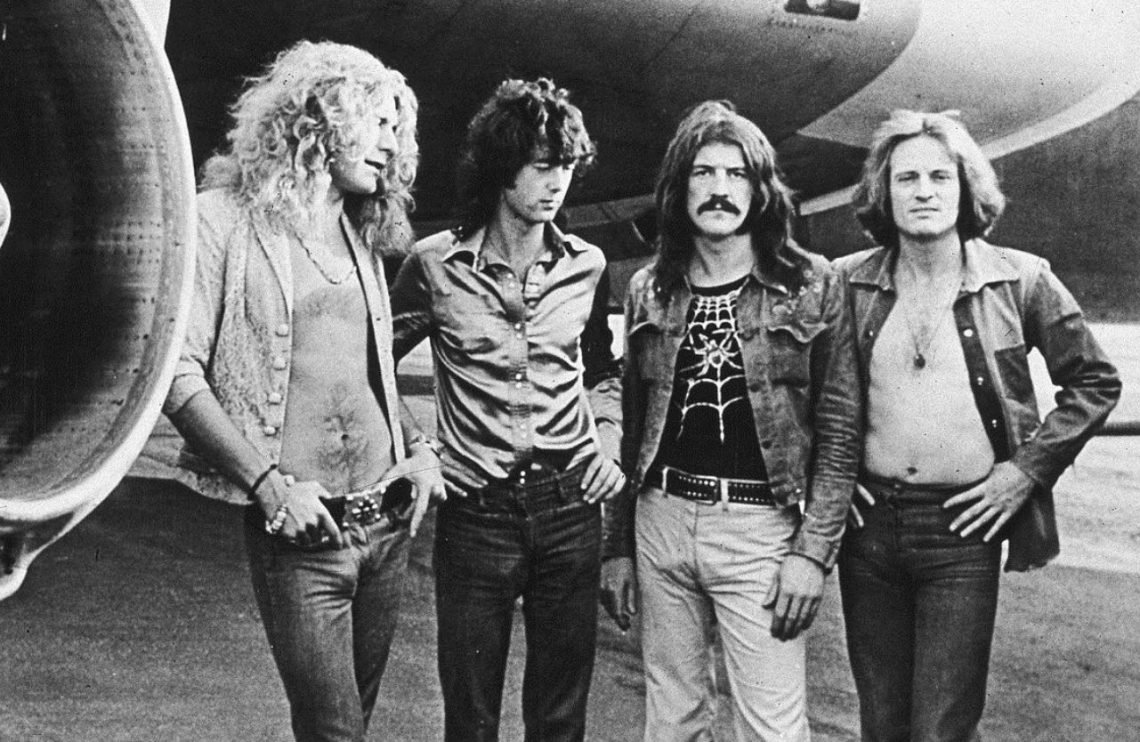
“I Heard It Through the Grapevine” Marvin Gaye Genius? Absolutely. But it wasn’t protesting war, it was mourning lost love. “Everyday People” Sly and the Family Stone Inclusive, yes, but revolutionary? Only if you find harmony dangerous. The Ghost of Rock’s Rebellion. Even the King returned: Elvis, 1969, Vegas sparkle, not Memphis fire. Not here to smash the machine.
Here is to remind you how good it used to be. The Charts Don’t Lie, But the Myths Do. Boomer rebellion didn’t top the charts. It barely cracked them. “Fortunate Son”? #14. “Gimme Shelter”? Didn’t chart. “White Rabbit”? Blink and you missed it. What did you top the list? Sing-alongs. Sock hops survivors. Safe, smooth, suburban soul balm. The Revolution Was Not Broadcast. Protest songs lived underground. They were niche, cultish, college-radio core. The mainstream? Swayed, crooned, and slow danced through it all. Boomers didn’t set fire to the jukebox.
They bought 45s and sang along. The Illusion of a Radical Majority. They had the headlines, marches, protests, draft card bonfires. But when the curtain closed and the ballots were cast? The so-called revolutionaries quietly voted for Dad Energy in a suit. Let’s Check the Receipts 1968: Nixon Wins the Youth Vote (Yes, Really). The year was chaos incarnate, bit offensive; MLK and RFK assassinated, protests exploding on every campus. But when was it time to vote? Nixon carried young white voters. “Law and order” beat “peace and justice.” The streets screamed for change.
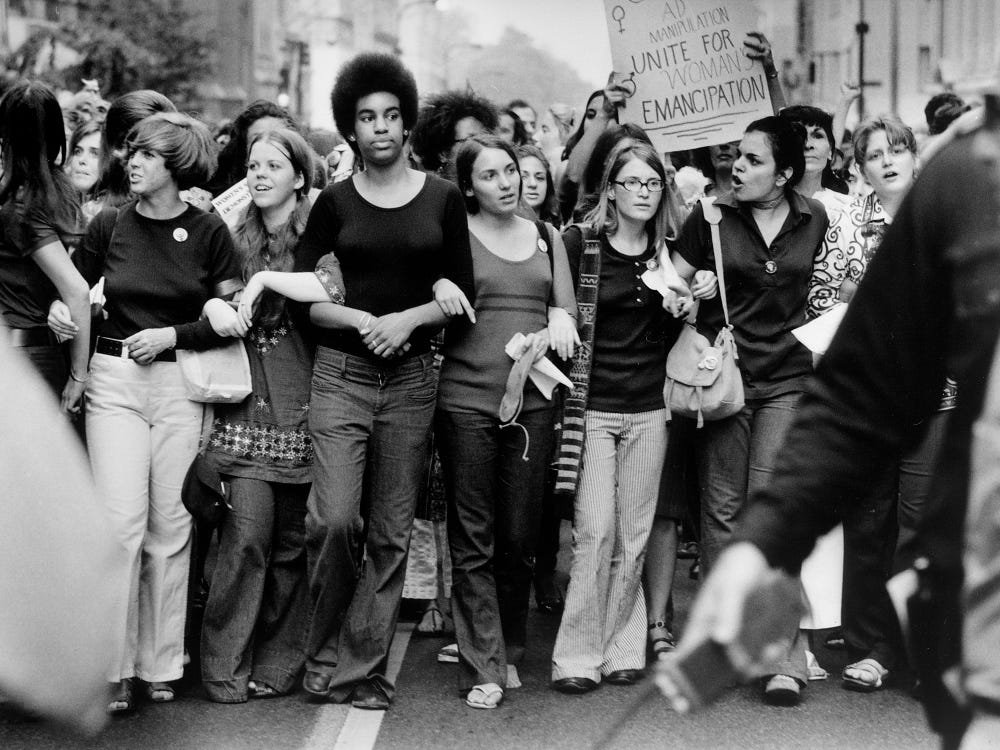
The polls whispered, “Just keep it quiet.” 1972: McGovern Gets Obliterated. George McGovern, the anti-war, anti-establishment candidate. He was tailor-made for the activist crowd. He lost 49 states. Not just a loss. A massacre. Even most young voters, supposedly McGovern’s base, stayed home or voted for Nixon. So much for youth to shake up the system. 1980. Reagan Rises, and So Do Boomer Mortgages. By now, Boomers weren’t kids. They were homeowners with lawns to protect themselves.
Reagan? He promised to lower taxes, stronger families, and fewer poor people in your line of sight. The former hippies? Now PTA members, voting for the guy who smiled while gutting social programs. 1984 Reagan’s Empire Strikes Back. More votes. Bigger won. “Morning in America” wasn’t ironic, it was an aspiration. Boomers didn’t just buy in. They bought matching bedroom sets and a second car. Boomer Ballot Box: Clean, Conservative, Comfortable. They yelled “Power to the People” in the quad. But when the census caught up with them, they were checking out the box for power to the suburbs.
They didn’t dismantle the system. They elected it. They reelected it. They installed a hot tub in their guest house. The radical myth is gorgeous. But the voting record? It’s beige. It’s orderly, and it’s Republican. Peace and love, versus law & order. A war was lost by a fringe. The cultural myth. “The radicals sold out.” The truth: The radicals are lost. And they lost to their own generation. “Don’t trust anyone over 30” was never a mass slogan. It was a bumper sticker for the margins. Meanwhile, the broader Boomer chorus was already muttering: “Don’t raise my taxes.”
The Revolution Was Televised, Then Voted Down 1969. The fringe took over the parks. The majority took over the suburbs. 1972, McGovern’s campaign died not because Boomers changed their minds, but because the majority never agreed with him to begin with. 1980: Reagan didn’t seduce a generation. He reflected on it. Calm, confident, and corporately divine. Radicals Shaped Culture.
Centrists and Conservatives Shaped Power. The Weather Underground blew up headlines. The Silent Majority won elections. Angela Davis haunted TV debates. Spiro Agnew filled stadiums. The fringe created symbols. The mainstream created policy. And who was the Silent Majority? Not their parents. Not the Greatest Generation alone. It was mostly Boomers. Young, white, middle-class Boomers voting for order, not upheaval.
The Myth Collapses Under Its Own Math. It’s not the case of youthful dreamers turning into cynical adults. It’s a case of a vocal fringe being wrongly cast as the voice of a whole. The communes didn’t dissolve into condos. They were never populated enough to matter politically. The mass was always moderate, managerial, and upwardly mobile. The fringe was always romanticized after being politically neutralized. The Blue-Collar Boomers. Not burning flags. Just burning daylight.
While a few twirled barefoot in Haight-Ashbury, the rest were welding frames in Akron, pouring foundations in Pittsburgh, or hauling freight in Buffalo. The only revolution they believed in was the turning of a socket wrench. Drug of choice. Coffee at 5am, Beer at 5pm. A pack of Marlboros always within arm’s reach. Soundtrack, AM radio hits Country, classic rock, oldies, not folk protest ballads Bob Dylan? Hendrix?
Maybe some Johnny Cash, because he sang about doing time, not wasting time. “The revolution won’t be televised, it’s on third shift.” They didn’t talk back to The Man. They clocked in for him. They weren’t trying to change America. They were trying to keep the lights on. They Built the Suburbs. Literally. Laid on the sidewalks, hippies walked on to reach their rallies. Hung the drywall behind “War is not the answer” posters. Wired the homes where FM radios later played “White Rabbit.”
They didn’t consume counterculture. They installed the outlets that powered it. Union men, not utopians they fought, not with slogans, but with contract negotiations. Their battle cry wasn’t “Down with the system”, it was “Where’s my back pay?” Strikes weren’t anti-established. They were a bargaining tool for a slice of the very American dream the hippies claimed to reject. Rebellion? That was for the college kids. These men built the colleges. The Squares (aka The Real Boomers) Not the fringe. Not the rebels. The core. The median. Mayonnaise. Forget the barefoot kids in mud at Woodstock.
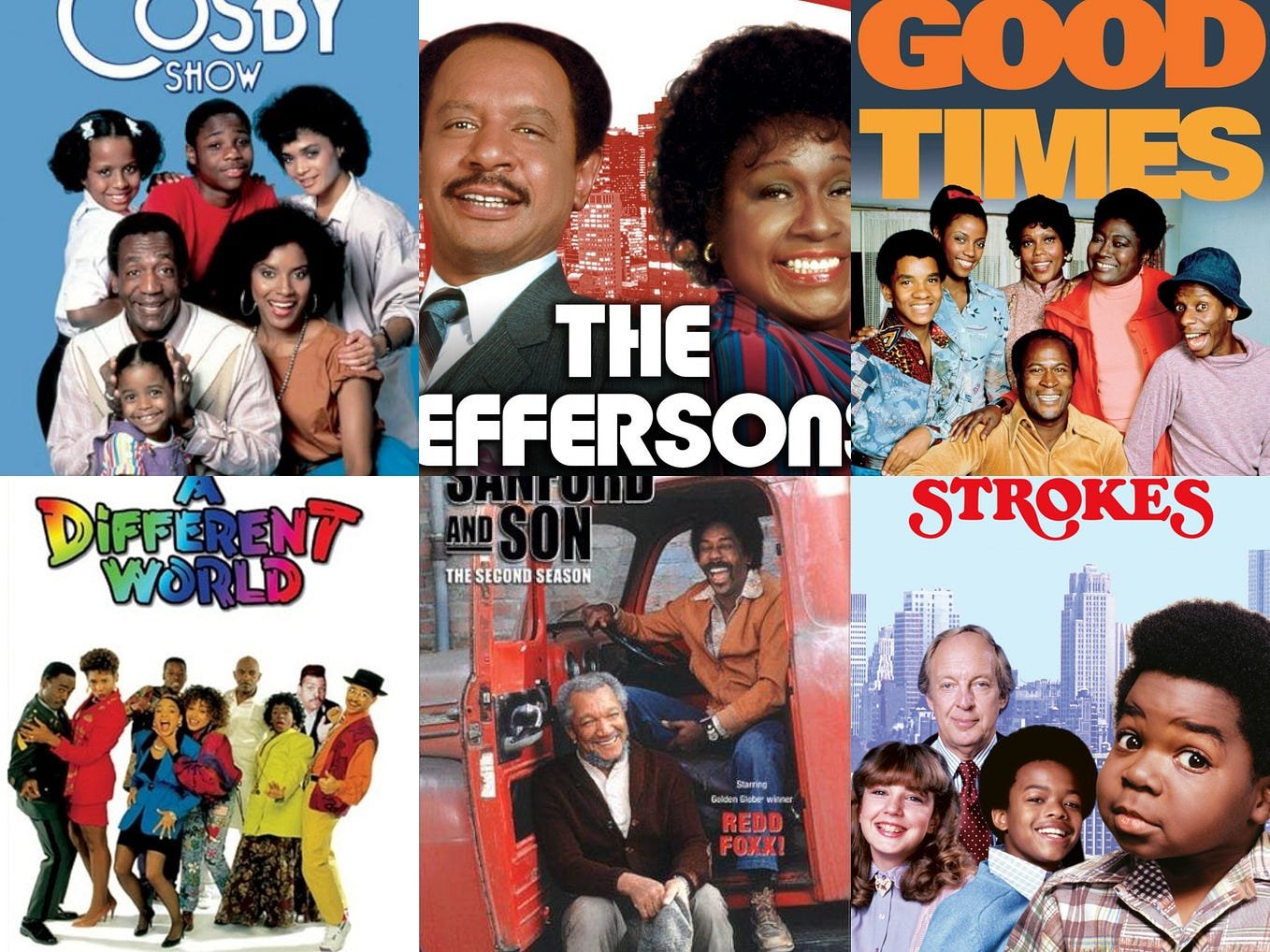
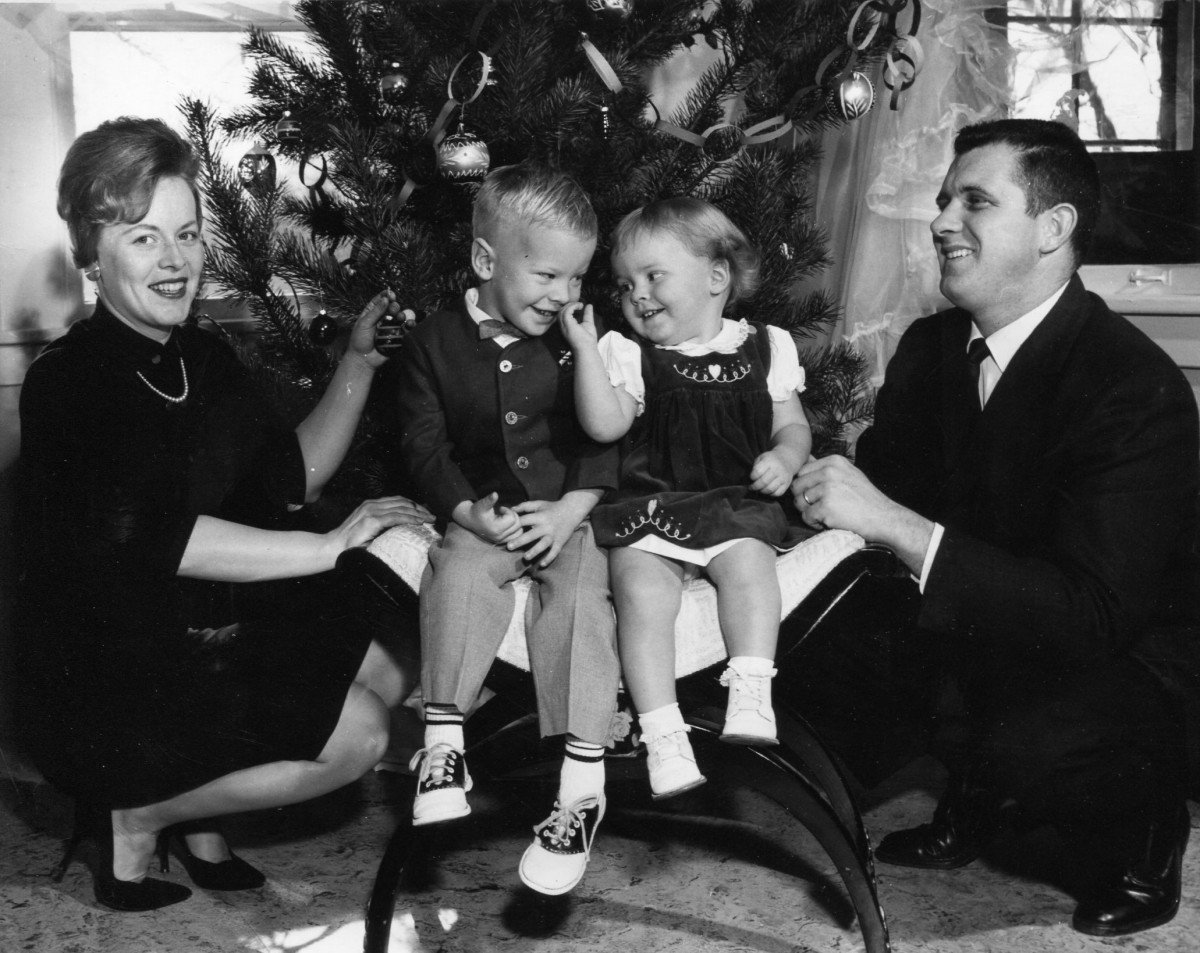
This was the majority generation, in pressed khakis, with 30-year fixed-rate mortgages. They didn’t tune in or drop out. They tuned in to CBS and dropped off dry cleaning. Their World. Books. The Bible, KJV, naturally Reader’s Digest abridged wisdom for sensible minds. How to Win Friends and Influence People, their holy grail of likeability and ladders Goals: Early marriage Steady job A mortgage by 23 Kids in Cub Scouts, not communes Fashion: Sensible slacks and high-waisted decorum Sturdy shoes, pastel blouses Hair? X
Frozen in place with Aqua Net and the hand of God TV: “The Andy Griffith Show”, ‘The Lawrence Welk Show”, “Leave It to Beaver “reruns, morality in syndication. “Why protest when you could pay off your mortgage early?” While radicals filled the streets, they were flipping through the TV Guide. While Dylan wailed about change, they were checking the Sears catalog for dishwashers. When the revolution was televised, they changed the channel.
Politically? Nixon for order, Reagan for upward mobility Carter? A little too soft for McGovern? Don’t even start. They didn’t want to overthrow the system. They benefited from it. Riots terrified them. Inflation upset them. Protesters made them double-check the deadbolt. Culturally? Risk-Averse Sex-ed? Through whisper networks or church tracts? A surefire path to hell, or juvie Rock?
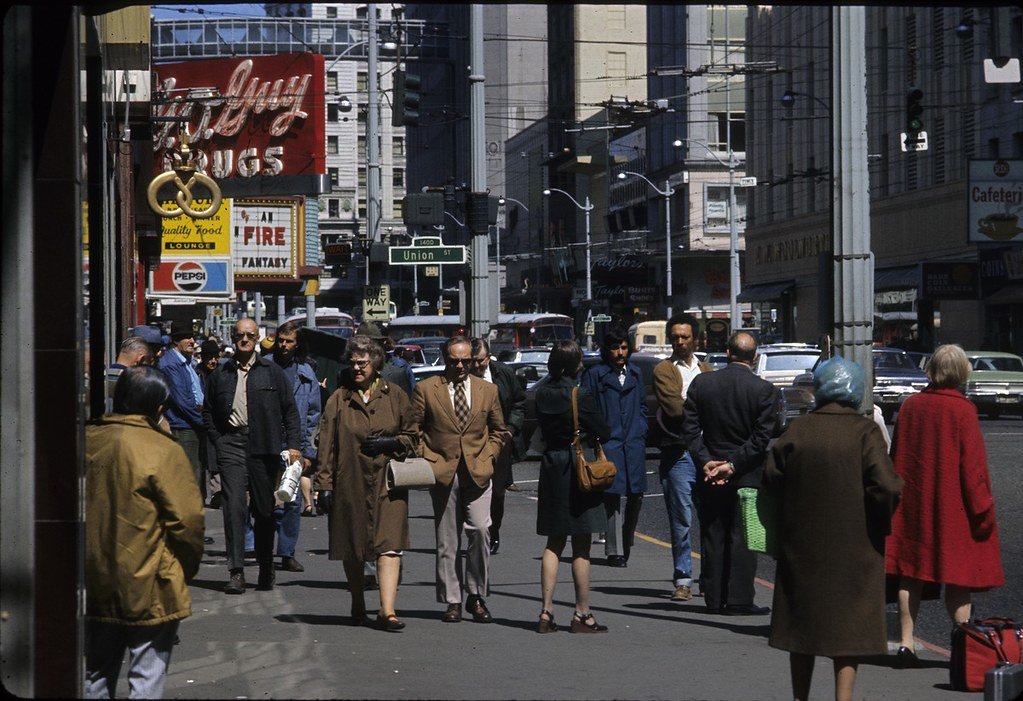
Only if it was the Carpenters, Neil Diamond, or that nice young man Donny Osmond. They were the system’s favorite children grew up in postwar paradise took GI bills and FHA loans straight into middle-class comfort. Got union jobs, paid into pensions, and bought matching living room sets. They didn’t question the American Dream. They lived it and laminated it. Rebellion? “Only if you mean wearing white shoes after Labor Day.” They watched the ‘60s like it was a movie, then turned it off before bed.
With Tupperware packed, shirts ironed, and lights out by ten. Mayhem’s Summary: This is the real Boomer baseline: Not wild, not wicked, not weeping for the soul of a lost dream. Just responsible, risk-averse, and relentlessly normal. The American empire didn’t just survive the Sixties. It thrived, because these people showed up on time, signed the forms, and voted for whoever promised to keep the chaos outside the cul-de-sac. The Military Boomers Not rebels.
Not rock stars. Just the ones who bled. They weren’t on campus chanting peace. They were 8,000 miles away, in a jungle, dodging bullets while the “revolution” played on someone else’s FM radio. The Numbers Don’t Lie: 2.2 million Boomers served in Vietnam. Average combat age? 19. Most were working-class, non-college, and draft-eligible. Not theorizing imperialism, living it While the privileged protested in poetry slams, these kids were: Lighting smokes behind sandbags. Watching friends die in their arms Writing last letters on government-issued stationery, “You burned a draft card? I burned a jungle.”
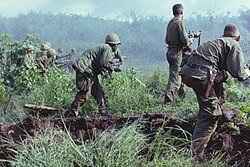
They didn’t go to war because of ideology. They went because the draft board knew their zip code. They weren’t war hawks. They were caught in the gears of a machine they didn’t build and couldn’t stop. Coming Home to… Nothing. No parades. No respect. No real place in the narrative. They didn’t fit into the Boomer myth: Too dirty for the pacifists. Too damaged for the patriots. Too real for the storytellers. They weren’t anti-war or pro-war. They were in the war, and no one asked what it did to them.️
Politically? Dispersed and Disillusioned. Some came home conservative, order felt safer than chaos. Others dropped out entirely, mistrusting every flag and promise. Many became ghosts in the voting booth: veterans with no clear tribe. Not activists. Not ideologues. Just men trying to forget what their country had asked of them.️ “You talk about freedom like it’s a slogan. I carried it through mud.” They didn’t get memorialized in Boomer nostalgia. No peace signs. No protest songs.
No love-ins. Just trauma, night sweats, and maybe, if they were lucky, a job at the plant. Culturally Erased, No Woodstock, No Rolling Stone cover, No Ken Burns featurette with a wistful soundtrack and a slow zoom. They weren’t aesthetically good. They were avoided. Mayhem’s Closing Salute: These were Boomers, too. Not the mythmakers. Not the movement leaders. The ones were weaponized by the empire, then erased by culture. They weren’t part of the dream. They were proof of its cost. The Rockers, Mods & Greasers Proto rebels. Post-war. Permanently cool.
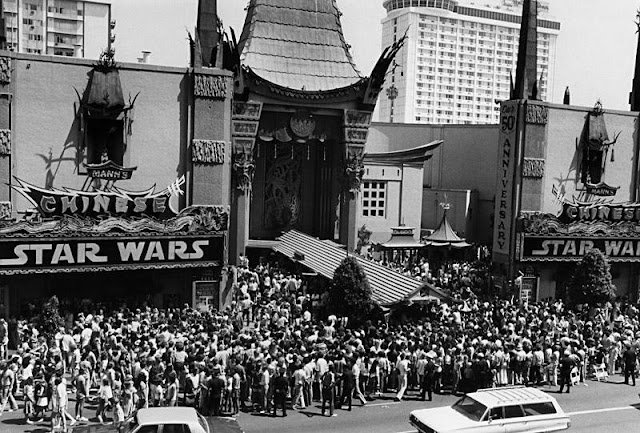
Before counterculture was a brand, it was a vibe, greased hair, black leather, and the sound of a stolen amp feeding back in a garage. These weren’t peaceful freaks. They were style brawlers.️ Their World. Uniforms. Greasers. Leather jackets, cuffed jeans, pompadours, wrenches in back pockets. Rockers. Combat boots, biker jackets, Triumph motorcycles Mods. Tailored suits, Chelsea boots, Italian scooters, and sheer disdain for sloppiness Icons.
James Dean, brooding king of not giving a damn, Marlon Brando in The Wild One, Elvis before Vegas Keith Moon, because subtlety is for suckers. Anthems: Chuck Berry and Link Wray, The Kinks before they softened, The Who while they still smashed things, Stones when they were still dangerous, not philosophical. “We didn’t need acid to rebel, we had motorcycles.” Their high wasn’t enlightening. It was speed, noise, lust, and swagger. Theirs Was a Material Rebellion, They weren’t dismantling the system.
They were flipping it off from the back of a café racer. They didn’t organize protests. They terrorized school dances. No utopian dreams. Just cigarettes, engines, and a middle finger for the vice principal. The Mods? Polished to a mirror shine R&B on the record player, pills in the bloodstream. Rebellion by aesthetic domination. You never outdressed a Mod, they’d die first . The Greasers?
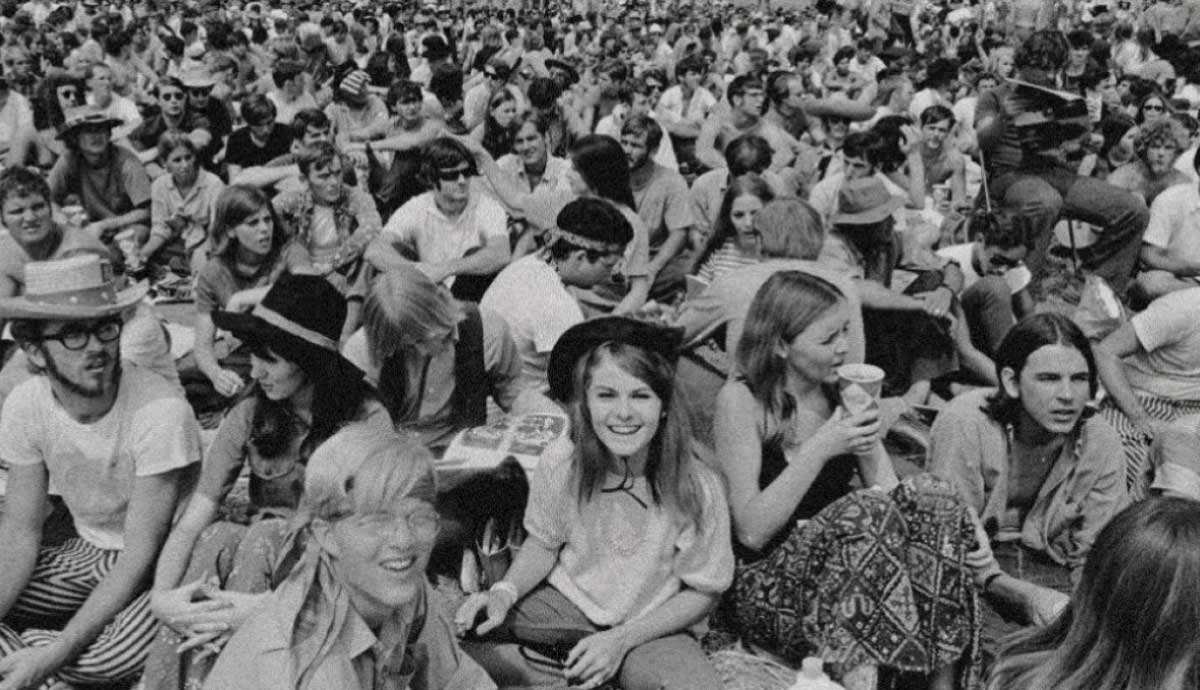
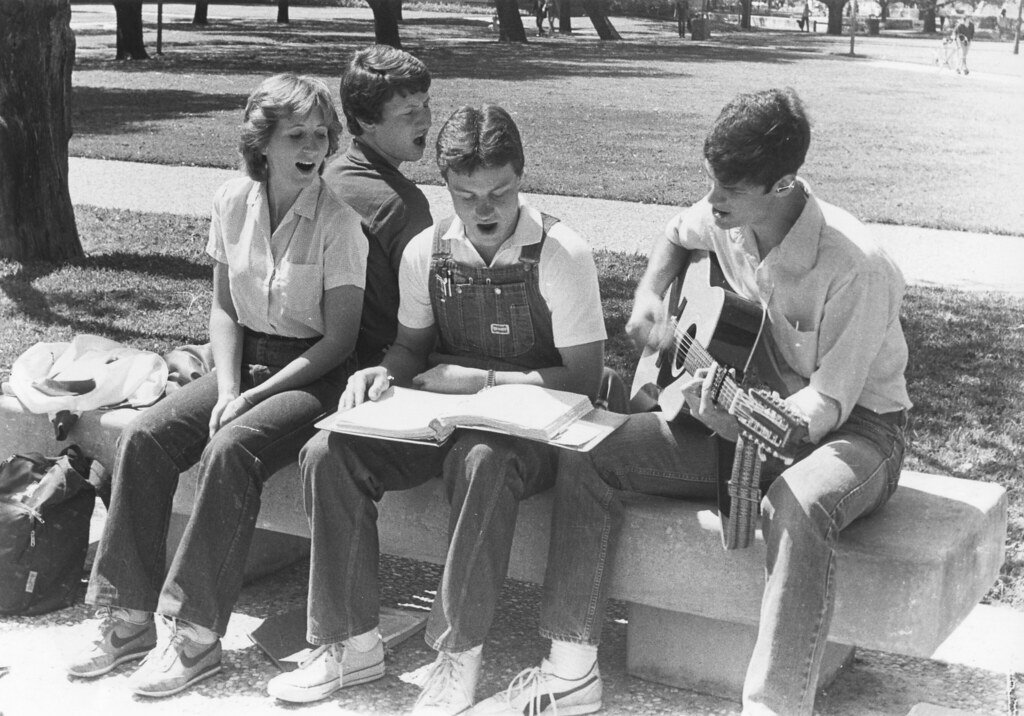
Working-class toughs. Shop class legends. Didn’t read Howl, didn’t care who Ginsberg was. They lived rage and lust without ever needing to name it. Then Came the Hippies… And Made Rebellion Soft Peace, love, unity? Weak sauce. To the Rockers and Greasers, the counterculture was too talky, too passive, too floral. They didn’t want to meditate. They wanted to throw down behind the bowling alley. “I don’t want to expand my mind. I want to smoke you in the quarter mile.”
They weren’t about consciousness. They were about combustion.️ Often Overlooked, But Unmistakably Influential. These weren’t political kids. They were feral with purpose. They paved the way for: Punk Glam, Metal. Every dropout who ever screamed into a mic with eyeliner and rage. They didn’t write the Boomer myth. But they inspired everyone who wanted to tear it down later. In Conclusion: They Didn’t Sell Out. They Bought In. The next time someone leans in with that wistful look and says, “You know, Boomers used to be so radical… until they sold out,” set the record straight.
Most Boomers weren’t tie-dyed revolutionaries who lost their way. They were never in the revolution to begin with. The Data’s Clear. The Myth Is Not. For every acid-dropping poet at Golden Gate Park, there were thousands of Boomers: Getting married at 21, buying homes at 23, voting Nixon at 25, and demanding tax cuts by 30. They didn’t turn into conservatives.
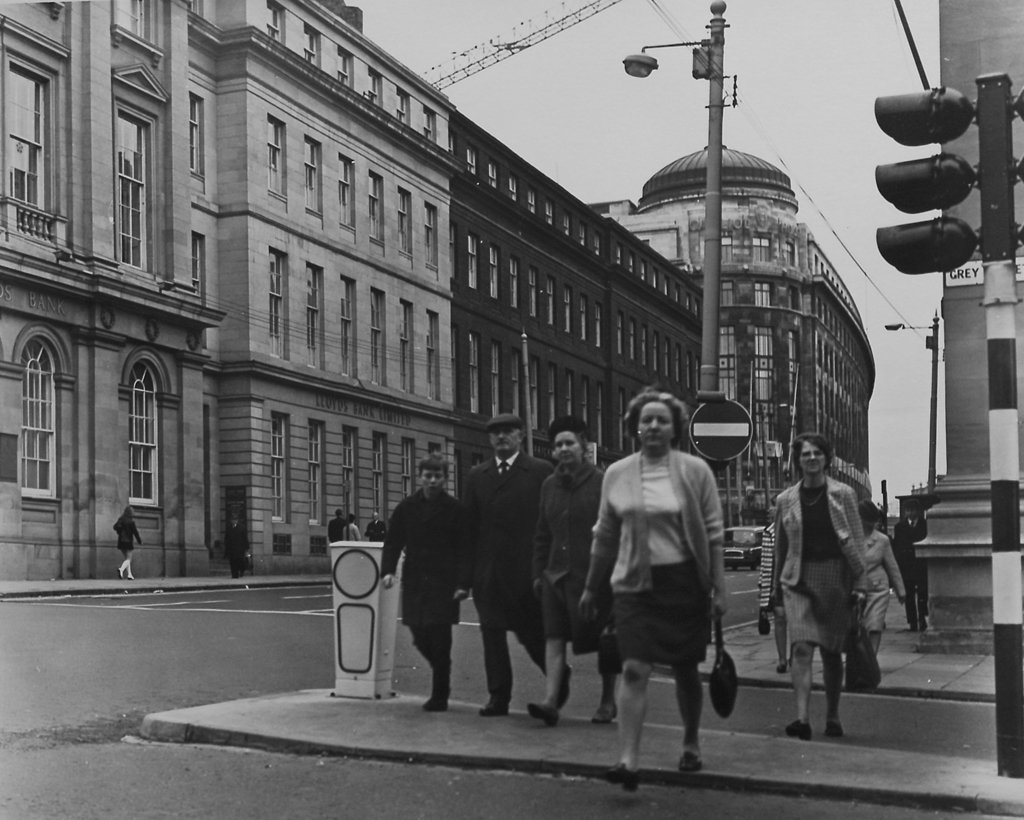
They were conservatives, wearing flannel, not fringe. They Didn’t Rage Against the Machine. They built it. They were the real estate agents, the HR managers, the union stewards, and the city council members. They poured the foundations of suburbia and filled the corporate offices. They weren’t crushed by capitalism. They tightened the bolts and passed it on to their kids. And the Hippies? They Hated Them.
To the average Boomer the hippie wasn’t a hero. The protester wasn’t a peer. The dropout wasn’t a brother in arms, they were a punchline, a warning, a threat to order. The cultural radicals weren’t betrayed by their generation. They were outnumbered by it. The Hard Truth: 97% of Boomers didn’t sell out. They just kept their receipts. They didn’t lose their ideals. They just never had yours. And when the history books fade to sepia and the documentaries cue up the Joni Mitchell… Remember this:
The machine didn’t break them. They were engineers. And rebellion? That was just a fringe event. The main act wore slacks, got promoted, and changed the channel before the protest even hit prime time. Because here’s the terrifying truth, if the fringe had been the majority? If the barefoot philosophers and acid prophets had run the show? You wouldn’t be reading this on a screen. You’d be foraging mushrooms, dodging cult leaders, and trying to charge your solar-powered typewriter in the middle of a failed agricultural commune.
The Boomers’ hunger for mortgages, municipal bonds, and matching dishware wasn’t betrayal. It was ballast. They didn’t kill the revolution. They contained it, just enough to keep the fire from eating at the house. And maybe, just maybe, we should thank them for showing up to work., for fixing the roof, for making sure your parents had a place to put your crib. Their conformity wasn’t cowardice, it was insurance. Against chaos, against collapse, against the utopian fever dream that burns hot and dies fast. They weren’t the problem.
They were counterweight to one. They made just enough room for rebellion to matter, but not enough for it to wreck the neighborhood. They left space for the weirdos, the radicals, the freaks and the firebrands, without handing them the keys to the nuclear arsenal. And that balance? That delicate tension between fire and foundation? So no, they didn’t fly, they didn’t fall, they held the line, nd because of that we had a launchpad.


