Once upon a time, our ancestors sat around crackling fires, whispering tales of magnificent winged beasts that ruled the skies and scorched the earth with their fiery breath. These weren’t just imaginative bedtime stories; they were humanity’s earliest attempts to explain the inexplicable. And what if I told you that those fantastical creatures weren’t mere myths, but echoes of something very real?
Enter the dragon, or as modern science calls them, dinosaurs. From the wingless, river-dwelling Nāga of South Asia to the benevolent, antlered Long of China, and even the feathered, godlike Quetzalcoatl of Mesoamerica, the word “dragon” has been slapped on every oversized lizard or serpent that dared cross cultural lines.
Never mind that some of these beings don’t even breathe fire or hoard gold, gasp! the audacity! It’s the linguistic equivalent of saying, “Oh, all those giant mythical creatures look the same to me.” And why? Likely because medieval Europeans encountered these stories and thought, “Giant reptile? Must be a dragon!” And voilà, cultural nuance was bulldozed in favor of a catchy term. What’s truly ironic is that people went from using “dragon” as a catch-all for mythical beasts to scientifically categorizing actual extinct creatures.
Yet, in popular imagination, dinosaurs essentially took the dragon’s role as the fearsome, larger-than-life lizards, minus the mystique. It’s like trading a legend for cold, hard facts. Necessary, maybe, but tragically lacking in sparkle. Even more amusing? As we’ve learned more about dinosaurs, they’ve become less “terrible lizard” and more “majestic bird’s awkward ancestor.” It turns out they were colorful, likely feathered, and not nearly as fearsome as we thought. So, in trying to make dragons obsolete, dinosaurs ended up being… fabulous in a whole different way.
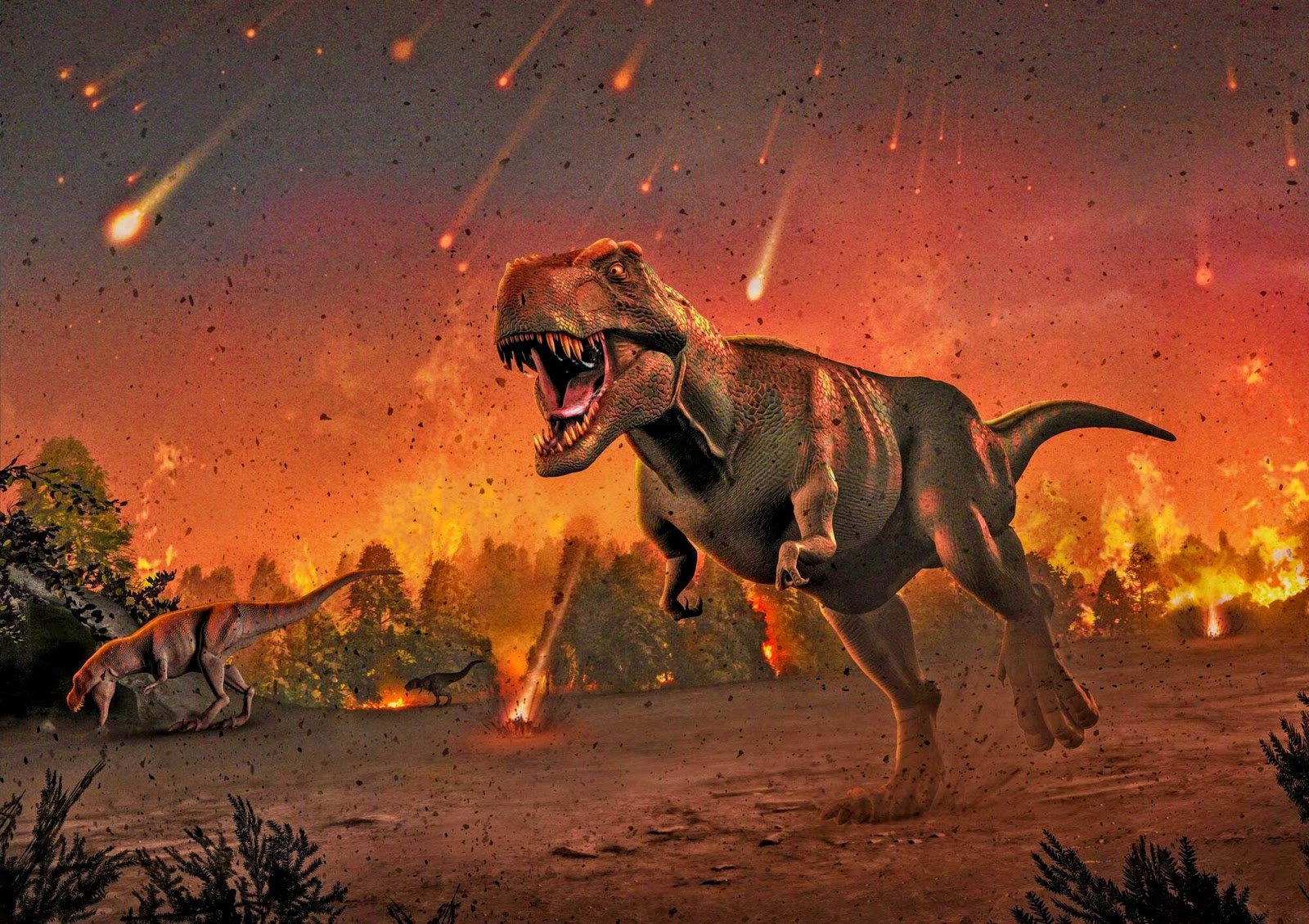
The fossil evidence, a misunderstood legacy centuries before paleontology became a thing, our ancestors stumbled upon massive bones buried beneath their feet. Without a scientific framework to explain their findings, they did the only logical thing: wove them into stories.
These bones, often massive and grotesquely shaped, bore an uncanny resemblance to the dragons described in folklore. A sauropod’s rib cage? The chest of a colossal dragon. A T-Rex skull? Obviously, the snarling maw of a fire-breathing beast. Pterosaurs, with their massive wingspans, are practically screaming “dragon” with every fossil unearthed.
Dragons in Every Culture: What makes the dragon myth so compelling is its ubiquity. Cultures across the globe, from medieval Europe to ancient China, share remarkably similar descriptions of these creatures. Coincidence? Hardly. It’s much more likely that early humans, scattered across continents, were encountering the same thing, the fossilized remains of ancient giants. Their shared awe of these creatures seeded the stories that persist to this day.
A Word Born of Awe
Let’s set the stage, Sir Richard Owen, the Beyoncé of 19th-century naturalists, analyzed some gnarly fossils and realized they belonged to a group of reptiles unlike anything alive today. Being the drama queen he was, Owen reached into the rich lexicon of Ancient Greek, pairing deinos (“horrible” or “fearful”) with sauros (“lizard”). Thus, “dinosaur” was born, a term that exudes reverence for these ancient titans. But Owen didn’t stop there. X
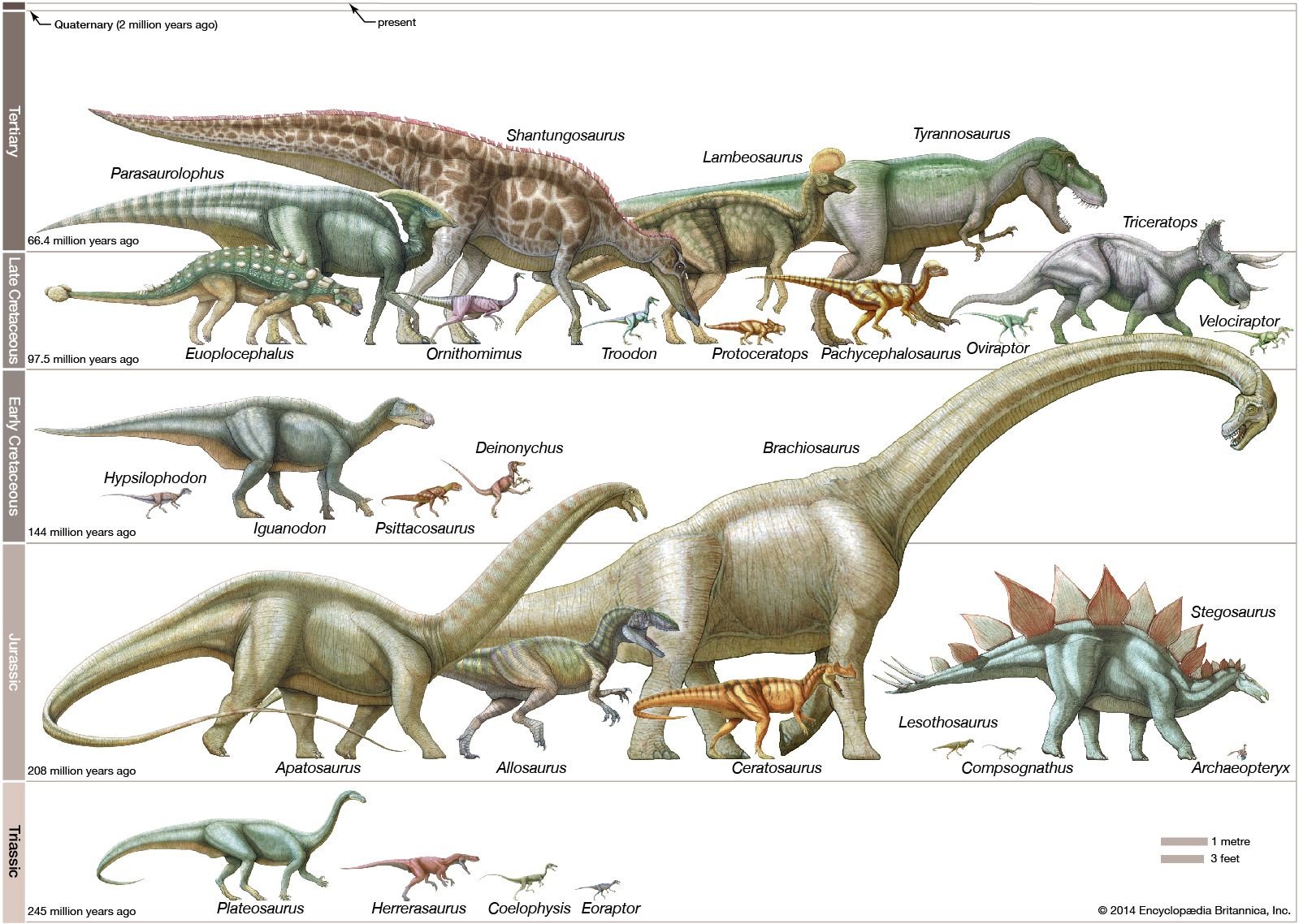
In 1853 he orchestrated a spectacle that still feels surreal today: hosting a dinner party inside an Iguanodon sculpture. Picture it, Victorian elites sipping wine, nibbling biscuits, and marveling at a hollow dinosaur model. The PR stunt immortalized Owen’s coinage and cemented dinosaurs as both scientific marvels and public fascination.
The Myths That Came Before: Here’s where things get juicy: humanity had already been obsessing over “dinosaurs” for millennia, just under different names. While the word “dragon” is European, the concept of massive, reptilian monsters transcends continents: Asia: The Chinese dragon, a symbol of power and good fortune, embodied a serpentine grace and celestial wisdom.
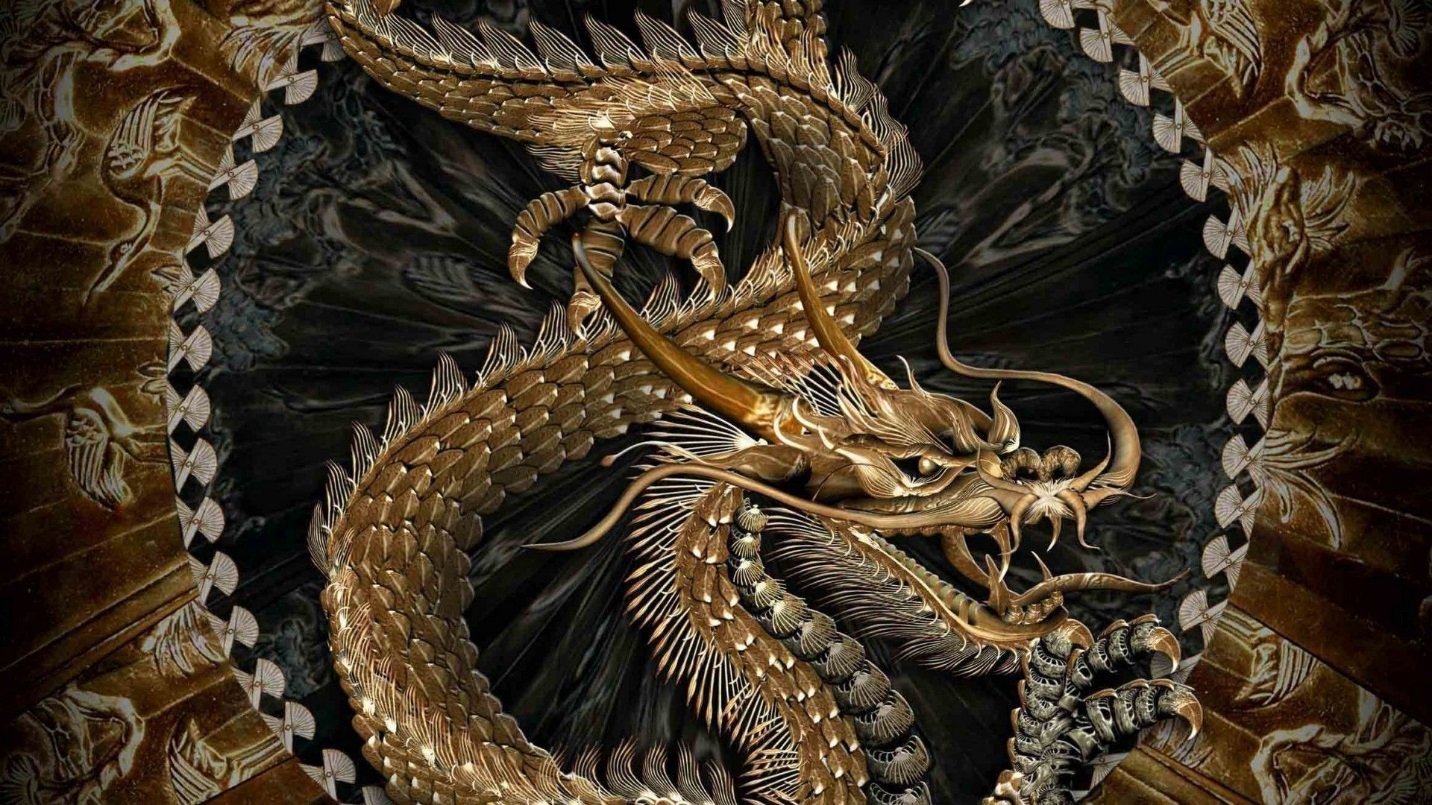
Unlike the “horrible” connotation of Owen’s dinosaurs, Chinese dragons were revered. Middle East and Africa: Creatures like the Leviathan from Mesopotamian myths or the Zimbabwean Nyami Nyami speak of serpentine beings controlling nature’s fury. Meso and South America: The Aztecs worshipped Quetzalcoatl, the feathered serpent deity, blending the traits of birds and reptiles.
Across the globe, cultures independently dreamed up these scaly beasts long before “dinosaur” entered the vernacular. Coincidence? Or was humanity’s collective unconscious shaped by encounters with fossils, bones of giants rising from the earth like whispers of forgotten worlds?
The Rebranding of Myth: Fast forward to the 1800s, and the Age of Enlightenment demanded reason over myth.
Enter paleontology, where the mystical dragon was demystified into a “prehistoric lizard.” It wasn’t just dragons getting the downgrade, it was every wyvern, wyrm, and serpent swept aside in favor of scientific jargon. Those 180 years of dinosaur science? A mere blip compared to the countless centuries where dragons roared through mythologies and campfire stories. Consider how abrupt the shift was, for thousands of years, these creatures were relegated to folklore, dismissed as impossible by skeptics.
Then, science turned the tables. Megalosaurus? Real. Iguanodon? Undeniable. Paleontology became the new mythology, only now with fossilized receipts. The Global Lens of Dragons weren’t just dragons. Across languages and regions, the idea of giant lizards had a thousand faces, in Africa, stories of “rain serpents” and river gods were tied to reptilian imagery.
Asia envisioned dragons with intelligence and control over the elements. Mesoamerica fused reptiles with feathers, suggesting a deep evolutionary respect for both dinosaurs and their avian descendants. Europe cast them as fire-breathing fiends, their treasure-hoarding ways symbolic of human greed. The word “dragon” became a catch-all for these vastly different beasts when, in reality, every culture had its own terms and interpretations. Scientific naming conventions flattened this rich tapestry into “dinosaur,” losing much of the nuance in translation.
Two Sides of the Same Fossil Today
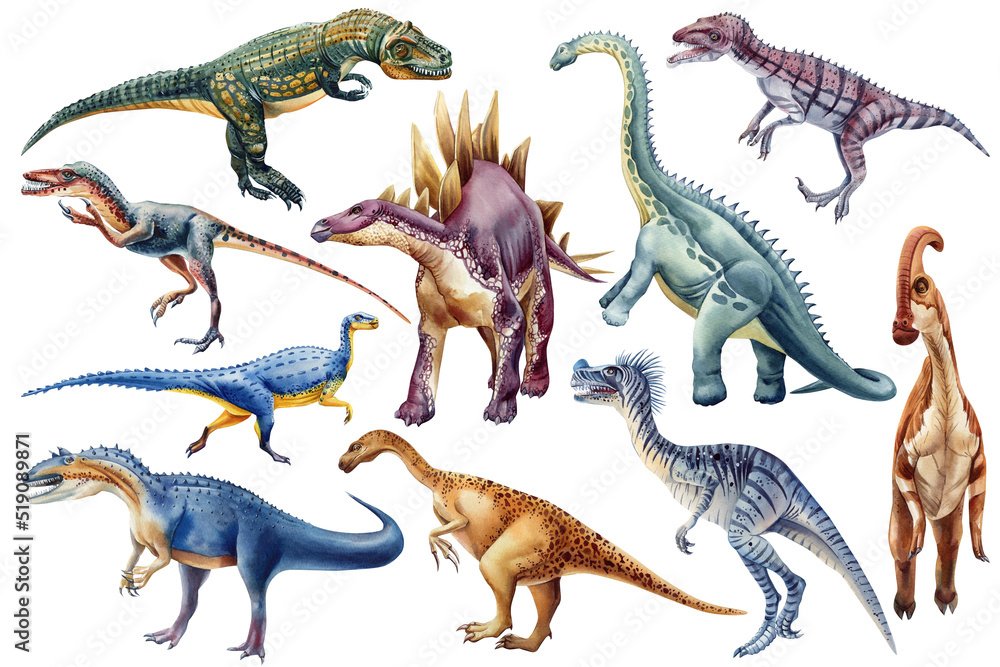
We’re 180 years deep into the dinosaur era of science. In that time, we’ve restored their models, pieced together their skeletons, and even theorized about their behaviors. But if you zoom out, you realize how brief this modern obsession is compared to the countless millennia humans spent mythologizing giant reptiles. “We didn’t debunk dragons. We just rebranded them as dinosaurs, and called it a day.” Wyrms (Mosasaurus), massive serpentine dragons without wings or legs, slithered into countless European legends, spreading chaos wherever they went. The Mosasaurus, an aquatic reptile from the Late Cretaceous, fits the wyrm description perfectly. Its elongated body and terrifying jaws make it a strong contender for the myth’s inspiration. Imagine seafaring folk spotting one of these fossils in a cliffside, instant wyrm lore! Lindworms (Baryonyx), a lindworm is a wingless, two-legged dragon with a serpentine body, often guarding treasure or wreaking havoc in European tales. Enter Baryonyx, a semi-aquatic theropod with crocodilian jaws and a lanky, almost serpent-like posture when imagined in motion.
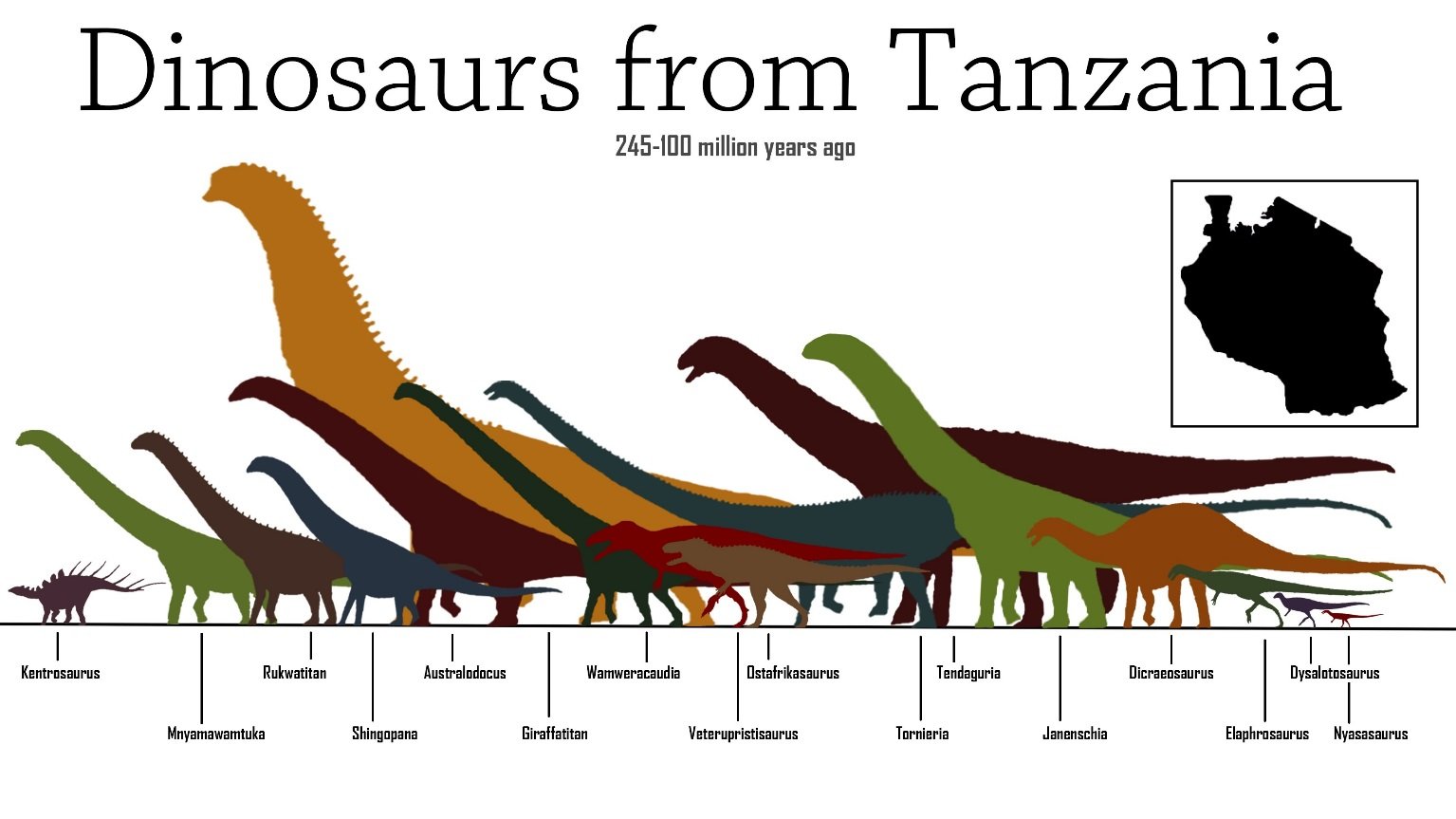
Its mix of land and water adaptability might explain why lindworms are often associated with rivers or marshy lairs. Nyami Nyami (Spinosaurus), The Zambezi River’s Nyami Nyami is a river god with a serpentine body and a penchant for floods and famine, terrifying yet revered. The dino connection, Spinosaurus, with its sail-like spine, crocodilian jaws, and aquatic lifestyle, embodies the essence of Nyami Nyami. Its ability to traverse water and land makes it an ideal match for this mythical figure.
Boitatá (Titanoboa), in Brazilian folklore, Boitatá is a fiery serpent that guards forests and waterways, punishing those who disrespect nature. Titanoboa, the largest snake to ever slither, dominates this matchup. Stretching nearly 42 feet long, this prehistoric serpent was the nightmare of its time, an apex predator that seems tailor-made to inspire tales of Boitatá’s protective wrath.
Amaru (Tapejara), Amaru is a winged serpent deity in Andean mythology, often depicted as a hybrid of reptile and bird, representing the connection between sky and earth. Tapejara, a pterosaur with a striking crest and flight capabilities, fits the Amaru legend like a glove. Its combination of avian and reptilian features aligns perfectly with the mythical depiction of a creature bridging two realms.
Grootslang (Madtsoia), African mythology, the Grootslang, a massive serpent with hints of elephantine features, is said to dwell in caves and rivers, guarding treasure in South African folklore.
Madtsoia, a giant snake from the Late Cretaceous, fits the Grootslang mold. This prehistoric serpent’s size and fossil evidence from Africa make it a strong candidate for inspiring this enduring legend. Apep (Crocodylus thorbjarnarsoni), African (Egypt region) mythology, Apep, the Egyptian god of chaos, was a massive serpent-like creature that battled the sun god Ra nightly, threatening to devour the sun.
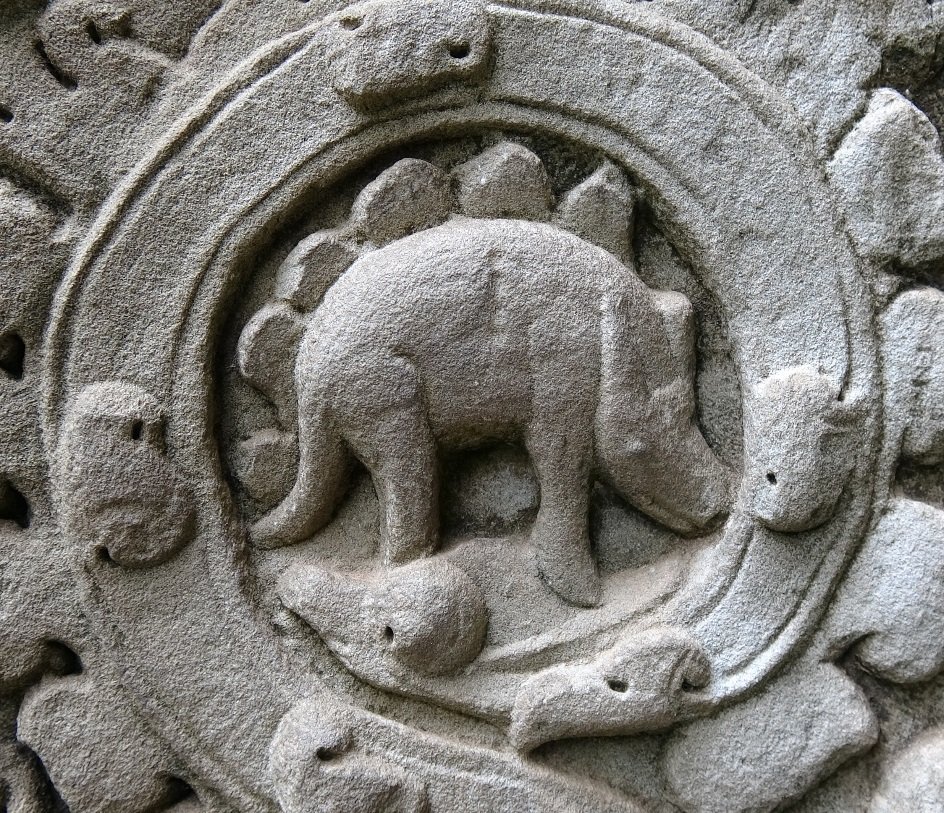
Crocodylus thorbjarnarsoni, an extinct species of giant crocodile, embodies Apep’s fearsome, serpentine attributes. With fossil evidence in North Africa, it’s easy to imagine these creatures inspiring tales of chaos and destruction.
Wyverns (Baryonyx), European mythology, wyverns, two-legged dragons with wings and barbed tails, were a staple in European heraldry and folklore. Baryonyx, with its robust forelimbs and crocodilian head, could easily be re-imagined as a wyvern, particularly if artistic license added wings to the mix. Its mix of land and water hunting behavior echoes the wyvern’s predatory lore.
The Legacy of Myth and Paleontology: Each of these mythical creatures shares eerie similarities with their prehistoric counterparts, blending cultural storytelling with the natural world’s awe-inspiring remnants. From the seafaring wyrms to the sky-soaring Amarus, the connections reveal how humanity has always found a way to mythologize the monstrous marvels lurking just beneath the surface of reality. So next time you hear a story about a dragon or serpent god, remember: their bones are still out there, quietly waiting for us to rediscover them. Myth or fossil? The line is thinner than you think.
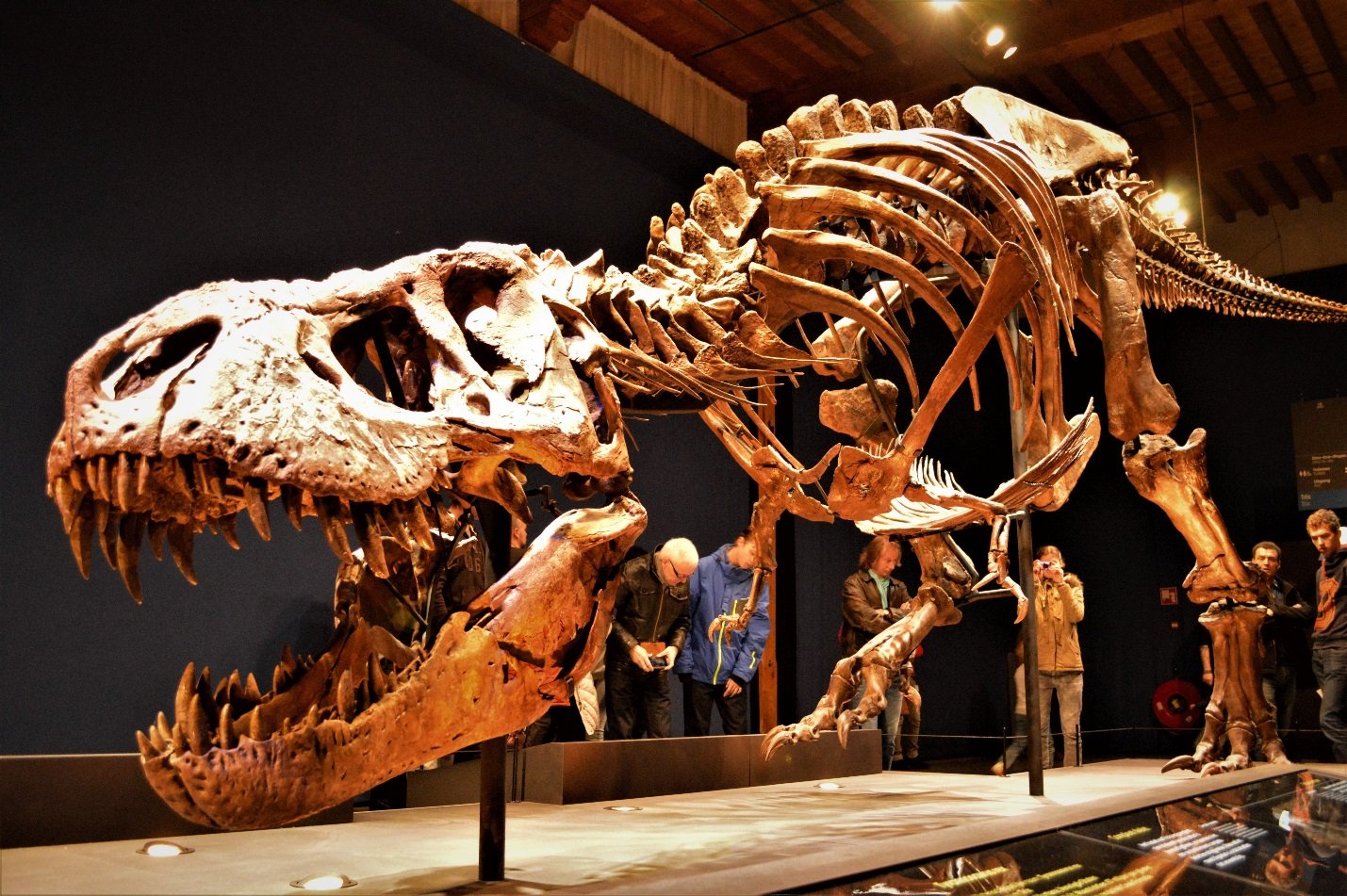
Dragons, the ever-evolving archetype dragons are, at their core, storytelling gold. They’re the chaos of nature, the predator in the shadows, and the unknowable monster in the dark. They dramatize our deepest fear, fire, serpents, and death, while offering us a way to conquer them in myth. Cultural chameleon’s dragons don’t just adapt, they thrive. These mythical reptiles slither seamlessly into any cultural narrative.
In China, dragons bless the rains and symbolize power and wisdom. They’re benevolent, serpentine deities, commanding awe, not terror. In Mesopotamian mythology, Tiamat embodies primordial chaos, a dragon of creation and destruction. In European lore, dragons guard hordes of gold, embodying greed and corruption. Cue St. George skewering one for good measure. In Christianity, they became symbols of Satan himself, allegories for sin and evil. Their versatility is their greatest strength, they’re whatever the cultural moment needs, from noble guardians to fiery nemeses.
Dragons in the Modern World: Unlike dinosaurs, frozen in history, dragons grow alongside us: In Fantasy: Smaug, Drogon, and Toothless aren’t relics, they’re characters, molded to fit their narratives. They’re treasures, not fossils. In pop culture, from “Game of Thrones” to “How to Train Your Dragon” to ”The Hobbitt”, dragons enchant audiences of all ages. They’re terrifying, endearing, or majestic, whatever the story requires. Dragons live, breathe, and burn across genres and generations.
They’re never extinct because they’re born anew with every telling. Dinosaurs, marvels of reality rooted in the earth dinosaurs, for all their majesty, are creatures of fact. Sir Richard Owen coined their name in 1841, giving shape to fossils that had puzzled humanity for centuries. Before then, we only glimpsed their shadows, giant bones mistaken for titanic beasts or mythical wyrms. Dinosaurs burst onto the scene as scientific relics of Earth’s deep past.
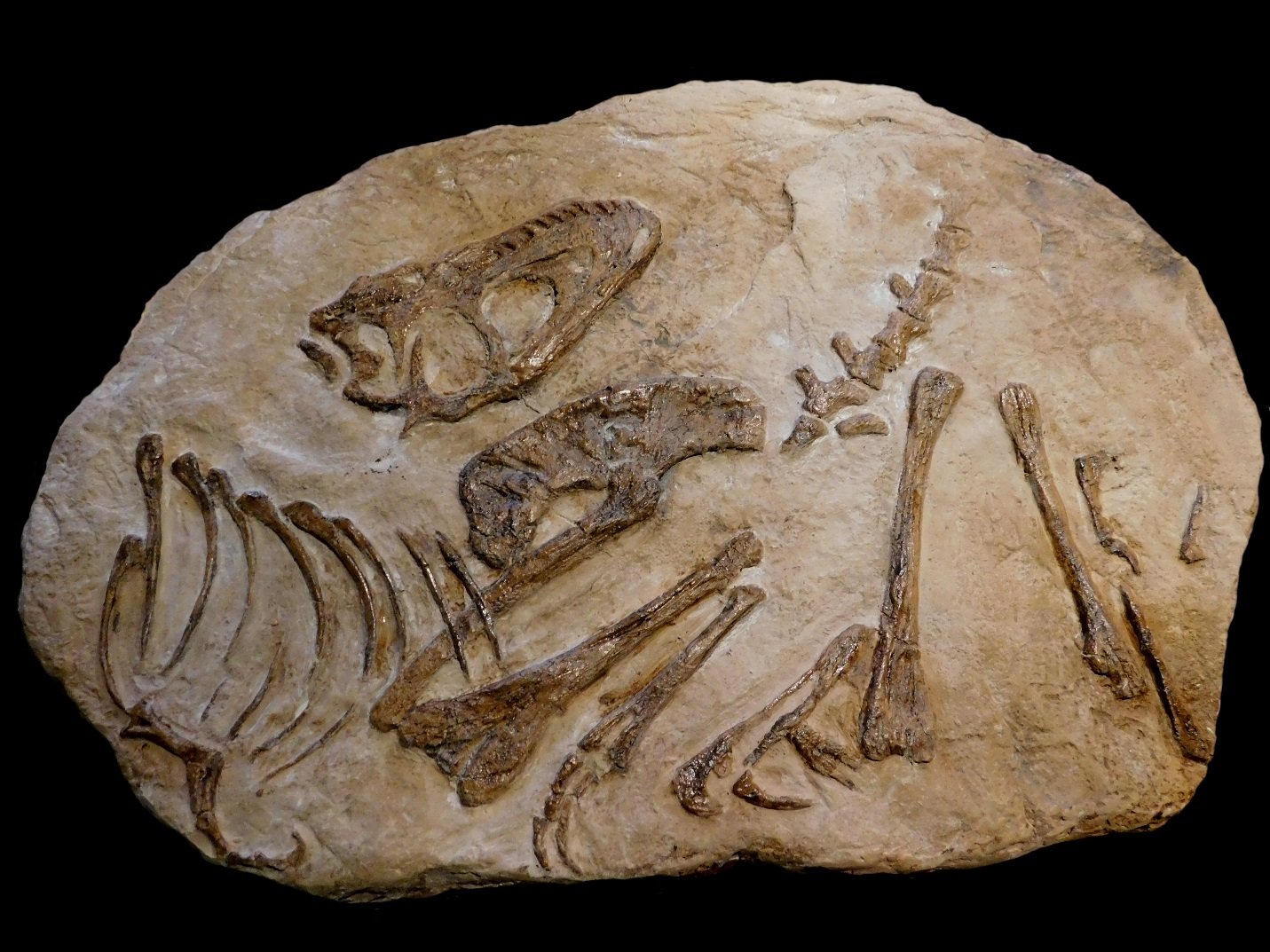
They filled museums, dominated textbooks, and inspired awe. But they remain tied to their bones, constrained by evidence. The cosmic joke, how science gave dragons new life science and myth. Science, in its quest to “debunk” dragons, inadvertently gave them new life. The very fossils that dismissed dragons lent them credibility, fossil lore, early cultures discovering bones likely birthed dragon myths, and modern paleontology reinforced their plausibility. If giant lizards once roamed, why not dragons?
Naming Games, even science can’t resist dragon allure, coining names like Dracorex hogwartsia and Quetzalcoatlus, science didn’t kill dragons; it reimagined them. In fact, paleontologists became the mythmakers of the modern era, blending discovery with the drama of storytelling.
Dragons as Dinosaur 2.0
Fast-forward to today, where dragons have reclaimed their throne, ironically, with a little help from dinosaurs. The anatomically correct, birdlike dragons of Game of Thrones or The Hobbit owe their sinewy necks and taloned feet to paleontology. We took the skeletons of reality and draped them in the fire and fury of myth. Dragons didn’t just survive the age of reason, they thrived, using science as their artistic consultant.
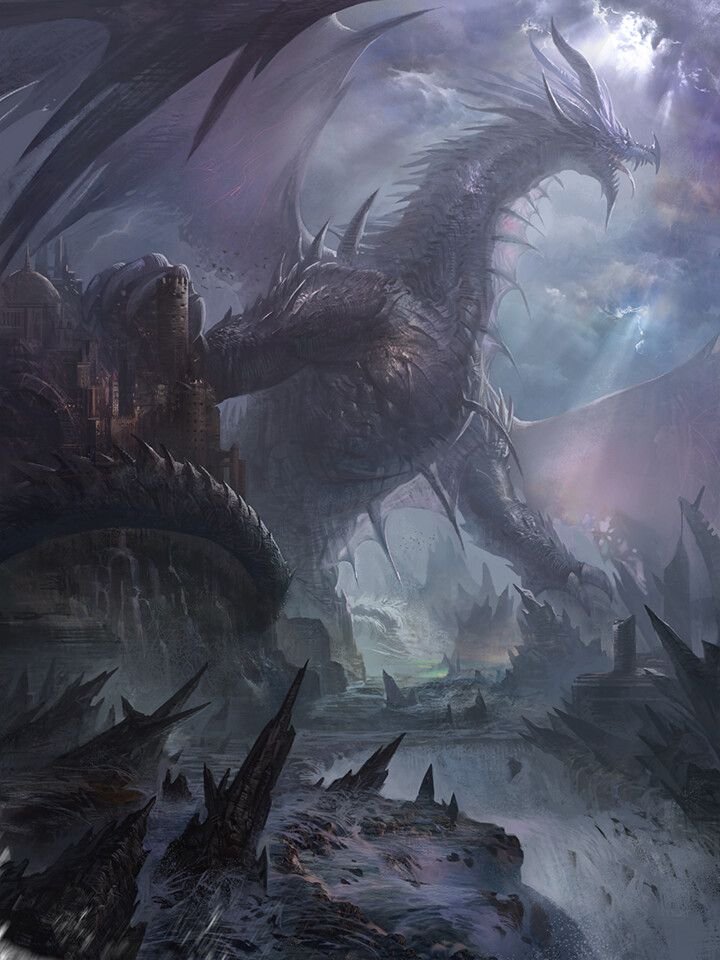
Dinosaurs, the bones of truth dinosaurs anchor us in the majesty of Earth’s history, reminding us of nature’s power and the fragility of existence. They’re awe-inspiring, but their story is fixed, limited by the constraints of reality. The cosmic punchline is that humanity invented dragons to explain fossils, then used fossils to dismiss dragons, only to circle back and let science make dragon’s cooler than ever. In this tug-of-war between myth and reality, both dragons and dinosaurs emerge as winners in their own right.
So, here’s the punchline, darling: dragons may not exist, but their legacy is immortal. Dinosaurs are real, but their cultural relevance? Borrowed from dragons. “Dinosaurs: The Modern Dragon” Dinosaurs didn’t erase dragons, they validated them, providing physical proof that the legends of titanic, scaly beasts were rooted in something real. Those ancient storytellers weren’t spinning nonsense, they were glimpsing echoes of a world where monstrous creatures roamed. Every fossil unearthed whisper the same story: dragons once ruled the Earth, even if we call them something else today.
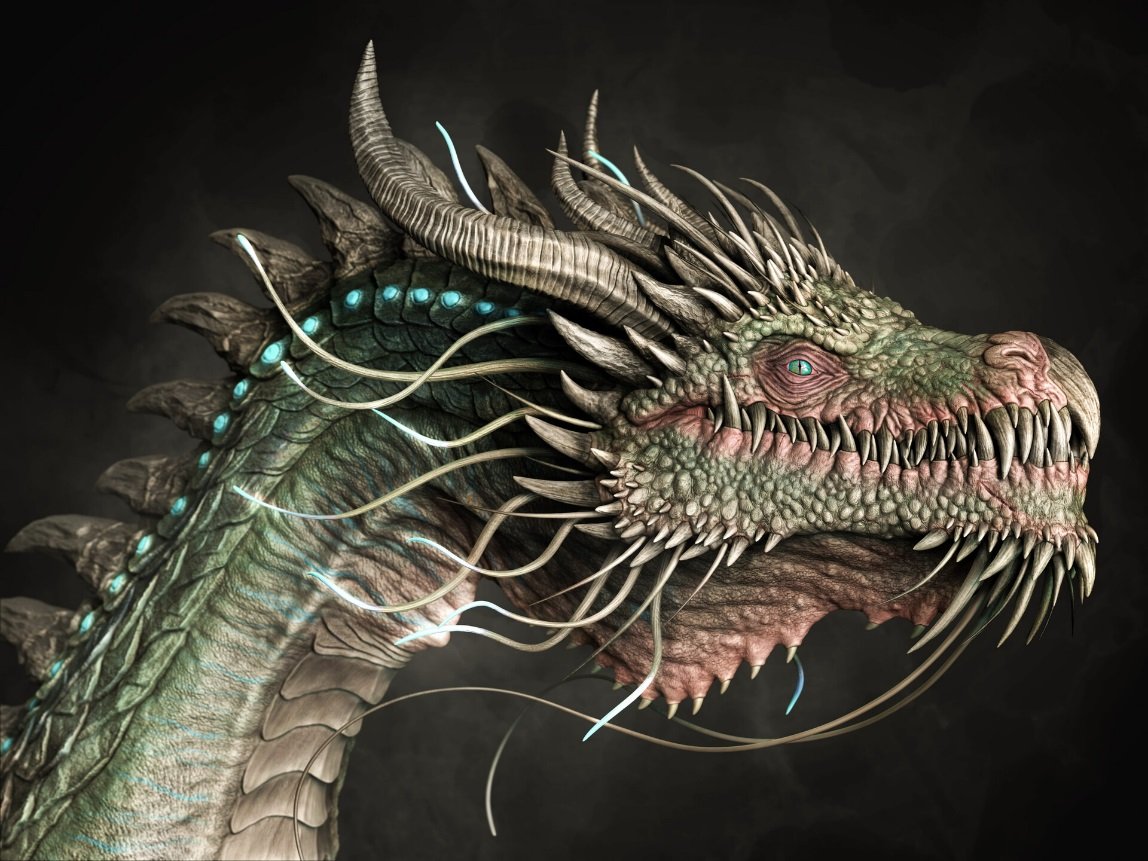
The resurrected dragon, Jurassic Park. Steven Spielberg didn’t just make a blockbuster film, he gave dragons new life. In Jurassic Park, dinosaurs weren’t museum exhibits, they were predators, rulers, and living, breathing embodiments of myth. When you watch a Velociraptor stalk its prey or hear the earth-shaking roar of a T-Rex, you’re witnessing a modern dragon tale.
These creatures are dragons reborn, roaring through a world that had long dismissed them as myth. Blurring Reality and Myth the Jurassic Park franchise expertly fuses paleontological science with mythic chaos. Yes, the dinosaurs are based on fossil evidence, but their cinematic presence, their ferocity, intelligence, and grandeur, feels undeniably draconic.

They inspire awe, terror, and wonder, bridging the gap between myth and reality. It’s no accident that dinosaurs evoke the same primal emotions as the dragons of old. The Final Roar In the end, dinosaurs are dragons. They are the embodiment of our ancestors’ awe and fear, resurrected by science and reborn in popular culture. Whether as fossilized relics or roaring giants on the big screen, they remind us that myth and reality aren’t so far apart. So, call them dinosaurs, call them dragons, it doesn’t matter.
What matters is their impact: these creatures ignite our imaginations, just as they did for the storytellers of old. Jurassic Park is proof that the magic of dragons never died, it simply evolved, taking flight once again in the modern age. Dragons live on, roaring through science, culture, and the depths of our collective psyche. Dragons and dinosaurs prove that humanity will never stop chasing monsters, not because we fear them, but because they remind us of the untamed wonder of the world.
References
Fossil Discoveries
- Owen, Richard. Report on British Fossil Reptiles. Part II. Report of the British Association for the Advancement of Science, 1842.
- Owen, Richard. On the Anatomy of Vertebrates, 1866.
- Mayor, Adrienne. The First Fossil Hunters: Dinosaurs, Mammoths, and Myth in Greek and Roman Times. Princeton University Press, 2000.
- Mayor, Adrienne. Fossil Legends of the First Americans. Princeton University Press, 2005.
- McMenamin, Mark A. S. The Theory of Dragons: Evidence of Fossil-Based Folklore in Ancient China. Harvard Science Review, 2007.
- Holtz, Thomas R. Dinosaurs: The Most Complete, Up-to-Date Encyclopedia for Dinosaur Lovers of All Ages. Random House, 2007.
- Xu, Xing, et al. A New Feathered Dinosaur from China and the Evolution of Feathers. Nature, 2001.
- Brusatte, Stephen, et al. The Origin and Diversification of Birds. Current Biology, 2015.
- Currie, Philip J. The Flying Dragons: Pterosaurs and the Evolution of Winged Reptiles. National Geographic Research, 1994.
Fossils and the Inspiration for Mythical Creatures
- Loomis, Roger Sherman. White Magic: An Introduction to the Folklore of Christian Legend. Dover Publications, 2006.
- Rose, Carol. Giants, Monsters, and Dragons: An Encyclopedia of Folklore, Legend, and Myth. W. W. Norton & Company, 2001.
- McGowan, Christopher. The Dragon Seekers: How an Extraordinary Circle of Fossilists Discovered the Dinosaurs and Paved the Way for Darwin. Basic Books, 2001.
- Csotonyi, Julius, and Darren Naish. Dinosaur Art: The World’s Greatest Paleoart. Titan Books, 2012.
- Lindahl, Carl, McNamara, John, & Lindow, John, Medieval Folklore: An Encyclopedia of Myths, Legends, Tales, Beliefs, and Customs. Oxford University Press, 2000.
- White, David Gordon, Myths of the Dog-Man. University of Chicago Press, 1991.
- Lévi-Strauss, Claude, Myth and meaning. University of Toronto Press, 1978.
- Young, Serinity, Women Who Fly: Goddesses, Witches, Mystics, and Other Airborne Females. Oxford University Press, 2018.
- Harari, Yuval Noah. Sapiens: A Brief History of Humankind. Harper, 2015.
- Schafer, Edward H, Shaping Chinese Mythology: The Influence of Foreign Cultures. University of California Press, 1963.
- Leeming, David, A Dictionary of Asian Mythology. Oxford University Press, 2001.
- Williams, Deeanne Westbrook, Wordsworth’s Biblical Ghosts. Palgrave Macmillan, 2001.
- Russell, Jeffrey Burton, The Devil: Perceptions of Evil from Antiquity to Primitive Christianity. Cornell University Press, 1977.
- Jones, David E, An Instinct for Dragons. Routledge, 2000.
- Cotterell, Arthur. The Encyclopedia of Mythology: Classical, Celtic, Norse. Hermes House, 1996.