Favorite Bach Music
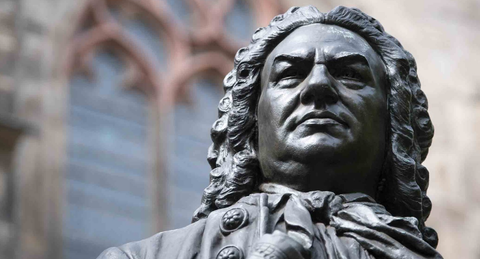
I have a very personal connection to the music of Bach, Mozart, and Beethoven, the three greatest composers of all time, towering high above the rest of us mere mortals. Since childhood I was surrounded with classical music since my mother was a classical pianist.
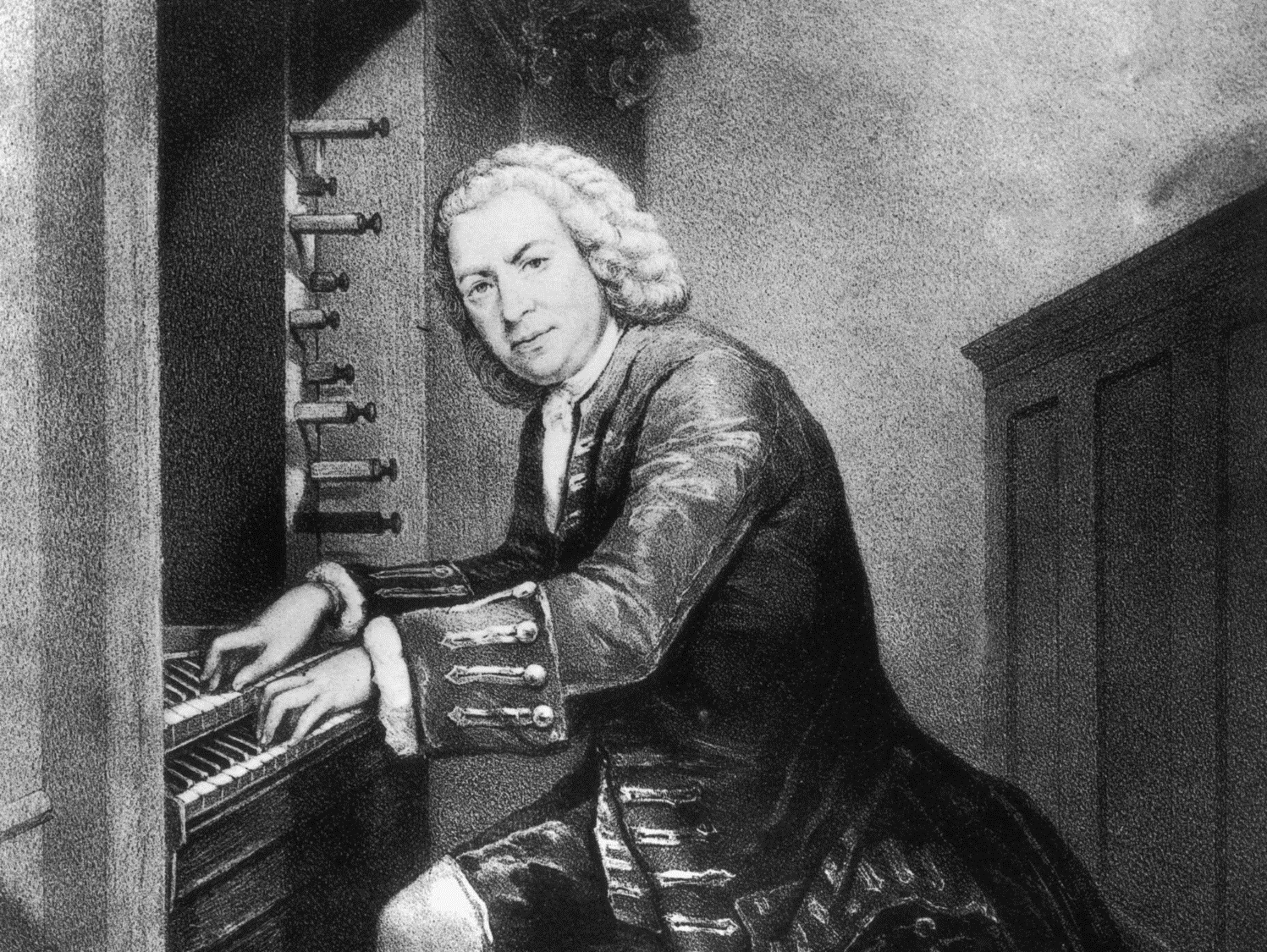
John Sebastion Bach (1685-1750) was a German Baroque composer who is universally acclaimed as one of the greatest and most innovative composers of all time, influencing generations of composers, musicians, and music lovers for over three centuries. His music is revolutionary, complex, dramatic, brilliant, often intense yet tender, enjoyable, and absolutely beautiful. Bach greatly enriched 18th Century Baroque music in the areas of counterpoint, four-part harmony, modulation, motifs, lyrics, contrapuntal techniques, and expanding use of the cello, harpsichord, and organ.
Bach stated that “Music’s only purpose should be the glory of God and the recreation of the human spirit.” His music defines Classical music – it wouldn’t be classical music without Bach. It is genius, sublime, majestic, virtuosic, and versatile.
Bach was raised in a fourth generation musical family and was taught different musical instruments and music theory. Orphaned, Bach was taught music by his brother introducing him to leading composers in Germany, Austria, France, and Italy. Bach was influenced by early Baroque composers such as Pachabel, Monteverdi, Purcell, Cesti, Lully, and Corelli.
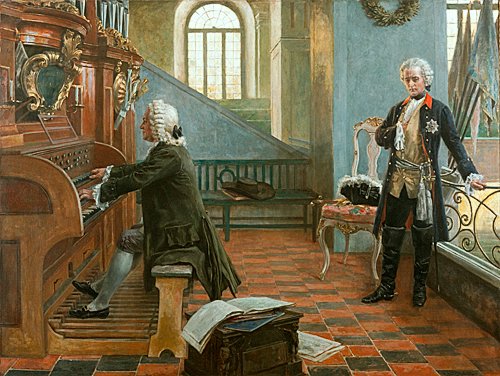
Bach excelled at playing the keyboard and quickly became a virtuoso organ player and director of music for many churches, schools, emperors, princes, and nobility. Bach was very prolific composing hundreds of works of music, including orchestral, masses, canons, chorales, cantatas, concertos, suites, motets, sonatas, paritas, fugues, and solo work for piano, harpsichord, cello, organ, violin, and oboe. His innovative music playing and compositions surpassed all other Baroque composers of his time, such as Vivaldi, Telemann, Handel, Albinoni, and others.
Bach was mostly known as a virtuoso organ player in his time. Only his peers in the musical industry were familiar with his genius and prolific compositions. All six of his children who had reached adulthood became musicians. After Bach’s death his music was mostly forgotten.
In the late 18th Century his music was re-discovered by Mozart, Haydn, and others and was eventually passed on to Beethoven. Later in the 19th Century there was a Bach Revival promoted by Mendelssohn, Schumann, Liszt, Berlioz, Brahms, Wagner, Bruckner, Gounod, Saint-Saens, Faure, and others.
Brandenburg Concerto No 5 in D Major, BWV 1050
The six three-movement orchestral Brandenburg Concertos composed for the Prussian royal Margrave Christian Ludwig in 1721 are some of the best music pieces ever composed. They have a wide variety of mood, sheer complexity, and enduring beautiful melodies. The Number 5 Concerto in particular uses the popular chamber ensemble of the time with flute, violin, and harpsichord showing the virtuosity of each player. Very popular, glorious, complex, thrilling, and enjoyable. The concerto features an energetic first movement, a beautiful, intimate slow second movement, and a dance-like third movement.
Played by the Netherlands Bach Society.
https://www.youtube.com/watch?v=LHjbRMIIhuM
Cello Suite No. 1 in G Major, Prelude, BWV 1007
The six solo cello suites composed from 1717 to 1723 are some of Bach’s most recognizable and popular works. The cello suites are the most performed works for cello. Considered “among the most profound of all classical works.” The Prelude in Suite No. 1 is a wonderful melody and the best known regularly played in film and TV. With slow moving intensity, radiant, flowing, and comforting.
Played by Yo Yo Ma.
Prelude and Fuge No. 1 in C Major, BWV 84
The first piece in The Well-Tempered Clavier with 48 piano pieces in 24 major and minor keys composed in 1722. The Prelude No. 1 is one of the most recognizable and enduring piano pieces that is very popular and influential on later composers. The work is complex and challenging, exemplifying Bach’s melodic and harmonic grace. Very joyful, tender, intimate, and touching.
Performed by Lang Lang.
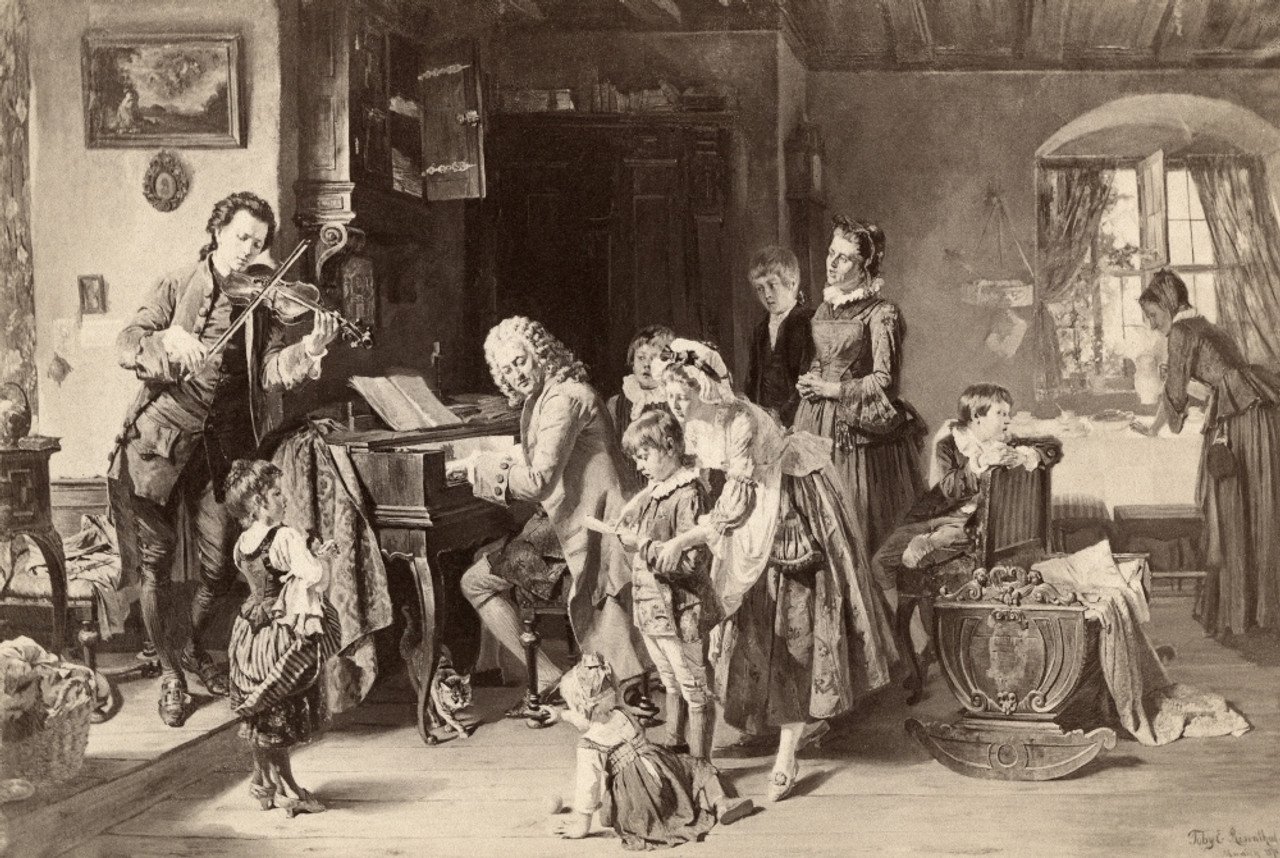
Concerto in D Minor, Adagio, BWV 974
Arranged by Bach of Alessandro Marcello’s Oboe Concerto in D Minor. One of his most popular pieces. This is a tender, poignant, sensitive, and expressive piece usually played on piano and cello.
Played by Khatia Buniatishuii.
Toccata and Fugue in D Minor, BWV 565
Majestic, sublime, dynamic, virtuosic, awe inspiring as well as spine tingling and slightly terrifying. The most famous organ piece in classical music, its memorable opening toccata is dramatic, with virtuosic flourishes. Its emotive authority and rhythmic drive have made it iconic, often associated today with dramatic themes in popular culture and movie scores.
Played by Hannes Kastner.
Air, Orchestral Suite No 3, second movement, D-major, BWV 1068
Known as “Air on the G String” is Bach’s best known and most well-loved works which has endured through the ages. This lyrical orchestral piece glides with serene beauty, flowing melodic lines, and gentle string orchestration. Its simplicity, tranquility, gracefulness, and emotional warmth make it a favorite for all audiences.
Played by Voice of Music
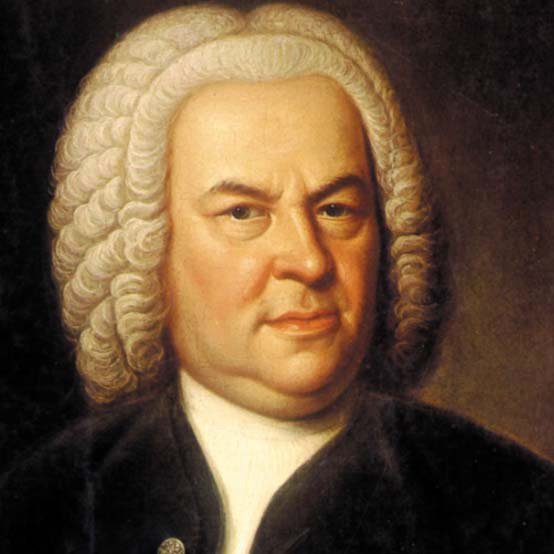
Violin Concerto No. 2, E-major, BWV 1042
An elegant, grand, and exuberant concerto in three movements composed in 1723. It is based on the Venetian concerto model highlighting Bach’s unique lyricism and virtuosity. The slow adagio second movement features a repeated bass theme supporting a violin melody. The finale is a spirited rondo with dance rhythms.
Played by Hilary Hahn
Concerto for Two Violins, D-minor, BWV 1043
One of the Bach’s late Baroque’s masterpieces composed in 1730 is one of his best and most well-known works. Also called the Double Concerto, it is a masterclass in the duet form, it is thrilling and energetic. Famous for its expressive interplay between the two solo violins, joyous melody, fugal imitation, and rich counterpoint. In the slow movement the violins intertwine like a vocal duet, creating an intimate and sensual dialogue.
Played by the Netherlands Bach Society
Arioso Cantata, Adagio, BWV 156
The Arioso from Cantata 156 composed in 1727 is a slow, soulful, and mellow movement, often played with oboe and string orchestra. Its gently sighing melody with serene beauty and exquisite tonal colors is frequently performed at solemn occasions.
Oboe solo played by Mark Shachman
References
Classic E
Classical Beat
Classical Music
Cmuse
Gramaphone
WFMT