On July 4, 2026 the United States of America celebrates its 250 years old birthday.
The United States of America has been a beacon of hope, justice, truth, and liberty for humanity since the signing of the Declaration of Independence in 1776 in Philadelphia. Thirteen ill-equiped American colonies declared their independence which launched a war against the most powerful military force in the world. After a bloody Revolutionary War the United States emerged victorious. The new nation was weak from war and had a fragile agrarian economy with little manufacturing, no funding, no central government, no credit, no financial system, and fraught with enemies without and within. A small handful of farmers, merchants, and professionals pressed on and built the U.S. as the greatest nation in the history of the world.
The values, dreams, struggles, and perseverance of the American people is one of the greatest stories ever told. Below is a compilation of the best books that tell this story.
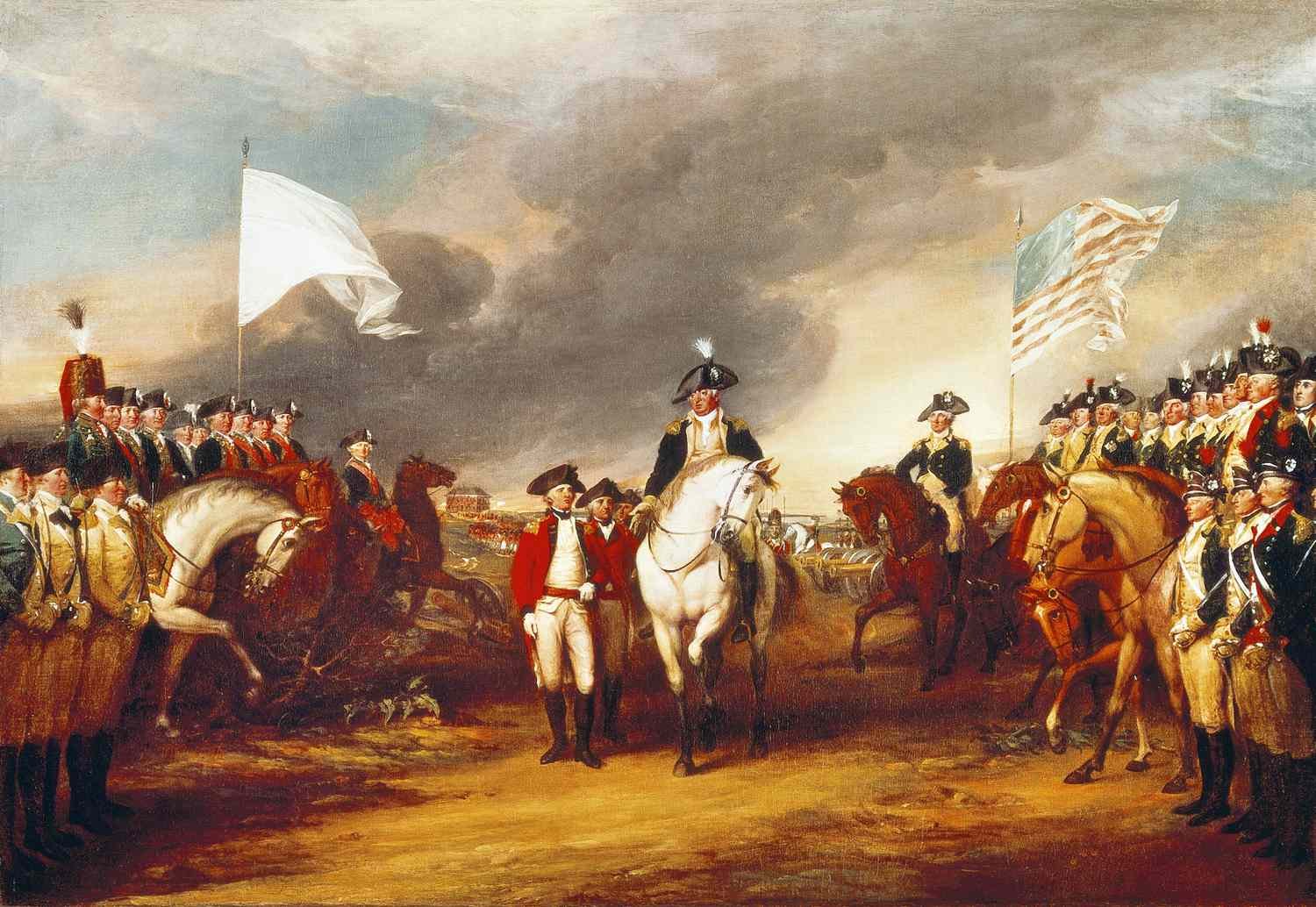
The Higher Purpose
The United States is the only nation in the history of the world based on the sanctity of individual life and liberty.
This concept was fundamental to the Framers of the Declaration of Independence, the U.S. Constitution, the Bill of Rights, The Federalist Papers, and other documents (see list at end). With these principles, our Founders struggled to achieve the ‘American System’ of industrial and technological progress, promotion of the general welfare, a higher standard of living for all, and a culture of liberty and creativity – which became the predominant economic model in the world, adopted by many other nations.
The Preamble to the Declaration of Independence: “We hold these truths to be self-evident, that all men are created equal, that they are endowed by their Creator with certain unalienable Rights, that among these are Life, Liberty and the pursuit of Happiness. That to secure these rights, Governments are instituted among Men, deriving their just powers from the consent of the governed.”
The Preamble of the U.S. Constitution: “We the People of the United States, in Order to form a more perfect Union, establish Justice, insure domestic Tranquility, provide for the common defence, promote the general Welfare, and secure the Blessings of Liberty to ourselves and our Posterity, do ordain and establish this Constitution for the United States of America.”
The U.S. Bill of Rights: That there be prefixed to the Constitution a declaration, that all power is originally vested in, and consequently derived from, the people. That Government is instituted and ought to be exercised for the benefit of the people; which consists in the enjoyment of life and liberty, with the right of acquiring and using property, and generally of pursuing and obtaining happiness and safety.
That the people have an indubitable, unalienable, and indefeasible right to reform or change their Government, whenever it be found adverse or inadequate to the purposes of its institution.”
This political notion of the sanctity of the individual and the creative power of the human mind is fundamentally based on the Judeo-Christian concept of Imago Dei – that humans are “made in the image of God” and are endowed with the Divine spark of Reason. “So God created man in his own image, in the image of God; male and female.” Genesis 1:27, KJV
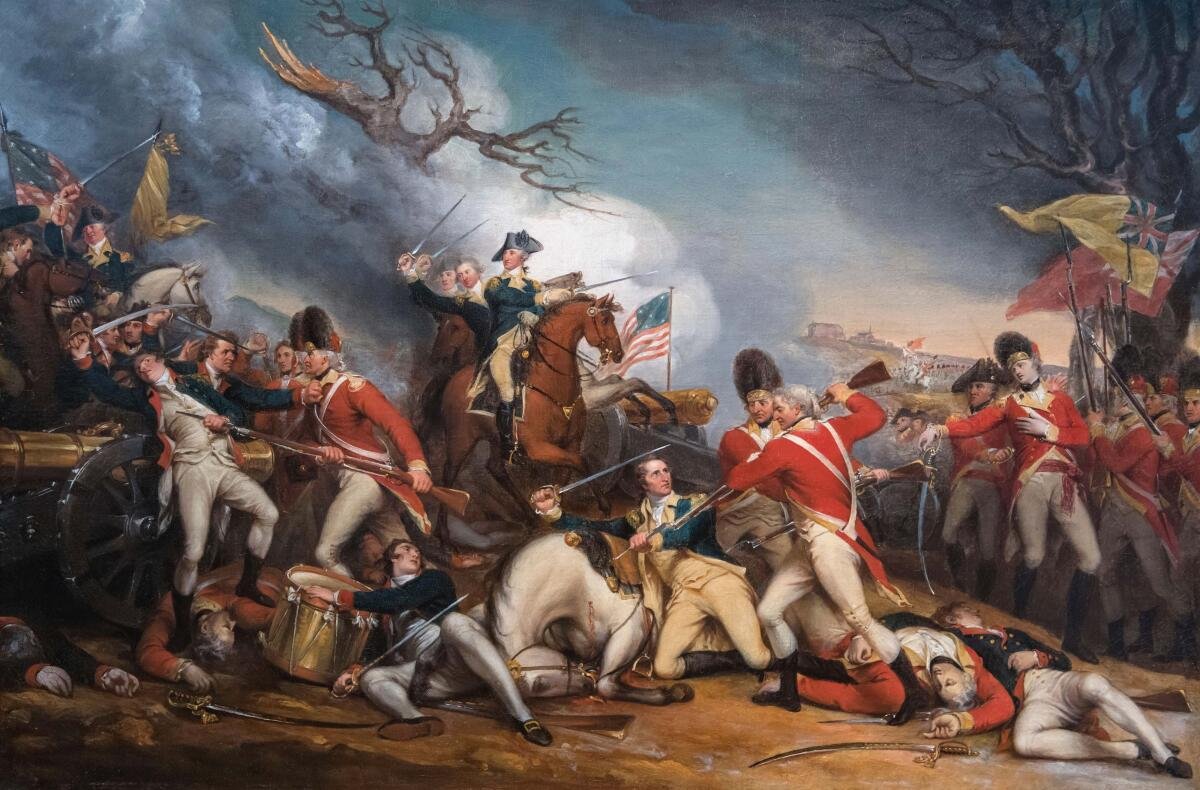
Winning the Revolution
Thirteen ill equipped, untrained, and underfunded colonies declared independence and fought a brutal revolution from 1755 to 1783 against the most powerful empire and military force on the planet. The American Revolution was led by the “Secret Committee” of Benjamin Franklin, George Washington, Robert Morris, and others. The American Continental Army was commanded by General George Washington, along with his most trusted military officers Alexander Hamilton and the Marquis de Lafayette.
The Continental Army led by Washington forced the British out of Boston. But then the British captured New York and Charleston. The war was a bloody life and death struggle for many years and fought on many fronts. The British military included British Army and Navy, American and Canadian loyalists, German and Swiss mercenaries, and many North American Indian tribes.
When Benjamin Franklin, John Adams, and Thomas Jefferson secured financial and military aid from France, Spain, the Dutch Republic, Austria, and Russia, a new military strategy was developed. An invasion of Britain was devised by Franklin, Washington, Lafayette, Hamilton, Robert Morris, and Irish revolutionary Mathew Carey. The plan was to trigger an Irish revolt which would draw troops out of Britain. Then launch an invasion of Britain by France and Spain. (source: Journal of the American Revolution).
The British Earl of Shelburne upon hearing of the invasion plan took control over the British government and sued for peace negotiations. Shelburne thought a war and maintaining a British North American military was too costly and that Britain’s long-term interests were better served by accepting American independence.
The joint American-French-Spanish victory at Yorktown forced the British to surrender in 1781. Lord Shelburne negotiated peace in 1782 and signed a treaty in 1783 with America, France, Spain, and the Dutch Republic.
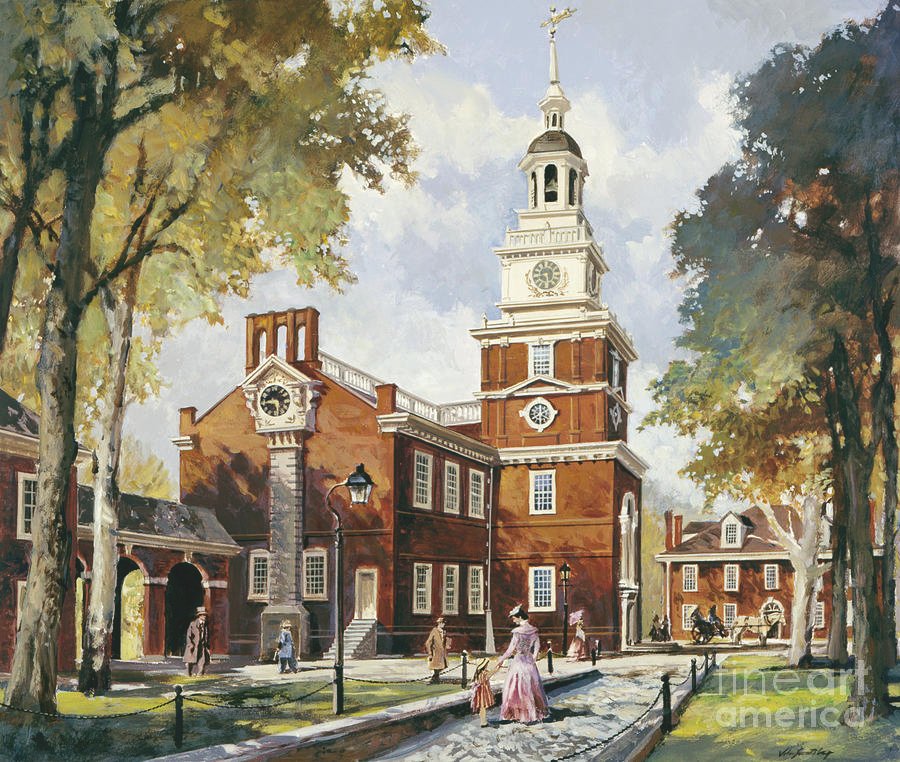
Independence Hall, U.S First Capital, Philadelphia
Fledgling New Nation in Crisis
After the Treaty of Paris in 1783 that ended the American Revolution, the new nation had been ravaged by war and was weak, bankrupt, and vulnerable to foreign powers. Under the Articles of Confederation drafted in 1781, the country was divided by 13 competing states, each independent and sovereign. The central government was weak with a large war debt, had no monetary nor credit system, no central military, and had no power to regulate, tax, duty, or tariff. The nation also had no credit with foreign bankers. America was an agrarian economy with little industry, leaving it exposed to the British using the cover of ‘free trade’ to dump cheap goods that hurt young American industries.
The fledgling nation was also fraught with enemies both on its borders and agents within. Britain hoped to win back its American colonies, and Spain and France both posed a potential threat. Loyalist factions tied to Britain and foreign agents attempted to take New England and the West out of the Union.
To protect the U.S., Benjamin Franklin, George Washington, James Madison, Alexander Hamilton, John Jay, and others, organized to establish a constitutional republic in 1789 and thus the United States of America was born. Franklin, Washington, Hamilton, Robert Morris, Tenche Coxe, and others developed an economic plan to make the USA strong, secure, and prosperous.
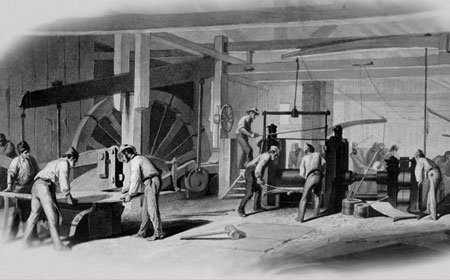
The American System of Economics
Benjamin Franklin, Alexander Hamilton, George Washington, John Adams, Tenche Coxe, Robert Morris, Gouverneur Morris, Matthew Carey, and others created the groundwork that made the U.S. the greatest industrial economy with the highest standard of living in history. The economic model located the primary driver for economic development in the creative power of the human mind – what they called the “productive power of labor”; that along with technology, produces a surplus/profit to improve the general welfare, happiness, security, and prosperity of the population. This profound world changing concept, simply put, is that economic growth is derived, not only from capital investment into technology – but from investment into the population’s quality of life, education, and culture to generate creative innovation. The human mind is the fundamental source of economic wealth – Art Creates Science.
Therefore, the key to economic development comes from individuals and the role of government is to foster individuals’ development. This is radically opposed to the governing policies of empires, imperial colonialism, aristocracies, communism, fascism, and dictatorships.
The American System of Economics policies included:
- Investment in science, technology, and manufacturing.
- Investment in social services, education, arts, and culture.
- Investment in infrastructure and internal improvements: roads, bridges, ports, canals, dams, etc.
- Raising the standard of living, quality of life, public health, and safety.
- End the slave trade and the institution of slavery.
- Protecting American industry with selective protective import tariffs.
- Alliance between industry, agriculture, and labor for economic development, technology, education, and higher paid skilled jobs.
- National financial system, public credit, banking, and capital exchanges to promote industry, science, technology, commerce, and trade.
- Relations with foreign nations for peace and opening markets for trade.
American System of Economics leading proponents:
Benjamin Franklin, George Washington, Alexander Hamilton, John Adams, Robert Morris, John Jay, John Marshall, Gouverneur Morris, Tench Coxe, Matthew Carey, Thomas Pinckney, Charles Pinkney, Rufus King, Fisher Ames, DeWitt Clinton, Timothy Pickering, Edward Rutledge, Noah Webster, Daniel Raymond, Friedrich List, John Quincy Adams, Henry Clay, Daniel Webster, Henry C. Carey, William D. Kelly, William Elder, Stephen Colwell, and others.
Books on American Revolutionary War
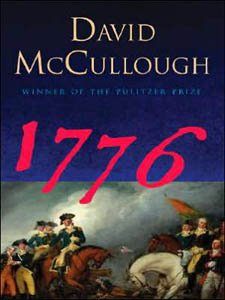
- “1776, David McCullough”, Simon & Schuster, NY, 2005.
- “The Glorious Cause: The American Revolution, 1763-1789”, Robert Middelkauff, Oxford Press, UK, 1982.
- “The Cause: The American Revolution and Its Discontents, 1773-1783”, Joseph J. Eliis, Liverlight, NY, 2021.
- “The British are Coming: The War for America, Lexington to Princeton, 1775-1777”, Volume 1 of 3, Rick Atkinson, Holt, NY, 2019. NY Times Bestseller.
- “The Fate of the Day: The War for America, Fort Ticonderoga to Charleston, 1777-1780”, Volume 2 of 3, Rick Atkinson, Crown, NY, 2025.
Books on Building the American Nation
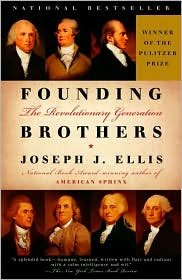
- “Founding Brothers: The Revolutionary Generation”, Joseph J. Ellis, Knopf, NY, 2000. Pulitzer Prize
- “The Patriots: Alexander Hamilton, Thomas Jefferson, John Adams, and the Making of America”, Winston Groom, 2020.
- “Miracle at Philadelphia: The Story of the Constitutional Convention, 1787”, Catherine Drinker Bowen, Little Brown, NY, 1966,
- “American Creation: Triumphs and Tragedies at the Founding of the Republic”, Joseph J. Ellis, Knopf, NY, 2007.
- “The Duel: Alexander Hamilton, Aaron Burr and the Future of America”, Thomas Fleming, Basic, NY, 2000.
- “Willam Cooper’s Town: Power and Persuasion on the Frontier of the Early American Republic”, Alan Taylor, Vintage, NY, 1996. Pulitzer Prize
- “The Louisiana Purchase”, Thomas Fleming, J. Wiley, Hoboken, NJ, 2003.
- “1812: The War That Forged a Nation”, Walter R. Borneman, Harper, NY, 2002.
Books on The American System of Economics
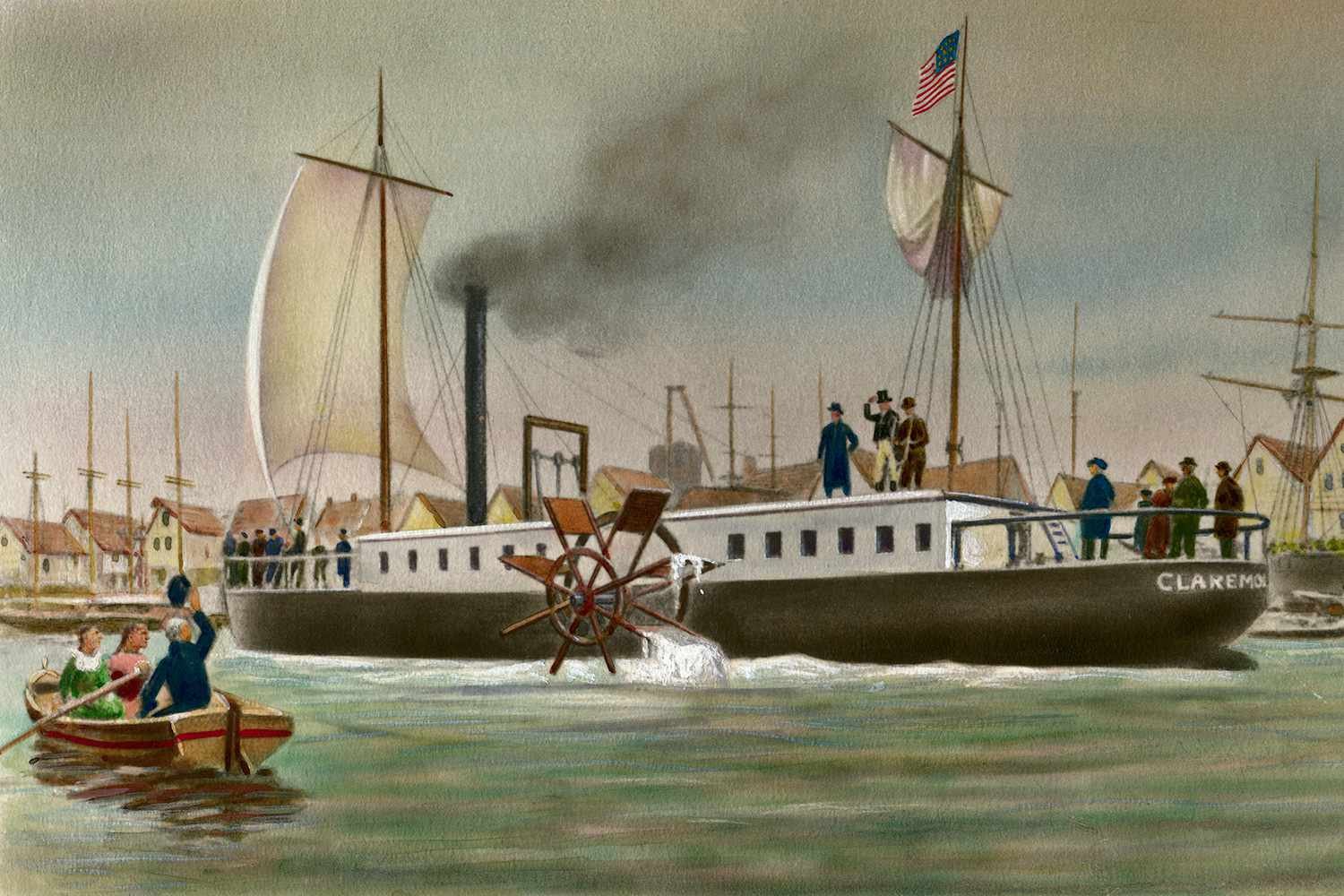
- “An enquiry into the principles on which a commercial system for the United States of America Should be Framed”, Constitutional Convention, Benjamin Franklin, Tenche Coxe, 1787.
- “Report on Public Credit”, U.S. Treasury, Alexander Hamilton, Tenche Coxe, 1790.
- “Report on a National Bank”, U.S. Treasury, Alexander Hamilton, Tenche Coxe, 1790.
- “Report on Manufactures”, U.S. Treasury, Alexander Hamilton, Tenche Coxe, 1791.
- “Essays on Political Economy”, Matthew Carey, 1824.
- “The Elements of Political Economy,” Daniel Raymond, 1823.
- “The National System of Political Economy”, Friedrich List, 1837.
- “The Principles of Political Economy” Henry C. Carey, 1837-40 (3 volumes).
Books on Benjamin Franklin
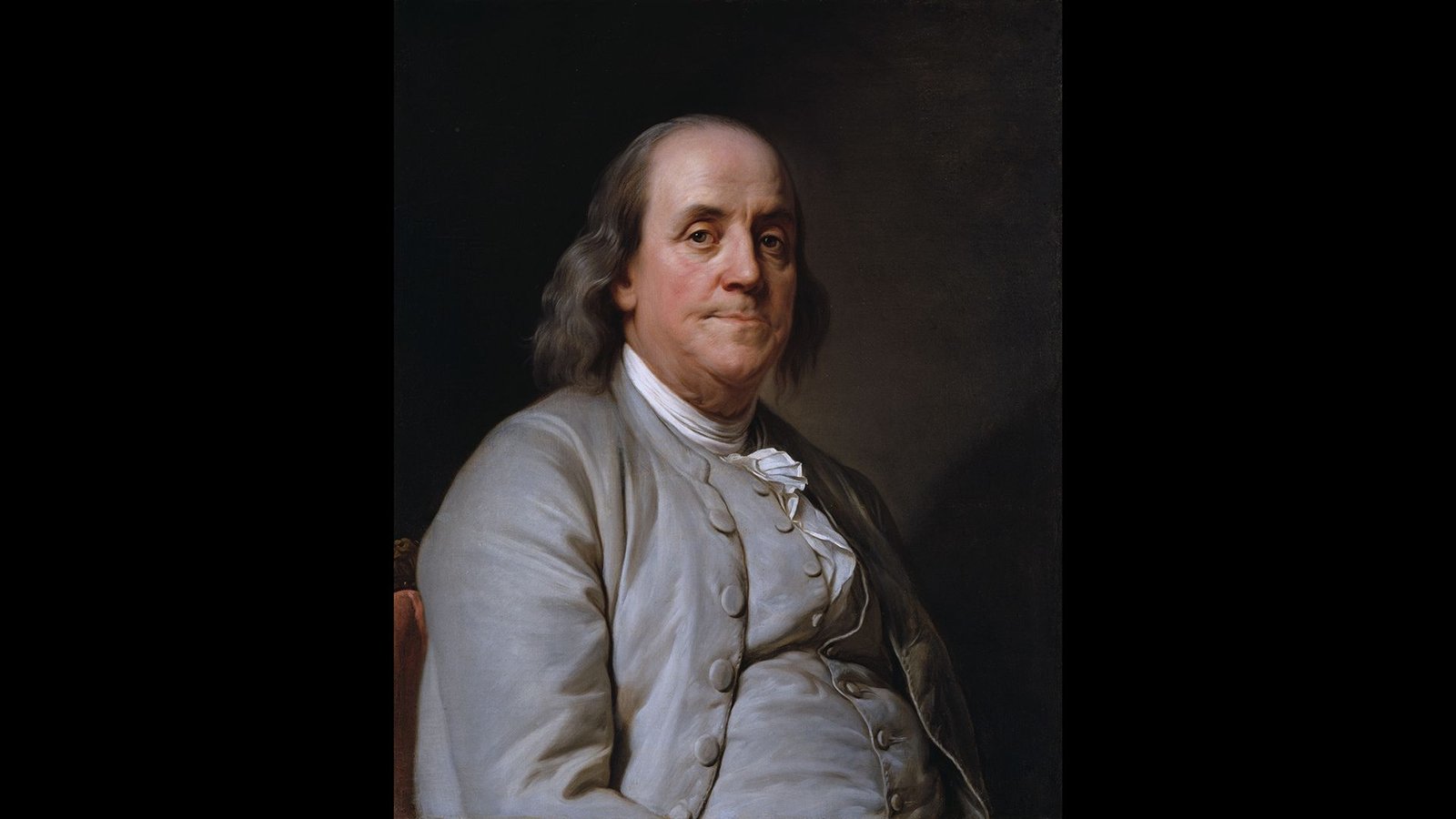
Benjamin Franklin (1705-1790) was a self made billionaire, publisher, writer, artist, musician, scientist, inventor, diplomat, urban planner, Postmaster General, and Governor of Pennsylvania. He was the ‘Father of the American Revolution’ and mentored the leading Founders of the Revolution and the new Republic. Franklin led the Secret Committee of the Continental Congress that ran the war. He procured foreign finance and military aid from France and Spain and negotiated the Paris Peace Treaty with Great Britain. Franklin supervised the writing of the Declaration of Independence and the U.S. Constitution. He further devised the economic plan that built the U.S. economy and launched a campaign to end slavery.
Books on Franklin
- “Benjamin Franklin”, Carl Van Doren, Viking, NY, 1938, Pulitzer Prize
- “Benjamin Franklin: An American Life”, Walter Isaacson, Simon & Schuster, NY, 2003. NY Times Bestseller
- “The First American: The Life and Times of Benjamin Franklin”, H.W. Brands, Anchor, NY, 2002. Pulitzer Prize
- “The Greatest American: Benjamin Franklin”, Mark Skousen, Republic, NY, 2025.
George Washington
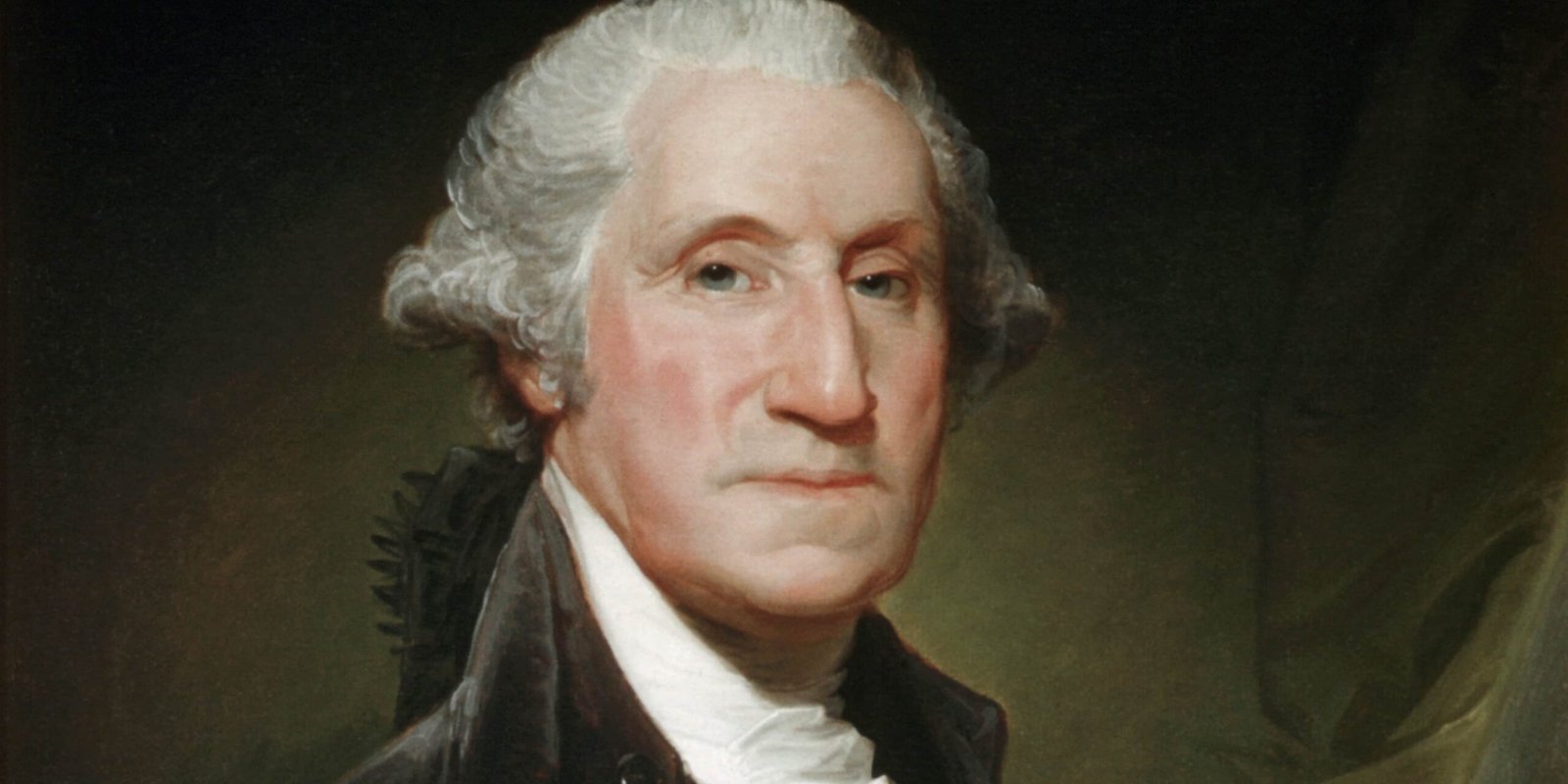
George Washington (1732-1799) was the first President of the U.S. 1789-1797 and was the Commanding General of the Continental Army 1775-1783, which forced the British surrender in 1781. Washington was a member of the “Secret Committee” that ran the American Revolution. Washington was president of the Constitutional Convention of 1787 which drafted the U.S. Constitution. The Franklin-Washington-Hamilton economic program built the U.S. economy, financial system, industrial development, assumed war debts, set up trade, tariffs, customs, patents, Navy, Coast Guard, U.S. Mint, and U.S. Bank. As president he shaped the federal government, fostered economic and financial development and industrialization, expanded growth of the west, implemented domestic infrastructure improvements, and maintained peace and trade with European powers.
Books on Washington
- “Washington: A Life”, Ron Chernow, Penguin, NY, 2010. Pulitzer Prize; NY Times Bestseller
- “His Excellency George Washington”, Joseph J. Ellis, Knopf, NY, 2004. NY Times Bestseller
- “Washington: The Indispensable Man”, James Thomas Flexner, Lille Brown, NY, 1974. Pulitzer Prize; National Book Award
John Adams
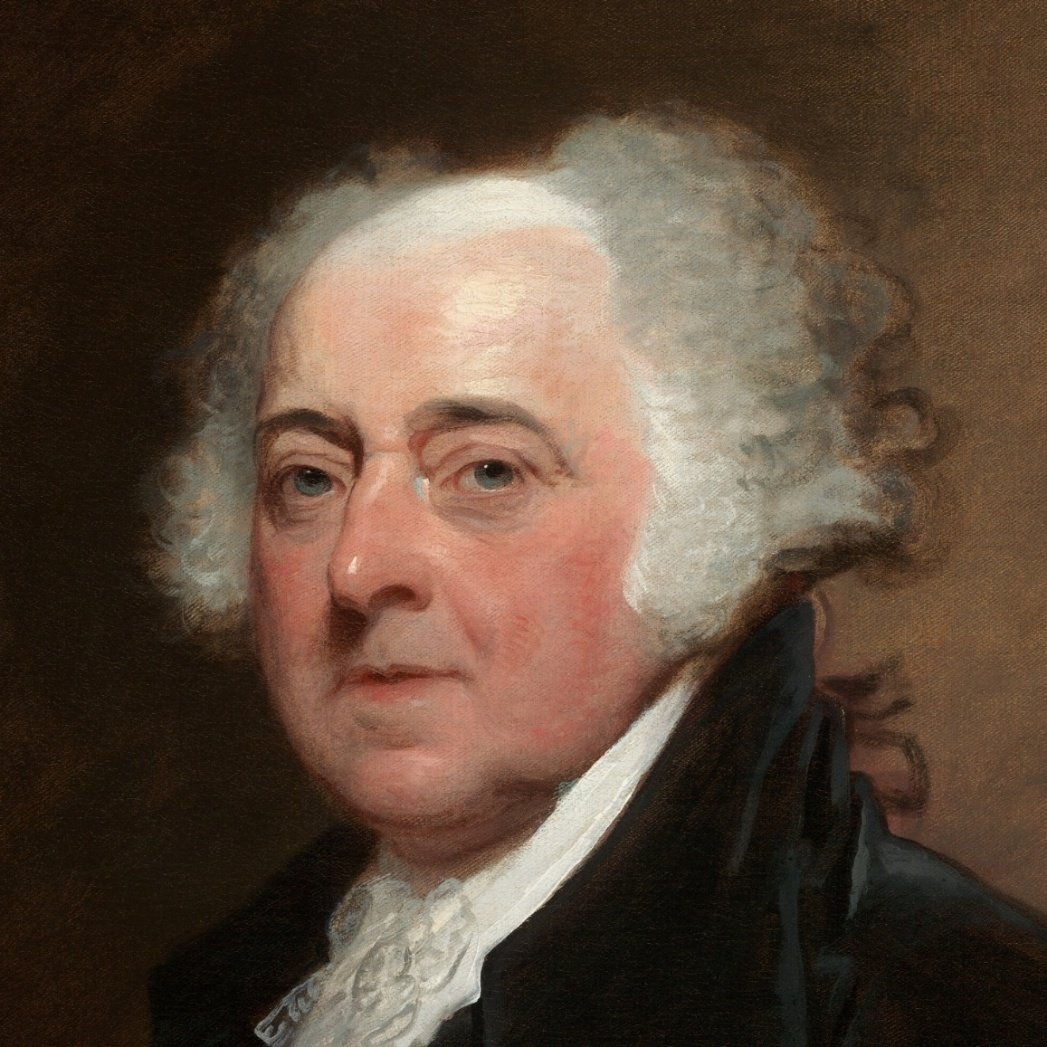
John Adams (1735-1826) was a leader of the American Revolution, the first U.S. Vice President, and the second U.S. President 1799-1801. He was in the Continental Congress, a signer of the Declaration of Independence, and secured European financing. He helped negotiate the peace treaty with Britain. Ambassador to Great Britain and The Netherlands. His authorship of the Massachusetts Constitution was a model for the U.S. Constitution. As president he dealt with the undeclared naval Quasi -War with France and is called the father of the U.S. Navy.
Books on Adams
- “John Adams”, David McCullough, Simon & Schuster, NY, 2001. Pulitzer Prize
- “Passionate Sage: The Character and Legacy of John Adams”, Joseph L. Ellis, Norton, NY, 1993.
- “John Adams: A Life”, John Ferling, Univ. of Tenn., 1992.
Thomas Jefferson
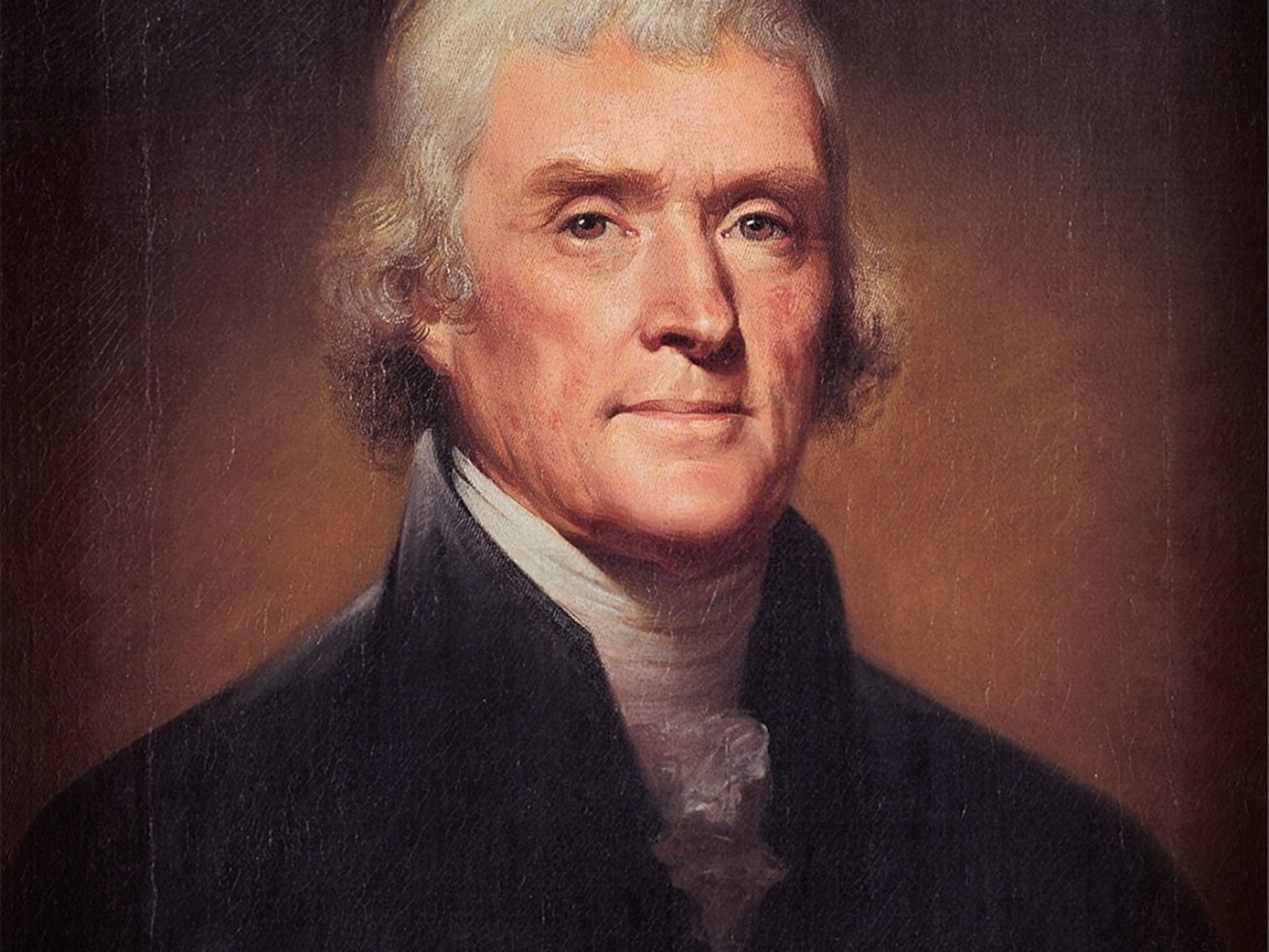
Thomas Jefferson (1743-1826) statesman, diplomat, scientist, and philosopher. Jefferson was a delegate in the Continental Congress and was the primary author of the Declaration of Independence. He then was a U.S. Ambassador with Benjamin Franklin and John Adams securing finance from European powers. Jefferson was Governor of Virginia, Secretary of State under Washington, and Vice President under Adams. As President of the U.S. (1801 -1805) he greatly expanded the U.S. with the Louisiana Purchase and launched the Lewis and Clark Expedition of the west. He maintained neutrality between Britain and France, moved against the international slave trade and the Barbary pirates.
Books on Jefferson
- “American Sphinx: The Character of Thomas Jefferson”, Joseph J. Ellis, Vinatge, NY, 1996. National Book Award.
- “Thomas Jefferson: The Art of Power,” Jon Meachum, Random House, NY, 2022, Pulitzer Prize, NY Times Bestseller.
Alexander Hamilton
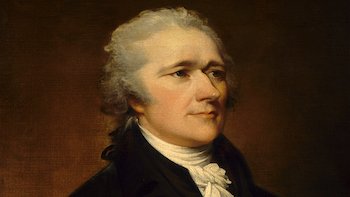
Alexander Hamilton (1755-1804) began as a senior officer of the Continental Army as aide-de-camp to General George Washington and lead the Battle of Yorktown leading to the British surrender. Hamilton, Benjamin Franklin, and George Washington developed the U.S. economy, financial-credit-banking system, and American industrial development. He was a leader in the writing the U.S. Constitution and wrote The Federalist Papers with James Madison and John Jay. Hamilton was the Secretary of Treasury under Washington and developed U.S. credit and banking, U.S. Bank, U.S. Mint assuming war debt, tariffs, customs, patents, West Point Academy, Coast Guard, Wall Street, and U.S. manufacturing. He co-authored Washington’s Farewell Address and helped to gain peace with Britain. Hamilton was a leader in the fight to abolish slavery.
Books on Hamilton
- “Alexander Hamilton”, Ron Chernow, Penguin, NY, 2004. National Book Critics’ Circle Award, NY Times Bestseller.
- “Alexander Hamilton, American”, Richard Brookhiser, Simon & Schuster, NY, 1999.
- “Alexander Hamilton: A Biography”, Forest McDonald, W.W. Norton, NY, 1982.
James Madison
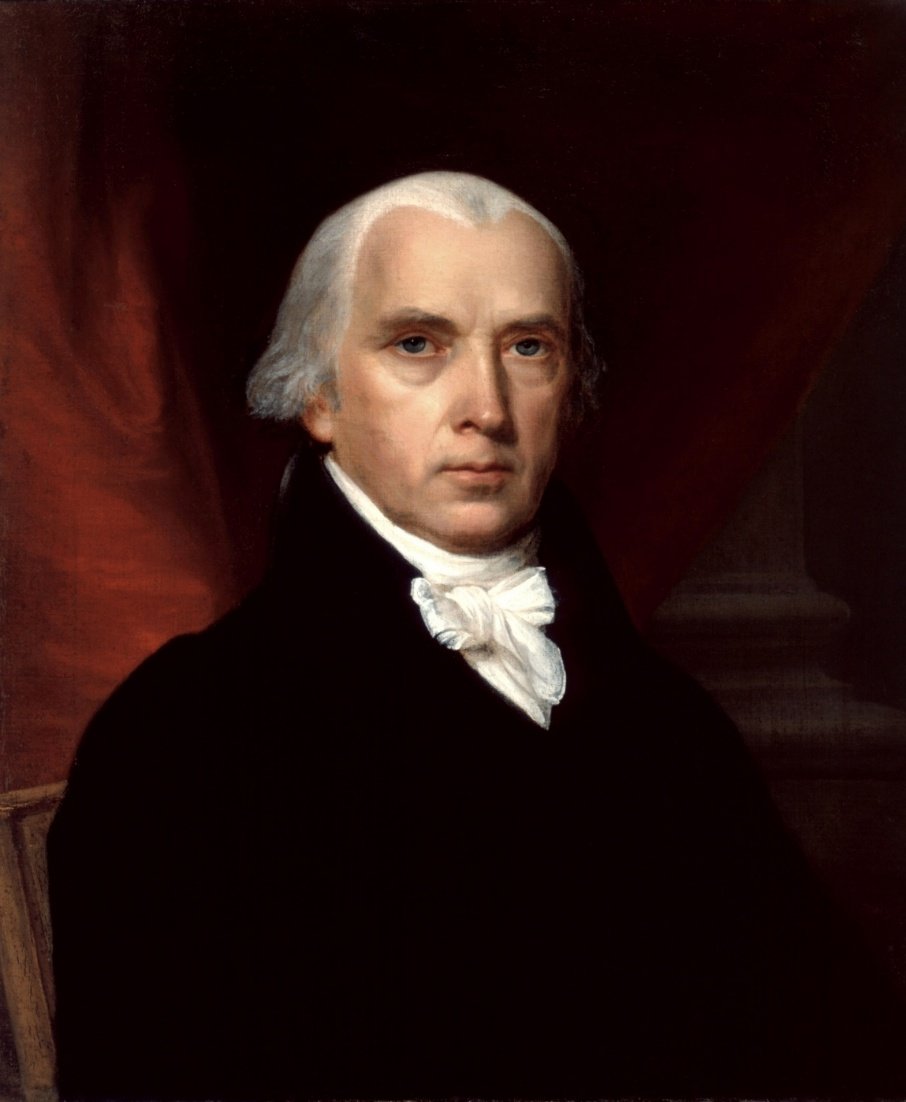
James Madison (1750-1836) was the Father of the U.S. Constitution and Bill of Rights. He was the fourth U.S. President 1809-1817. He had a long career in the Continental Congress, the Confederation Congress, Constitutional Convention, and the U.S. House of Representatives. He co-wrote the Federalist Papers, was a close advisor to President Washington, and served as Secretary of State under Jefferson. As president the U.S. got involved with the War of 1812 with Britain. After the war he built up the military and grew the national economy with tariffs, improvements, the Second National Bank, and industrial development.
Books on Madison
- “James Madison: A Life Reconsidered”, Lynne Cheney, Viking, NY, 2014. NY Times Bestseller
- “James Madison: A Biography”, Ralph Ketcham, Univ. of Virginia, 1990.
John Jay
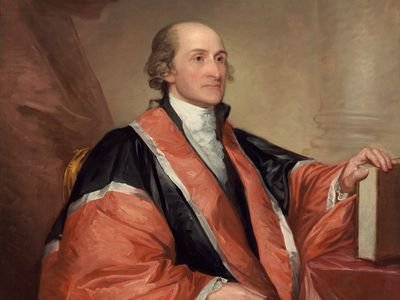
John Jay (1745-1829) was the First Chief Justice of the Supreme Court. He directed foreign policy in the 1780s, was involved with the Paris Peace Treaty with Great Britain, and later a trade deal with Britain. Jay was a contributor to the U.S. Constitution, Governor of New York, co-author of The Federalist Papers with Hamilton and Madison, and served as Secretary of State under Washington.
Books on Jay
“John Jay: Founding Father”, Walter Stahr, Simon & Schuster, NY, 2005.
Robert Morris
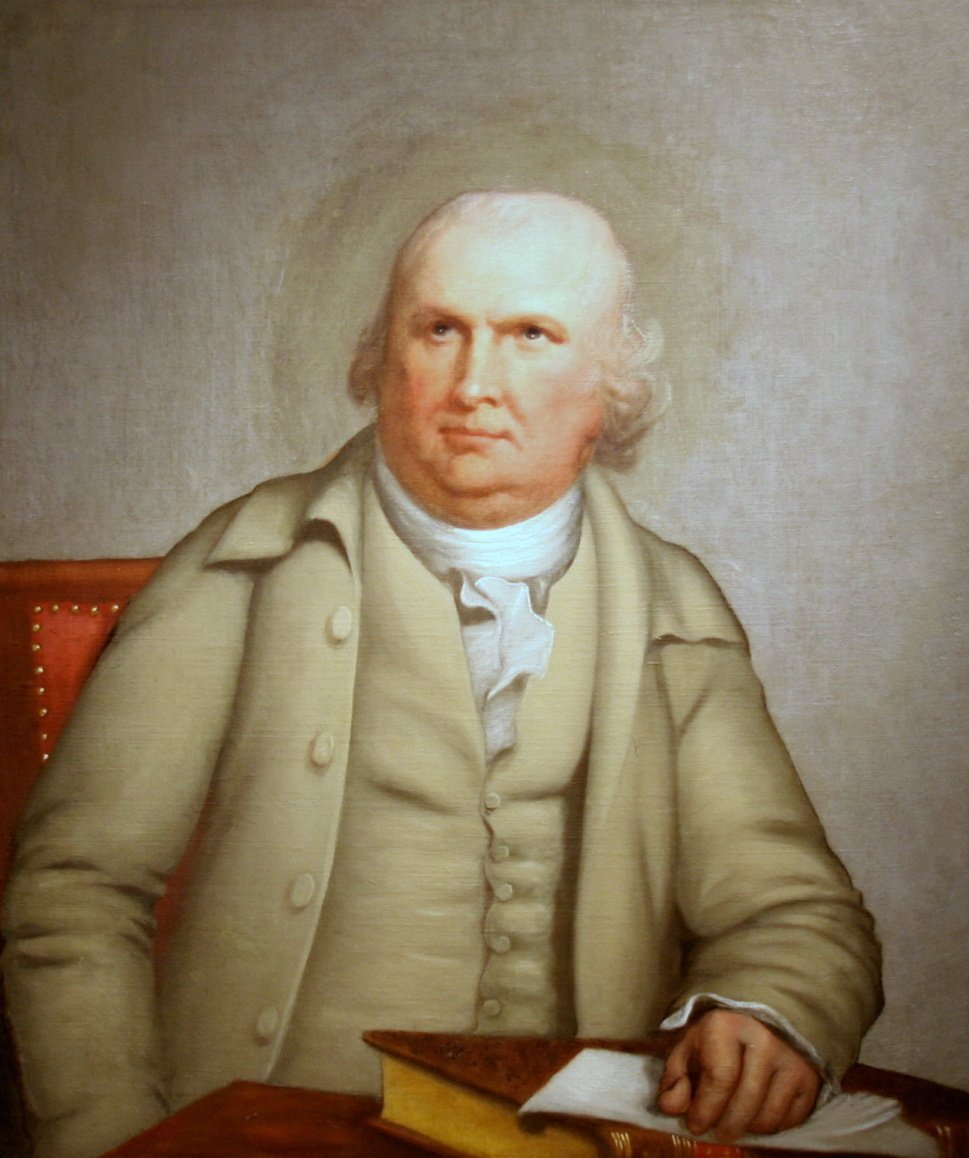
Robert Morris (1734-1816) the wealthy financier of the American Revolution and a member of Franklin’s Secret Committee that ran the Revolutionary War. He was a delegate of the Continental Congress, the Constitutional Convention, and was a signer of The Declaration of Independence, Articles of Confederation, and the Constitution. He helped develop the U.S. financial system, was the U.S. Superintendent of Finance, Secretary of the Navy, and a U.S. Senator. Morris was active in the development of the western territories.
Book on Morris.
“Robert Morris: Financier of the Revolution”, Charles Rappleye, Simon & Schuster, NY, 2010.
James Monroe
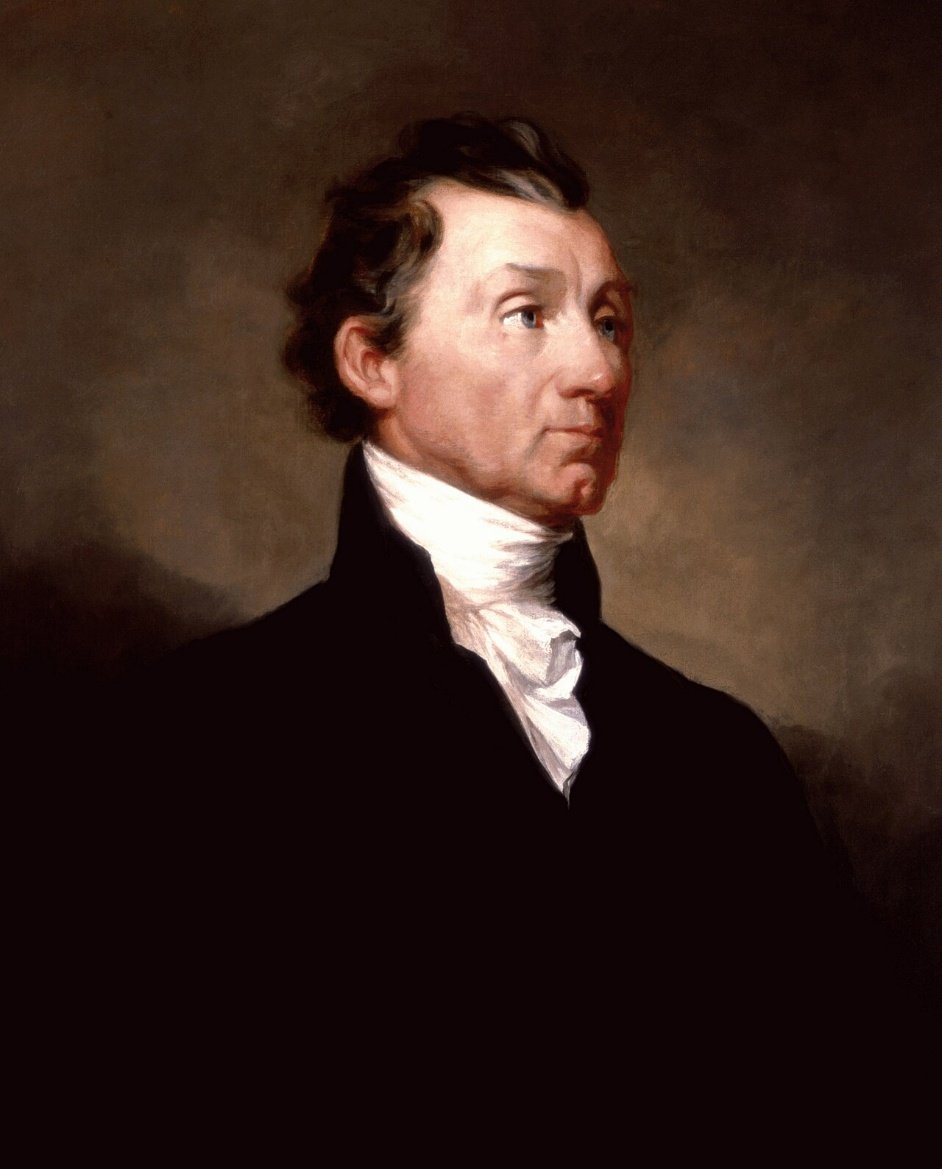
James Monroe (1758-1831) was the last Founding Father to be U.S. President 1817-1825. Monroe served in the Confederation Congress, U.S. Senate, Ambassador to Britain and France, Governor of Virginia, and Secretary of State under Madison. He negotiated the Louisiana Purchase. During his presidency the U.S. had the non-partisan ‘Era of Good Feeling’, growing nationalism, western expansion, and economic growth. He is known for the “Monroe Doctrine.
Books on Monroe:
- “The Last Founding Father: James Monroe and a Nation’s Call to Greatness”. Harlow G. Unger, DaCapo, NY, 2009.
- “James Monroe: The Quest for National Identity”, Harry Ammon, McGraw-Hill, NY, 1971.
Mathew Carey
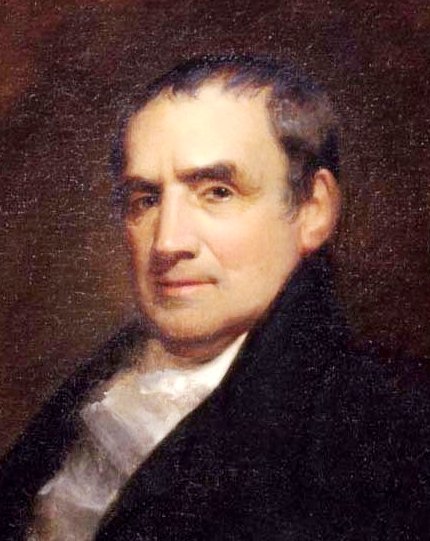
Matthew Carey (1760-1839) an Irish economist and revolutionary who had to escape to the U.S. He was mentored and financially backed by Benjamin Franklin and the Marquis de Lafayette. Carey became one of largest book publishers in the U.S. with the works of famous American and British authors. He was a member of Frankin’s Secret Committee. Carey became a prominent Hamiltonian economist and mentored the American second generation of Whig political leaders. His son Henry Carey became the leading American economist of the 19th and 20th Centuries.
Book on Carey
“Matthew Carey, Editor, Author, and Publisher”, Earl Lockridge Bradsher, Columbia Univ., NY, 1912.
Tenche Coxe
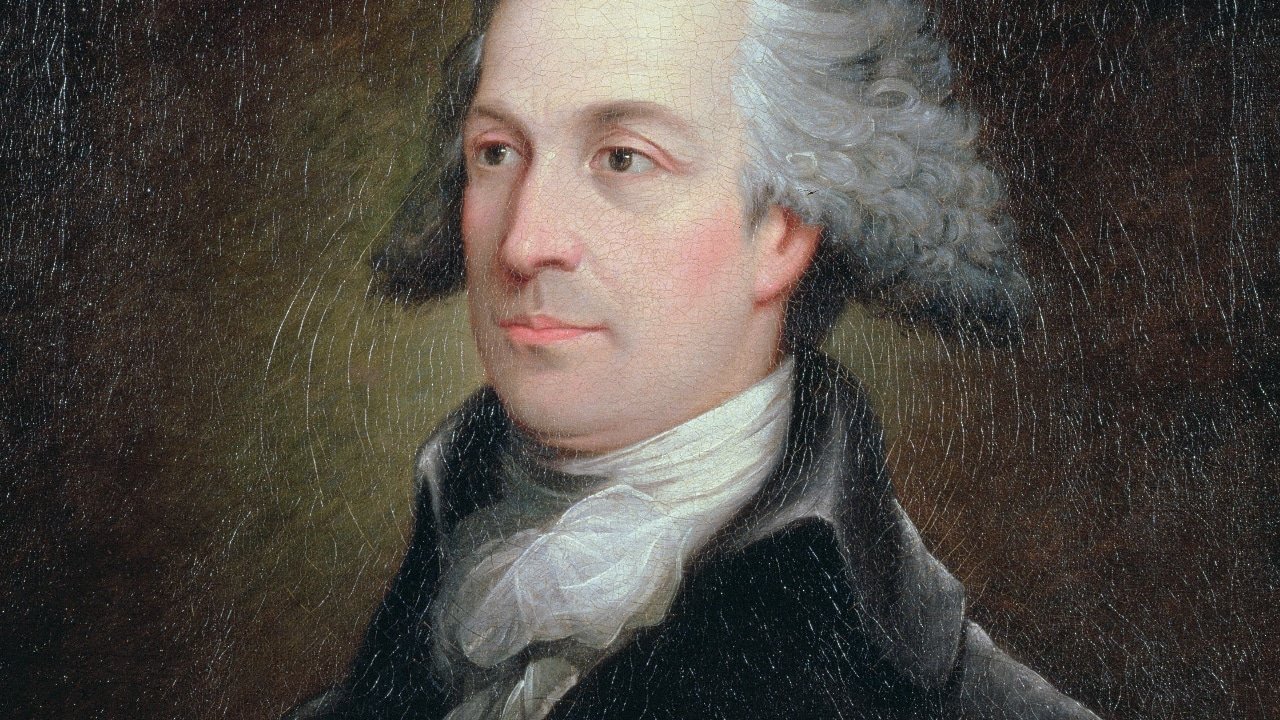
Tench Coxe (1755-1824) was a political economist who played a major role designing the economic and financial policies of the United States. A member of the
Continental Congress. He worked with Franklin, Madison, Jay, and Hamilton to write the U.S. Costitution. Coxe was the first Assistant Secretary of the Treasury under Hamilton and co-wrote the Treasury Reports on Manufacture, Public Credit, and National Bank. He promoted industrialization, protective tariffs, banking, customs, U.S. Navy and Coast Guard, patents, western expansion, internal improvements, and the Southern cotton industry. He became the Revenue Commissioner and the Purveyer of Public Supplies.
Book on Coxe
“Tench Cox and the Early Republic”, Jacob Cooke, University of North Carolina, 1978.
Gouverneur Morris
Gouverneur Morris (1752-1816) wrote the U.S. Constitution and its Preamble as a member of the Constitutional Convention. He signed both the Articles of Confederation and U.S. Constitution. He was the U.S. Superintendent of Finance, Ambassador to France, U.S. Senator, and Chairman of the Erie Canal Commission. He gave the funeral eulolgy of his friend Alexander Hamilton.
Book on Morris
“An Incautious Man: The Life of Gouverneur Morris”, Melanie Randolh Miller, ISI Books, 2088.
James Wilson
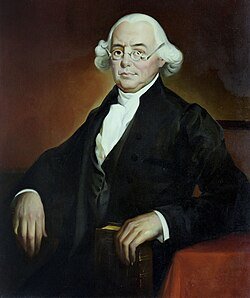
James Wilson (1742-1798) was a leading figure in the drafting of the Declaration of Independence and the U.S. Constitution. He was the principle architect of the U.S. Executive Branch. He was a brigadier general in the American Revolution and was a justice the first U.S. Supreme Court. He taught the Constitution to President George Washington’s cabinet.
Book on Wilson
“The Life and Career of Justice James Wilson”, Randy E. Barrett, Georgetown, 2019.
Robert R. Livingston
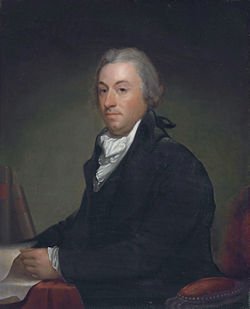
Robert R. Livingston (1746-1813) was a member of the Continental Congress Committee of Five that wrote the Declaration of Independence and was a signer of the Declaration and the Articles of Confederation. He was the first U.S. Secretary of Foreign Affairs (State) and an Ambassador to France where he negotiated the Louisiana Purchase with James Monroe. He administrated the oath of office to President George Washington in 1789.
Books on Livingston
- “An American Aristocracy: The Livingstons”, Clare Bennett, Doubleday, 1986.”
- “Negotiator of the Louisiana Purchase: Robert Livngston’s Mission to France”, Frank W. Beechum, McFarland, 2006.”
Founding Documents and Writings of the United States
Articles of Association, Continental Congress, 1774
George Washington, John Adams, Patrick Henry, John Jay, Samuel Admas, Richard Henry Lee, Roger Sherman, John Dickinson, Thomas Mifflin, Benjamin Harrison, Samuel Chase, others.
Committee of Secret Correspondence, Continental Congress, Benjamin Franklin, Benjamin Harrison, Thomas Jefferson, John Jay, Robert Morris, John Dickinson, George Clymer, 1775-1776.
The Declaration of Independence, Continental Congress, 1776,
Committee of Five: Thomas Jefferson, Benjamin Franklin, John Adams, Robert R. Livingston, Roger Sherman.
Other key people: John Hancock, James Wilson, Samuel Adams, Benjamin Rush, Benjamin Harrison, John Dickinson, Eldridge Gerry, James Wilson, George Wythe, Robert Morris, Oliver Wolcott, Samuel Chase, Edward Rutledge, George Clymer.
Common Sense, Thomas Paine, 1776.
The Crisis, Thomas Paine, 1776 to 1783.
Article of Confederation, Continental Congress, 1777.
Robert R. Livingston, John Hancock, Samuel Adams, Robert Morris, Gouverneur Morris, Roger Sherman, John Dickinson, Edward Rutledge, Eldridge Gerry, Richard Henry Lee, Oliver Wolcott, others.
Paris Peace Treaty, 1783, United States, Great Britain, France, Spain, Dutch Republic. U.S. representatives – Benjamin Franklin, John Adams, John Jay, Henry Laurens.
An enquiry into the principles on which a commercial system for the United States of America should be framed, Constitutional Convention, Benjamin Franklin, Tenche Coxe, 1787.
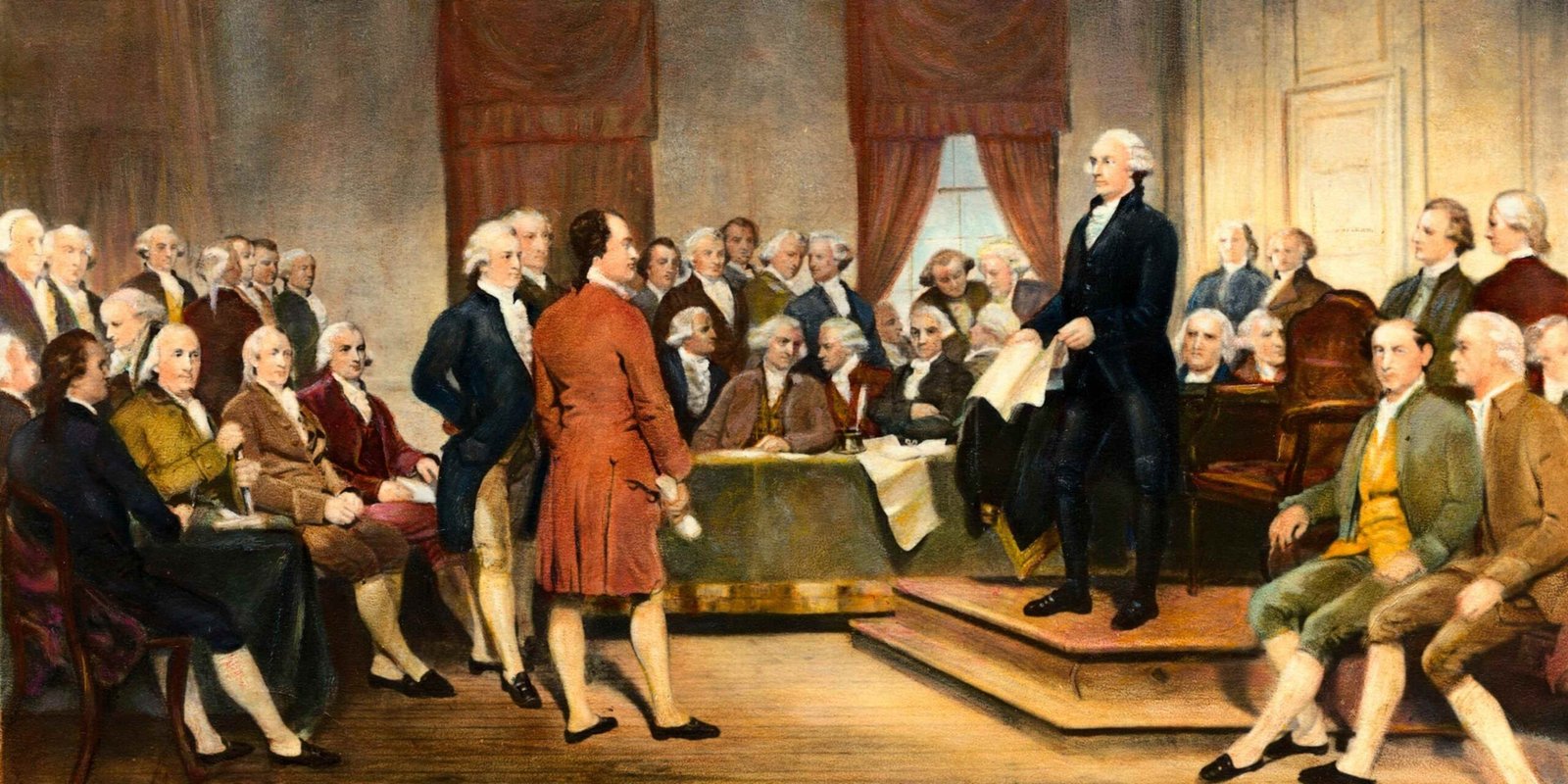
Constitution of the United States, Constitutional Convention, 1787.
Key people – Benjamin Franklin, George Washington, James Madison, Alexander Hamilton, Gouverneur Morris, Robert Morris, George Mason, James Wilson, Edmond Randolf, Roger Sherman, George Wythe, John Rutledge, Rufus King, James McHenry, Elbridge Gerry, John Dickinson, Nathaniel Gorham, Thomas Mifflin, Tenche Coxe, George Clymer.
The Federalist Papers, Alexander Hamilton, James Madison, John Jay, 1788.
Bill of Rights, James Madison, George Mason, 1789.
Report on Public Credit, U.S. Treasury, Alexander Hamilton, Tenche Coxe, 1790.
Report on a National Bank, U.S. Treasury, Alexander Hamilton, Tenche Coxe, 1790.
Report on Manufactures, U.S. Treasury, Alexander Hamilton, Tenche Coxe, 1791.
Jay Treaty, 1794, peaceful trade with Great Britain, John Jay, Alexander Hamilton.
George Washington’s Farewell Address, 1796, authors George Washington, Alexander Hamilton, James Madison.
Convention of 1800, peace with France, Oliver Ellsworth, William Richardson Davie, William Vans Murray
Louisiana Purchase, 1800, Robert R. Livingston, James Monroe.
Correspondence Between John Adams and Thomas Jefferson, 1812 to 1826.
Treaty of Ghent, 1815, peace with Great Britain ending War of 1812, John Quincy Adams, James Bayard, Henry Clay, Jonathan Russell, Albert Gallitan.
Monroe Doctrine, 1823, James Monroe, John Quincty Adams.
Key Positions
Presidents Under the Articles of Confederation, 1781-1798 – Samuel Huntington, Thomas McKean, John Hanson, Elias Boudinot, Thomas Mifflin, Richard Henry Lee, John Hancock, Nathaniel Gorham, Arthur St. Clair, Cyrus Griffen.
George Washington Administration, 1789-1797
President George Washington
Vice President John Adams
Secretary of State – John Jay, Thomas Jefferson, Edmond Randolf, Timothy Pinckney
Secretary Treasury – Alexander Hamilton, Oliver Wolcott Jr
Assistant Secretary of Treasury – Tenche Coxe
Secretary of War – Henry Knox, Timothy Pinckney, James McHenry
Attorney General – Edmond Randolf, William Bradford, Charles Lee
U.S. Mint – David Rittenhouse, Henry William de Saussure, Elias Boudinet
First Supreme Court, 1789
Chief John Jay, John Rutledge, William Cushing, James Wilson, John Blair Jr., James Iredell.
Prominent First U.S. Senators, 1789
James Monroe-VA, Robert Morris-PA, Oliver Ellsworth-CT, Caleb Strong-MA, George Cabot-MA, Richard Henry Lee-VA, Phillip Schuyler-NY, Rufus King-NY.
Prominent First U.S. House of Representatives, 1789
James Madison-VA, Elbridge Gerry-MA, George Clymer-PA, Roger Sherman-CT, Thomas Fitzsimmons-PA, Lambert Cadwalader-NJ, Jonathan Trumbull-GA.
U.S. Ambassadors to France, 1778 – 1823
Benjamin Franklin, Thomas Jefferson, William Short, Gouverneur Morris, James Monroe, Charles C. Pinckney, Robert R. Livingston, John Armstrong, Joel Barlow, William H. Crawford, Albert Gallatin.
U.S. Ambassadors to The Netherlands, 1782- 1824
John Adams, William Livingston, John Rutledge, William Short, John Quincy Adams, William Vans Murray, William Eustis, Alexander H. Everett,
U.S. Ambassadors to Russia, 1780 -1820
Francis Dana, William Short, John Quincy Adams, William Pinckney, George Washington Campbell, Henry Middleton.
U.S. Ambassadors to Great Britain, 1785-1823
John Adams, Thomas Pinckley, Rufus King, James Monroe, William Pinckley, Jonathon Russell, John Quincy Adams, Rufus King, Albert Gallitin.
U.S. Ambassadors to Spain, 1790 -1919
William Carmichael, William Short, David Humphries, Charles Pnkney, George W. Erving, John Forsyth.
American Philosophical Society, 1743,
American Founders members: Benjamin Franklin, George Washingtpon, Thomas Jefferson, John Admas, Alexander Hamilton, Tenche Coxe, Marquis de Lafayette, Thomas Paine, Robert Morris, James Madison, Benjamin Rush, Nicholas Biddle, James McHenry, John Dickinson, John Marshall, Henry Knox, Mathew Carey, John Quincy Adams, George Clymer, Robert R. Livingston, Charles Pinckney, others.
Sons of Liberty, 1765
Samuel Adams, John Hancock, Patrick Henry, Paul Revere, Benjamin Rush, William Goddard, James Otis, Charles Wilson Peale, John Lamb, Samuel Chase, Oliver Wolcott, others
Culper Spy Ring, 1778-1783
George Washington, Benjamin Tallmadge, Abraham, Nathen Hale, Woodhull, Robert Townsend, Caleb Brewster, Nathaniel Sackett, James Rivington, Saleb Strong, Anna Stron, George Smith, Philip Roe, Nathaniel Roe, Austin Roe. Hercules Mulligan, others
Society of Cincinnati, 1783
American Revolutionary military officers, original members: George Washington, Benjamin Tallmadge, Alexander Hamilton, Marqui de Lafayette, Tadeusz Kozciuszko, Geore Clinton, Gen. Von Steuben, Henry Lee, James Monroe, Aaron Burr, John Trumbull, Horatio Gates, Nathaniel Greene, John Paul Jones, Anthony Wayne, others.
Pennslyvania Abolition Society (anti-slavery), 1775
Benjamin Franklin, Benjamin Rush, Tenche Coxe, John Jay, Thomas Pine, Marquis de Lafayette, Thomas Harrison, Robert Purvis, James Starr, Thomas Meredith, others.
New York Manumission Society (ant-slavery), 1785
Alexander Hamilton, John Jay, Noah Webster, Robert Trout, Aaron Burr, George Clinton, Daniel Thompson, Robert Livingston, Cadwallader Colden, James Duane, Isaac Hicks, Gilbert Livington, Egbert Benson, Peter Jay, others.
Military Philosophical Society, 1802
West Point Academy engineering and science – Jonathan Willams, James Madison, James Monroe, John Quincy Adams, DeWitt Clinton, John Marshall, Henry Knox, Robert Fulton, Eli Whitney, Thomas Pinkney, Charles Pinkney, Joel Barlow, Jonathan Dayton, Robert Smith, others.
Richest Early Americans
Benjamin Franklin, Robert Morris, William Bingham, John Hancock, Elias Hasket Derby, Thomas Willing, Stephen Girard, Stephen Van Rensselaer, John Jacob Astor, Cornelius Vanderbilt, Pierre Du Pont. Other families – Washington-Curtis, Adams, Jefferson Madison, Lee, Randolph, Livingston, Van Cortlandt, Schuyer, Cabot, Lowell, others.
Early U.S. Manufacturing Investors
Benjamin Franklin, Alexander Hamilton, Tenche Coxe, William Duer, Philip Schuyler, James Ramsey, Robert Fulton, Oliver Evans, Eli Whitney, Robert Livingston, Samuel Slayer, others.
Early U. S. Banks Investors
Alexander Hamilton, Aaron Burr, Thomas Jefferson, Robert Morris, Thomas Willing, William Bingham, John Hancock, Paul Revere, Samuel Adams, Henry Knox, George Clinton, John Jacob Astor, Stephen von Rensselaer, Peter Stuyvesant, others.
Early Western Land Development Investors
Benjamin Frnklin, George Washington, Alexander Hamilton, Robert Morris, William Cooper, Aaron Burr, James Wilson, George Mason, William Duer, Richard Henderson, Oliver Phelps, Cleveland Moses, Silas Deane, Samuel Chase, others.