
Monsters used to lurk in the dark, now they’re invited into beds, given playlists, and rebranded as relatable. Fear didn’t fade, it was replaced, with fascination, with desire. With something far more dangerous than terror, affection. The shift was slow, stylish, and ruthlessly effective. Horror once had a clean, brutal purpose, to keep the predator where it belonged. In shadow, in fog, and behind the mask. The creature existed to terrify.
The slasher existed to be destroyed, the killer existed as a boundary, not a companion. Something to run from, not toward, and now that boundary is gone. Dracula was dressed in velvet and cheekbones. Frankenstein’s creature was handed a philosophy degree and a therapy arc. Hannibal Lecter was given a childhood, Mickey and Mallory were crowned icons and Otis Driftwood became someone audiences rode with instead of recoiling from.
Even the mass killer, once the embodiment of pure dread, was handed narrative control and asked to carry the story. The transformation is complete, the monster is no longer something to fear, it is something to follow. This is not humanization. Humanization implies clarity, limitation, and reality. What emerged instead is something far more indulgent than romanticization. The monster is no longer bound by consequence or smallness. He is elevated, stylized, mythologized into something he never was.
The elegant genius, an unstoppable force or even an apex predator. It sells well, but it also lies, because the real figures behind these myths were never titans. They did not move through the world with power or command. They existed on its edges, awkward, isolated, often invisible until they forced themselves into visibility through violence. Their lives were not grand. They were narrow, constrained, and defined more by avoidance than dominance. They did not conquer it, they selected.
They chose environments where resistance was unlikely, where intervention was absent, where vulnerability was accessible. Not strength, imbalance. Not courage, opportunity. Not mastery, repetition. When that imbalance disappeared, so did they, arrested, cornered, or killed. They were reduced, very quickly, to exactly what they had always been. Not myth. Not forceful. Not legend. Just men who chose harm as a substitute for power. That choice matters.
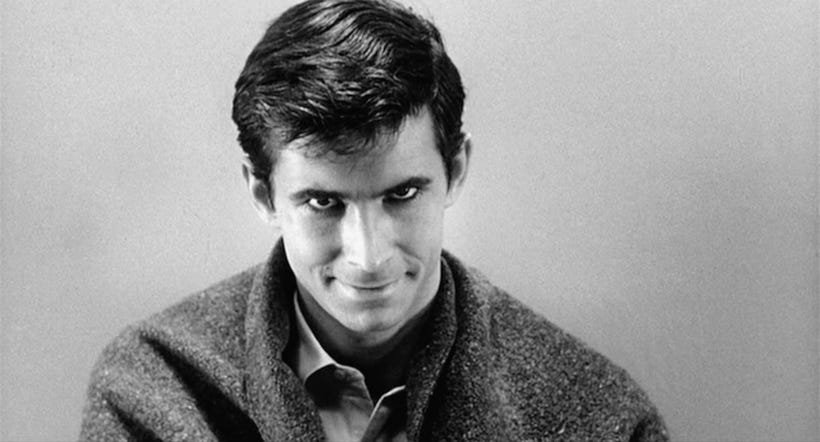
It is the only moment in their entire narrative where anything resembling agency exists. Not in their upbringing. Not in their circumstances. Not in the smallness of their daily lives. But in the decision to turn weakness outward, to make others carry the weight of it. That is not a transformation. That is an abdication, yet the cultural machine continues to dress up. To sand down the edges. To add motive, texture, aesthetic. To make the monster not just comprehensible, but compelling.
To make the audience hesitate, to wonder, to sympathize, to lean in just a little closer. That hesitation is the fracture point. Because horror depends on the distance. On instinctive recognition that something is wrong, irredeemable, and should not be engaged with. The moment that instinct is replaced with curiosity, or worse, admiration, the function collapses. The monster stops being a warning. And it has become a product.
So, the next time the predator is framed as charming, tragic, or misunderstood, it’s worth remembering what’s being sold. Not truth. Not complex. But a fantasy of power built on the deliberate erasure of what these figures are. Small. Fragile. And entirely dependent on the illusion that they are anything else. Count Dracula was the blueprint, the first monster in modern culture who decided to dress for dinner.
Bram Stoker did not invent the vampire so much as perfect for its posture. He gave the nightmare a title, a castle, a lineage, and a hunger that felt ancient enough to predate morality itself. In the novel, Dracula is not seductive in the modern, adolescent sense. He is contaminated in aristocratic form, cold, deliberate, and invasive. He is a predator moving through the bloodstream of respectable society, draining life from women while the men around them scramble to restore a threatened order.
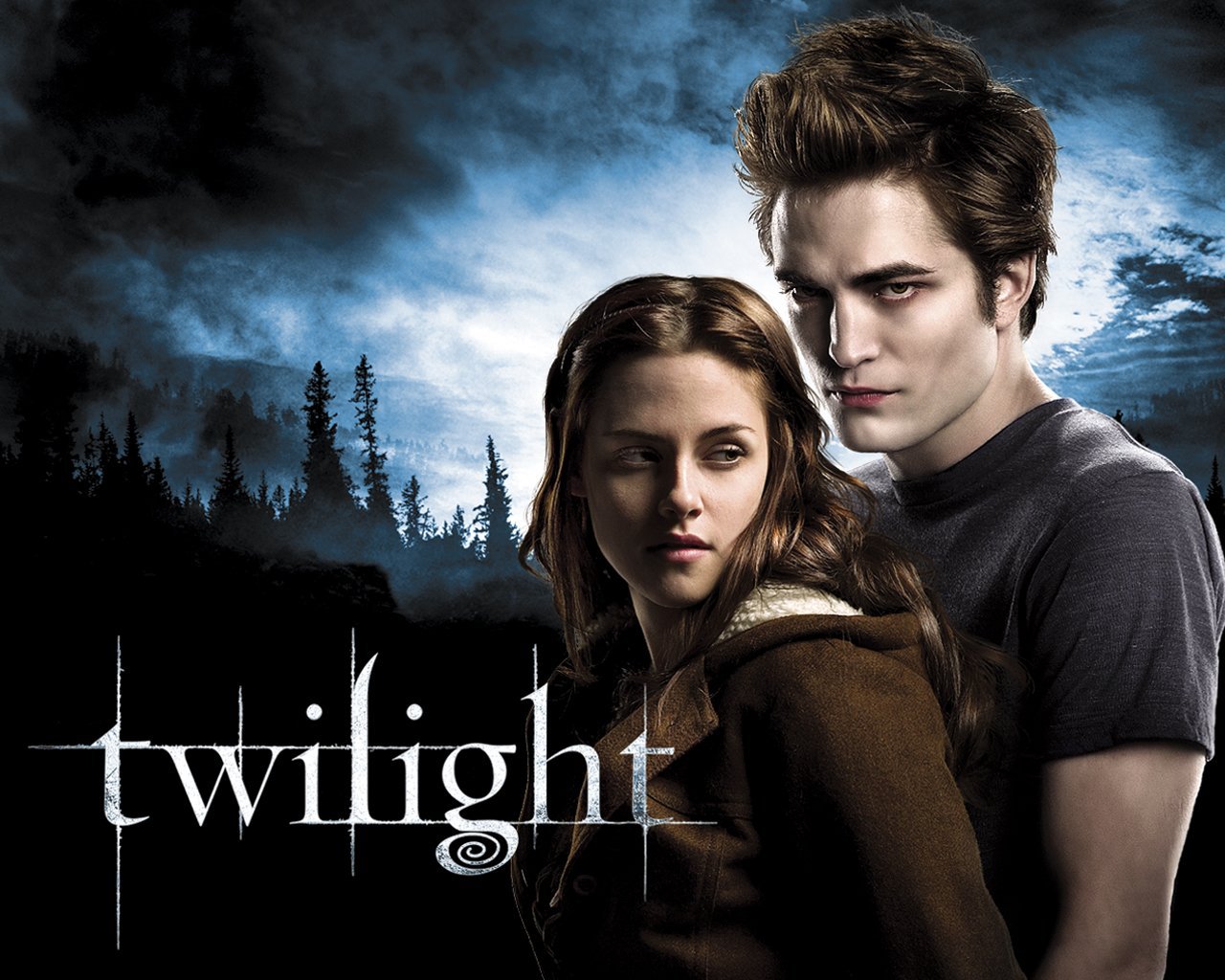
Stoker’s horror is not romance. It is a violation of formal wear. Then the cinema got its hands on him, and the corruption began. By the time Bela Lugosi stepped into the role, the monster had already started his long transformation from terror into temptation. Lugosi did not present a beast to recoil from. He presented a dark aristocrat with hypnotic control, old-world poise, and a voice so smooth it nearly made predation sound courteous. The audience was no longer simply afraid. It was intriguing.
Horror had stumbled onto an intoxicating discovery, evil, properly lit, could sell as seduction. The cape helped. The accent helped. The gaze did most of the work. With Francis Ford Coppola’s Dracula, the process became explicit. Gary Oldman’s Count was no longer merely a creature of appetite. He was wounded, romantic, operatic, given the sort of tragic grandeur usually reserved for doomed lovers and imperial ghosts. Blood became visual foreplay. Violence acquired lush emotional framing. The predator was not just elegant now, he was heartbroken.
The monster had been granted interiority, and with it came the oldest narcotic in storytelling, the invitation to excuse. Then came the final insult, gift-wrapped for mass consumption, Twilight. At that point the vampire was no longer a predator at all, at least not in any serious sense. He was a boyfriend with fangs. A brooding abstinence mascot polished into safety, his appetite transformed into self-restraint, his monstrosity recoded as sensitivity.
The immortal blood-drinker had been stripped of terror and repackaged as longing. Dracula, once a nightmare in human form, had become a purchasable fantasy. That is where the cultural rot truly sets in. Because the problem is not simply that monsters became attractive. Horror had always flirted with attraction. The problem is that attraction stopped being part of the danger and started replacing it. The audience no longer wanted to survive the monster. It wanted to be chosen by him. To be singled out. Desired. Bitten, but beautiful. Claimed, but romantically.
The teeth remained. Only now do they come up with mood lighting. Once a culture starts mistaking predation for intimacy, it has already crossed the line. The monster is no longer functioning as a warning. He is functioning as a fantasy. Not something to flee, but something to fixate on. Not a boundary, but an invitation. That was the first great success. Not Dracula’s victims, but horrors of its audience.
Mary Shelley did not create a monster to be adored. She created one to condemn his maker, and, by extension, the society that recoils from what it has made. In 1818, “Frankenstein or The Modern Prometheus” was not a sentimental origin story. It was a philosophical wound dressed in Gothic frost. Victor Frankenstein assembles a living being from stolen flesh, brings it into the world, and then, sickened by his own success, abandons it. What follows is not mindless evil but isolation, humiliation, and the slow formation of rage inside a creature that did not ask to exist. He teaches himself a language. He reads.
He watches human tenderness from the outside like a starving thing pressed against glass. And each time he reaches the world, the world answers with disgust. Shelley wanted pity there. That pity was not accidental. It was a blade. The creature is tragic because his suffering is not chosen. He is not born monstrous in spirit. He is made monstrous through neglect, rejection, and the grotesque irresponsibility of the man who created him and fled. The novel is not a plea to love the monster. It is an indictment of the arrogance that made him, and of the reflexive cruelty that finished the job.
He is not a role model, he is a wound with language, that was the point. Naturally, the culture could not leave it alone. By the time Boris Karloff appeared in 1931, bolts in the neck, sorrow in the posture, that strange childlike grief hanging behind the heavy face, the shift had already begun. The creature remained frightening, yes, but he also became pitiable in a more emotionally accessible way. The philosophical horror was softened into pathos. Audiences did not simply recoil. They mourned. The monster had become hurt, and hurt is the first narcotic in the long cultural process of misplacing sympathy. Once that door opened, it did not stay confined to Frankenstein. Pity metastasized.
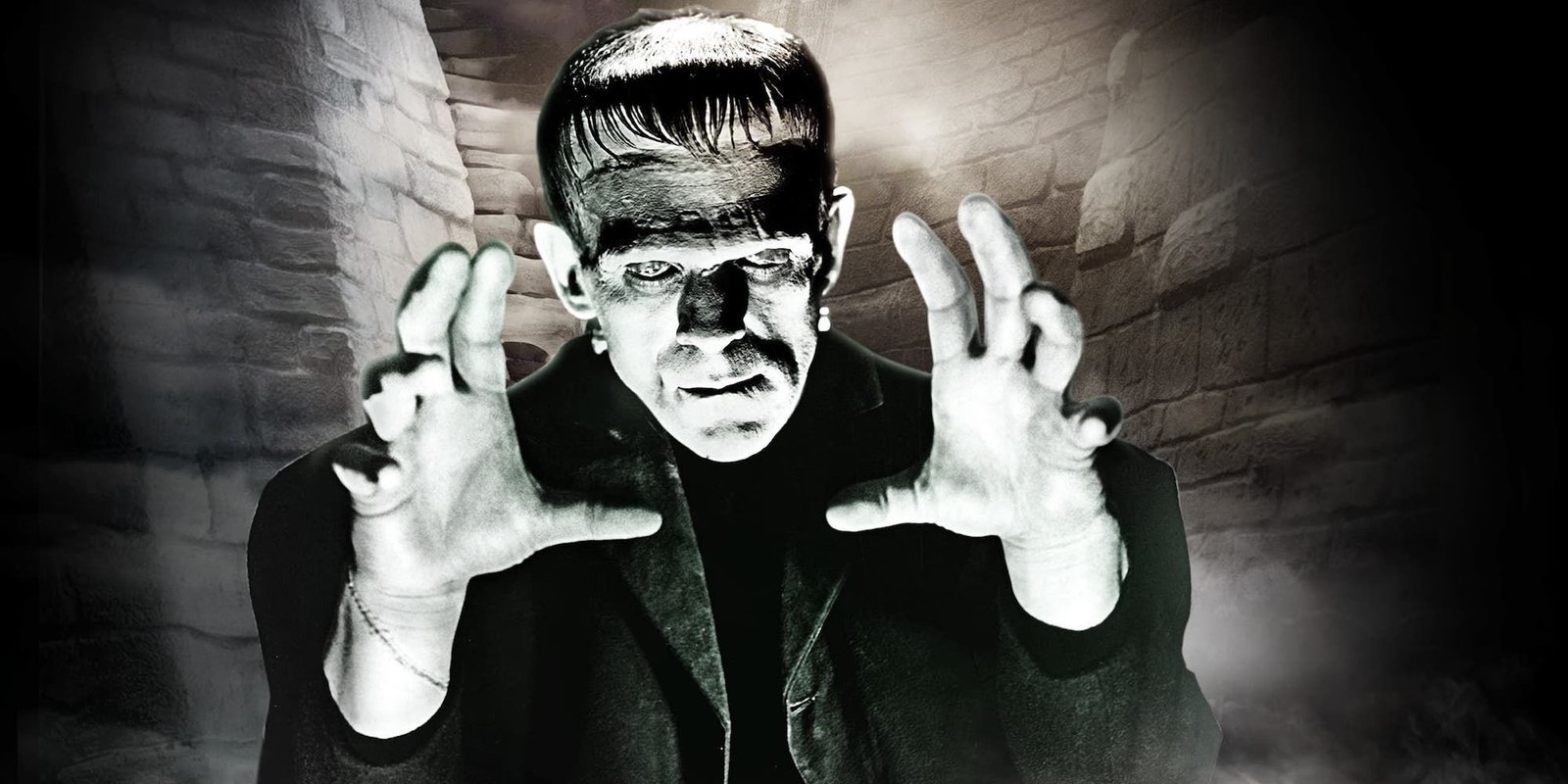
Soon every killer, every butcher, every cinematic predator needed a wound package of his own. A cruel father. A humiliating childhood. A trauma dossier. A reason. Slasher franchises began adding explanatory bruises as though motive itself were depth. The more blood on the floor, the more urgently the culture reached backward for some injury that could make the horror feel psychologically organized. Once the explanation enters, the excuse is never far behind.
That is where the rot is set. Because Shelley’s Creature earns pity in a way later, monsters often do not. His misery is imposed. His loneliness is structural. His violence emerges from abandonment so complete that it curdles into vengeance. The tragedy is real because the deprivation is real, and because the novel never mistakes tragedy for innocence. Modern culture, however, has taken the wrong lesson entirely. It has started treating all monstrosity as damaged innocence in disguise.
Every killer becomes a misunderstood boy. Every act of slaughter becomes evidence of untreated pain. Every predator is handed over the possibility of redemption before his victims are even granted the dignity of remaining central, that is not sophistication. It is a moral drift. Because the real monsters so often held up for this treatment were not cosmic, accidents wandering through an indifferent universe. They were not Shelley’s abandoned creation, stitched together and cast out. They were men, small, frightened, humiliated, angry men, who looked at their own powerlessness and decided.
Not a mystical transformation. Not an unavoidable fate. A decision. To harm. To dominate. To take from the vulnerable what they could not command from the world. That is the distinction culture keeps trying to blur, because blur is profitable. Blur creates complexity. Blur creates prestige documentaries, sympathetic framing, think pieces, and the whole soft-lit industry of making brutality look psychologically intimate.
But intimacy is not innocent. The background is not absolution. Suffering is not permission. Shelley understood that pity is powerful precisely because it must be earned carefully. Modern culture, by contrast, sprays it around like holy water on anything that kills prettily enough. So yes, pity was the point in 1818. By the twenty-first century, pity had become a problem. And that is why the monster cannot be handed over a redemption arc simply because the audience has grown addicted to finding one. Oliver Stone didn’t just make a film. He changed the contract.
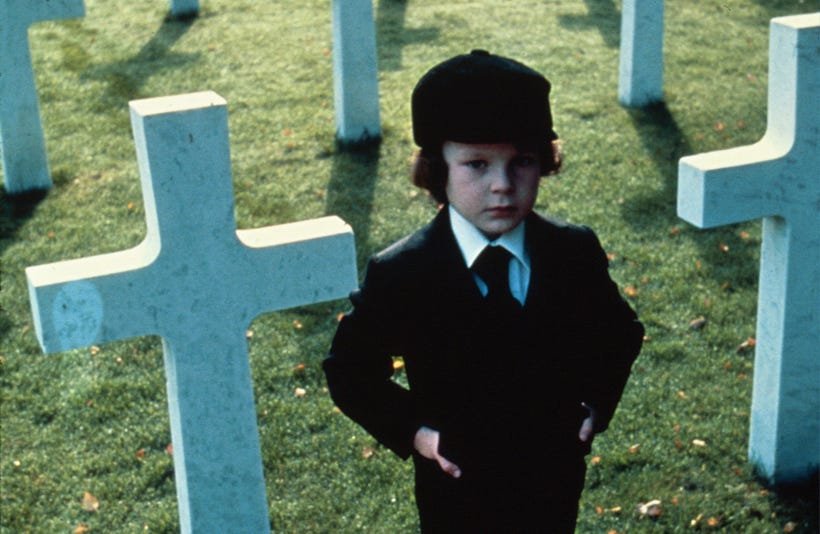
Natural Born Killers weren’t interested in showing monsters as something to fear. It elevated them. Mickey and Mallory Knox are not the small, fragile, socially broken figures that reality produces. They are something else entirely, stylized, magnetic, and cinematic. Leather-clad, soundtracked, mythologized. They are not killers as they are. They are killers as fantasy demands them to be. The film doesn’t position the audience at a safe distance. It collapses that distance completely. The viewer is not asked to observe the violence, but to move with it, to experience it as momentum, as a spectacle, as something dangerously close to exhilaration.
Every act is stylized. Every moment is heightened. The brutality is framed, scored, edited into something that feels less like horror and more like energy. That is the pivot, because once violence becomes energy, it becomes attractive. The Knox’s are not presented as aberrations to be rejected. They are the center of gravity. The camera follows them, lingers on them, and builds them into icons within the film’s own world. The media inside the story worships them, and the audience is placed in an uncomfortable parallel position, watching the same spectacle, drawn in by the same charisma.
The satire is there, certainly. The critique of media sensationalism is obvious. But satire is a fragile instrument. It depends on distance and clarity, Natural Born Killers muddies both. It critiques glorification while simultaneously participating in it, so effectively that the critique becomes indistinguishable from the thing it claims to condemn. The result was not rejected. It is an absorption. Because once the killer becomes the protagonist, the structure changes.
The narrative no longer builds toward stopping the monster. It builds around staying with him. Understanding him. Following him. The moral center shifts, not overtly, not explicitly, but enough. Enough for the audience to feel it, once that shift happens, it does not stay contained. The door opens. From there, it’s a short walk to The Devil’s Rejects, where brutality becomes road-trip mythology. To a wider culture where killers are stylized, aestheticized, turned into figures of fascination rather than figures of fear.
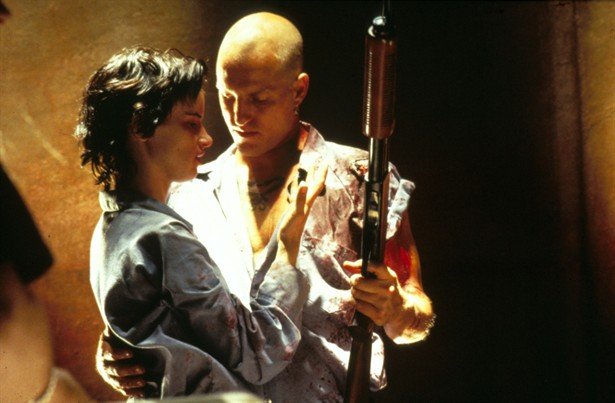
The groundwork is laid for a version of the predator that is not small, not desperate, not dependent on imbalance, but cinematic, dominant, and compelling. The lie takes root. Because the real figures behind these fantasies were never anything like this. They did not move through the world with charisma or command. They did not command attention until they forced it through violence.
Their lives were not electric, they were narrow, repetitive, and constrained. Natural Born Killers replaces that reality with something far more seductive. Not the killer as he is, but the killer as spectacle, is far easier to admire than it is to fear. That is the original sin. Not that the film showed monsters. But that made them worth watching.
The shift didn’t happen at all at once. It moved in two directions at the same time. The heroes got darker. Villains got closer. By the 1970s, the clean-cut hero was already eroding. Dirty Harry put a gun in the hands of a man who looked increasingly comfortable using it. The Punisher took that logic further, justice stripped down to execution, morality reduced to target selection. The audience adjusted quickly. If the world was brutal, then the man fixing it had to be more brutal still.
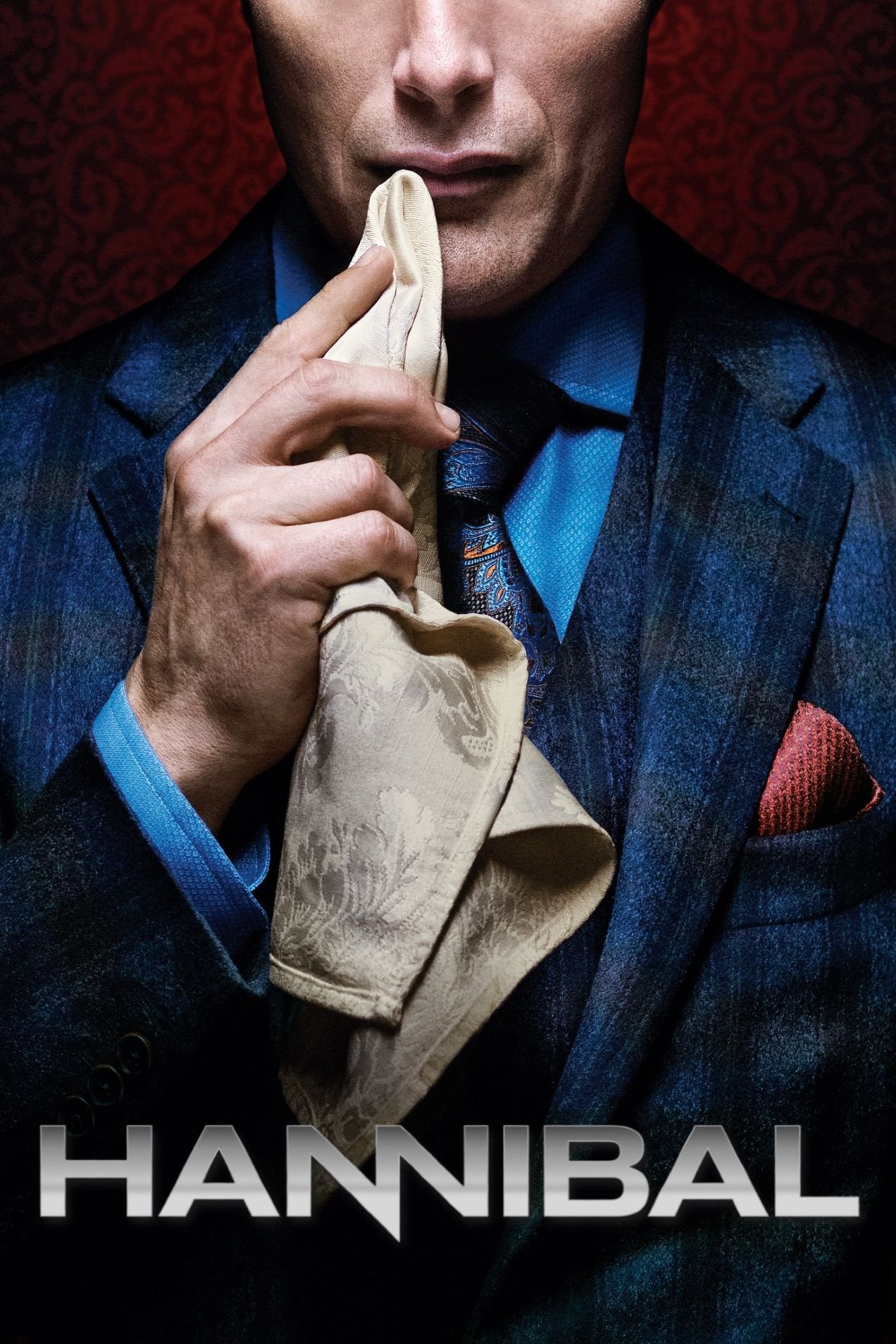
The line blurred, while attention stayed fixed on how far the hero could bend without breaking. Something else slipped through the gap, the villain stepped forward. Hannibal Rising is where that movement becomes explicit. In The Silence of the Lambs, Lecter works because he is unknowable. Controlled, precise, contained behind glass and language. He is not loud. He is not chaotic. He does not explain himself. That absence is the source of his weight. He does not need a reason.
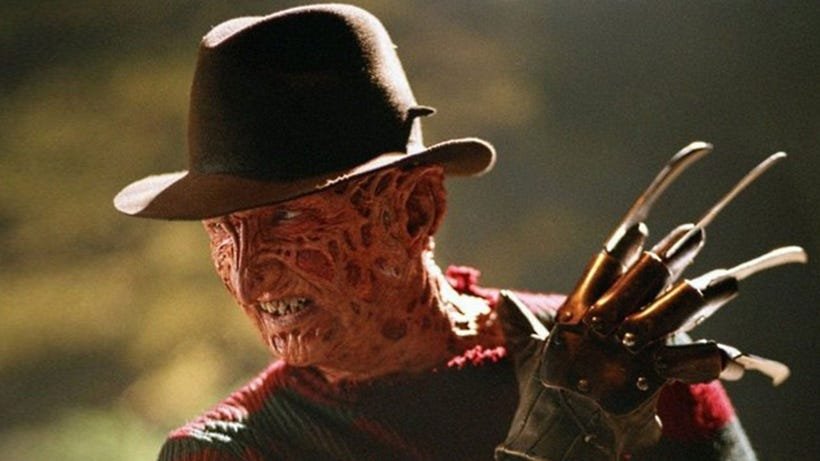
He simply is. The prequel removes that. It replaces distance with access. Mystery with narrative. The camera no longer observes the <predator, it follows him. Tracks him. Builds him. His past is revealed, his trauma defined, his violence contextualized. What was once an opaque presence becoming a sequence of causes and effects. The monster is no longer a force. He is a story, once that happens, the structure shifts. The audience is no longer positioned against him. It is positioned with him. Watching his formation. Understanding his decisions.
Anticipating his actions not with dread, but with recognition. The lens has changed sides. That is the turning point. Because perspective determines alignment. Give the predator distance, and he remains something to fear. Give him proximity, and he becomes something to process. Give him narrative control, and he becomes something to follow. Not approved. Not endorsed. But I followed, that is enough. Because the real figures in this mythology echoes were never constructed like this.
They did not move through the world as composed, deliberate forces rising from tragedy into dominance. They did not become what they were through some elegant arc of transformation. They made smaller, uglier decisions. They did not ascend. They selected. They found gaps, imbalances, vulnerabilities, and acted within them. Not as mythic predators, but as opportunist’s dependent on conditions, they could control. Remove those conditions, and the illusion collapses.
What Hannibal Rising offers is not an explanation. It is elevation. It takes something small and frames it as inevitable. Take something contingent and present it as destiny. Wraps it in style, control, intention, and hands it back to the audience as a figure worth tracking from origin to outcome. The monster is no longer in the dark. He is centered. Lit. Scored. Given the camera, once that happens, the audience doesn’t run. It watches. The devil’s road trip, when the killer becomes the crew Rob Zombie didn’t just flirt with the line. He crossed it, set up camp, and lit it with a neon.
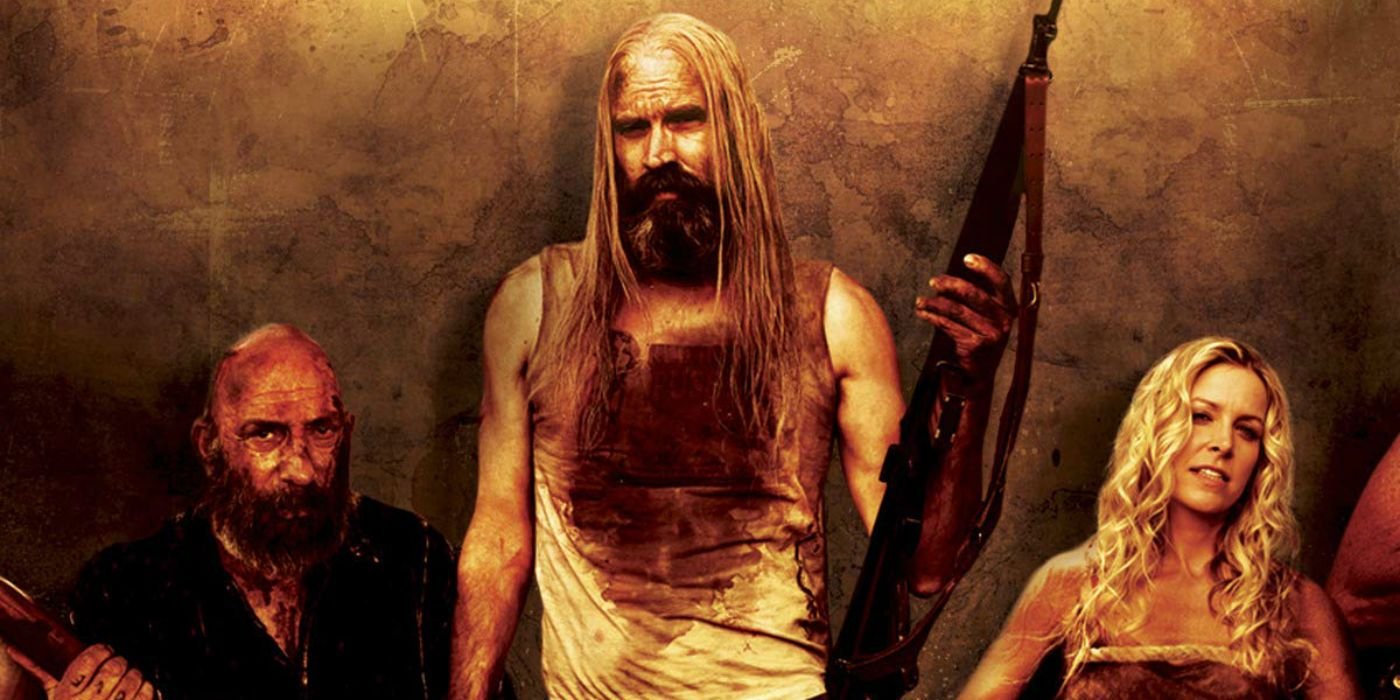
House of 1000 Corpses, plants the seed, turns a family of killers into the gravitational center of the film and dares the audience to stay in orbit. Otis Driftwood isn’t framed as something to reject. He’s loud, theatrical, and magnetic. The camera lingers on him. Give him space. Gives him rhythm. The victims, by contrast, blur into function, there to be hunted, there to be consumed, there to disappear.
The balance shifts. The killers are more alive than the people they destroy. Once that happens, horror starts to rot from the inside. Because horror depends on alignment. It depends on the audience knowing, instinctively, where to stand.
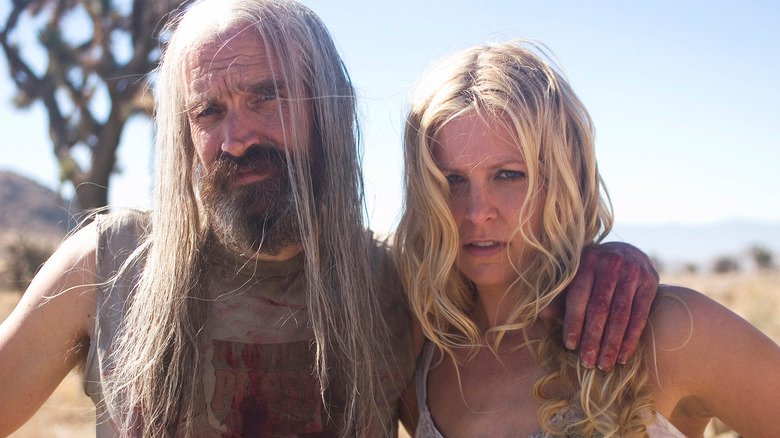
When that instinct is compromised, when the monster becomes the most compelling presence on screen, the fear doesn’t intensify. It dissolves. Then, The Devil’s Rejects, finishes the job. The structure changes completely. This is no longer a horror film in any traditional sense. It’s a road movie. An outlaw narrative. The Firefly family isn’t obstacles, they’re the crew. The story moves with them, breathes with them, and invests in them. Their violence is no longer presented as intrusion.
It’s momentum that is easy to follow. By the time “Free Bird” hits, the transformation is complete. The killers aren’t just centered, they’re mythologized. Framed like doomed antiheroes, going out in a blaze of defiance. The visual language is unmistakable, slow motion, music, and symmetry. Not judgment. Elevation. It’s the grammar of legend, not horror. The comparison writes itself. Strip away the setting and what remains looks less like a slasher and more like Young Guns, outlaws against the world, bonded, charismatic, larger than the people trying to stop them.
The difference is supposed to be moral clarity. But the film muddies it deliberately. Because once the audience is riding with the killers long enough, familiarity does what it always does, it softens. It reframes. It creates space for identification where there should be no one. And that’s the problem. Not that violence exists. Not that the characters are brutal. But that the narrative teaches the audience how to sit with them comfortably. How to laugh with them. How to feel the rhythm of their movement instead of the weight of their actions. That is not horror. That is hero construction.
It takes the same lie that Natural Born Killers popularized, the killer as charismatic, untouchable, central, and refines it. Polishes it. Sets it to music and lets it die beautifully. But beauty is doing all the work. Because underneath the slow motion and the soundtrack, nothing has changed. These are not mythical outlaws. Not rebels. Not the forces of nature. They are still what they were. Predators of the vulnerable. Dependent on imbalance. Entirely ordinary once the illusion drops. The film doesn’t remove that truth. It just buries it under style.
And style, when applied carefully enough, can make almost anything look like something worth cheering for. We crossed the Rubicon. There comes a point where the genre stops pretending it still knows where the line is. Rampage is at that point. By the time slow corruption is complete. There is no lingering ambiguity, no satirical alibi sturdy enough to hide behind, no ritual insistence that the audience is really being taught a lesson.
The mass murderer is not adjacent to the narrative. He is the narrative. From the opening movement, the killer is not positioned as intrusion, threat, or object of dread. He is the axis around which the film turns. The camera does not resist him. It follows him. That is the Rubicon. Earlier films at least maintained a kind of double-speak. They glamorized the killer while pretending to condemn him, stylized atrocity while muttering the word satire like a legal disclaimer. Rampage strips away that polite hypocrisy. It hands the protagonist role directly to the butcher and dares the audience to sit there and absorb the whole thing through his perspective.
He plans. He arms himself. He executes. He explains. The victims are not characters in any meaningful sense. They are obstacles, numbers, and scenery for grievance. The structure tells the truth even when the defenders will not, this is not horror anymore. It is proximity. And proximity is doing all the work. Because once the killer becomes the audience’s principal orientation point, the moral geometry changes whether anyone admits it or not. The viewer is no longer waiting for the threat to be stopped.
The viewer is being trained to track the threat momentum, to inhabit its logic, to measure the scene by its efficiency. Even revulsion begins to curdle into something else, not approval, necessarily, but a kind of forced intimacy with annihilation. That intimacy is poisonous. Not because the film offers a sentimental excuse. In some ways it is worse for refusing one. There is no tragic violin swell, no carefully spoon-fed abuse narrative demanding sympathy, no melodramatic psychology begging to convert atrocity into wound.
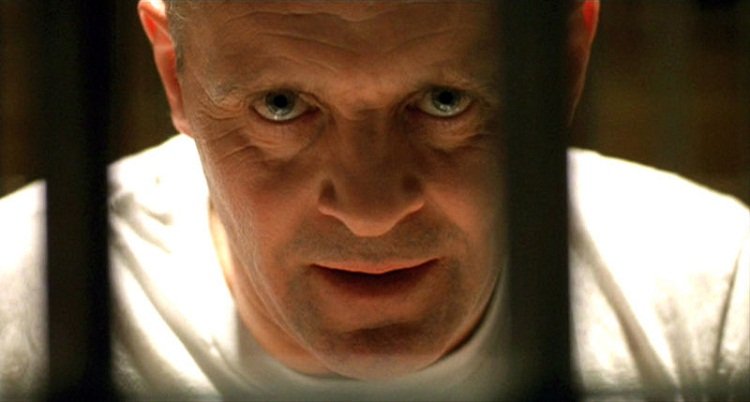
The killer acts because he chooses to. Coldly and deliberately, the film’s great offense is that it still treats that choice as enough to sustain narrative centrality. Enough to justify attention. Enough to make him the figure around whom the entire machine revolves. No redemption. No mystery. No moral resistance. Just lead-character status for a man who has decided the world owes him corpses That is why Rampage feels less like a continuation than an unveiling. X
The culture is no longer dressing the predator in velvet, tragedy, or antihero glamour. It is no longer even pretending the monster must remain monstrous in form. The mask is gone. The stylization is reduced. What remains is the purest version of the fantasy this entire progression has been moving toward: the killer as sovereign self, the killer as narrative engine, the killer as someone whose perspective is sufficient reason to build a film. Once that happens, a boundary has been crossed. Because horror requires a certain resistance to what it depicts.
Not prudish. Not sermonizing. Resistance. A sense that the thing on screen is not simply terrible, but alien to identification. That some acts should not be granted the intimacy of centrality without cost. Rampage burns through that resistance and calls the ash honesty. But honesty has nothing to do with it. This is not realism. Real killers are not mythic engines of will cutting through the world with pure coherence. They are not protagonists in any meaningful human sense.
They are smaller than that, more contingent than that, more dependent on circumstance, surprise, and imbalance than this kind of filmmaking ever wants to admit. What the film offers is not truth, but concentration. The fantasy of grievance translated into unilateral power, stripped of friction, handed over the frame. And once the frame belongs to him, horror is over. Only worship remains. Not open worship, perhaps.
Not the embarrassing kind with posters and heart-eyes and denial. Something subtler. More corrosive. The worship of narrative priority. The worship of attention. The worship inherent in deciding that this consciousness, among all possible consciousnesses, is the one most worth following to the end. That is the final step. Not merely making the monster attractive. Not merely making him sympathetic. Making him central without apology. By then, the Rubicon was already behind us.
The predator no longer needs a cape, a tragic backstory, or a seductive accent. He does not need to pretend to be misunderstood. He only needs the audience to keep watching, far too often, it does. It’s time to drop polite fiction. Part of the appeal is erotic. Not in the narrow sense, but in the deeper one, power, control, certainty, appetite without restraint. The monster is framed as everything ordinary life denies decisive, unburdened, immune to consequence. He doesn’t negotiate. He doesn’t hesitate. He takes it, fiction knows exactly how to dress that.
Dracula moves like inheritance and inevitability. Hannibal Lecter turns violence into refinement. Otis Driftwood weaponizes chaos into performance. Different aesthetics, same core promise: power without limits. The audience responds accordingly. Not always with approval, not always consciously, but with attention. With fascination. With a willingness to stay close to something that should, by design, repel. The predator becomes an object of study, then of intrigue, and eventually, if the framing is careful enough, of attraction.
That progression is the mechanism. Because once the monster is perceived as powerful, everything else begins to reorganize that perception. His actions feel intentional rather than opportunistic. His presence feels dominant rather than contingent.
The monster loses coherence. The narrative loses gravity. The audience loses its reason to follow. And what remains is not something seductive or compelling. Just something small is far easier to understand for what it is. The seduction ends here. We need monsters we can hate again. Not softened. Not explained to sympathy. Not elevated into something worth following. Just monsters. Ramsay Bolton works because there is no negotiation with him. No hidden nobility waiting to be uncovered. No late-stage redemption is designed to complicate the audience’s response. He is rotting, plainly presented, and the story never asks for anything but rejection.
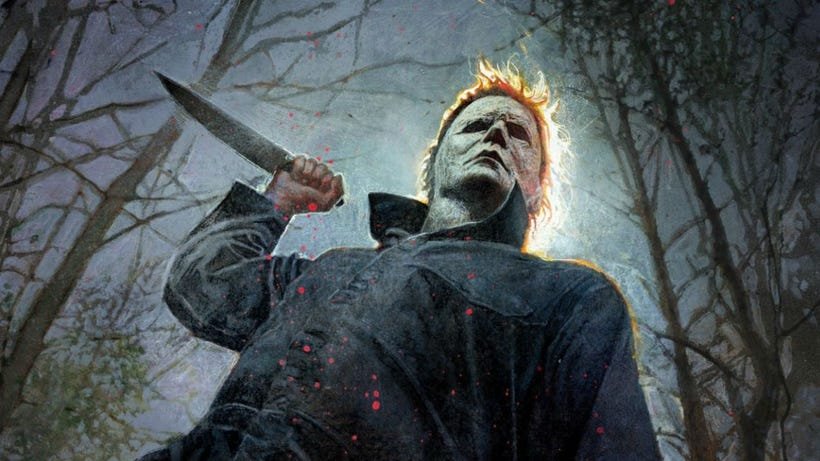
Jason Voorhees works because he is absent. No psychology to parse, no diary to decode, no language to mediate violence. He is forced without invitation, something that does not care whether it is understood. Anton Chigurh works because he refuses intimacy. No origin story to soften him, no emotional access point to draw the audience closer. He is principle without empathy, consequence without conscience. These figures hold because they maintain distance. They do not ask to be liked. They do not ask them to understand. They do not ask them to follow.
The audience knows exactly where to stand. That clarity is not simplistic. It is structural. Horror depends on it. Because fear requires orientation. It requires a line that is not meant to be crossed, a recognition that something on the screen exists outside the space of identification. The moment that line blurs, the function changes. The monster stops being a boundary and becomes a perspective. Once it becomes a perspective, the rest follows. Attention turns into familiarity. Familiarity turns into tolerance. Tolerance turns into an attachment.
Not always open. Not always conscious. But enough. Enough for the monster to be carried out of the story and into culture. Given language, imagery, and aesthetics. Turned into something that can be shared, reshaped, and circulated. The violence remains, but it is reframed, absorbed into style, into tone, into something that feels less like a warning and more like a brand. That is where horror fails. Not because it shows too much, but because it asks the audience to stay too close for too long.
Distance collapses, with it, the instinct to reject. Reestablishing that distance does not mean flattening every villain into caricature. It means refusing to center them in a way that invites identification. Refusing to grant them narrative gravity that outweighs what they do. Refusing to translate harm into something aesthetically compelling enough to override judgment. It means restoring friction. Restoring the sense that the thing on screen is not meant to be carried with you, not meant to be admired, not meant to be given the intimacy of attention beyond what the story requires to oppose it.
Because once the audience starts rooting for the monster, even quietly, the structure has already shifted. When the structure shifts, so does the outcome. The final confrontation loses weight. The resolution loses clarity. The destruction of the monster becomes ambiguous instead of necessary. That ambiguity may feel sophisticated. It isn’t. It is erosion. Horror does not need affection to function. It needs resistance. It needs monsters that remain in other places.
Monsters that do not invite understanding as a substitute for judgment. Monsters that can be opposed without hesitation. Because the moment hesitation enters the door is already open. The monster was never supposed to be a friend. He was never supposed to be understood into harmlessness, dressed in glamour, or softened into something the audience could take home and adore. He was supposed to remain what horror once knew he was: a thing to fear, a thing to resist, a thing to destroy.
Yet here culture stands, decades into the seduction, handing out velvet capes and curated playlists to creatures that were never mythic in the first place. Frailty was dressed in Dracula’s evening wear. Tragedy was poured into Frankenstein’s shadow until pity was metastasized into a habit. Mickey and Mallory were crowned with tabloid royalty. Hannibal was handed over his own origin of myth. Otis Driftwood got the soundtrack. Rampage gave the mass murderer the frame itself. Again, the lens moved closer. Again, the butcher was turned into the center of gravity. That is betrayal. Not that horror showed evil, but that it taught the audience to stay with it. To admire its style.
To mistake proximity for depth and fascination for complexity. The killer was no longer the thing at the edge of the story. He became the story, once that happens, the genre begins to lose its nerve. Because when the final girl swings the bat, when the door comes off its hinges, when the armed men arrive to end the threat, there should be no hesitation. No soft-focus equivocation. No reflexive reach for backstory as absolution. No cheap little instinct to ask whether the monster was somehow wounded enough to deserve one more ounce of tenderness. The answer is no.
The culture’s favorite lie is that the predator was always larger than life, an elegant genius, a rock-star psychopath, a force of pure will moving through the world like some dark god. But beneath the lighting, beneath the score, beneath the accumulated mythology, what so often remains is something smaller and meaner, a frightened, limited, socially stunted man who discovered that violence could create the illusion of stature he could not achieve any other way. He did not transcend his weakness. He weaponized it. He did not rise above trauma. He turned it outward. He did not become mythical.
He became cruel. That is the only origin story worth preserving, not to redeem, not to sympathize, not to offer one last narcotic hit of understanding, but to kill the fantasy once and for all. To strip away the cape, the charisma, the poetic lighting, and reveal the thing underneath, not an apex creature, not a devil in silk, but a small man making other people carry the weight of his own impotence. That truth is far less glamorous than the culture prefers. It is also far more dangerous.
Because once the audience stops hating the monster, it starts making room for him. It starts handing him language, aesthetics, fan clubs, symbolic depth. Horror curdles into fandom. Fear becomes merchandising. The predator is no longer a warning but a brand. And the blood gets watered down. No. The blood stays red. The blade stays sharp. The monster stays at what he was always meant to be: feared, resisted, and, in the end, destroyed. Because the second the wolf is mistaken for something to love, the throat is already offered. And horror, if it remembers what it is for, should know better.


